How Do I Know If My Shocks or Struts Are Bad?
Your vehicle's shocks and struts play an important role in ride comfort, handling, stability, and keeping your tires in contact with the road.
Because shocks and struts usually wear gradually, you may not notice the difference right away. Your car may slowly become bouncier, feel less stable on the highway, dive forward when braking, or begin wearing its tires unevenly.
So, how do I know if my shocks or struts are bad?
Common signs of worn shocks or struts include excessive bouncing, nose-diving when braking, a floating or unstable feeling at highway speeds, uneven tire wear, excessive body roll, clunking over bumps, fluid leaking from a shock or strut, and changes in steering or handling.
However, these symptoms don't automatically mean the shocks or struts need replacement. Tires, alignment, ball joints, control arms, bushings, tie rods, wheel bearings, and other suspension or steering components can cause similar symptoms.
At Apex Automotive Care, we diagnose suspension and steering problems for drivers throughout Houston, Southwest Houston, Westchase, Bellaire, Meyerland, Stafford, Sugar Land, and Missouri City.
What Do Shocks and Struts Do?
Shocks and struts help control the movement of your vehicle's suspension.
Your springs support the vehicle's weight and allow the wheels to move when you travel over bumps and uneven pavement.
Without proper damping, however, the vehicle could continue bouncing after hitting a bump.
Shocks and struts help control that movement.
They contribute to:
- Ride comfort
- Vehicle stability
- Tire contact with the road
- Body movement
- Handling
- Cornering
- Braking stability
Although shocks and struts perform similar functions, they aren't exactly the same component.
A vehicle may use shocks, struts, or a combination depending on its suspension design.
What Are the Signs of Bad Shocks or Struts?
Several symptoms can indicate worn shocks, struts, or another suspension problem.
1. Your Car Bounces Excessively
One of the most recognizable symptoms is excessive bouncing.
Your vehicle will naturally move when traveling over bumps, dips, railroad tracks, potholes, and uneven pavement.
However, it shouldn't continue bouncing excessively after the initial impact.
You might notice the vehicle:
- Bounces several times after a bump
- Feels unusually soft
- Rocks after driving through a dip
- Takes longer to settle after road imperfections
- Feels less controlled than it used to
Worn shocks or struts can allow excessive suspension movement.
However, springs, tires, bushings, and other suspension components should also be considered during diagnosis.
2. Your Car Nose-Dives When Braking
Does the front of your vehicle noticeably dip toward the pavement when you apply the brakes?
Some forward weight transfer during braking is normal.
But excessive nose-diving can indicate that the suspension isn't controlling body movement as effectively as it should.
You may notice this most during:
- Hard braking
- Highway exits
- Sudden stops
- Stop-and-go traffic
- Braking from higher speeds
Worn shocks or struts are one possible cause.
Because braking and suspension symptoms can overlap, the brakes, tires, suspension, and steering components should be inspected rather than assuming one component is responsible.
If your steering wheel also shakes when braking, read our related guide:
Why Does My Steering Wheel Shake When I Brake?
3. Your Car Feels Floaty or Unstable on the Highway
Another common complaint is that the vehicle feels like it's floating instead of feeling firmly connected to the road.
You might notice:
- Wandering
- Excessive movement
- Poor stability
- Sensitivity to crosswinds
- Excessive bouncing
- Difficulty maintaining a straight path
- An unsettled feeling after hitting a bump
These symptoms may become particularly noticeable at highway speeds.
Apex Automotive Care's existing highway-vibration guide identifies worn shocks and struts as one possible cause of poor handling, excessive bouncing, a floating sensation, uneven tire wear, and instability at highway speeds.
Car Shaking at Highway Speeds? Houston Auto Repair
4. Your Tires Are Wearing Unevenly
Your shocks and struts help maintain consistent tire contact with the road.
When suspension components become worn, the tire may not remain as controlled as intended.
You may notice unusual tire-wear patterns such as:
- Cupping
- Scalloping
- Uneven tread wear
- One area wearing faster than another
- Premature tire wear
However, bad shocks and struts aren't the only causes of uneven tire wear.
Other possibilities include:
- Incorrect tire pressure
- Wheel alignment problems
- Worn suspension components
- Steering problems
- Tire problems
If you're repeatedly replacing tires because of abnormal wear, the underlying cause should be identified.
5. Your Car Leans Excessively Around Turns
Shocks and struts help control body movement when cornering.
If they become worn, you may notice the vehicle leaning more than it used to when turning.
This is sometimes described as body roll.
You might notice it when:
- Turning at intersections
- Entering highway ramps
- Changing lanes
- Driving around curves
A vehicle that suddenly feels less stable around turns deserves an inspection.
The problem may involve shocks, struts, sway-bar components, bushings, tires, or another suspension or steering component.
6. You Hear Clunking When Going Over Bumps
A clunk, knock, or rattling noise from the suspension shouldn't automatically be blamed on the shocks or struts.
Several components can produce similar sounds.
Possible causes include:
- Strut mounts
- Shock mounts
- Control arms
- Ball joints
- Sway-bar links
- Bushings
- Tie rods
- Other suspension hardware
Pay attention to when the sound occurs.
If you consistently hear a clunk when driving over bumps, entering driveways, or traveling across uneven pavement, a suspension inspection can help identify which component is actually moving or worn.
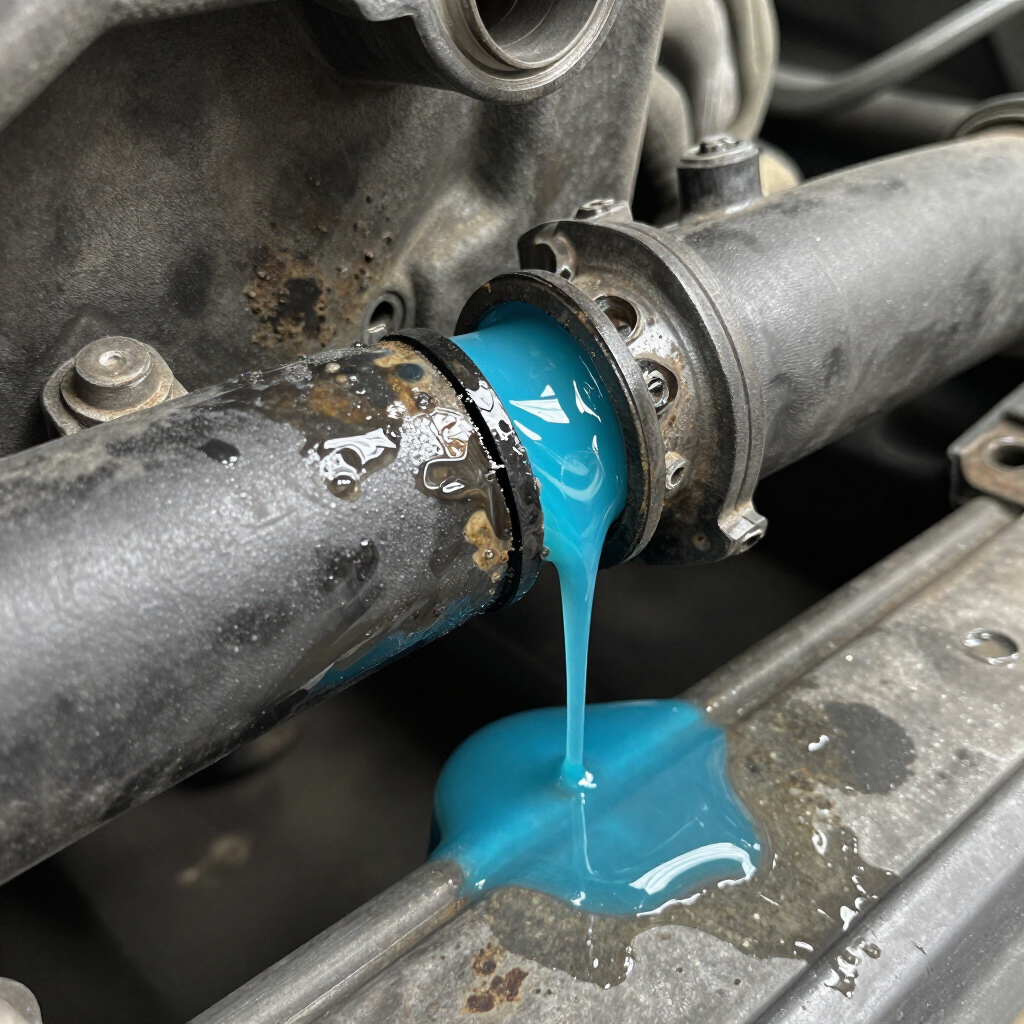
7. You See Fluid Leaking From a Shock or Strut
Shocks and struts commonly use hydraulic fluid internally.
If a component develops a significant leak, it may lose some of its ability to control suspension movement.
You may see oily residue or wetness on the outside of the shock or strut.
However, appearance alone isn't always enough to determine whether replacement is necessary.
The component should be evaluated along with the vehicle's symptoms and overall suspension condition.
8. The Front of Your Car Dips During Acceleration or Braking
Worn suspension components can allow excessive weight transfer.
You may notice the vehicle:
- Squats during acceleration
- Dives during braking
- Rocks backward and forward
- Feels unsettled during stop-and-go driving
A certain amount of movement is normal.
The concern is when the movement becomes noticeably excessive or has changed compared with how the vehicle previously behaved.
9. Your Car Feels Unstable After Hitting a Bump
A healthy suspension should help the vehicle recover quickly after encountering a bump.
If the car continues moving, bouncing, or wandering afterward, something may not be controlling the suspension properly.
At highway speeds, this can be especially noticeable.
If the vehicle changes direction or feels difficult to control after bumps, have the suspension and steering systems inspected.
10. Your Vehicle Pulls or Wanders
A car that pulls or wanders can have many possible causes.
These include:
- Tire pressure
- Tire wear
- Wheel alignment
- Suspension wear
- Steering components
- Brake problems
Worn suspension components can allow wheel angles to change while driving, which can affect how the vehicle tracks down the road.
Apex Automotive Care's guide to a vehicle pulling to one side explains that worn bushings, ball joints, and tie-rod ends can allow wheel movement under braking, acceleration, and bumps.
What Causes Your Car to Pull to One Side While Driving?
How Do Bad Shocks or Struts Feel While Driving?
Many drivers notice changes in the way the vehicle feels before they hear any unusual noises.
You may describe the vehicle as:
- Bouncy
- Floaty
- Loose
- Unstable
- Rough
- Wobbly
- Difficult to control
- Excessively soft
You may also feel like the vehicle takes longer to settle after bumps.
Because shocks and struts typically deteriorate gradually, drivers sometimes adapt to the worsening ride without realizing how much the handling has changed.
Can Bad Shocks or Struts Make My Car Shake?
They can contribute to vehicle instability and vibration, but shaking has many possible causes.
A car that shakes at highway speeds could have problems involving:
- Tire balance
- Damaged tires
- Bent wheels
- Wheel alignment
- Suspension
- Steering
- Wheel bearings
- Axles
- Drivetrain components
If your vehicle shakes primarily around 60–70 mph, tires and wheels should also be carefully evaluated.
Don't replace shocks or struts based on highway vibration alone.
Learn more about car shaking at highway speeds.
Can Bad Struts Cause Uneven Tire Wear?
Yes, worn suspension components can contribute to abnormal tire wear.
If the suspension isn't controlling wheel movement correctly, tire contact with the road can become inconsistent.
However, uneven tire wear can also be caused by:
- Incorrect alignment
- Tire-pressure problems
- Worn steering components
- Worn suspension bushings
- Tire defects
- Driving conditions
If new tires repeatedly develop uneven wear, don't just keep replacing the tires.
Find out what's causing the wear.
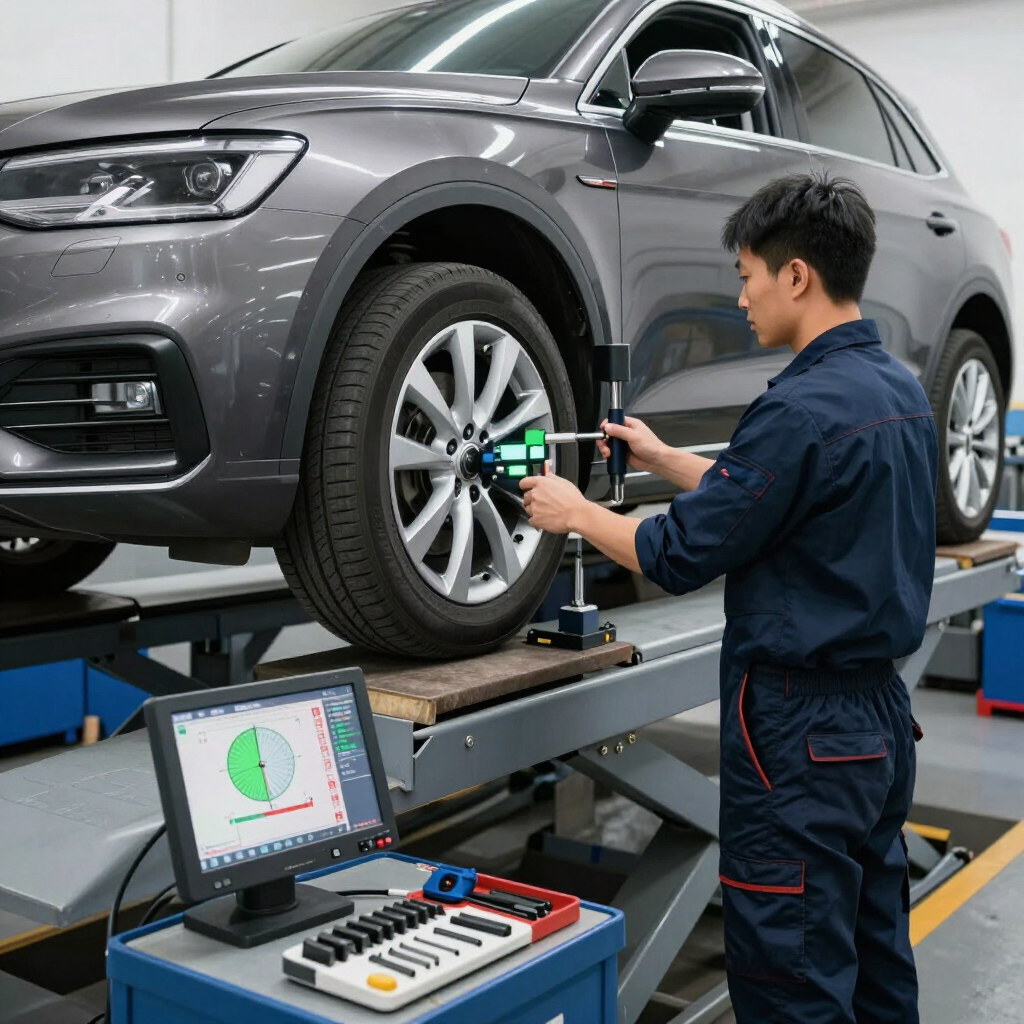
Can Bad Shocks or Struts Affect Wheel Alignment?
Shocks and struts are part of the overall suspension system, and suspension wear or damage can affect vehicle geometry and handling.
However, simply performing a wheel alignment won't repair a worn suspension component.
If a suspension or steering component has excessive movement, that problem may need to be corrected before an alignment can remain accurate.
That's why a suspension inspection can be important when a vehicle repeatedly develops alignment or tire-wear problems.
Can Bad Shocks or Struts Cause Steering Problems?
They can affect the way the vehicle feels and responds, but steering problems can also originate from many other components.
Possible causes of loose, wandering, or unstable steering include:
- Tie rods
- Ball joints
- Control arms
- Bushings
- Wheel bearings
- Tires
- Alignment
- Steering-system components
The complete suspension and steering system should be evaluated if vehicle control has changed.
Are Bad Shocks or Struts Dangerous?
The severity depends on how worn the components are and whether other suspension problems are present.
Shocks and struts affect how the vehicle responds to:
- Bumps
- Braking
- Turns
- Lane changes
- Emergency maneuvers
- Uneven roads
If your vehicle is severely bouncing, wandering, pulling, leaning, or becoming difficult to control, don't ignore it.
A sudden major change in handling should be inspected promptly.
Can I Drive With Bad Shocks or Struts?
A slightly worn shock isn't the same situation as a severely damaged suspension component.
There isn't one universal mileage limit for driving with worn shocks or struts.
The important question is how the vehicle is behaving and what is actually worn.
Have the vehicle inspected promptly if you notice:
- Severe bouncing
- Poor highway stability
- Major body roll
- Strong pulling
- Loose steering
- Clunking
- Severe uneven tire wear
- Visible suspension damage
- Significant fluid leakage
- Difficulty controlling the vehicle
If the vehicle feels unsafe or difficult to control, avoid continuing to drive it.
How Long Do Shocks and Struts Last?
There isn't one replacement interval that applies to every vehicle.
Service life depends on factors including:
- Vehicle design
- Mileage
- Road conditions
- Driving habits
- Vehicle load
- Potholes and road impacts
- Component quality
- Suspension design
Instead of replacing shocks and struts solely because the odometer reaches a certain number, their condition should be evaluated based on inspection, symptoms, and manufacturer recommendations.
Does Houston Driving Wear Out Shocks and Struts?
Road conditions can affect suspension wear.
Houston-area drivers regularly encounter:
- Potholes
- Uneven pavement
- Construction zones
- Expansion joints
- Rough roads
- Highway driving
- Stop-and-go traffic
Repeated impacts can place additional stress on tires, wheels, shocks, struts, bushings, control arms, and other suspension components.
If your vehicle suddenly begins handling differently after hitting a large pothole, have the tires, wheels, alignment, steering, and suspension inspected.
Do Bad Shocks or Struts Make Noise?
Sometimes—but not always.
A worn shock or strut may not make any obvious noise.
When suspension noise does occur, you may hear:
- Clunking
- Knocking
- Rattling
- Squeaking
- Creaking
The important thing is that these sounds aren't exclusive to shocks and struts.
Ball joints, bushings, sway-bar links, control arms, mounts, tie rods, and other components can produce similar noises.
If you're hearing grinding rather than clunking, read:
Why Is My Car Making a Grinding Noise?
What Is the Difference Between Shocks and Struts?
Although the terms are often used together, shocks and struts aren't identical.
Shock Absorbers
A shock absorber primarily controls suspension movement.
It's generally a separate component from the vehicle's main structural suspension assembly.
Struts
A strut combines damping with a structural role in the suspension.
Depending on the vehicle, the strut assembly may incorporate or connect with several suspension components.
Some vehicles use struts at the front and shocks at the rear.
Others use different configurations.
You don't need to know which system your vehicle has before scheduling an inspection—the important thing is describing the symptoms you're experiencing.
How Are Bad Shocks and Struts Diagnosed?
A proper suspension diagnosis involves more than pushing down on the corner of the vehicle to see whether it bounces.
Visual Inspection
Technicians can inspect the shocks and struts for:
- Damage
- Fluid leakage
- Broken mounts
- Corrosion
- Abnormal wear
Tire Inspection
Tire-wear patterns can provide clues about suspension and alignment problems.
Suspension Inspection
Related components should also be checked, including:
- Ball joints
- Control arms
- Bushings
- Tie rods
- Sway-bar components
- Wheel bearings
- Springs
- Mounts
Steering Inspection
If the vehicle wanders, pulls, or feels loose, steering components should also be inspected.
Road Test
When appropriate, a road test can help reproduce symptoms such as bouncing, instability, vibration, clunking, or poor handling.
The goal is to determine which component is actually causing the problem before replacing parts.
Should I Replace Shocks and Struts in Pairs?
Replacement recommendations depend on the vehicle design, manufacturer procedures, condition of the components, and the repair being performed.
In many situations, matching components on the same axle may be serviced together to maintain consistent suspension performance.
However, the correct repair should be based on your specific vehicle and inspection results.
Should I Get an Alignment After Replacing Struts?
On many vehicles, strut replacement can affect suspension geometry.
An alignment may therefore be appropriate or required after certain suspension repairs.
The exact procedure depends on the vehicle and which components were replaced.
A technician can determine whether alignment should be performed as part of the repair.
Can Regular Maintenance Catch Worn Shocks and Struts?
Routine inspections can help identify suspension wear before the symptoms become severe.
Apex Automotive Care's factory scheduled maintenance specifically includes inspections of important components such as brakes, shocks/struts, and steering when appropriate under the manufacturer's maintenance schedule.
Factory Scheduled Maintenance in Houston, TX
Routine vehicle maintenance also provides an opportunity to identify tire wear and other developing problems.
General Vehicle Maintenance in Houston, TX
Shocks and Struts Repair Near Westchase
If you're near Westchase and your vehicle has become bouncy, unstable, or difficult to control, Apex Automotive Care can inspect the suspension and steering system.
Don't assume shocks or struts are automatically responsible. A complete inspection can help identify whether the problem involves suspension components, tires, alignment, or steering.
Shocks and Struts Repair Near Bellaire
Drivers in Bellaire who notice excessive bouncing, uneven tire wear, or poor highway stability should have the suspension inspected.
Worn suspension components can gradually change the way a vehicle handles.
Shocks and Struts Repair Near Meyerland
If your vehicle feels floaty or unstable while driving around Meyerland, the shocks, struts, tires, steering, and other suspension components may need inspection.
Identifying the actual worn component helps avoid replacing parts unnecessarily.
Shocks and Struts Repair Near Stafford
Drivers commuting from Stafford may notice worn suspension components most clearly at highway speeds.
If the vehicle continues bouncing after bumps or feels unstable during lane changes, schedule a suspension inspection.
Shocks and Struts Repair Near Sugar Land
If you're in Sugar Land and your vehicle has started bouncing, leaning excessively through turns, or wearing tires unevenly, Apex Automotive Care can inspect the suspension system and help identify the cause.
Shocks and Struts Repair Near Missouri City
Drivers in Missouri City experiencing clunking, bouncing, or unstable handling can have their shocks, struts, steering, and related suspension components inspected.
Shocks and Struts Repair in Southwest Houston
Apex Automotive Care provides suspension, steering, and automotive repair for drivers throughout Southwest Houston.
Our shop is located at:
Apex Automotive Care
7050 Southwest Freeway
Houston, TX 77074
We serve drivers throughout Southwest Houston, Westchase, Bellaire, Meyerland, Stafford, Sugar Land, Missouri City, and surrounding Houston communities.
Frequently Asked Questions About Bad Shocks and Struts
How do I know if my shocks or struts are bad?
Common symptoms include excessive bouncing, nose-diving when braking, poor highway stability, excessive body roll, uneven tire wear, clunking over bumps, fluid leakage, and changes in handling.
What does a car feel like with bad struts?
The vehicle may feel bouncy, floaty, unstable, loose, or difficult to control. You may notice excessive movement after bumps or during braking and cornering.
What does a bad shock sound like?
Worn suspension components can sometimes cause clunking, knocking, rattling, squeaking, or creaking. However, several other suspension parts can make similar noises.
Can bad shocks cause uneven tire wear?
Yes. Worn suspension components can contribute to abnormal tire wear by allowing excessive wheel and suspension movement.
Can bad struts make my car shake?
Worn struts can contribute to poor stability, but highway-speed shaking can also be caused by tire balance, damaged tires, bent wheels, alignment, steering, wheel bearings, axles, or drivetrain problems.
Why does my car keep bouncing after I hit a bump?
Excessive bouncing can indicate that the shocks or struts aren't controlling suspension movement properly, although other suspension problems should also be considered.
Why does my car nose-dive when braking?
Some forward movement is normal during braking. Excessive nose-diving can be associated with worn shocks, struts, or other suspension problems.
Can bad struts cause my car to pull?
Suspension wear can contribute to pulling or wandering, but tire pressure, tire condition, wheel alignment, brakes, and steering components can also cause pulling.
Can I drive with bad shocks or struts?
It depends on their condition and how the vehicle is handling. Severe bouncing, instability, loose steering, pulling, or difficulty controlling the vehicle should be inspected promptly.
Do shocks and struts need to be replaced at a certain mileage?
There isn't one replacement mileage that applies to every vehicle. Condition, symptoms, road conditions, vehicle design, and manufacturer recommendations should all be considered.
Should I get an alignment after replacing struts?
An alignment may be recommended after strut or other suspension repairs depending on the vehicle design and work performed.
Are shocks and struts the same thing?
No. Both control suspension movement, but a strut also serves as a structural part of the suspension assembly. Vehicle designs vary.
Where can I get my shocks and struts checked in Houston?
Apex Automotive Care provides suspension and steering diagnosis and automotive repair at 7050 Southwest Freeway, Houston, TX 77074, serving Southwest Houston, Westchase, Bellaire, Meyerland, Stafford, Sugar Land, Missouri City, and surrounding communities.
Don't Ignore the Signs of Worn Shocks or Struts
If you're asking “How do I know if my shocks or struts are bad?”, pay attention to changes in the way your vehicle rides and handles.
Warning signs can include:
- Excessive bouncing
- Nose-diving when braking
- Floating at highway speeds
- Uneven tire wear
- Excessive body roll
- Clunking over bumps
- Fluid leaking from shocks or struts
- Wandering or unstable steering
The important thing is not to assume the shocks or struts are automatically responsible.
Tires, alignment, ball joints, control arms, bushings, tie rods, wheel bearings, and other suspension components can create similar symptoms.
At Apex Automotive Care, we can inspect your suspension and steering system, identify what's causing the problem, and explain what your vehicle actually needs.
Apex Automotive Care
📍
7050 Southwest Freeway, Houston, TX 77074