Why Does My Car Only Start Sometimes? Causes & Solutions
If your car only starts sometimes, you're dealing with an intermittent starting problem that can be difficult—and frustrating—to diagnose.
One day, your vehicle may start normally. The next day, you turn the key or press the start button and nothing happens. Sometimes it may start after waiting a few minutes or trying again.
So, why does my car only start sometimes?
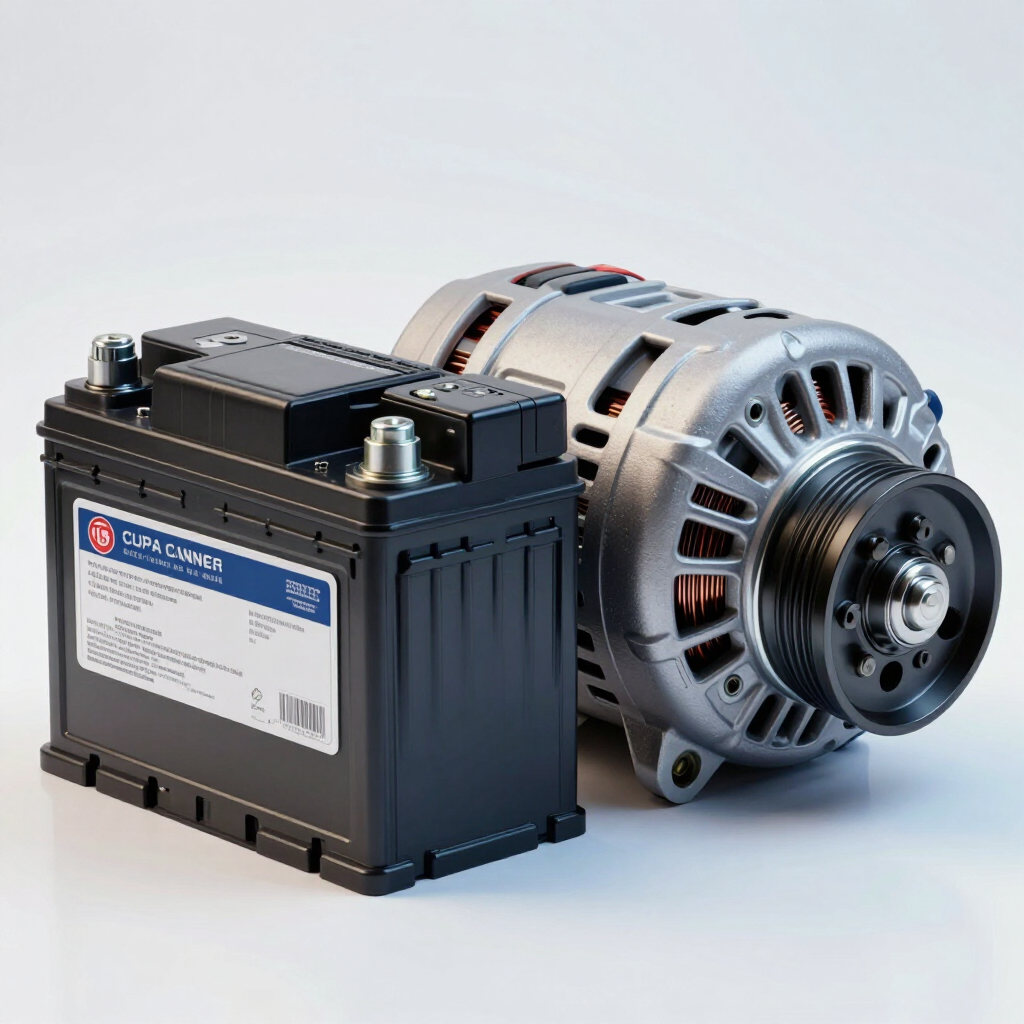
Common causes include a weak battery, loose or corroded battery connections, a failing starter, alternator or charging-system problems, a faulty ignition switch, starter relay problems, electrical issues, or sensors and security systems that intermittently prevent the vehicle from starting.
An intermittent starting problem shouldn't be ignored simply because the vehicle eventually starts. In many cases, a problem that happens occasionally can eventually turn into a complete no-start condition.
At Apex Automotive Care, we diagnose starting and electrical problems for drivers throughout Houston and surrounding communities, including Southwest Houston, Westchase, Bellaire, Meyerland, Stafford, Sugar Land, and Missouri City.
What Does It Mean When a Car Only Starts Sometimes?
When a vehicle starts normally on some occasions but refuses to start on others, the problem may be intermittent.
That means a component or electrical connection may work correctly under certain conditions but fail under others.
For example, a starter may work when the vehicle is cold but fail when it's hot. A battery connection may work most of the time but lose contact because of corrosion or looseness. An aging battery may have enough power to start the car one morning but not after the vehicle has been sitting for several days.
Intermittent problems can be especially challenging because the vehicle may work perfectly by the time you take it to a repair shop.
That's why it's important to describe exactly when and how the starting problem happens.
Why Does My Car Only Start Sometimes?
There are several possible causes of an intermittent starting problem.
1. Weak or Aging Battery
A weak battery is one of the first things to consider when a car starts sometimes but not others.
A battery can gradually lose its ability to provide the power required to start the engine.
You may notice:
- The engine cranks slower than usual
- The vehicle sometimes starts normally
- The vehicle sometimes struggles to start
- The headlights appear dim
- Electronics behave strangely
- You need occasional jump-starts
- The problem is worse after the vehicle sits for a long time
A battery can sometimes appear to work normally while still being near the end of its useful life.
That's why battery testing is more reliable than simply assuming the battery is good because the car started earlier.
2. Loose or Corroded Battery Terminals
Your battery needs a clean, secure electrical connection.
Corrosion or a loose battery terminal can create intermittent electrical resistance.
This can produce a situation where the vehicle starts normally one time and then fails to start later.
Potential symptoms include:
- Intermittent no-start
- Clicking
- Loss of electrical power
- Flickering dashboard lights
- Electrical accessories behaving unexpectedly
- Starting problems that seem to disappear and return
Battery terminals, cables, and ground connections should be inspected when diagnosing an intermittent starting problem.
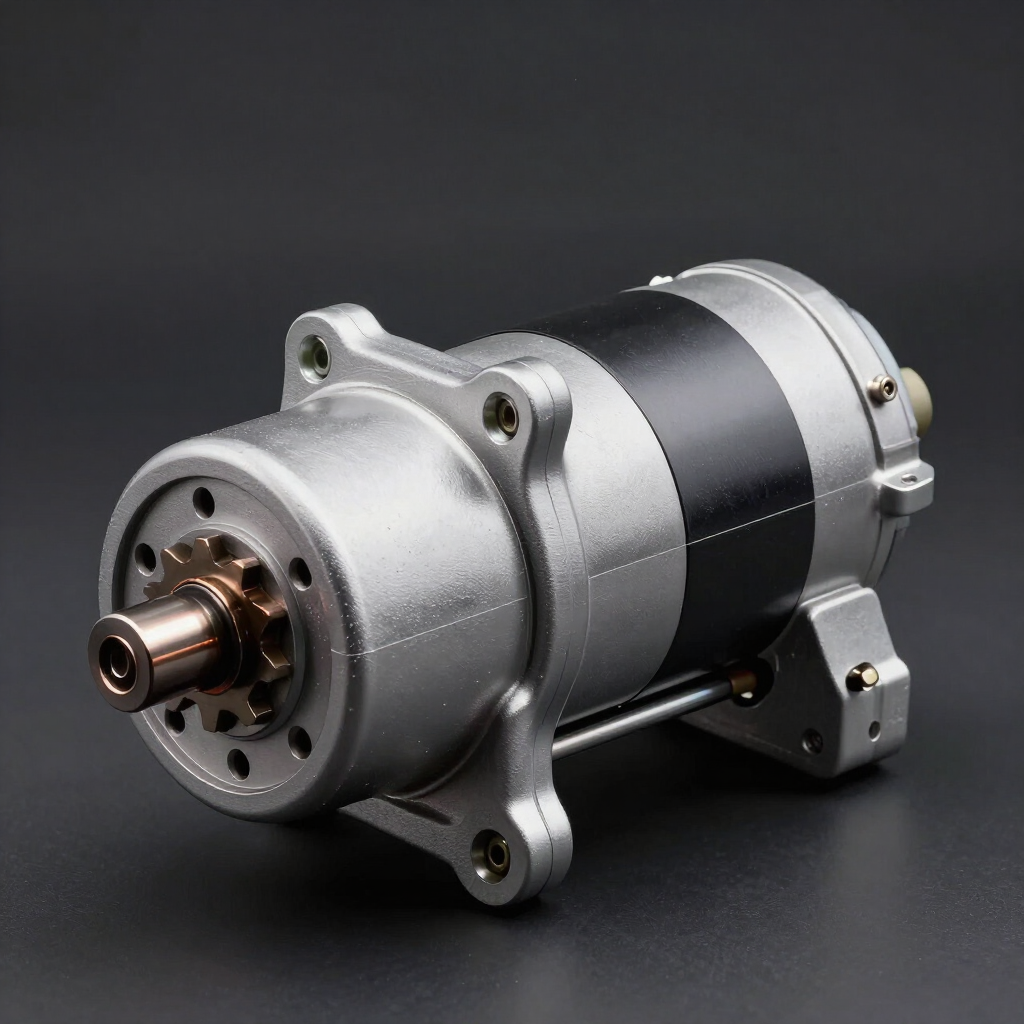
3. Failing Starter Motor
A starter can begin failing intermittently before it stops working completely.
You may turn the key and hear a click, but the engine doesn't crank.
Then, after waiting a few minutes or trying again, the vehicle may suddenly start.
This can happen when internal starter components are worn or when the starter is affected by operating temperature.
Common signs of a possible starter problem include:
- One click when attempting to start
- Intermittent no-start
- No engine cranking
- Starting problems that become more frequent
- The vehicle starts normally after several attempts
If your car has started requiring multiple attempts before the engine cranks, don't assume the problem will resolve itself.
4. Alternator or Charging-System Problem
The alternator helps recharge the battery while the engine is running and supplies electrical power to the vehicle's systems.
If the alternator isn't charging correctly, the battery can gradually become discharged.
This can result in an intermittent starting problem.
You might notice:
- The battery keeps going dead
- The vehicle requires jump-starts
- Headlights become dim
- Electrical accessories malfunction
- A battery or charging warning light appears
- The vehicle starts sometimes but not after sitting
Apex Automotive Care provides alternator repair and service in Houston, including alternator testing and replacement when necessary.
If the battery keeps losing its charge, replacing the battery without checking the charging system may not solve the underlying problem.
5. Bad Starter Relay
The starter relay helps control the electrical power sent to the starter circuit.
If the relay is failing intermittently, the vehicle may start normally at one moment and fail to crank at another.
A relay problem can sometimes be difficult to diagnose because the vehicle may operate normally when the relay happens to function correctly.
Testing the starting circuit can help determine whether the relay or another electrical component is responsible.
6. Ignition Switch Problem
The ignition switch is part of the system that tells the vehicle to power various electrical circuits and start the engine.
An aging or failing ignition switch can cause intermittent starting problems.
Depending on the vehicle, you may notice:
- The vehicle won't respond when turning the key
- Electrical accessories behave inconsistently
- The dashboard doesn't illuminate normally
- The starter doesn't engage
- The vehicle starts after moving or retrying the key
Modern vehicles can have more complicated starting systems, so electrical testing may be necessary.
7. Bad Ground Connection
Electrical systems depend on reliable ground connections.
A loose, damaged, or corroded ground connection can create intermittent electrical problems.
If the ground connection becomes inconsistent, the starter or other electrical components may not receive the electrical path they need.
This can make the vehicle appear to have a battery or starter problem even when those components are functioning correctly.
8. Faulty Crankshaft Position Sensor
The crankshaft position sensor provides important information about engine speed and position to the vehicle's computer.
If the sensor or its circuit is failing intermittently, the vehicle may sometimes start normally and sometimes crank without starting.
Temperature can sometimes affect intermittent electrical or sensor problems.
If your vehicle cranks normally but doesn't start during these episodes, the diagnostic process may need to focus on engine-management systems rather than just the battery and starter.
9. Fuel Delivery Problem
Not every intermittent starting problem is electrical.
If the vehicle cranks normally but sometimes fails to start, fuel delivery may need to be investigated.
Possible causes can include:
- Fuel pump problems
- Fuel pressure issues
- Fuel injector problems
- Electrical problems affecting the fuel system
- Fuel-system control issues
If the vehicle cranks normally but doesn't start, it is important to distinguish a crank-no-start condition from a no-crank condition.
10. Anti-Theft or Immobilizer System
Modern vehicles may use an immobilizer or anti-theft system to prevent unauthorized starting.
If the system doesn't recognize the key correctly or experiences a fault, the vehicle may sometimes fail to start.
You may notice a security warning light or message on the dashboard.
If the starting problem occurs while a security indicator is illuminated, the vehicle's anti-theft system may need to be investigated.
11. Electrical Wiring or Connection Problem
Intermittent electrical problems can be especially difficult to identify.
A damaged wire, loose connector, corroded terminal, or poor electrical connection can work correctly most of the time and then fail under certain conditions.
Temperature, vibration, moisture, or movement can sometimes affect an electrical connection.
This is one reason a vehicle that starts most of the time can still require thorough electrical diagnosis.
Why Does My Car Start Sometimes but Not After Sitting?
If your car starts normally after driving but struggles to start after sitting overnight or for several hours, pay attention to the pattern.
Possible causes can include:
- Weak battery
- Battery drain
- Charging-system problem
- Fuel-pressure issue
- Electrical problem
- Aging starter
- Other intermittent faults
If the vehicle repeatedly has difficulty starting after sitting, don't simply rely on jump-starting it.
The battery and charging system should be tested, and the vehicle should be evaluated for potential electrical or starting-system problems.
Why Does My Car Start Sometimes but Not When It's Hot?
If your vehicle starts normally when cold but struggles after driving for a while, heat may be affecting a component.
A failing starter, sensor, electrical connection, or other component can sometimes behave differently at higher operating temperatures.
Pay attention to whether the problem occurs:
- After a long drive
- After sitting in traffic
- After stopping for a short period
- Only when the engine is hot
- Only after the vehicle has been driven for a certain amount of time
These details can help a technician reproduce the problem.
Why Does My Car Start Sometimes but Not Others in the Morning?
If your car has trouble starting primarily in the morning, the battery should be one of the systems considered.
An aging battery may struggle after sitting overnight, particularly if it isn't being fully recharged.
However, a morning no-start can also be caused by other problems.
If the issue continues, the battery, charging system, starting system, and electrical system should be properly evaluated.
Why Does My Car Start After I Wait a Few Minutes?
If your vehicle won't start immediately but starts after sitting for several minutes, that can be an important clue.
Depending on whether the engine was cranking or not, possible causes can include a starter problem, electrical issue, sensor problem, fuel-delivery issue, or another intermittent fault.
The exact cause cannot be determined from the symptom alone.
The more specific information you can provide about what happens during the no-start event, the easier it may be to reproduce and diagnose the problem.
Why Does My Car Start After I Try Several Times?
If repeatedly turning the key or pressing the start button eventually gets the vehicle started, don't assume the problem is fixed.
Repeated attempts can sometimes temporarily change the position or electrical contact of a component.
For example, an intermittent starter, ignition switch, relay, or electrical connection may behave differently after several attempts.
If the problem is becoming more frequent, have it diagnosed before the vehicle eventually refuses to start completely.
What If My Car Clicks Sometimes but Starts Other Times?
Clicking during some starting attempts but not others can point toward an intermittent starting-system problem.
Possible causes include:
- Weak battery
- Loose battery connection
- Corroded terminals
- Failing starter
- Starter relay problem
- Electrical connection issue
The type of clicking matters.
Rapid clicking can be associated with low battery voltage, while a single click may occur with certain starter or starting-circuit problems.
However, the sound alone cannot confirm the failed component.
How Is an Intermittent Starting Problem Diagnosed?
Intermittent starting problems require careful diagnosis because the vehicle may start normally when you bring it to the shop.
Step 1: Determine Whether the Engine Cranks
The first question is whether the engine actually turns over.
If it doesn't crank, the starting system becomes a primary area of investigation.
If it cranks normally but doesn't start, fuel, ignition, sensors, timing, and engine-management systems may need to be evaluated.
Step 2: Test the Battery
The battery should be tested to determine whether it has adequate voltage and starting capacity.
A battery that occasionally works isn't necessarily a healthy battery.
Step 3: Inspect Battery Cables and Connections
Battery terminals, cables, grounds, and related connections can be inspected for corrosion, looseness, damage, and excessive resistance.
Step 4: Test the Starter and Starting Circuit
If the battery and connections are good, the starter and starting circuit may need to be tested.
This can include checking voltage and control signals during an actual starting attempt.
Step 5: Test the Charging System
If the battery keeps becoming discharged, the alternator and charging system should be evaluated.
Apex Automotive Care's alternator service includes testing to determine the condition of the charging system.
Step 6: Check for Diagnostic Trouble Codes
If the vehicle cranks but doesn't start, diagnostic trouble codes may provide useful information about sensors, ignition, fuel, or other engine-management systems.
Step 7: Look for Patterns
The technician may need to determine whether the problem happens:
- When the engine is cold
- When the engine is hot
- After sitting overnight
- After driving
- During rainy weather
- After the vehicle has been parked for several hours
- With a particular key
- At random
The pattern can be an important part of diagnosing an intermittent problem.
Why You Shouldn't Ignore an Intermittent Starting Problem
One of the biggest mistakes drivers make is waiting because "it starts most of the time."
A vehicle that starts nine times out of ten can still leave you stranded on the tenth attempt.
Intermittent electrical and starting problems can become more frequent as components continue to wear.
Getting the problem diagnosed while you can still reproduce the symptoms may be easier than waiting until the vehicle stops starting completely.
What Should I Do If My Car Only Starts Sometimes?
If your car only starts sometimes, keep track of what happens when it fails.
Try to remember:
- Does the engine crank?
- Do you hear clicking?
- Are the dashboard lights normal?
- Does a jump-start make it work?
- Does it happen when the engine is hot or cold?
- Does waiting a few minutes make a difference?
- Has the battery recently been replaced?
- Has the vehicle recently needed a jump-start?
- Are any warning or security lights illuminated?
This information can help a technician narrow down the possible causes.
Intermittent Starting Problems in Westchase
If you're in Westchase and your vehicle only starts sometimes, don't wait until the problem becomes a complete no-start condition.
Apex Automotive Care can help evaluate the battery, starting system, charging system, and related electrical components.
Intermittent Starting Problems in Bellaire
For drivers in Bellaire, an intermittent starting problem can quickly become inconvenient if it happens before work, during a commute, or when you're trying to leave home.
Proper testing can help determine whether the issue is related to the battery, starter, alternator, electrical connections, or another system.
Intermittent Starting Problems in Meyerland
If your vehicle in Meyerland sometimes starts normally and other times refuses to start, pay attention to the circumstances surrounding the failure.
Whether the engine is hot, cold, cranking, clicking, or completely silent can provide important diagnostic clues.
Intermittent Starting Problems in Stafford
Drivers commuting from Stafford rely on their vehicles to start reliably.
If you've already experienced several intermittent no-start situations, getting the problem checked can help prevent an unexpected breakdown.
Intermittent Starting Problems in Sugar Land
If you're in Sugar Land and your vehicle only starts sometimes, don't assume that successfully starting it after several attempts means everything is fine.
Intermittent problems can become more frequent over time.
Intermittent Starting Problems in Missouri City
Drivers in Missouri City experiencing an occasional no-start condition can benefit from having the starting and electrical systems tested.
A proper diagnosis can help identify the actual source rather than simply replacing the battery or starter without confirmation.
Intermittent Starting Problems in Southwest Houston
Apex Automotive Care serves drivers throughout Southwest Houston and surrounding communities.
Our shop is located at:
7050 Southwest Freeway
Houston, TX 77074
We can help diagnose intermittent starting problems, battery concerns, starter issues, charging-system problems, and other automotive electrical concerns.
Frequently Asked Questions About a Car That Only Starts Sometimes
Why does my car only start sometimes?
An intermittent starting problem can be caused by a weak battery, poor electrical connection, failing starter, alternator problem, starter relay, ignition switch, sensor, fuel-delivery problem, or another electrical or mechanical issue.
Why does my car start sometimes but not others?
The problem may be caused by a component that is failing intermittently. Temperature, vibration, battery condition, electrical connections, and component wear can all affect whether the vehicle starts.
Can a bad battery cause intermittent starting?
Yes. An aging or weak battery may have enough power to start the vehicle under some conditions but not others.
Can a bad alternator cause intermittent starting problems?
Yes. If the alternator isn't properly recharging the battery, the vehicle may start normally at times and then fail to start after the battery becomes discharged.
Can a bad starter cause a car to start sometimes?
Yes. Starters can fail intermittently before eventually failing completely.
Why does my car start after waiting a few minutes?
Waiting may allow an intermittent component to temporarily function again. Depending on whether the engine was cranking, possible causes can involve the starter, electrical system, sensors, fuel delivery, or another component.
Why does my car only have trouble starting when it's hot?
Heat can affect certain electrical components, starters, sensors, and connections. A temperature-related pattern can be an important diagnostic clue.
Why does my car only have trouble starting in the morning?
An overnight starting problem can involve the battery, charging system, electrical drain, fuel delivery, or other systems. Battery testing and further diagnosis may be necessary.
Should I replace my battery if my car only starts sometimes?
Not necessarily. The battery could be the problem, but a starter, alternator, cable, relay, ignition switch, or another component could also be responsible. Testing should be performed before replacing parts.
Can intermittent starting problems get worse?
Yes. A component that is failing intermittently may eventually fail completely. Getting the problem diagnosed early can help prevent an unexpected no-start situation.
Where can I get an intermittent starting problem diagnosed in Houston?
Apex Automotive Care provides automotive diagnostics and repair at 7050 Southwest Freeway, Houston, TX 77074. We serve drivers throughout Houston, Southwest Houston, Westchase, Bellaire, Meyerland, Stafford, Sugar Land, and Missouri City.
Don't Ignore a Car That Only Starts Sometimes
If your car only starts sometimes, don't wait until the day it refuses to start completely.
An intermittent starting problem can be caused by something as simple as a weak battery or poor connection, but it can also involve the starter, alternator, electrical system, ignition switch, sensors, fuel system, or another component.
The best approach is to diagnose the problem before you're left stranded.
At Apex Automotive Care, we can help identify the cause of intermittent starting problems and determine what your vehicle actually needs.
Apex Automotive Care
📍
7050 Southwest Freeway, Houston, TX 77074