Why Does My Car Crank but Not Start? Causes & Solutions
If your car cranks but won't start, it means the starter is turning the engine over, but the engine isn't actually beginning to run.
This is different from a vehicle that clicks but doesn't crank. When your car cranks normally but won't start, the problem is often related to fuel delivery, ignition, air intake, engine timing, sensors, or another engine-management system.
So, why does my car crank but not start?
Some of the most common causes include a weak fuel supply, faulty spark plugs or ignition coils, a bad crankshaft or camshaft position sensor, fuel injector problems, a restricted air supply, engine timing problems, or an issue with the vehicle's anti-theft system.
Finding the exact cause requires proper diagnosis rather than simply replacing parts and hoping the vehicle starts.
At Apex Automotive Care, we diagnose no-start and engine performance problems for drivers throughout Houston and surrounding communities, including Southwest Houston, Westchase, Bellaire, Meyerland, Stafford, Sugar Land, and Missouri City.
What Does It Mean When a Car Cranks but Won't Start?
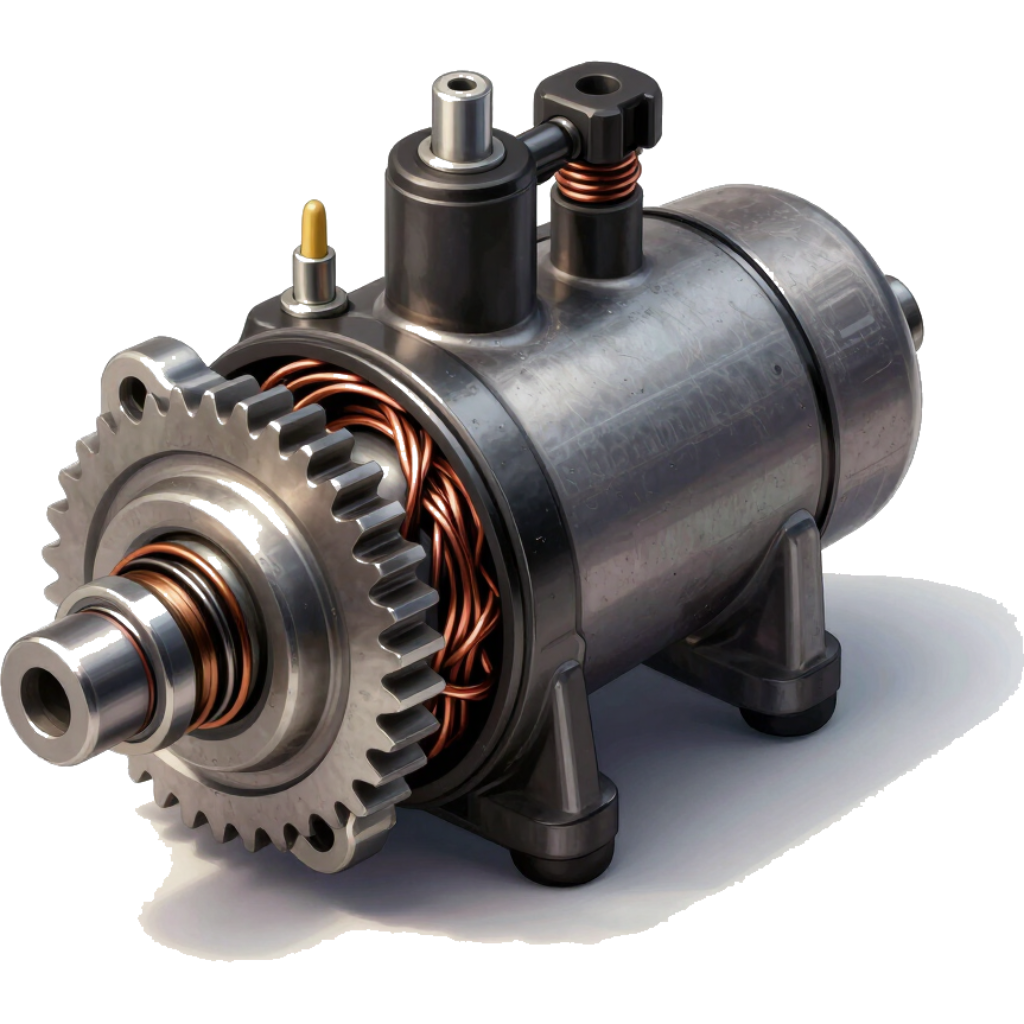
When you turn the key or press the start button, the starter motor turns the engine.
Normally, the engine should then begin the combustion process and continue running on its own.
If you hear the engine turning over normally but it never actually starts, the starting system is doing at least part of its job.
The problem is likely somewhere in the systems required to make the engine run.
An engine generally needs several things to operate:
- Fuel
- Air
- Ignition
- Compression
- Correct engine timing
- Proper electronic control
If one of these is missing or isn't functioning correctly, the engine may crank without starting.
Why Does My Car Crank but Not Start?
There are several possible causes of a crank-no-start condition. The right diagnosis depends on the vehicle's symptoms and test results.
1. Fuel Pump Problem
Your engine needs a consistent supply of fuel to start and run.
If the fuel pump isn't operating properly, the engine may crank normally but fail to start because the required fuel pressure isn't available.
A fuel pump problem may also cause:
- Engine hesitation
- Stalling
- Loss of power
- Difficulty starting
- Intermittent no-start conditions
- A whining noise from the fuel tank area
If the vehicle suddenly stops running and then cranks without starting, the fuel system should be evaluated.
2. Low or Incorrect Fuel Pressure
Even if the fuel pump is running, the engine may not receive the correct fuel pressure.
A problem with the fuel pressure system can prevent the engine from starting properly.
The fuel system may need to be tested to determine whether adequate pressure is reaching the engine.
Simply hearing the fuel pump run does not necessarily confirm that the entire fuel system is operating correctly.
3. Faulty Spark Plugs
Your engine needs an ignition source to burn the air-fuel mixture.
Spark plugs create the spark required for combustion.
If the spark plugs are worn, damaged, fouled, or otherwise unable to produce the necessary spark, the engine may crank without starting.
Spark plug problems can also cause:
- Rough running
- Misfires
- Poor acceleration
- Reduced fuel economy
- Difficulty starting
A vehicle that has been experiencing performance problems before the no-start condition may require a more detailed ignition-system inspection.
4. Bad Ignition Coil
Ignition coils provide the electrical energy needed to create a spark at the spark plugs.
A failed ignition coil can prevent one or more cylinders from firing properly.
Depending on the vehicle, an ignition problem can result in misfires, rough running, stalling, or a crank-no-start condition.
If the engine cranks normally but doesn't start, the ignition system should be checked rather than automatically replacing the spark plugs.
5. Failed Crankshaft Position Sensor
The crankshaft position sensor provides important information about engine position and speed to the vehicle's computer.
If the sensor fails or its signal is missing, the engine computer may not know when to control ignition and fuel injection properly.
As a result, the vehicle may crank but not start.
A faulty crankshaft position sensor can sometimes cause intermittent starting problems before becoming a complete no-start condition.
6. Bad Camshaft Position Sensor
The camshaft position sensor also provides information about engine position.
The vehicle's computer uses this information to coordinate engine operation.
A problem with the camshaft position sensor or its circuit can contribute to starting difficulties, poor engine performance, or stalling.
Because sensor problems can sometimes produce symptoms similar to other engine problems, diagnostic testing is important.
7. Fuel Injector Problem
Fuel injectors deliver fuel into the engine according to the commands from the vehicle's engine-management system.
A clogged, restricted, leaking, or malfunctioning injector can interfere with the air-fuel mixture.
Depending on the problem, the engine may run poorly, misfire, stall, or fail to start.
8. Engine Timing Problem
The engine's valves, pistons, fuel delivery, and ignition must operate in the correct sequence.
If engine timing becomes incorrect because of a timing-related mechanical problem, the engine may crank without starting.
Timing problems can sometimes be accompanied by:
- Unusual engine noises
- Sudden loss of power
- Stalling
- Rough running
- Difficulty starting
- A crank-no-start condition
If the vehicle suddenly stopped running and now cranks unusually or won't start, mechanical timing may need to be investigated.
9. Weak or Discharged Battery
A weak battery is more commonly associated with slow cranking or clicking, but battery condition still matters when diagnosing a no-start problem.
If the battery doesn't provide adequate voltage during cranking, the vehicle's electronic systems may not operate correctly.
If the engine is cranking very slowly, the battery and starting system should be tested.
If the engine is cranking at a normal speed, however, the diagnosis should also move toward fuel, ignition, sensors, and other engine-management systems.
10. Anti-Theft or Immobilizer System Problem
Modern vehicles often use electronic security systems that can prevent the engine from starting if the vehicle doesn't recognize the key or detects a security-system problem.
You may notice a security or immobilizer warning light on the dashboard.
Depending on the vehicle, symptoms can include a normal crank with no start or an intermittent starting problem.
If the security light is behaving differently than usual, the anti-theft system should be considered during diagnosis.
11. Restricted Air Intake
An engine needs the correct amount of air to operate.
A severely restricted intake system can interfere with engine operation.
Air filters and intake components should be inspected if other symptoms indicate an airflow problem.
However, a completely normal-looking air filter doesn't rule out other airflow or engine-management issues.
12. Engine Compression Problem
Combustion requires adequate compression inside the cylinders.
Internal engine problems can reduce compression and prevent the engine from starting.
Potential mechanical problems can involve valves, pistons, cylinder components, or other internal engine parts.
Compression testing can help determine whether an internal mechanical problem is contributing to the no-start condition.
Does the Engine Crank Fast or Slow?
One of the first things to pay attention to is how the engine sounds while cranking.
Slow Cranking
If the engine turns over slowly, possible causes can include:
- Weak battery
- Poor battery connection
- Damaged battery cable
- Starter problem
- Excessive electrical resistance
A slow crank is different from a normal-speed crank with no start.
Normal-Speed Cranking
If the engine sounds like it is cranking at its normal speed but simply won't start, the diagnostic focus may shift toward:
- Fuel
- Spark
- Engine timing
- Sensors
- Airflow
- Compression
- Engine computer controls
- Anti-theft systems
Paying attention to the cranking speed can help provide an important diagnostic clue.
Why Does My Car Crank but Not Start After Getting Gas?
If your vehicle starts having problems immediately after refueling, several possibilities may need to be considered.
Depending on the symptoms and vehicle, the issue could involve fuel delivery, fuel quality, an evaporative-emissions problem, or another system.
If the vehicle was completely empty before refueling, it may also take some time for the fuel system to restore proper pressure.
A persistent crank-no-start condition after refueling should be professionally diagnosed rather than assuming the fuel itself is the problem.
Why Does My Car Crank but Not Start When It's Cold?
Cold-start problems can have different causes than a vehicle that won't start under all conditions.
Temperature can affect battery performance, fuel delivery, sensors, ignition, and other systems.
If the vehicle starts normally when warm but struggles or fails to start when cold, tell the technician exactly when the problem occurs.
Intermittent symptoms can provide valuable diagnostic information.
Why Does My Car Crank but Not Start When It's Hot?
If the vehicle starts normally when cold but won't restart after driving and reaching operating temperature, the problem may be temperature-dependent.
Certain electrical components, sensors, fuel-system components, and ignition components can behave differently as temperatures change.
A detailed diagnosis may be necessary to reproduce the problem and identify the affected system.
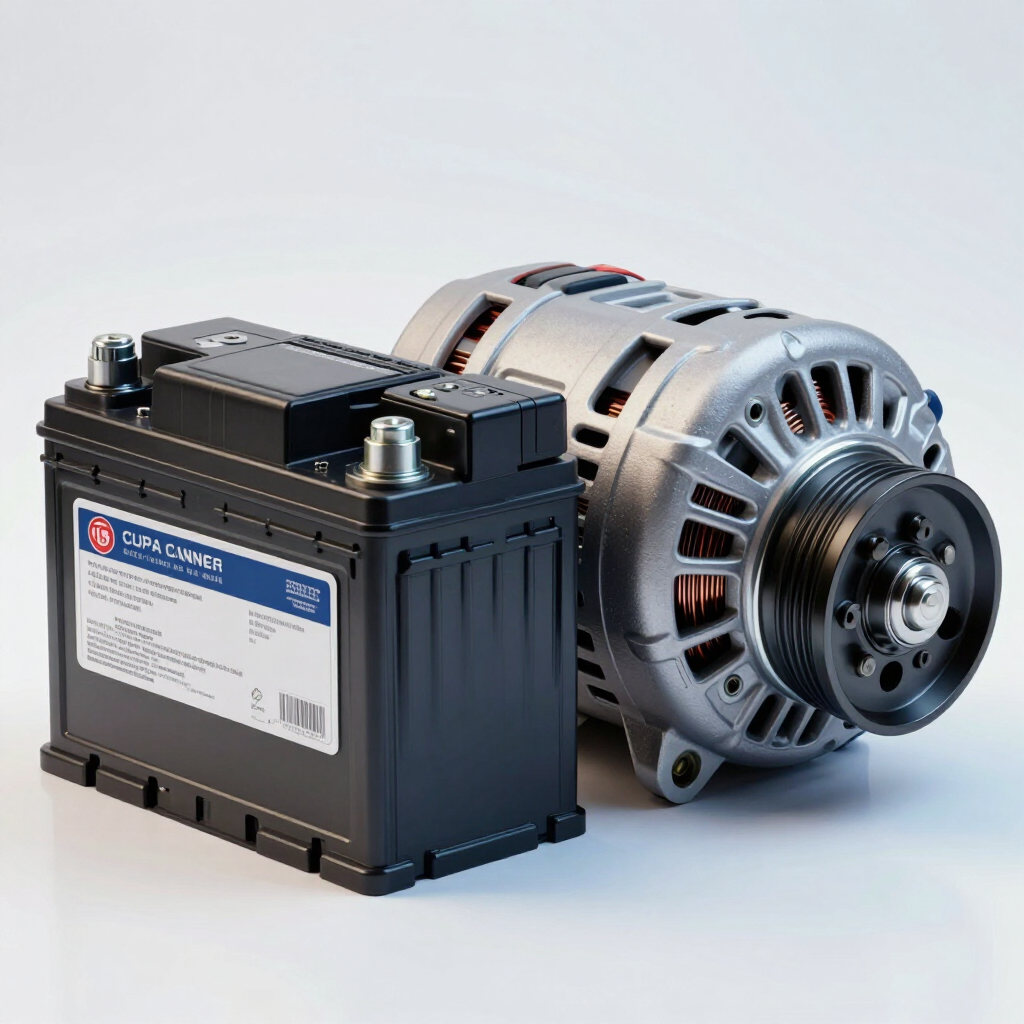
Can a Bad Alternator Cause a Car to Crank but Not Start?
An alternator generally doesn't directly provide the spark or fuel needed to start the engine.
However, a charging-system problem can leave the battery discharged.
If the battery doesn't have enough power available, the vehicle may crank slowly or eventually fail to start.
If your vehicle repeatedly needs jump-starts or the battery keeps going dead, the charging system should be checked.
Apex Automotive Care provides alternator repair and service in Houston.
How Is a Crank-No-Start Problem Diagnosed?
A crank-no-start condition can have many possible causes, which is why replacing parts based on guesses can become expensive.
A proper diagnostic process may include the following.
Step 1: Verify the Cranking Condition
The technician first determines whether the engine is actually cranking and whether it is turning at an appropriate speed.
This helps distinguish a crank-no-start problem from a no-crank problem.
Step 2: Check for Diagnostic Trouble Codes
The vehicle's computer may have stored diagnostic trouble codes that provide useful information.
However, a trouble code doesn't always identify the exact failed component.
For example, a misfire code indicates that a misfire was detected but may require additional testing to determine what caused it.
Step 3: Check for Spark
The ignition system can be evaluated to determine whether the engine is receiving the necessary ignition signal.
This can help narrow down whether the problem is related to spark plugs, ignition coils, wiring, sensors, or another component.
Step 4: Check Fuel Delivery
Fuel pressure and other fuel-system components may need to be tested.
This helps determine whether the engine is receiving the fuel it needs to start.
Step 5: Check Engine Timing
If fuel and ignition systems appear to be functioning correctly, engine timing may need to be investigated.
Mechanical timing and electronic timing signals can both be important.
Step 6: Check Compression
If necessary, compression testing can help determine whether an internal mechanical engine problem is preventing combustion.
Step 7: Evaluate Sensors and Electrical Signals
Modern engines depend on numerous sensors and electronic controls.
A technician may need to test sensor signals, wiring, power supplies, grounds, and other circuits to identify the source of the problem.
Why Proper Diagnosis Matters When Your Car Won't Start
A crank-no-start condition doesn't automatically mean you need a new fuel pump, battery, starter, or ignition coil.
Several different problems can create similar symptoms.
Replacing parts without identifying the cause can lead to unnecessary expenses and may not solve the starting problem.
Professional diagnosis focuses on determining what the engine is missing and why.
What Should I Do If My Car Cranks but Won't Start?
If your car cranks but doesn't start, consider the following:
- Don't repeatedly crank the engine for long periods.
- Pay attention to whether the engine is cranking normally or slowly.
- Check whether any warning or security lights are illuminated.
- Think about when the problem started.
- Note whether the vehicle recently stalled, overheated, or experienced performance problems.
- Have the vehicle professionally diagnosed if it continues not to start.
If the vehicle is stranded in an unsafe location, prioritize your safety and arrange appropriate roadside assistance or vehicle transport.
Crank-No-Start Auto Repair in Westchase
If you're in Westchase and your car cranks but won't start, Apex Automotive Care can help diagnose the underlying problem.
Whether the issue involves fuel delivery, ignition, sensors, electrical systems, or engine timing, proper testing can help determine the appropriate repair.
Crank-No-Start Auto Repair in Bellaire
Drivers in Bellaire experiencing a crank-no-start condition shouldn't assume the problem is automatically the battery.
If the engine is turning over normally, fuel, spark, sensors, timing, and other engine-management systems may need to be evaluated.
Crank-No-Start Auto Repair in Meyerland
For drivers in Meyerland, a vehicle that suddenly cranks without starting can disrupt your commute or daily routine.
A proper diagnostic inspection can help identify the source of the problem instead of relying on guesswork.
Crank-No-Start Auto Repair in Stafford
If you commute from Stafford and your vehicle is cranking but won't start, getting the problem diagnosed can help prevent repeated no-start situations.
If the vehicle has recently been stalling, hesitating, or running poorly, be sure to mention those symptoms during the inspection.
Crank-No-Start Auto Repair in Sugar Land
Drivers in Sugar Land may experience a crank-no-start condition for many different reasons.
Apex Automotive Care can evaluate the vehicle's starting and engine-management systems to help determine why the engine isn't starting.
Crank-No-Start Auto Repair in Missouri City
If your vehicle in Missouri City cranks normally but won't start, don't immediately begin replacing components.
A diagnostic inspection can help determine whether the issue involves fuel, ignition, sensors, timing, compression, or another system.
Crank-No-Start Auto Repair in Southwest Houston
Apex Automotive Care serves drivers throughout Southwest Houston and surrounding communities.
Our shop is located at:
7050 Southwest Freeway
Houston, TX 77074
We can help diagnose engine performance problems, starting problems, warning lights, and other automotive concerns.
Frequently Asked Questions About a Car That Cranks but Won't Start
Why does my car crank but not start?
A car can crank without starting when there is a problem with fuel delivery, ignition, airflow, engine timing, sensors, compression, or another engine-management system.
What is the difference between cranking and starting?
Cranking means the starter is turning the engine. Starting means the engine has begun running on its own.
If your vehicle cranks but doesn't start, the starter is turning the engine, but combustion isn't successfully continuing.
Can a bad battery cause my car to crank but not start?
A weak battery can cause slow cranking and may prevent the vehicle from starting if voltage drops too low. If the engine is cranking at normal speed, other systems should also be investigated.
Can a bad fuel pump cause a crank-no-start?
Yes. If the fuel pump isn't providing adequate fuel pressure, the engine may crank normally but fail to start.
Can bad spark plugs cause a car to crank but not start?
Yes. If the engine isn't receiving the necessary spark, it may crank normally without starting.
Can a bad crankshaft sensor cause a no-start?
Yes. A failed crankshaft position sensor or related circuit problem can interfere with the engine computer's ability to properly control ignition and fuel injection.
Why does my car crank but not start after sitting overnight?
Cold-start problems can involve the battery, fuel system, ignition, sensors, or other components. The exact cause depends on the vehicle and symptoms.
Why does my car crank but not start when hot?
A temperature-dependent starting problem can involve electrical components, sensors, ignition, fuel delivery, or other systems. Diagnosis may be necessary to reproduce the condition.
Should I keep trying to start a car that won't start?
Avoid repeatedly cranking the vehicle for long periods. Multiple attempts can further drain the battery and may not provide useful information. If the vehicle continues to crank without starting, have it diagnosed.
Where can I get a crank-no-start problem diagnosed in Houston?
Apex Automotive Care provides automotive diagnostic and repair services at 7050 Southwest Freeway, Houston, TX 77074, serving Houston and surrounding communities including Southwest Houston, Westchase, Bellaire, Meyerland, Stafford, Sugar Land, and Missouri City.
Don't Ignore a Car That Cranks but Won't Start
When your car cranks but won't start, the problem can range from a fuel or ignition issue to a sensor, timing, electrical, or mechanical problem.
The important thing is to identify what the engine is missing instead of replacing parts based on assumptions.
At Apex Automotive Care, we can help diagnose crank-no-start conditions and determine what your vehicle needs to get back on the road.
📍 7050 Southwest Freeway, Houston, TX 77074