How Often Should I Have My Alignment Checked? | Houston Wheel Alignment
Your vehicle's wheel alignment can affect tire wear, steering, handling, and how confidently your car tracks down the road.
But unlike an oil change, wheel alignment doesn't necessarily have one universal mileage interval that applies to every vehicle.
So, how often should you have your alignment checked?
A practical approach is to have your wheel alignment checked periodically—often around once a year—and any time you notice symptoms such as pulling, an off-center steering wheel, uneven tire wear, or changes in handling. You should also consider an alignment check after a significant pothole or curb impact, after certain suspension or steering repairs, or when installing new tires if there are signs of alignment-related wear.
The correct interval can vary depending on your vehicle, tire condition, driving habits, road conditions, and manufacturer recommendations.
For Houston-area drivers, rough pavement, potholes, construction zones, and everyday commuting can make alignment inspections particularly useful.
At Apex Automotive Care, we provide automotive repair and maintenance for drivers throughout Houston, Southwest Houston, Westchase, Bellaire, Meyerland, Stafford, Sugar Land, and Missouri City.
What Is a Wheel Alignment?
A wheel alignment involves measuring and adjusting specific suspension angles so the wheels are positioned according to the vehicle manufacturer's specifications.
The three alignment angles you will commonly hear about are:
Camber
Camber describes the inward or outward tilt of the wheel when viewed from the front of the vehicle.
Too much positive or negative camber can contribute to uneven tire wear.
Toe
Toe describes whether the front edges of the tires point slightly toward or away from each other when viewed from above.
Incorrect toe can cause rapid tire wear and may affect how the vehicle tracks.
Caster
Caster relates to the angle of the steering axis when viewed from the side.
Caster can influence steering stability, steering feel, and how the steering returns toward center.
Not every angle is adjustable on every vehicle.
The technician first measures the alignment and compares those measurements with the specifications for your specific vehicle.
How Often Should You Get a Wheel Alignment?
There isn't one interval that works for every vehicle.
For many drivers, having the alignment checked approximately once a year can be a reasonable preventive-maintenance approach, especially if the vehicle is driven frequently or regularly encounters rough roads.
However, symptoms and driving conditions matter more than simply waiting for a date on the calendar.
You may need an alignment check sooner if:
- Your car pulls to one side
- Your steering wheel is off-center
- Your tires are wearing unevenly
- You recently hit a large pothole
- You hit a curb
- Your steering has changed
- The vehicle wanders on the highway
- You recently had suspension work performed
- You installed new tires and the old tires showed abnormal wear
If your vehicle tracks straight, the tires are wearing evenly, and no suspension or steering problems are present, an adjustment may not be necessary simply because a certain amount of time has passed.
An alignment check and an alignment adjustment aren't necessarily the same thing.
How Do I Know If My Car Needs an Alignment?
Several symptoms can suggest that your alignment should be checked.
1. Your Car Pulls to One Side
One of the most common complaints associated with alignment is a vehicle that tends to drift or pull toward one side.
You may find yourself constantly applying steering input to keep the vehicle traveling straight.
However, pulling doesn't automatically mean the alignment is incorrect.
Other possible causes include:
- Unequal tire pressure
- Tire problems
- Uneven tire wear
- Brake problems
- Worn suspension components
- Worn steering components
- Road crown
That's why the vehicle should be inspected rather than automatically aligned based on the symptom alone.
For a deeper explanation, read:
What Causes Your Car to Pull to One Side While Driving?
2. Your Steering Wheel Is Off-Center
When you're driving straight on a relatively level road, your steering wheel should generally appear centered.
If you have to hold the steering wheel noticeably left or right to keep the vehicle traveling straight, the alignment may need to be checked.
An off-center steering wheel can also occur after:
- Suspension repairs
- Steering repairs
- Road impacts
- Alignment changes
Have the vehicle evaluated if the steering wheel position has noticeably changed.
3. Your Tires Are Wearing Unevenly
Tire wear can reveal a lot about your vehicle.
Alignment problems can contribute to wear on:
- Inside edges
- Outside edges
- Specific portions of the tread
However, alignment isn't the only cause.
Uneven tire wear can also result from:
- Incorrect tire pressure
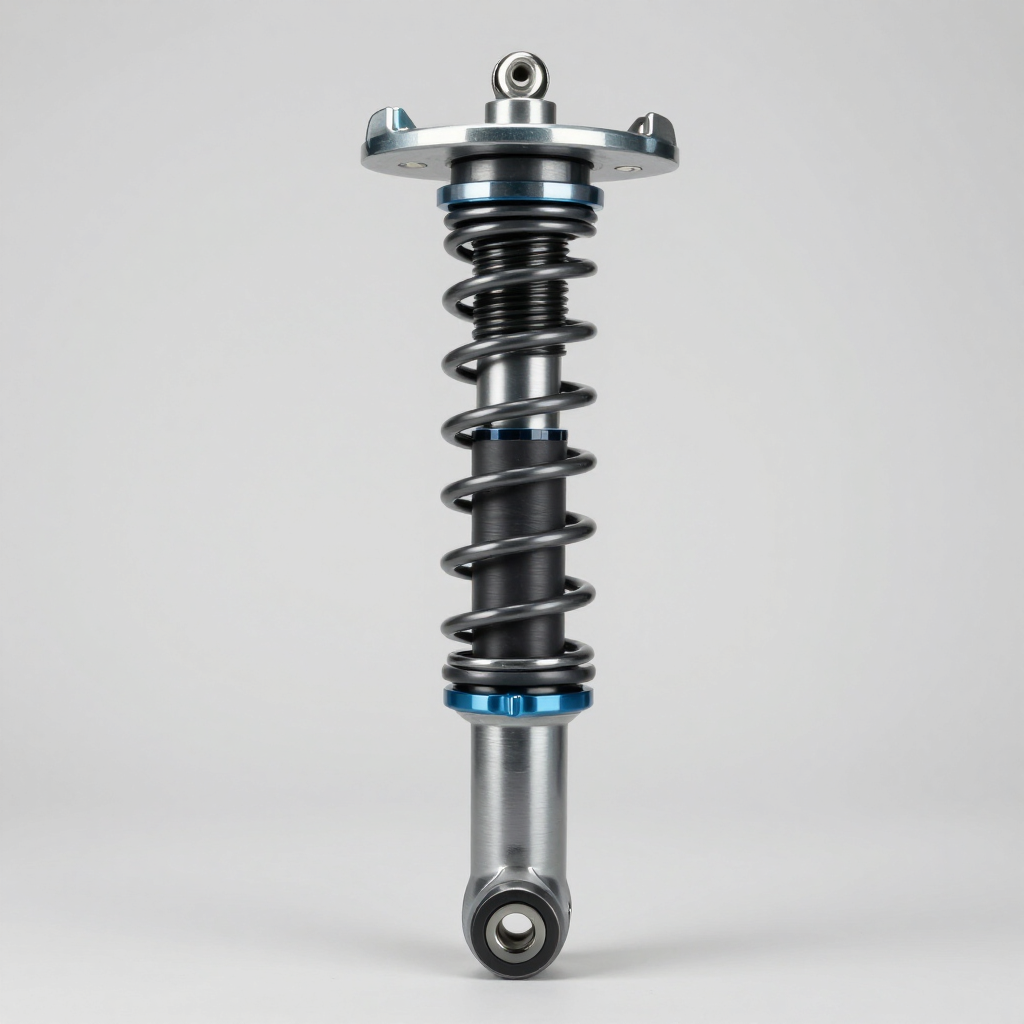
- Worn shocks or struts
- Suspension problems
- Tire problems
- Lack of tire rotation
- Driving conditions
If you notice abnormal tread wear, don't simply replace the tires and assume the problem is solved.
Find out why the tires wore unevenly.
4. Your Car Wanders on the Highway
A vehicle that doesn't feel stable at highway speeds should be inspected.
You might describe the car as:
- Wandering
- Floating
- Loose
- Unstable
- Difficult to keep straight
Alignment may be involved, but tires, shocks, struts, steering components, suspension components, and wheel problems can create similar symptoms.
If your vehicle also vibrates at highway speeds, read:
Car Shaking at Highway Speeds? Houston Auto Repair
5. Your Steering Feels Different
Changes in steering feel can be another reason to inspect the vehicle.
You may notice:
- Steering feels unusually loose
- Vehicle doesn't track normally
- Steering response feels different
- Car requires constant corrections
- Steering doesn't return toward center normally
Alignment is one possibility, but worn steering or suspension components should also be considered.
Should I Get My Alignment Checked Once a Year?
For many drivers, an annual alignment check can be a useful way to monitor alignment and tire wear.
But don't treat once a year as a rigid rule.
Some vehicles may need attention sooner because of:
- Rough roads
- Pothole impacts
- High annual mileage
- Suspension wear
- Steering repairs
- Tire-wear problems
Other vehicles may remain within specification longer.
The better approach is to combine periodic checks with attention to symptoms.
How Many Miles Between Wheel Alignments?
There isn't one mileage interval that applies to every car.
You may see general recommendations based on mileage, but alignment condition depends heavily on how and where the vehicle is driven.
A vehicle driven primarily on smooth roads may have very different needs from one regularly driven through potholes and construction areas.
Rather than relying only on mileage, monitor:
- Tire wear
- Steering-wheel position
- Pulling
- Handling
- Suspension condition
And check the manufacturer's maintenance information for your specific vehicle.
Should I Get an Alignment After Hitting a Pothole?
A significant pothole impact can affect more than your alignment.
It can potentially damage:
- Tires
- Wheels
- Steering components
- Suspension components
If you hit a large pothole and afterward notice pulling, vibration, an off-center steering wheel, unusual tire wear, or a change in handling, have the vehicle inspected.
An alignment machine can measure wheel angles, but an alignment shouldn't be used to hide a damaged suspension or steering component.
Any damaged or excessively worn parts may need to be corrected first.
Do I Need an Alignment After Hitting a Curb?
If the impact was significant, an alignment check can be appropriate.
Watch for:
- Steering wheel suddenly off-center
- Vehicle pulling
- Vibration
- New tire noise
- Visible wheel damage
- Tire damage
- Changes in handling
A curb impact can potentially affect tires, wheels, steering, and suspension—not only alignment.
Have those components inspected if the impact was substantial.
Should I Get an Alignment When I Buy New Tires?
An alignment check can be especially useful when installing new tires if the old tires showed signs of uneven wear.
New tires can be a significant investment.
If an alignment or suspension problem contributed to the previous tires wearing abnormally, installing new tires without addressing the underlying issue may allow the same wear pattern to develop again.
Consider checking alignment when replacing tires if:
- Old tires wore unevenly
- Vehicle pulls
- Steering wheel is off-center
- Suspension repairs were recently performed
- You haven't had the alignment checked in a long time
New tires don't automatically mean an alignment adjustment is required, but it can be a good time to evaluate the vehicle.
Should I Get an Alignment After Replacing Shocks or Struts?
It depends on the vehicle and the suspension work performed.
Certain suspension repairs can affect wheel alignment.
Strut replacement, for example, may alter suspension geometry on some vehicles.
If you've recently replaced shocks, struts, control arms, tie rods, ball joints, or other suspension and steering components, an alignment may be recommended afterward.
If you're experiencing suspension symptoms, read:
How Do I Know If My Shocks or Struts Are Bad?
Can Bad Shocks or Struts Affect Alignment?
Worn suspension components can affect vehicle handling and wheel positioning.
Components that may contribute to alignment-related problems include:
- Ball joints
- Control arms
- Control-arm bushings
- Tie rods
- Struts
- Springs
- Wheel bearings
- Other suspension components
This is why a good alignment process isn't simply about adjusting numbers on a machine.
The suspension and steering system must be in suitable condition for the alignment to be meaningful.
Can I Get an Alignment With Worn Suspension Parts?
Sometimes an alignment cannot be properly performed—or won't remain correct—if steering or suspension components have excessive play or damage.
Imagine trying to precisely position a wheel while the components holding that wheel can move beyond their intended range.
The alignment measurements may change as the worn component moves.
That's why worn parts may need to be repaired before completing the alignment.
Will an Alignment Fix My Car Pulling?
It can if incorrect wheel alignment is actually causing the pull.
But alignment isn't the only possible cause.
A vehicle may pull because of:
- Tire pressure differences
- Tire construction or wear
- Brake drag
- Suspension problems
- Steering problems
- Road conditions
If your car pulls, diagnose the cause instead of assuming an alignment will automatically fix it.
Will an Alignment Fix Steering Wheel Vibration?
Usually, steering-wheel vibration shouldn't automatically be diagnosed as an alignment problem.
Vibration can be associated with:
- Tire imbalance
- Damaged tires
- Bent wheels
- Brake problems
- Suspension wear
- Wheel bearings
- Axles
- Drivetrain problems
If the steering wheel shakes specifically when braking, the cause may be different from a vibration that occurs at highway speeds.
Read:
Why Does My Steering Wheel Shake When I Brake?
Does Wheel Alignment Affect Tire Life?
It can.
Incorrect alignment can cause the tires to scrub against the road instead of rolling as intended.
Over time, this can contribute to accelerated or uneven tread wear.
Correcting an alignment problem early can help protect your tires from unnecessary wear.
However, proper tire life also depends on:
- Correct tire pressure
- Tire rotation
- Suspension condition
- Driving habits
- Tire quality
- Road conditions
Alignment is one part of overall tire maintenance.
Can Alignment Affect Fuel Economy?
Severely incorrect alignment can increase rolling resistance because the tires may not roll as efficiently as intended.
However, many other factors have a larger influence on fuel economy, including:
- Tire pressure
- Driving habits
- Vehicle load
- Engine condition
- Traffic
- Speed
- Maintenance
Wheel alignment should primarily be corrected for proper tire wear, handling, and vehicle geometry rather than treated as a fuel-economy repair.
How Long Does a Wheel Alignment Last?
There isn't a fixed expiration date.
Alignment can remain within specification until something changes.
That change might occur gradually because suspension components wear or suddenly because the vehicle hits a severe pothole or curb.
A vehicle could remain aligned for a long period under favorable conditions, while another may require attention much sooner.
That's why periodic inspection and symptom awareness are more useful than assuming every alignment lasts a specific number of months.
Can Houston Roads Affect My Wheel Alignment?
Road conditions can absolutely affect tires, wheels, steering, and suspension.
Houston-area drivers regularly encounter:
- Potholes
- Uneven pavement
- Road construction
- Expansion joints
- Rough road surfaces
- Curbs
- Highway driving
A hard impact can change alignment or damage components that affect alignment.
You don't necessarily need an alignment after every small bump.
But if you hit something hard enough that the vehicle drives differently afterward, schedule an inspection.
Why Is My Alignment Bad Again After I Just Had It Done?
If a vehicle quickly develops alignment symptoms again, something else may be happening.
Possible causes include:
- Worn suspension components
- Worn steering components
- Road impact
- Tire problems
- Damaged wheel
- Previous repair issue
- Alignment adjustments not holding
If your steering wheel becomes off-center or the vehicle begins pulling shortly after an alignment, have it rechecked rather than repeatedly paying for adjustments without identifying the cause.
What Happens During a Wheel Alignment?
A professional alignment generally begins with evaluating the vehicle's condition and measuring its wheel angles.
Step 1: Tire Inspection
Tire pressure, condition, and wear patterns can provide useful information.
Step 2: Steering and Suspension Inspection
If worn components are present, they may need attention before alignment adjustments are made.
Step 3: Alignment Measurements
Alignment equipment measures the wheel angles and compares them with specifications for the vehicle.
Step 4: Adjustments
Where the vehicle design allows, the technician adjusts applicable alignment angles toward specification.
Step 5: Steering-Wheel Position
The steering wheel should be properly centered as part of the alignment process.
The exact procedure depends on the vehicle.
What's the Difference Between Wheel Alignment and Tire Balancing?
These services solve different problems.
Wheel Alignment
Alignment deals with the angles and positioning of the wheels relative to the vehicle.
Common alignment-related symptoms include:
- Pulling
- Off-center steering wheel
- Uneven tire wear
Tire Balancing
Balancing deals with the distribution of weight around the tire-and-wheel assembly.
An imbalance often produces vibration that becomes noticeable at particular speeds.
If your car shakes around highway speeds, tire balance may be one of the first things worth checking.
What's the Difference Between an Alignment and Tire Rotation?
A tire rotation changes the position of the tires on the vehicle to help promote more even wear.
An alignment measures and, when necessary, adjusts wheel angles.
Rotating tires won't correct an alignment problem.
Likewise, performing an alignment doesn't replace the need for appropriate tire rotations.
Both can be part of maintaining your tires.
Apex Automotive Care's factory scheduled maintenance can include tire rotations and inspections based on manufacturer guidelines.
Factory Scheduled Maintenance in Houston, TX
How Can I Help My Alignment Last Longer?
You can't prevent every alignment issue, but you can reduce unnecessary stress on the suspension and wheels.
Try to:
- Avoid large potholes when safely possible
- Slow down for severe road damage
- Avoid striking curbs
- Maintain proper tire pressure
- Inspect tires regularly
- Address suspension noises promptly
- Repair worn steering and suspension components
- Follow appropriate tire-rotation intervals
If the vehicle suddenly begins pulling or the steering wheel position changes, don't wait for the tires to develop severe wear before having it checked.
Why Proper Alignment Diagnosis Matters
Not every car that pulls needs an alignment.
Not every vibration is caused by alignment.
And not every case of uneven tire wear can be corrected by adjusting wheel angles.
A vehicle with worn:
- Tie rods
- Ball joints
- Control arms
- Bushings
- Shocks
- Struts
- Wheel bearings
may require repair before alignment can be properly addressed.
The goal is to correct the reason the vehicle isn't driving properly—not simply perform an alignment because the symptoms sound similar.
Wheel Alignment Near Westchase
If you drive around Westchase and notice your vehicle pulling, uneven tire wear, or an off-center steering wheel, consider having the alignment and suspension checked.
Houston road conditions can be tough on tires, wheels, and suspension components.
Wheel Alignment Near Bellaire
Drivers in Bellaire experiencing unusual tire wear or changes in steering can have their vehicle inspected to determine whether alignment, tires, steering, or suspension is responsible.
Wheel Alignment Near Meyerland
If your vehicle no longer tracks straight while driving around Meyerland, don't assume the alignment is the only possibility.
Tire pressure, tire wear, steering components, suspension wear, and alignment can all contribute.
Wheel Alignment Near Stafford
Drivers commuting from Stafford may notice alignment and tire problems most clearly during highway driving.
If your vehicle requires constant steering correction or the steering wheel is off-center, have it checked.
Wheel Alignment Near Sugar Land
If you're in Sugar Land and have recently installed new tires, hit a major pothole, or noticed uneven tread wear, an alignment check can help determine whether the wheel angles remain within specification.
Wheel Alignment Near Missouri City
Drivers in Missouri City experiencing pulling, wandering, or uneven tire wear can have the tires, suspension, steering, and alignment evaluated before additional tire wear develops.
Wheel Alignment in Southwest Houston
Apex Automotive Care provides automotive service for drivers throughout Southwest Houston.
Our shop is located at:
Apex Automotive Care
7050 Southwest Freeway
Houston, TX 77074
We serve drivers throughout Southwest Houston, Westchase, Bellaire, Meyerland, Stafford, Sugar Land, Missouri City, and surrounding Houston communities.
Frequently Asked Questions About Wheel Alignment
How often should I have my alignment checked?
For many drivers, checking alignment around once a year can be a reasonable preventive approach. However, you should have it checked sooner if the vehicle pulls, the steering wheel becomes off-center, the tires wear unevenly, or you experience a significant road impact.
How often does a car need an alignment?
There isn't one interval that applies to every vehicle. Driving conditions, mileage, suspension condition, tire wear, and manufacturer recommendations can all affect alignment needs.
How many miles should I go between alignments?
There is no universal mileage requirement. It's often more useful to monitor tire wear, steering position, pulling, and vehicle handling.
Do I need an alignment every year?
Not every vehicle necessarily needs an adjustment every year, but periodic alignment checks can help identify problems before they cause significant tire wear.
Should I get an alignment after hitting a pothole?
If the pothole impact was severe or you notice pulling, vibration, an off-center steering wheel, tire damage, or handling changes afterward, have the tires, wheels, suspension, steering, and alignment checked.
Should I get an alignment with new tires?
It can be a good time to check alignment, especially if your previous tires wore unevenly or the vehicle has alignment symptoms.
Do I need an alignment after replacing struts?
An alignment may be recommended after strut replacement or other suspension repairs depending on the vehicle and work performed.
Can bad alignment ruin new tires?
Incorrect alignment can contribute to accelerated or uneven tire wear, potentially shortening the useful life of new tires.
Does pulling always mean I need an alignment?
No. Pulling can also result from tire pressure, tire condition, brakes, suspension, steering components, and road crown.
Does steering-wheel vibration mean I need an alignment?
Not necessarily. Vibration is commonly associated with tires, wheel balance, wheels, brakes, suspension, bearings, axles, or other mechanical problems.
Why is my steering wheel crooked after an alignment?
The steering wheel should generally be centered when the vehicle travels straight. If it remains noticeably off-center after alignment service, have the alignment rechecked.
Can worn suspension cause alignment problems?
Yes. Worn steering and suspension components can affect wheel positioning and may prevent an alignment from remaining within specification.
Where can I get my alignment checked in Houston?
Apex Automotive Care provides automotive service at 7050 Southwest Freeway, Houston, TX 77074, serving Southwest Houston, Westchase, Bellaire, Meyerland, Stafford, Sugar Land, Missouri City, and surrounding Houston communities.
Don't Wait for Your Tires to Wear Out
If you're asking “How often should I have my alignment checked?”, don't rely exclusively on mileage.
For many drivers, an annual alignment check can be a useful preventive approach, but your vehicle may need attention sooner if you notice:
- Pulling to one side
- Off-center steering wheel
- Uneven tire wear
- Wandering
- Changes in handling
- A significant pothole or curb impact
- Recent suspension or steering repairs
Catching an alignment or suspension problem early may help prevent unnecessary tire wear and identify worn components before they create larger handling problems.
At Apex Automotive Care, we can inspect your tires, steering, suspension, and wheel alignment to determine what your vehicle actually needs.
Apex Automotive Care
📍
7050 Southwest Freeway, Houston, TX 77074