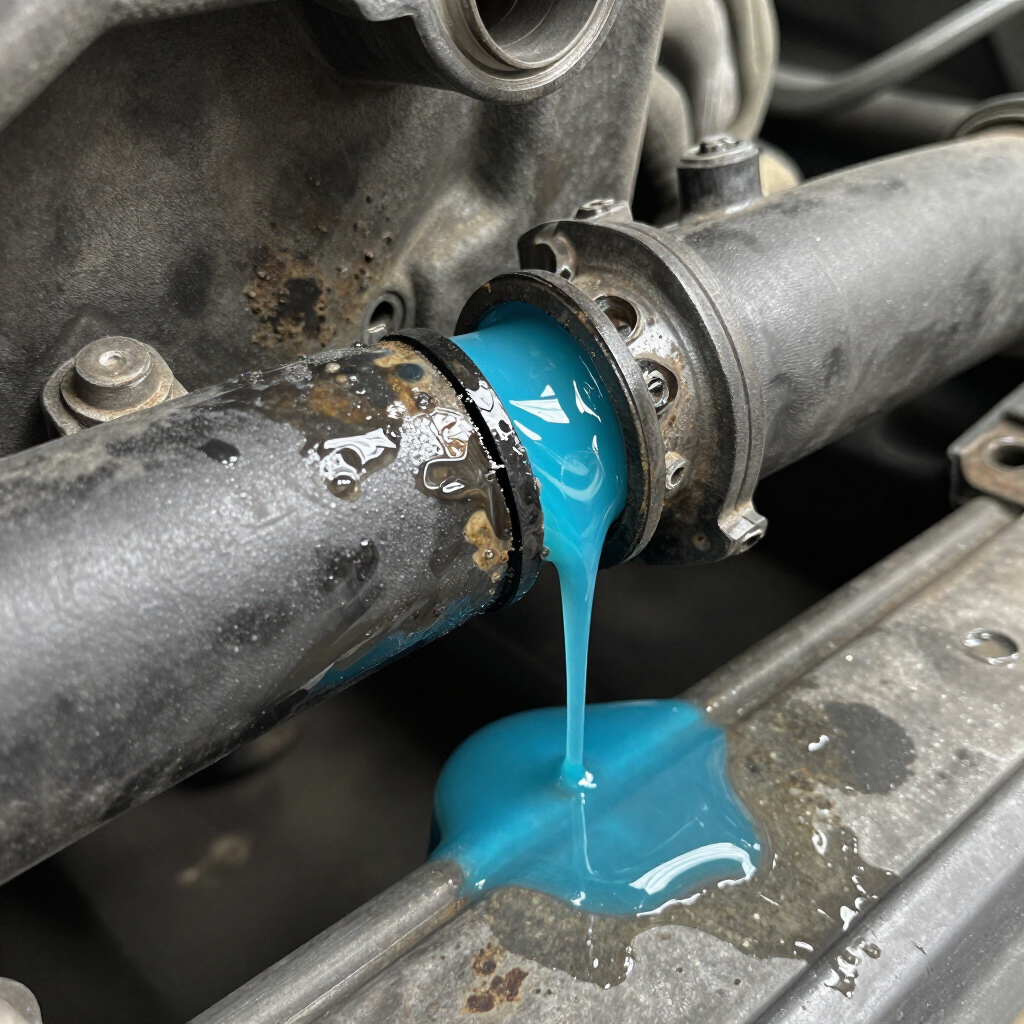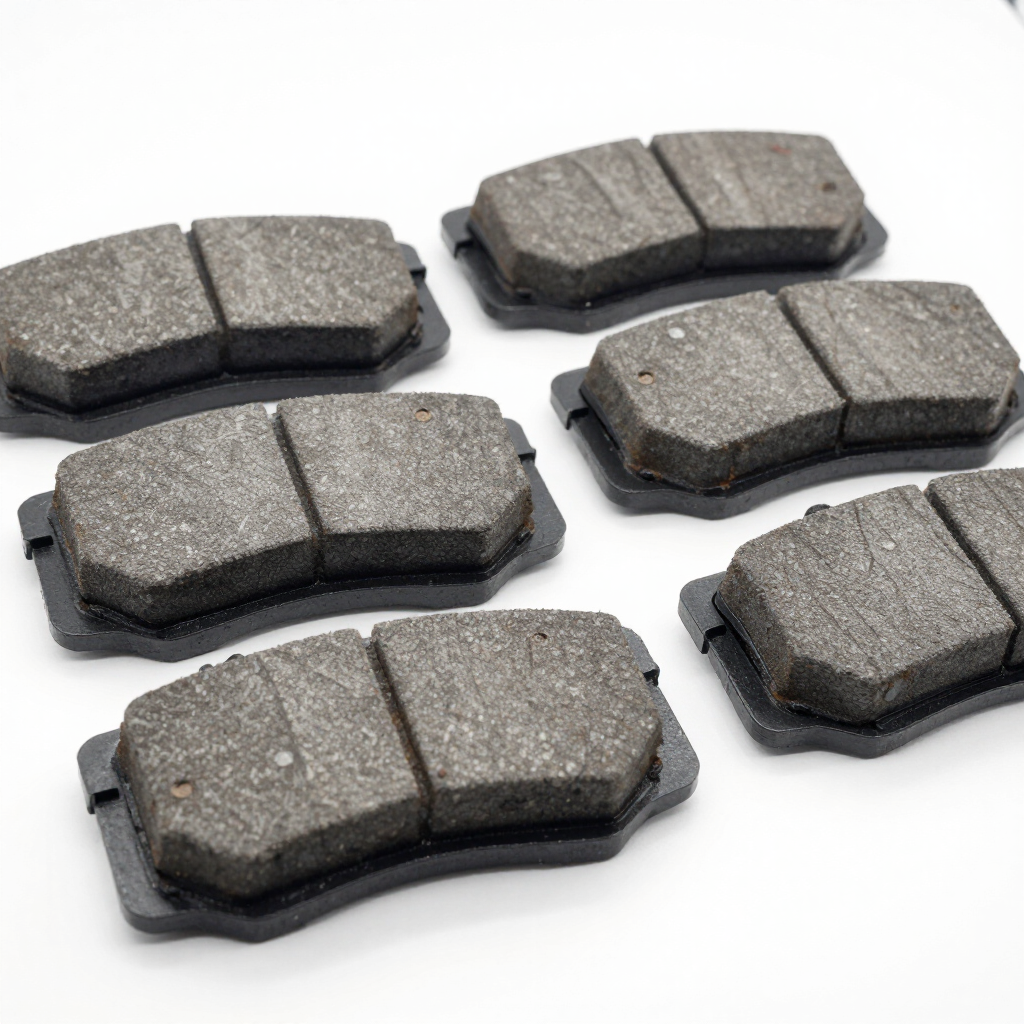
Why Does My Steering Wheel Shake When I Brake?
If your steering wheel shakes when you brake, you may be dealing with a problem involving your brakes, tires, wheels, suspension, or steering components.
A slight vibration can be easy to ignore, especially if your vehicle still stops normally. But a steering wheel that shakes or vibrates when you press the brake pedal is a symptom worth having inspected.
The cause isn't always the same. In many cases, brake components such as the rotors or pads may be involved, but other problems can produce similar symptoms.
For drivers in Southwest Houston, Westchase, Bellaire, Meyerland, Stafford, Sugar Land, and Missouri City, Apex Automotive Care can inspect your vehicle and help determine what's causing the vibration.
Why Does My Steering Wheel Shake When I Brake?
One of the most common reasons for a steering wheel vibration during braking is a problem affecting the front brake system.
Your brake pads press against the rotors to slow your vehicle. If the braking surfaces aren't operating smoothly or evenly, you may feel that vibration through the steering system.
Possible causes include:
- Brake rotor problems
- Uneven brake pad wear
- Sticking brake calipers
- Worn or damaged suspension components
- Wheel or tire problems
- Wheel alignment issues
- Loose or worn steering components
- Wheel bearing problems
Because several different problems can cause similar symptoms, replacing brake pads without inspecting the rest of the vehicle may not solve the problem.
Can Bad Brake Rotors Cause Steering Wheel Vibration?
Yes, brake rotor problems can contribute to steering wheel vibration when braking.
Rotors provide the friction surface for the brake pads. If the braking surfaces have developed uneven thickness or other problems, the brake system may not operate smoothly.
You may notice the vibration more clearly:
- At higher speeds
- During harder braking
- On freeway exits
- When braking downhill
- After repeated braking
However, it's important not to automatically assume that a rotor is the cause.
A proper brake inspection can help determine whether the rotors, pads, calipers, or another component is responsible.
Can Worn Brake Pads Cause the Steering Wheel to Shake?
Worn brake pads can contribute to brake problems, although steering wheel vibration isn't necessarily caused by pad wear alone.
Brake pads wear over time, and uneven wear can sometimes create inconsistent contact with the rotor.
Severely worn brake pads can also damage other brake components.
If your vehicle is also making a squeaking, squealing, scraping, or grinding noise, have the brakes inspected.
Our guide on why brakes squeak or grind explains some of the common causes of brake noise and the warning signs you shouldn't ignore.
What If the Steering Wheel Only Shakes When I Brake at Highway Speeds?
If the steering wheel is smooth during normal driving but begins shaking when you brake at higher speeds, your braking system should be inspected.
The vibration may be related to the brakes, but tires, wheels, suspension, and steering components should also be considered.
This is especially important if your vehicle has recently:
- Hit a pothole
- Hit a curb
- Had new tires installed
- Had brake work performed
- Developed uneven tire wear
- Started pulling to one side
If your vehicle also shakes when you're not braking, the problem may extend beyond the brake system.
Read our guide on car shaking at highway speeds for more information about tires, wheels, alignment, suspension, brakes, and axles that can contribute to highway-speed vibration.
Could a Bad Wheel or Tire Cause Steering Wheel Shaking?
Yes.
A tire or wheel problem can cause steering wheel vibration, and braking may make the vibration more noticeable.
Possible causes include:
- Tire imbalance
- Uneven tire wear
- A damaged tire
- A bent wheel
- Incorrect tire pressure
- Wheel installation problems
If the vibration happens while you're driving at highway speeds even when you're not braking, have the tires and wheels inspected.
If the vibration occurs primarily when braking, the brake system should also be evaluated.
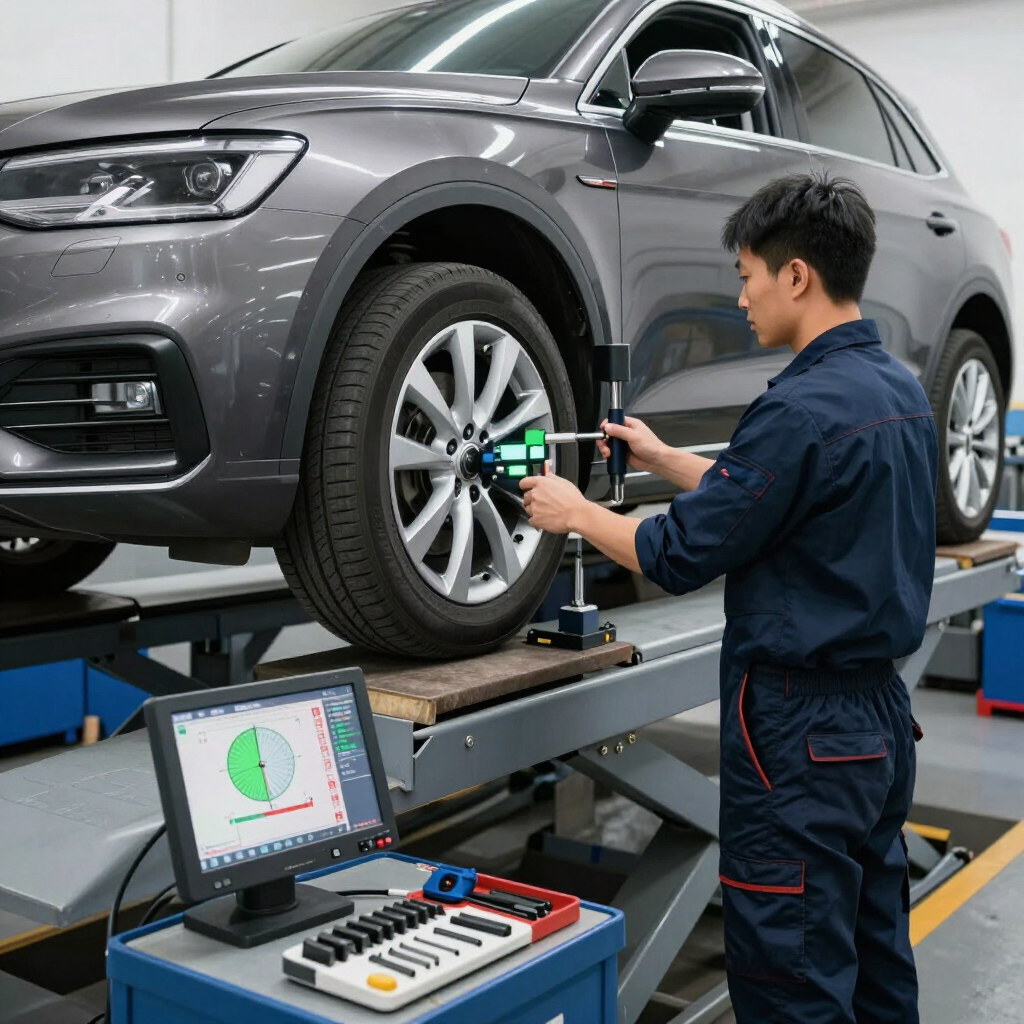
Could Wheel Alignment Cause My Steering Wheel to Shake When Braking?
An alignment problem can affect how your vehicle tracks and handles, although alignment isn't the only possible explanation for brake-related steering wheel vibration.
Signs that you may have an alignment or related tire problem include:
- Vehicle pulling to one side
- Uneven tire wear
- Steering wheel sitting off-center
- Vehicle wandering
- Poor handling
Apex Automotive Care can inspect the vehicle to determine whether the problem is related to alignment, tires, brakes, suspension, or steering.
If your car is pulling while driving, check out what causes a car to pull to one side.
Could a Sticking Brake Caliper Cause Steering Wheel Vibration?
A sticking brake caliper can create uneven braking force and excessive heat.
You may notice:
- The vehicle pulling
- Uneven brake pad wear
- Excessive heat from one wheel
- Burning smells
- Brake noise
- Reduced fuel economy
- Vibration
A caliper problem can also cause one brake to remain partially engaged.
That's why a brake inspection should include more than simply checking brake pad thickness.
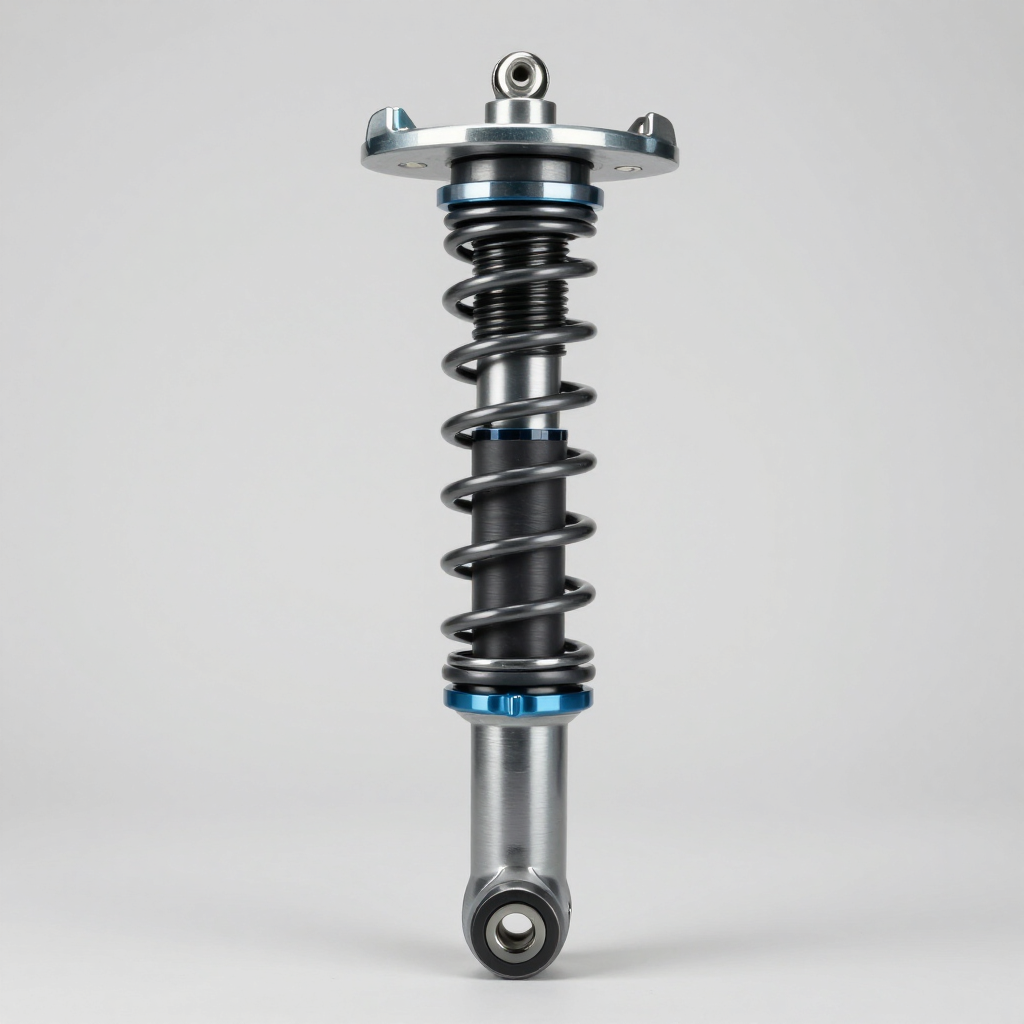
Could Suspension Problems Cause My Steering Wheel to Shake?
Yes.
Your suspension and steering systems work together to keep the vehicle stable and maintain contact with the road.
Worn components can contribute to vibration, particularly when braking transfers additional weight toward the front of the vehicle.
Potentially involved components include:
- Shocks and struts
- Ball joints
- Tie rods
- Control arms
- Bushings
- Wheel bearings
If you notice clunking, loose steering, uneven tire wear, or excessive bouncing along with the brake vibration, the suspension and steering systems should be inspected.
What Does It Mean If the Brake Pedal Also Pulsates?
If you feel a pulsing sensation through the brake pedal while the steering wheel is shaking, that provides another clue that the brake system may be involved.
A pulsating pedal can occur when braking isn't happening smoothly.
However, diagnosis still requires an inspection.
The brake system, wheels, tires, suspension, and steering components all work together, so a technician should look at the entire system rather than assuming one part is responsible.
Is It Safe to Drive If My Steering Wheel Shakes When Braking?
It depends on how severe the vibration is and what's causing it.
A mild vibration doesn't necessarily mean your vehicle is about to fail, but it shouldn't automatically be considered normal.
You should have the vehicle inspected promptly if the shaking is:
- Getting worse
- Severe
- Accompanied by grinding
- Accompanied by pulling
- Accompanied by a burning smell
- Accompanied by a soft or unusual brake pedal
- Affecting your ability to control the vehicle
- Occurring along with a brake warning light
If you experience a sudden or severe change in braking or steering, stop driving when it is safe to do so and have the vehicle evaluated.
What Should I Do If My Car Shakes When I Brake?
The first step is to pay attention to when the vibration occurs.
Ask yourself:
Does it only happen when braking?
If yes, the brake system should be one of the first areas inspected.
Does it happen at highway speeds even when I'm not braking?
Tires, wheels, alignment, suspension, steering, or other components may be involved.
Does the vehicle pull to one side?
The brakes, tires, alignment, suspension, or steering may need to be evaluated.
Do I hear grinding or squeaking?
Have the brake system inspected.
These details can help a technician narrow down the possible causes.
How Is Brake Vibration Diagnosed?
A proper inspection may include checking:
- Brake pad condition
- Rotor condition
- Calipers
- Brake hardware
- Tire condition
- Wheel condition
- Wheel balance
- Suspension components
- Steering components
- Wheel bearings
- Alignment
- Other components that may affect braking or handling
The goal isn't to guess which part needs to be replaced.
The goal is to identify the source of the vibration first.
That can help prevent unnecessary repairs and make sure the actual problem is addressed.
Why You Shouldn't Ignore Steering Wheel Vibration
A steering wheel that shakes when braking is telling you that something has changed.
Sometimes the cause is relatively simple.
Other times, it can indicate a problem that could become more expensive or affect vehicle safety if ignored.
For example, a brake problem may eventually damage additional components. A tire or suspension issue may contribute to uneven tire wear. A steering problem could affect vehicle handling.
Getting the vehicle inspected early gives you a better opportunity to address the problem before it becomes more serious.
Brake and Steering Repair in Houston
Apex Automotive Care provides automotive repair and maintenance for drivers throughout Southwest Houston and surrounding communities.
If your steering wheel shakes when braking, our technicians can inspect the vehicle and help determine whether the problem is related to:
- Brakes
- Tires
- Wheels
- Alignment
- Suspension
- Steering
- Wheel bearings
- Other vehicle components
The shop is located at:
Apex Automotive Care
7050 Southwest Freeway
Houston, TX 77074
Brake Repair in Westchase
If you're searching for brake repair near Westchase, don't ignore steering wheel vibration when braking.
Apex Automotive Care can inspect your vehicle and determine whether the vibration is actually coming from the brakes or another component.
Brake Repair in Bellaire
Drivers looking for brake repair near Bellaire can visit Apex Automotive Care for brake inspections and general automotive repair.
If your steering wheel shakes every time you slow down, schedule an inspection rather than continuing to drive with the symptom.
Brake Repair in Meyerland
If you live in Meyerland and notice steering wheel vibration when braking, the cause could involve your brakes, tires, wheels, suspension, or steering.
A professional inspection can help identify the source.
Brake Repair in Stafford
For drivers in Stafford, brake vibration can be particularly concerning if you're commuting on Houston-area freeways.
If the shaking is becoming more noticeable, have the vehicle inspected before the problem gets worse.
Brake Repair in Sugar Land
If you're searching for brake repair near Sugar Land, Apex Automotive Care provides brake and general auto repair services for Houston-area drivers.
Don't assume a vibrating steering wheel automatically means you need new rotors. Proper diagnosis comes first.
Brake Repair in Missouri City
Drivers in Missouri City experiencing brake vibration, pulling, squeaking, or grinding can have their vehicles inspected at Apex Automotive Care.
We'll help identify the cause and explain what needs attention.
Brake Repair in Southwest Houston
For brake repair in Southwest Houston, Apex Automotive Care is conveniently located on the Southwest Freeway.
Whether the problem turns out to be brakes, tires, alignment, suspension, or steering, an inspection can help determine the appropriate repair.
Don't Ignore a Shaking Steering Wheel
If your steering wheel shakes when you brake, don't automatically assume it's just normal wear.
The cause could be brake rotors, brake pads, calipers, tires, wheels, suspension, steering, alignment, or another component.
The good news is that an inspection can help narrow down the cause before you spend money replacing parts that aren't actually responsible for the problem.
If you're experiencing steering wheel vibration when braking in Houston, Apex Automotive Care can help.
Schedule a Brake Inspection in Houston
Ready to find out what's causing your steering wheel to shake?
Schedule an appointment with Apex Automotive Care or call.
Apex Automotive Care
7050 Southwest Freeway
Houston, TX 77074
Serving Southwest Houston, Westchase, Bellaire, Meyerland, Stafford, Sugar Land, and Missouri City.
Frequently Asked Questions
Why does my steering wheel shake when I brake?
Steering wheel vibration while braking can be caused by brake rotor or pad problems, sticking calipers, tire or wheel problems, suspension components, steering components, or other issues. An inspection is needed to identify the actual cause.
Do bad rotors make the steering wheel shake?
Brake rotor problems can contribute to steering wheel vibration during braking. However, tires, wheels, suspension, and steering components can create similar symptoms, so the entire system should be evaluated.
Is it safe to drive with a shaking steering wheel when braking?
It depends on the severity and cause. Persistent or worsening vibration should be inspected. If the vehicle has severe shaking, grinding, pulling, a burning smell, or a major change in braking performance, have it checked promptly.
Why does my car shake when braking at high speeds?
Higher speeds can make brake-related vibration more noticeable. Possible causes include brake rotor or pad problems, but tire, wheel, suspension, alignment, and steering issues should also be considered.
Why does my car shake when I'm not braking?
If your vehicle shakes while driving without applying the brakes, the cause may involve tires, wheels, wheel balance, alignment, suspension, steering, wheel bearings, or axles. Read our car shaking at highway speeds guide for more information.
Why does my car pull to one side when I brake?
Pulling while braking can be caused by uneven braking, a sticking caliper, tire problems, alignment, suspension, or steering components. The vehicle should be inspected to determine the cause.
Where can I get my brakes checked in Southwest Houston?
Apex Automotive Care provides brake inspections and automotive repair at 7050 Southwest Freeway, Houston, TX 77074, serving Southwest Houston and nearby communities.