A car that pulls to one side can be subtle at first. You let go of the wheel for a second, and it drifts, or you feel like you’re always correcting to keep it centered. Some days it feels worse than others, which makes it even more annoying to pin down.
The good news is that pull problems usually follow a pattern once you know what to watch for.
How A Pull Feels And When It Shows Up
A true pull is when the car consistently wants to steer left or right on a level road, even when you hold the steering wheel straight. It’s different from the road crown effect, where most roads slope slightly, and the car naturally drifts a bit. If you notice the pull on multiple roads and it’s always in the same direction, that’s meaningful.
Pay attention to when it happens most. If it pulls more during acceleration, it can point toward tire issues or a suspension angle changing under load if it pulls mainly while braking, that often shifts suspicion toward brake drag or uneven braking force.
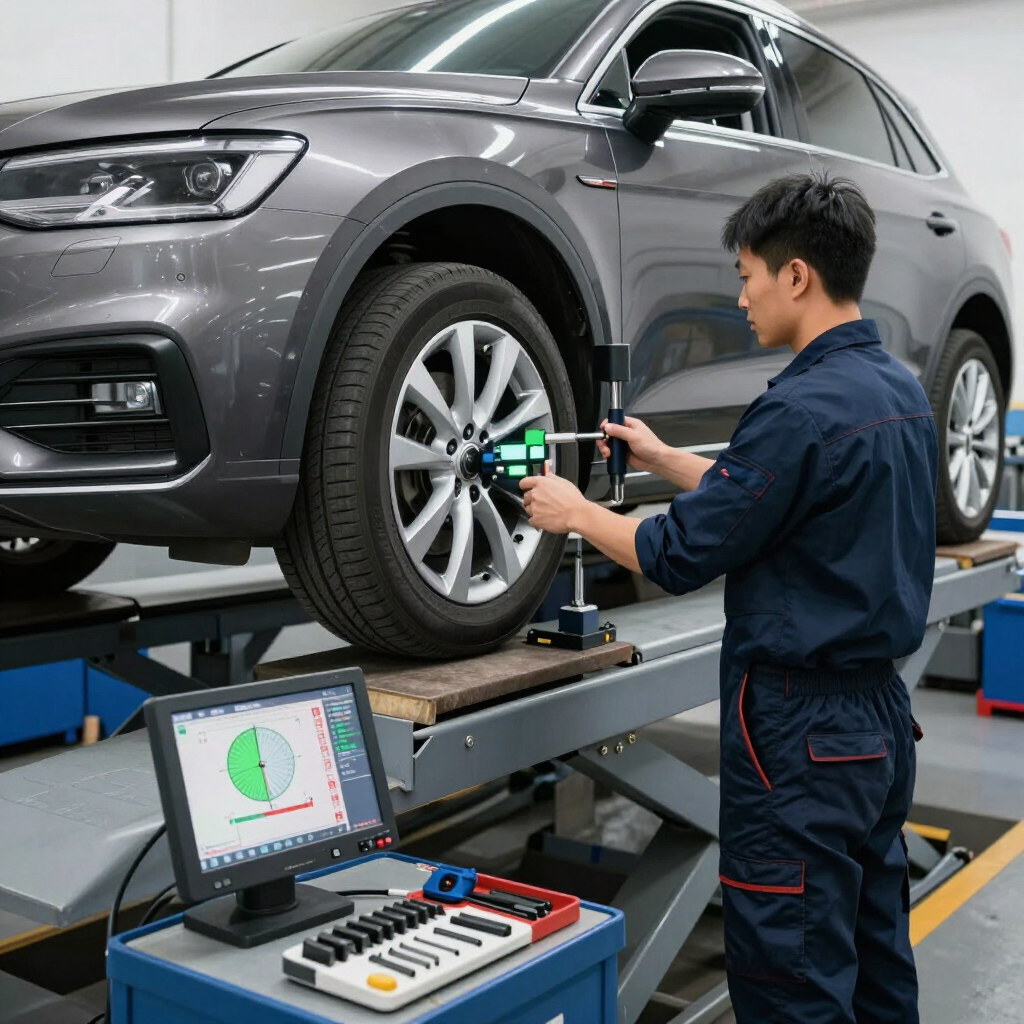
Alignment Causes: Toe, Camber, And Caster
Alignment is a common cause because small angle changes can create a constant steering bias. Toe is the most tire-wearing angle and can make the car feel nervous or dart-y, but it can also contribute to drift. Camber can create a pull when one wheel is leaning more than the other, which changes how that tire contacts the road.
Caster is the angle that helps the steering self-center. If the caster is uneven side to side, the vehicle can pull toward the side with less caster. This is why a car can pull even if the toe numbers look “close” on a quick glance.
We’ve seen plenty of vehicles where a mild pull started right after a pothole hit, and the alignment shift was just enough to be irritating every day.
Tire And Wheel Issues That Mimic A Pull
Before you assume its alignment, tires deserve a close look. A tire with a slight internal belt shift, uneven wear, or a manufacturing conicity issue can pull the car even with a perfect alignment. Swapping front tires side to side can sometimes change the direction of the pull, which is a helpful clue.
Tire pressure mismatches also matter more than people think. A tire that’s a few PSI low can steer the vehicle toward that side, especially on heavier vehicles. If the tires are different brands, different tread patterns, or mismatched sizes, the car can develop a drift that feels like an alignment problem.
Common tire-related causes include:
- Uneven tire pressure left to right
- One tire with conicity or an internal belt issue
- Uneven tread wear, especially feathering or cupping
- Mismatched tire brands or tread designs on the same axle
- A bent wheel or tire that will not balance consistently
Brake Drag And Caliper Problems
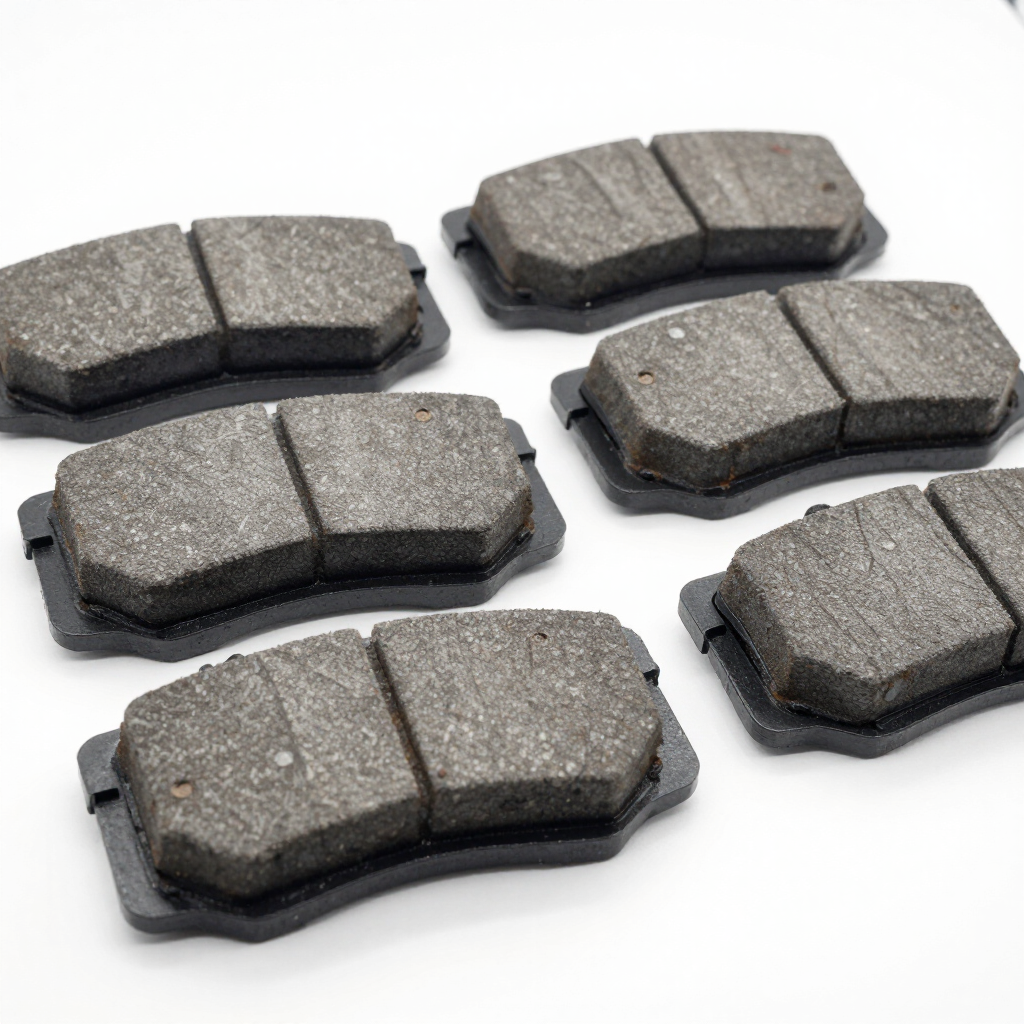
If the car pulls mainly when you brake, the brakes move up the suspect list fast. A sticking caliper can cause one side to grab harder, which yanks the car in that direction. A collapsed brake hose can also trap pressure and keep a brake slightly applied, even after you lift your foot.
A dragging brake often comes with extra heat. After a normal drive with light braking, one wheel may feel hotter than the others, and you might smell a sharp, hot odor near that corner. Sometimes the vehicle also feels a bit sluggish, like it takes more throttle than usual to maintain speed.
If the pull is strongest during braking, that’s not something to ignore for long.
Suspension And Steering Wear That Lets The Car Drift
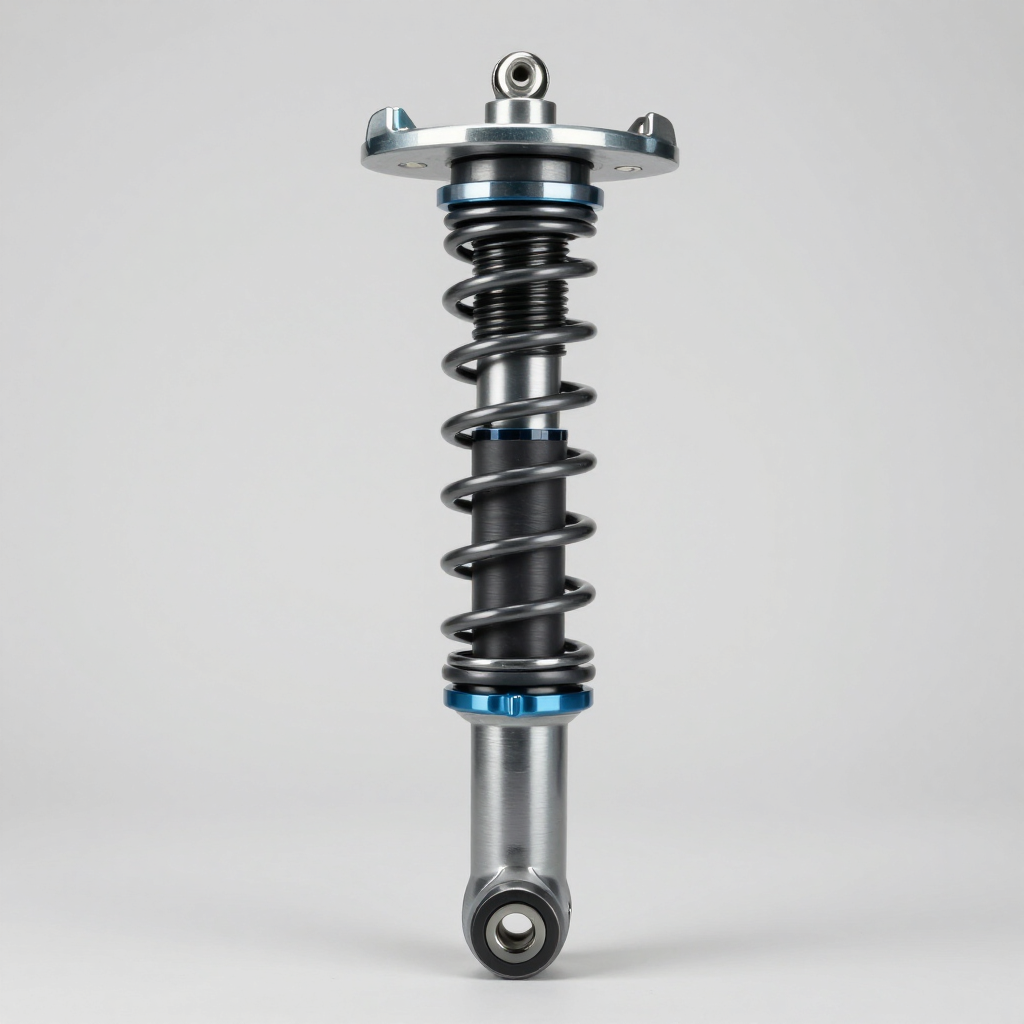
Worn suspension parts can create a pull because the wheel angles change while you drive. Bushings that have softened, ball joints with play, or loose tie rod ends can let the wheel shift under braking, acceleration, or bumps. That can produce an inconsistent pull that comes and goes depending on speed and road surface.
This is also where tire wear often shows up first. If one tire is wearing faster or the inside edge keeps getting chewed up, worn components may be allowing movement that an alignment cannot fully lock down. Our technicians usually look for looseness before adjusting alignment angles, because a loose part can undo good settings quickly.
A Quick Decision Guide Before You Spend Money
Start by separating “drift” from “pull.” If it only drifts on one road and feels fine elsewhere, it may be a road crown. If it pulls consistently across different roads, you likely have a mechanical cause worth addressing.
Next, think about triggers. Pull while braking often points toward brake drag or uneven braking force. Pull that changes after rotating tires, or after adjusting tire pressure, often point toward a tire or wheel issue. A pull that showed up after a pothole hit, or is paired with uneven tire wear, often points toward alignment or a worn suspension part.
If you’re unsure, a careful check that includes tires, brakes, and suspension usually finds the real cause faster than guessing one part at a time.
Get Steering And Alignment Inspection in Houston, TX with Apex Automotive Care
We can check tire condition and pressure, inspect for brake drag, and verify suspension and steering components before setting alignment angles. We’ll explain what’s causing the pull and what repair path makes the most sense.
Call or schedule an appointment today.
We’ll help you get your vehicle tracking straight again with even tire wear and a steadier drive.