A bad CV axle does not always make the car feel unsafe right away. It may start with a clicking sound in a parking lot, a small shake when accelerating, or grease splattered near one wheel where it does not belong.
That is why drivers sometimes wait too long.
CV axles and CV joints help transfer power to the wheels while still allowing the suspension to move and the wheels to turn. When a joint wears out or a boot tears, symptoms usually build slowly before the problem becomes more serious.
Clicking Or Popping While Turning
A clicking or popping sound during turns is one of the most common signs of a bad outer CV joint. Drivers often hear it while making a U-turn, pulling into a parking space, or backing out of a driveway with the steering wheel turned.
The sound may be faint at first. As the joint wears, it usually gets louder and more consistent. It may also be worse when you accelerate through the turn, as the joint is under greater load.
This noise should not be brushed off as a normal tire or steering sound. Clicking during tight turns usually means the joint is no longer moving cleanly inside.
Grease Splattered Near The Wheel
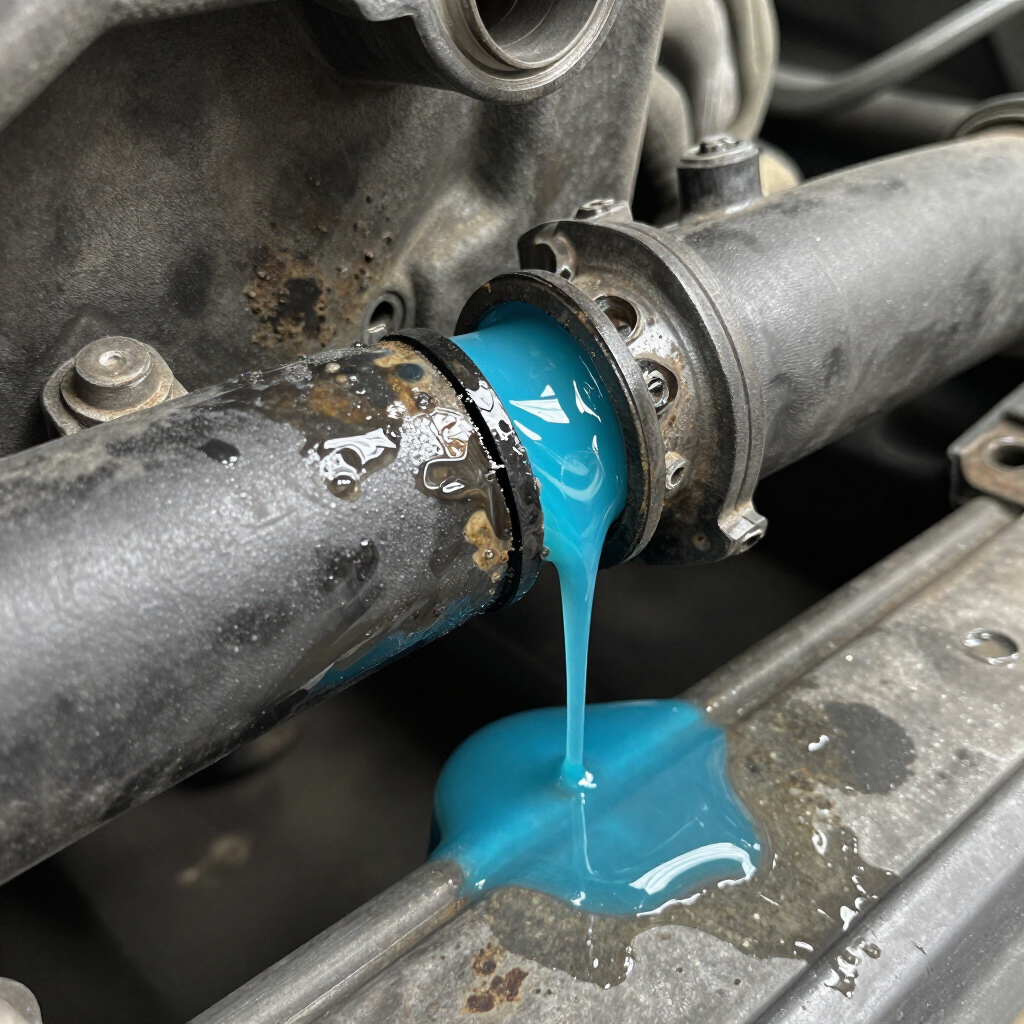
The CV joint is packed with thick grease and protected by a rubber boot. That boot keeps grease in and keeps dirt, water, and road debris out. When the boot tears, the grease can sling out as the axle spins.
You may see dark, sticky grease on the inside of the wheel, around the lower control arm, on the strut, or near other suspension parts. It may look like black splatter in a circular pattern.
A torn boot does not always mean the axle is making noise yet. But once grease escapes and dirt gets in, the joint starts wearing faster. During regular maintenance, catching a torn boot early may give you more repair options before the joint is damaged.
Vibration During Acceleration
Not every CV axle problem clicks during turns. Inner CV joint wear can cause vibration or shuddering when you accelerate. The car may feel fine while coasting, then shake when you press the gas.
That difference matters. Tire balance problems often show up at certain road speeds. CV axle vibration often follows engine load. If the shake gets worse during acceleration and eases when you lift off the pedal, the axle should be checked.
Vibration can also come from engine mounts, tires, wheels, wheel bearings, or driveline parts. A proper inspection helps confirm the source before parts are replaced.
Clunking When Shifting Or Taking Off
A worn CV joint or axle can create a clunk when shifting from reverse to drive, taking off from a stop, or accelerating after coasting. That sound usually means there is too much play somewhere in the driveline.
The clunk may not always be the CV axle. Engine mounts, transmission mounts, suspension parts, and other drivetrain components can create similar sounds. Still, CV axle wear belongs on the list, especially if the noise is accompanied by clicking, vibration, or grease near the wheel.
A clunk that keeps getting more noticeable should be checked before the movement gets worse and starts affecting nearby parts.
Shaking At Certain Speeds
A damaged CV axle can sometimes create shaking at certain speeds, especially if the axle shaft is bent or the joint is badly worn. This can happen after road impact, curb contact, or prolonged driving with a damaged boot.
The shake may feel different from a simple tire balance issue. It may change during acceleration, turning, or when the suspension moves over rough pavement.
Because several problems can create similar shaking, the axle should be checked with the tires, wheels, suspension, and wheel bearings. Finding the real cause keeps the repair from turning into trial and error.
Can You Keep Driving With A Bad CV Axle?
A faint click or torn boot does not always mean the vehicle is about to stop immediately. Still, driving on a bad CV axle is a risk that grows with time. The joint can get louder, vibrate more, or eventually fail enough that power does not transfer correctly to the wheel.
Avoid hard acceleration and sharp turns under throttle if you suspect a CV joint problem. Those conditions put more stress on the joint and can accelerate wear.
The safer move is to have the axle checked early. Once the joint is badly worn or contaminated, replacement is usually the better answer.
Get CV Axle And CV Joint Repair In Houston, TX, With Apex Automotive Care
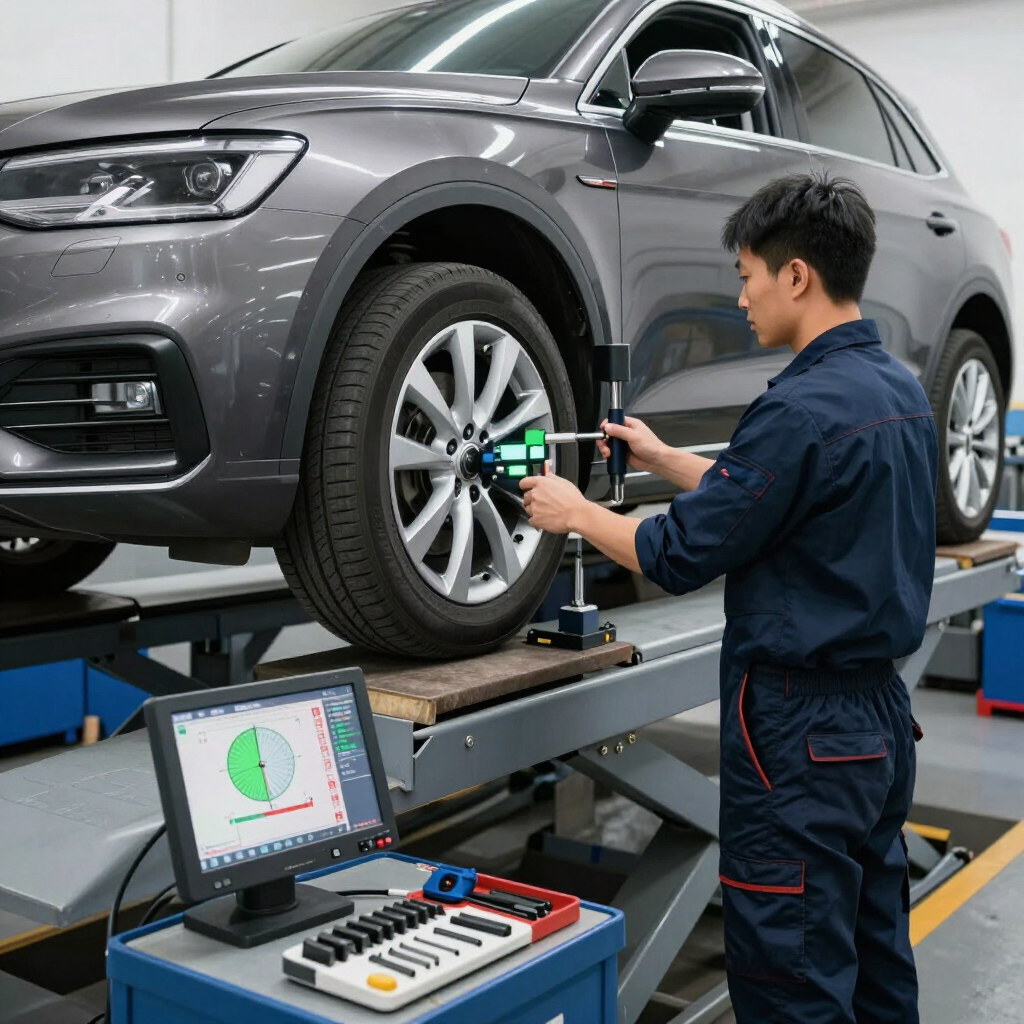
If your vehicle clicks during turns, shakes during acceleration, clunks when taking off, or shows grease near a wheel, Apex Automotive Care in Houston, TX, can check the CV axles, CV joints, boots, and related suspension parts.