Suspension problems can be sneaky. The car still drives, the steering still works, and the tires may look fine from a quick walkaround. Then one day, you notice a rougher ride, uneven tread, a pull on the highway, or a clunk that was not there before.
By that point, the suspension may have been wearing tires and comfort for months. The suspension does more than absorb bumps. It keeps the tires planted, helps the vehicle stay aligned, and gives the driver control when roads get rough, traffic stops quickly, or turns come up fast. Small wear in one part can spread into several problems if it goes unchecked.
1. Worn Shocks Or Struts
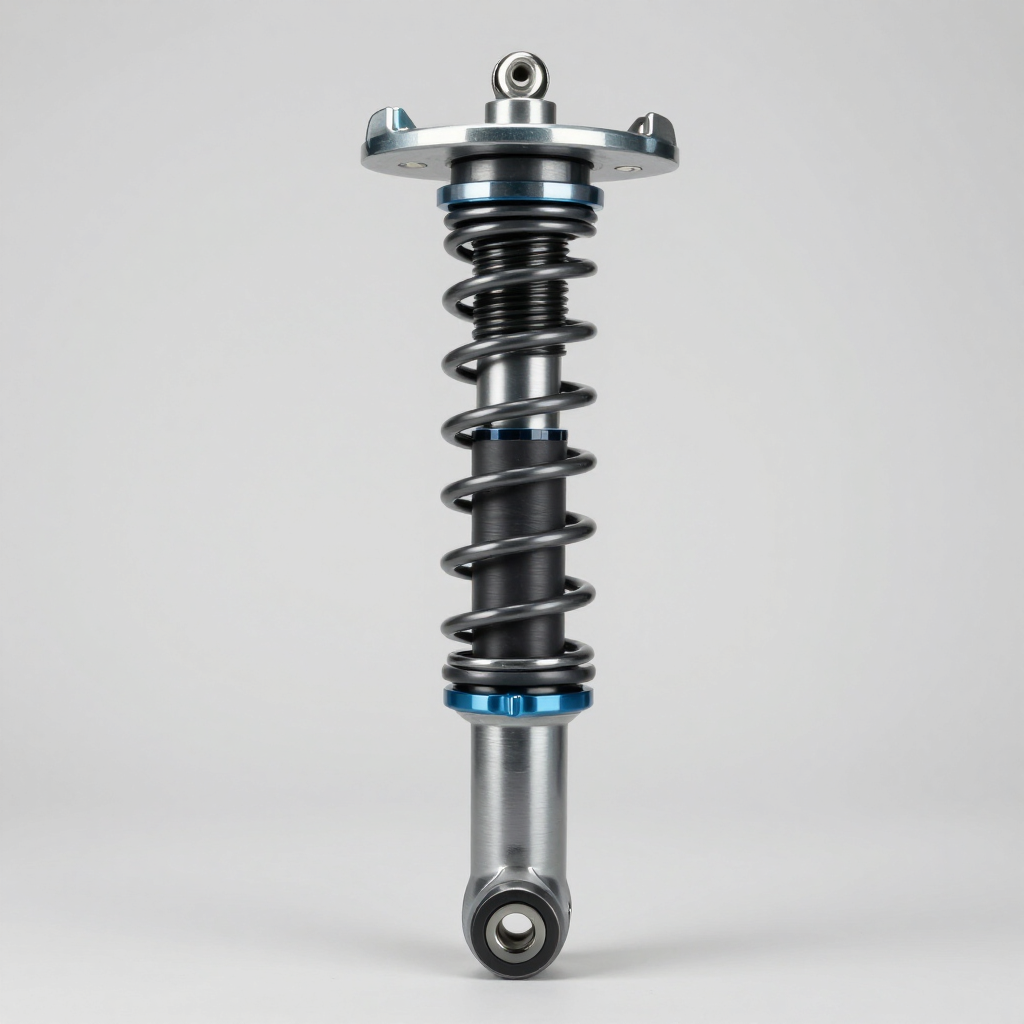
Shocks and struts help control body movement. When they wear out, the vehicle may bounce more after bumps, dip during braking, squat during acceleration, or feel loose during turns. The change can be gradual enough that many drivers adjust without noticing.
Worn shocks or struts can also affect tires. If the tire is not staying firmly planted on the road, the tread can wear unevenly. Cupping, chopping, or patchy wear may show up before the driver realizes the ride has changed. Replacing tires without checking worn dampers can lead to the same wear pattern coming back.
2. Weak Or Damaged Control Arm Bushings
Control arm bushings help hold suspension parts in place while allowing controlled movement. They are usually made of rubber or a similar material, so heat, age, oil exposure, potholes, and road stress can wear them down.
When bushings get weak, the wheel can shift slightly while braking, turning, or driving over bumps. That movement can change alignment angles while the vehicle is moving. The car may wander, pull, clunk, or feel less precise than it used to. Tires can wear on one edge because the wheels are no longer staying in the right position under load.
3. Loose Ball Joints
Ball joints allow the suspension and steering to move together. They carry weight and handle movement every time the vehicle turns or travels over uneven pavement. When a ball joint starts wearing, the first signs may be a faint clunk, uneven tire wear, or vague steering.
A loose ball joint is not something to ignore. It can affect alignment, tire contact, and steering control. In more severe cases, it can become a safety concern. A technician can check for looseness by safely lifting the vehicle and testing wheel movement. That is not something you can always judge by sound alone.
4. Bad Tie Rod Ends
Tie rods connect the steering system to the wheels. If a tie rod end wears, the steering can feel loose, delayed, or unstable. The vehicle may drift, the steering wheel may shake, or the tires may wear unevenly because the wheels are not holding their proper direction.
Tie rod wear can also make alignment impossible to keep correct. You might get the vehicle aligned, then notice the steering feels off again soon after. That is why steering parts should be checked before alignment work. Regular maintenance helps catch worn tie rods before they ruin a set of tires or make the vehicle feel nervous at highway speeds.
5. Sagging Or Damaged Springs
Springs support the vehicle’s weight and help maintain ride height. When a spring weakens, breaks, or sags, the vehicle may sit lower on one corner, lean more in turns, or hit bumps harder than it should. The change might be subtle at first.
Ride height affects alignment and suspension geometry. If one corner sits lower, that tire can wear differently from the others. A broken spring can also create noise, poor handling, or contact with nearby parts. Springs should be checked when the vehicle feels uneven, rides harshly, or shows unusual tire wear.
Tire Wear Is Often The First Clue
Suspension wear frequently shows up on the tires before the ride feels terrible. Feathered edges, inner-edge wear, cupping, diagonal wear, or one tire wearing faster than the rest can all point toward a suspension or alignment problem.
That is why tire checks are so useful. The tread pattern tells a story about how the vehicle is contacting the road. If the tires are replaced without fixing the worn suspension part behind the wear, the new tires may start wearing the same way. A proper inspection should look at tires and suspension together, not as separate concerns.
Why Comfort Problems Should Not Be Ignored
A rough ride is more than an annoyance. If the vehicle bounces, clunks, pulls, dives, or feels unsteady, the tires may not be staying in solid contact with the road. That can affect braking, steering, and how controlled the car feels during quick maneuvers.
Suspension problems usually get more expensive when they are left alone. Worn shocks can damage tires. Loose steering parts can make alignment drift. Bad bushings can stress nearby components. Catching the issue early helps protect tire life, ride comfort, and everyday control.
Get Suspension Repair In Houston, TX, With Apex Automotive Care
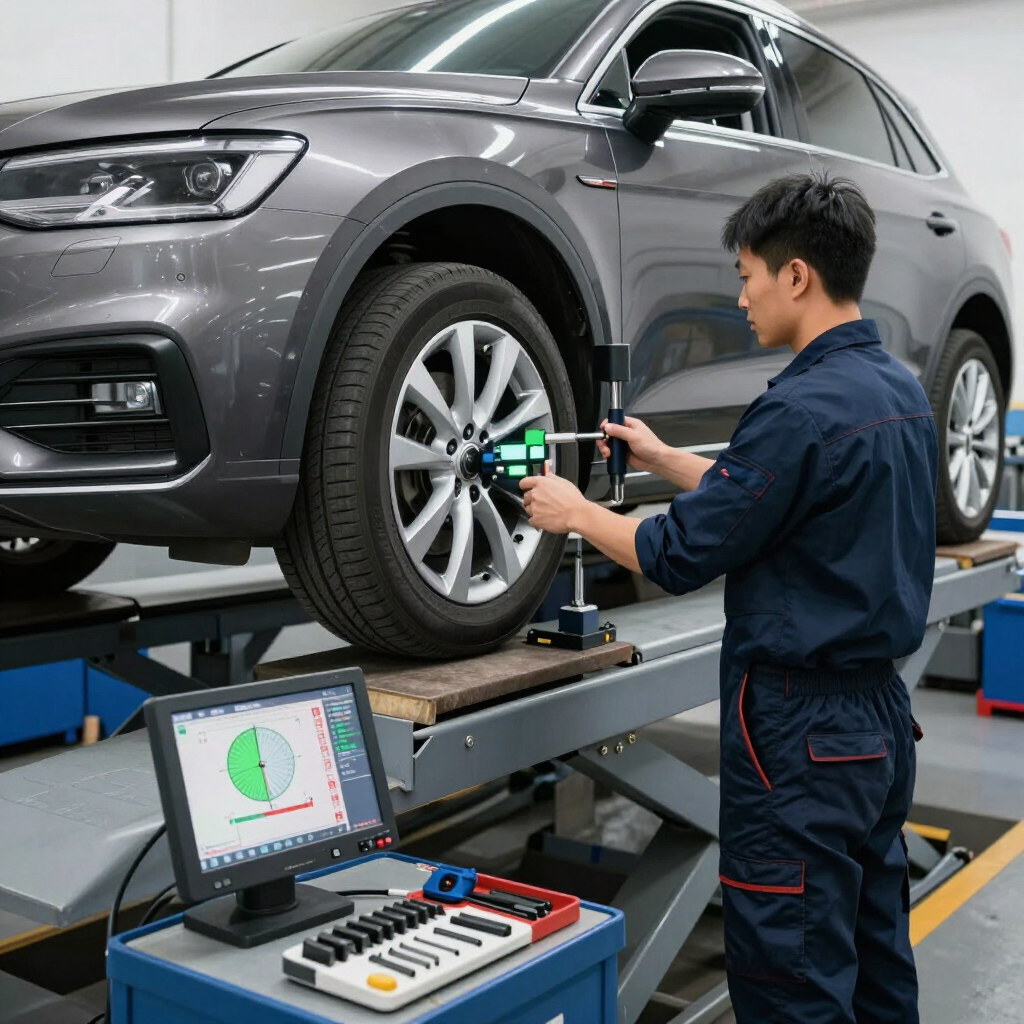
If your vehicle feels bouncy, loose, rough, noisy, or is wearing tires unevenly, Apex Automotive Care in Houston, TX, can check the shocks, struts, springs, bushings, ball joints, tie rods, and alignment.