Most people think about snow, ice, or heavy rain when they consider dangerous driving conditions. Those are the big flashy weather events that make the local news and keep everyone at home. But there is a silent invisible danger that can be just as nerve-wracking and physically demanding for a driver. We are talking about high winds. Whether it is a sudden gust coming across a bridge or a sustained crosswind on an open highway, wind has a massive impact on how your vehicle handles.
At our repair shop, we see the mechanical side of this more than you might expect. High winds do not just push your car around. They put extra stress on your steering components, your suspension, and even your engine as it fights to maintain speed against a powerful headwind. We want to share some practical advice on how to keep your car stable and your nerves calm when the breeze starts to howl.
Understanding the Physics of the Push
Every car has what we call a profile. If you drive a tall SUV, a minivan, or a large truck, you essentially have a giant sail attached to your wheels. These high-profile vehicles are much more susceptible to being moved by the wind than a low-slung sedan. However, no car is completely immune.
When a gust hits the side of your car, it wants to pivot the vehicle around its center of gravity. This is why you feel that sudden tug on the steering wheel. The key to managing this is not to fight the car with jerky, panicked movements. Instead, you want to maintain a firm but relaxed grip on the wheel. If you hold the wheel too tightly, you will likely overcorrect, which can lead to a dangerous fishtail situation. Think of it like steering a boat. You want to make small, smooth adjustments to stay on your path.
Tactical Tips for the Road
When the wind starts picking up, you need to change your driving strategy immediately. You cannot drive the same way on a blustery day as you do on a calm afternoon.
Slow Down Your Speed: This is the most effective tool in your kit. The faster you go, the more the wind will affect your car's stability. By dropping your speed by even ten miles per hour, you give yourself more time to react to a sudden gust and make it easier for your tires to maintain their grip on the pavement.
Increase Your Following Distance: High winds do not just affect you. They affect everyone else on the road. A trailer in front of you might sway into your lane, or a car might suddenly brake if a piece of debris blows across the road. Give yourself plenty of room to breathe.
Watch for Wind Breaks: Be extra alert when you are passing large trucks, driving under bridges, or emerging from a line of trees. These structures block the wind, and the moment you pass them, you will get hit with a sudden burst of air that can catch you off guard.
Keep Both Hands on the Wheel: This sounds like driving school 101, but it is vital. A sudden crosswind can happen in a millisecond. If you are driving with one hand, you simply do not have the leverage needed to keep the car in its lane during a heavy gust.
The Hidden Danger of Debris
Wind does not just push your car. It picks up everything that is not tied down and throws it into your path. We have seen cars come into the shop with cracked windshields, dented hoods, and even punctured radiators caused by flying branches, trash cans, or construction materials.
If you see a lot of debris blowing across the road, try to avoid driving over it if it is safe to do so. A seemingly harmless cardboard box could be hiding something heavy, and a pile of leaves might be covering a deep pothole. If the wind is so strong that tree limbs are falling, the safest move is often to pull over in a clear area away from trees and power lines and wait for the worst of it to pass.
Is Your Car Ready for the Strain
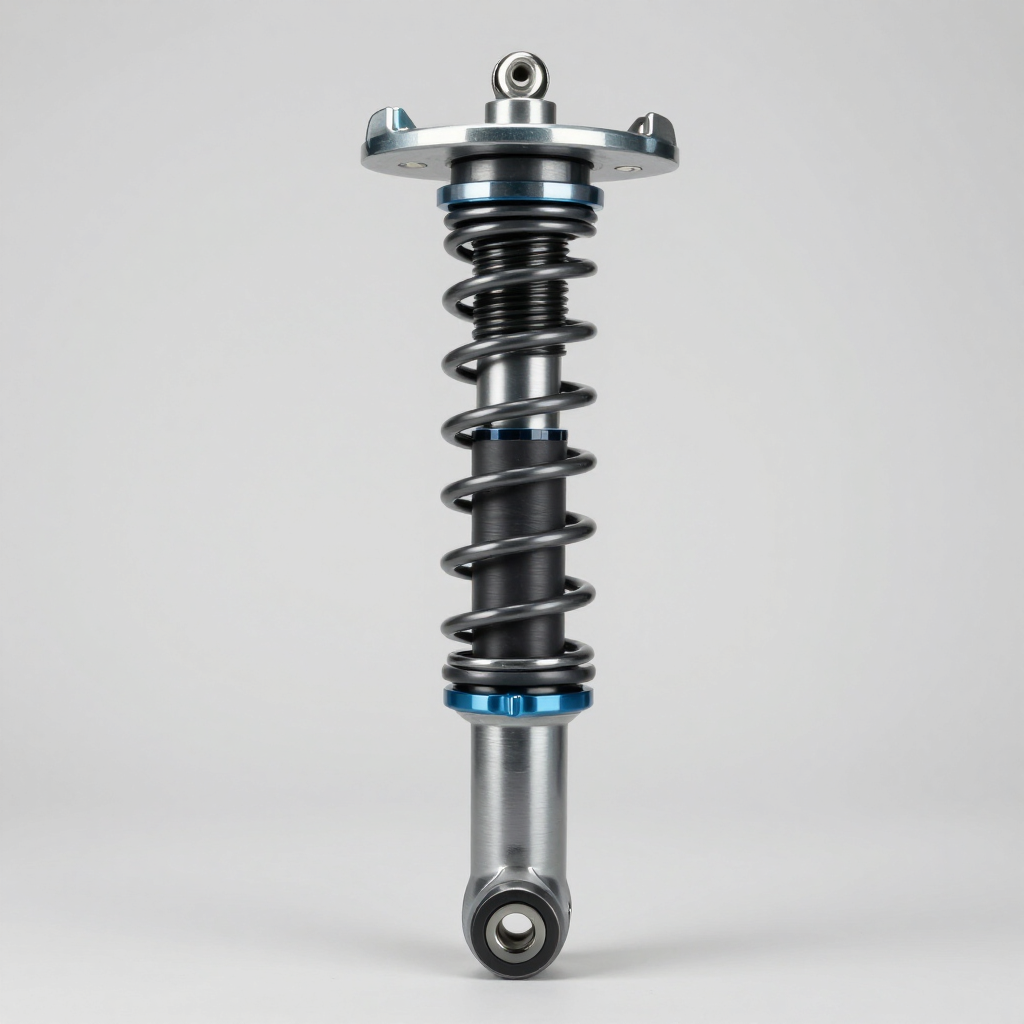
A car that is in poor mechanical shape is much harder to control in the wind. If your shocks and struts are worn out, your car will bounce and lean much more than it should, making it feel like it is floating across the lane. If your tires are bald, they will not have the lateral grip necessary to resist being pushed sideways.
At the shop, we can check your suspension and steering rack to make sure everything is tight and responsive. We also ensure your tires are properly inflated. Under-inflated tires have soft sidewalls that allow the car to sway, which is the last thing you want when the wind is kicking up.
Apex Automotive Care Can Help You Stay Grounded
We want you to feel confident every time you turn the key, regardless of what the weather is doing outside. If your car feels a bit loose or if you have noticed it drifting more than usual lately, it might be time for a safety inspection at Apex Automotive Care.
Give us a call or visit our shop in Houston, TX for a checkup.