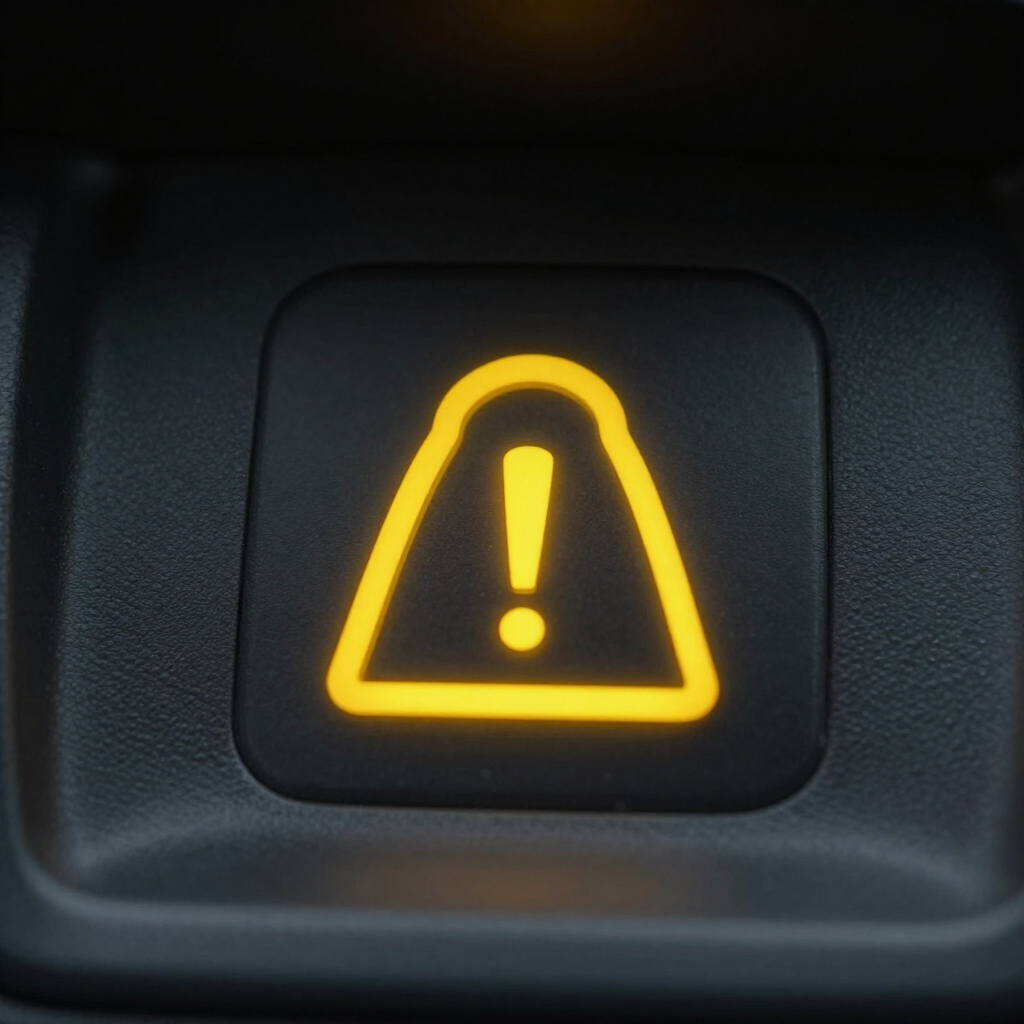
A battery should always have a flat top, straight sides, and nothing unusual to notice when the hood is open. When the case starts bulging, lifting, or looking puffed out, it is a sign that something inside has gone seriously wrong.
This is not the kind of problem to monitor for another week, and hope settles down.
Why A Battery Starts Swelling
A swollen battery is reacting to heat, internal pressure, or chemical breakdown. The case expands because something inside the battery is no longer stable. In simple terms, the battery is not just getting old. It is failing in a way that changes its shape.
That is what makes it different from a battery that is simply weak. A weak battery can leave you with a slow crank or a no-start. A swollen one raises safety concerns as well.
Why It Can Be Dangerous
A bulging battery can crack, leak acid, damage nearby components, and fail without much warning. It can also create more heat than it should, which is the last thing you want around electrical cables and underhood components. Even if the car still starts, the battery is no longer in normal condition.
That is why driving with a swollen battery is a gamble. You are not just dealing with an unreliable part. You are dealing with one that has already moved beyond normal wear and tear.
Overcharging Is A Common Cause
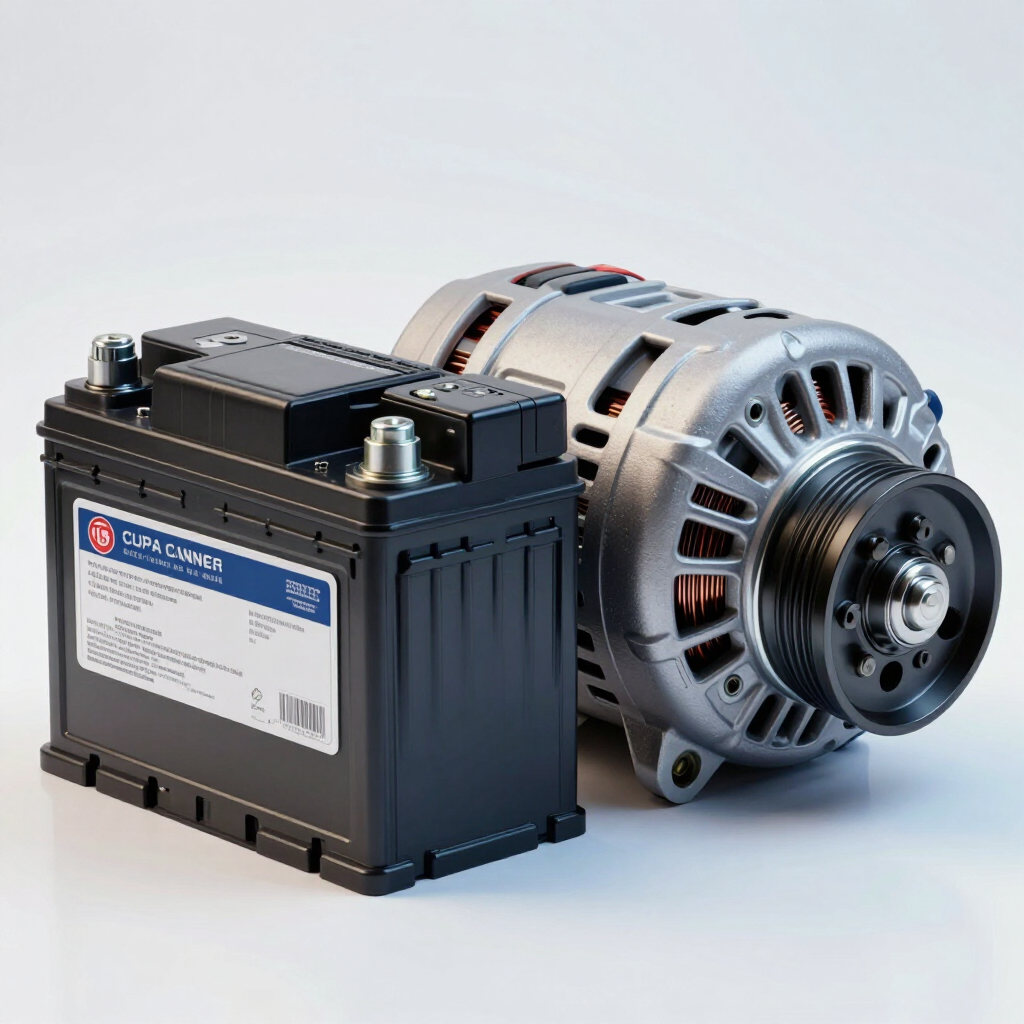
One of the biggest reasons batteries swell is overcharging. If the alternator or voltage regulator sends too much voltage to the battery, heat builds inside the battery, and pressure starts to rise. That extra stress can warp the case and shorten the battery’s life very quickly.
This is one reason replacing the battery without checking the charging system can backfire. If overcharging caused the first battery to swell, a new one can end up in the same condition before long. A proper inspection should always include charging-system testing, not just battery replacement.
Heat Speeds Up The Damage
Hot weather is brutal on batteries. High temperatures increase internal wear, accelerate fluid loss, and accelerate the deterioration of an already stressed battery. If the charging system is also running high, the problem worsens quickly.
That is why swollen batteries are more common in hotter climates, especially during summer. The underhood area stays hot long after the engine is shut off, and that repeated heat cycle pushes a weak battery closer to failure.
What Drivers Notice Before It Gets Worse
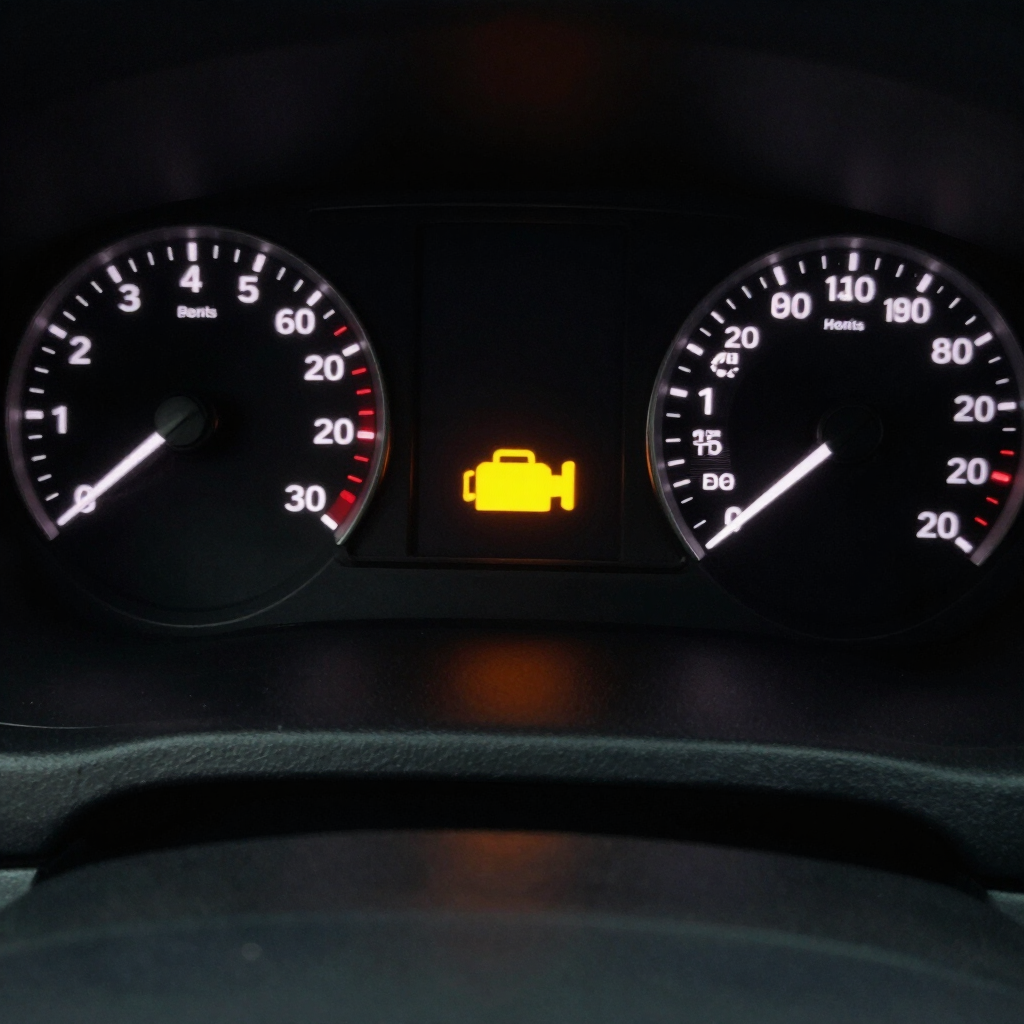
Some drivers only discover a swollen battery when the hood is open for something else. Others get a few warnings first. Slow cranking, dim lights, a battery warning light, strange electrical behavior, or a sulfur smell can all point in this direction.
A few clues that deserve attention are:
- Slow starts that keep getting worse
- A rotten-egg or sulfur smell
- A battery case that looks raised or distorted
- Dim or flickering electrical accessories
Once the case has changed shape, the safest move is to stop guessing and get the vehicle checked.
Why Jump Starts Do Not Solve Anything
A swollen battery is not a battery that just needs a little help getting started. Repeated jump starts do not correct the internal damage, and they do not fix the charging issue if one causes the swelling in the first place. At best, a jump buys a little time. At worst, it delays the real repair while the battery continues breaking down.
This is a good example of why regular maintenance helps more than people expect. Battery and charging-system checks can catch weaknesses before the case distorts and the problem becomes a larger electrical issue.
What Should Be Checked Next
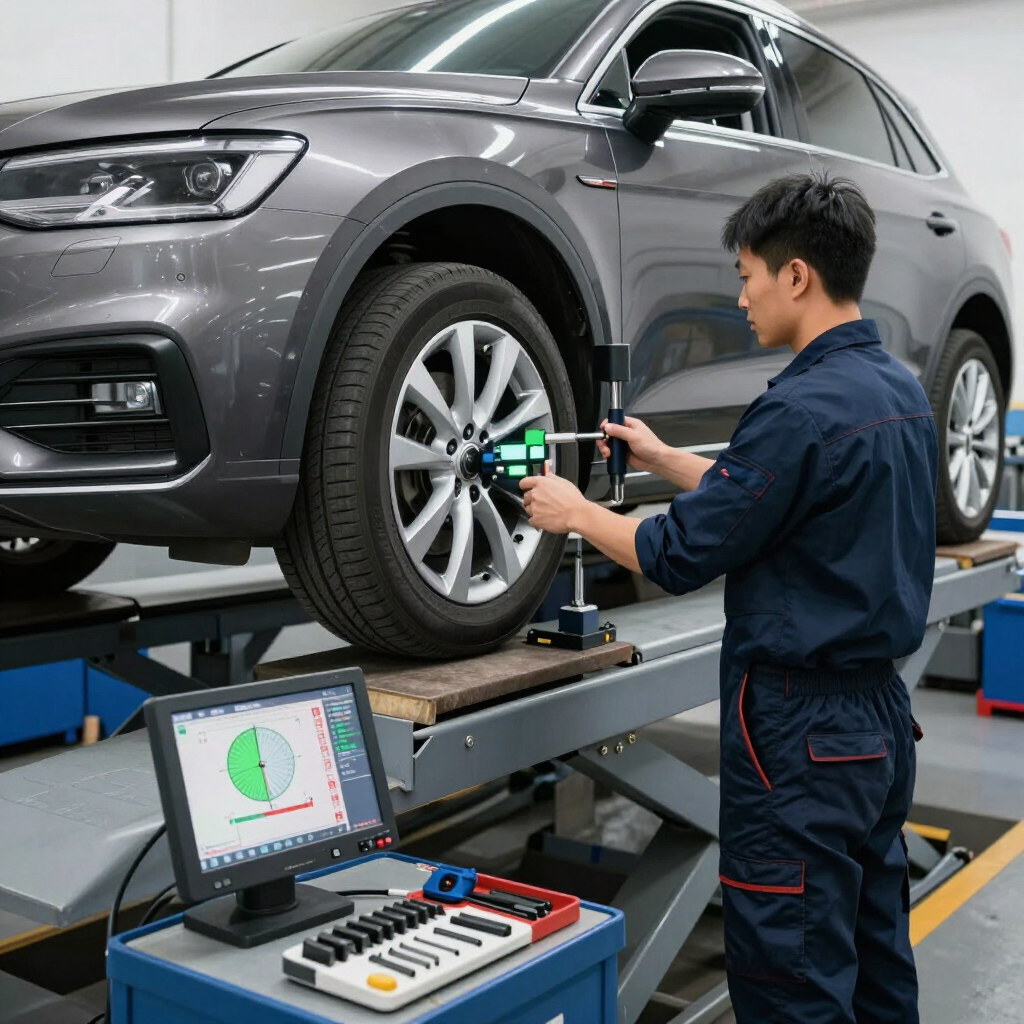
Once a battery is swollen, the next step should be a full battery and charging-system check. The battery itself needs replacement, but that is not the only piece. The alternator output, voltage regulation, cable condition, and battery tray area should all be looked at, too.
That is the only way to know whether the battery failed solely from age or whether the charging system contributed to it. If the root cause gets missed, the replacement battery ends up living the same short life as the one before it.
Do Not Wait On This One
Some car problems give you room to plan. A swollen battery is not one of them. If the case is bulging, lifting, or leaking, the battery has already crossed the line from routine wear into something more urgent. The safest choice is to deal with it now, not after one more commute or one more errand.
The longer it stays in the car, the greater the chance it has of leaving you stuck or damaging something around it.
Get Battery Service In Houston, TX, With Apex Automotive Care
If your battery looks swollen or your car has started showing signs of charging trouble, Apex Automotive Care in Houston, TX, can perform an inspection, test the system, and replace the battery before the problem causes more damage.
Bring it in right away and get ahead of it before a bad battery creates a bigger mess under the hood.