How Do I Know If My Engine Is Having a Serious Problem?
Your engine is one of the most important and expensive components in your vehicle. When something starts going wrong, recognizing the warning signs early can make a significant difference.
Maybe your check engine light suddenly starts flashing. Perhaps you hear a knocking noise when accelerating, notice smoke coming from the exhaust, or feel your vehicle shaking more than usual.
These symptoms can be concerning, especially when you're unsure whether the problem is minor or something that could lead to major engine damage.
So, how do you know if your engine is having a serious problem?
Common warning signs include engine knocking, a flashing check engine light, overheating, low oil pressure warnings, excessive exhaust smoke, severe engine misfires, sudden loss of power, unusual burning smells, and coolant or oil contamination.
Not every unusual noise or warning light means your engine is failing. However, certain symptoms require immediate attention because continuing to drive can increase the risk of serious damage.
At Apex Automotive Care, we diagnose engine performance problems for drivers throughout Houston, Southwest Houston, Westchase, Bellaire, Meyerland, Stafford, Sugar Land, and Missouri City.
What Are the Signs of Serious Engine Trouble?
Your vehicle may provide several warnings before a major engine failure occurs.
Some symptoms develop gradually, while others appear suddenly.
The most important warning signs include:
- Loud knocking or banging from the engine
- Flashing check engine light
- Engine overheating
- Low oil pressure warning
- Thick or persistent exhaust smoke
- Severe shaking or misfiring
- Sudden loss of engine power
- Unusual burning smells
- Oil or coolant contamination
- Repeated stalling
- Difficulty starting
- Unusual grinding or metallic noises
These symptoms don't all indicate the same problem.
The cause could involve engine lubrication, cooling, ignition, fuel delivery, sensors, internal mechanical components, or another system.
Understanding which symptoms require immediate action can help protect your vehicle.
1. Your Engine Is Making a Knocking Noise
One of the more concerning engine symptoms is a loud knocking, banging, or metallic tapping sound.
Engine knocking can have several causes.
Possible explanations include:
- Combustion-related knocking
- Low engine oil level
- Low oil pressure
- Worn internal engine bearings
- Valve train problems
- Timing-related problems
- Internal mechanical damage
Not every ticking or knocking noise means the engine is about to fail.
Some noises may come from accessories, exhaust components, or other systems.
However, a loud, deep knocking noise from inside the engine can indicate a serious mechanical problem.
When Is Engine Knocking Dangerous?
Engine knocking deserves urgent attention if:
- The noise becomes louder with engine speed
- It sounds like heavy metallic banging
- The oil pressure warning appears
- The engine loses power
- The noise begins suddenly
- The engine runs roughly
If you hear severe metallic knocking, stop driving as soon as it's safe, shut off the engine, and arrange an inspection.
Continuing to operate an engine with internal mechanical damage can make the problem significantly worse.
2. Your Check Engine Light Is Flashing
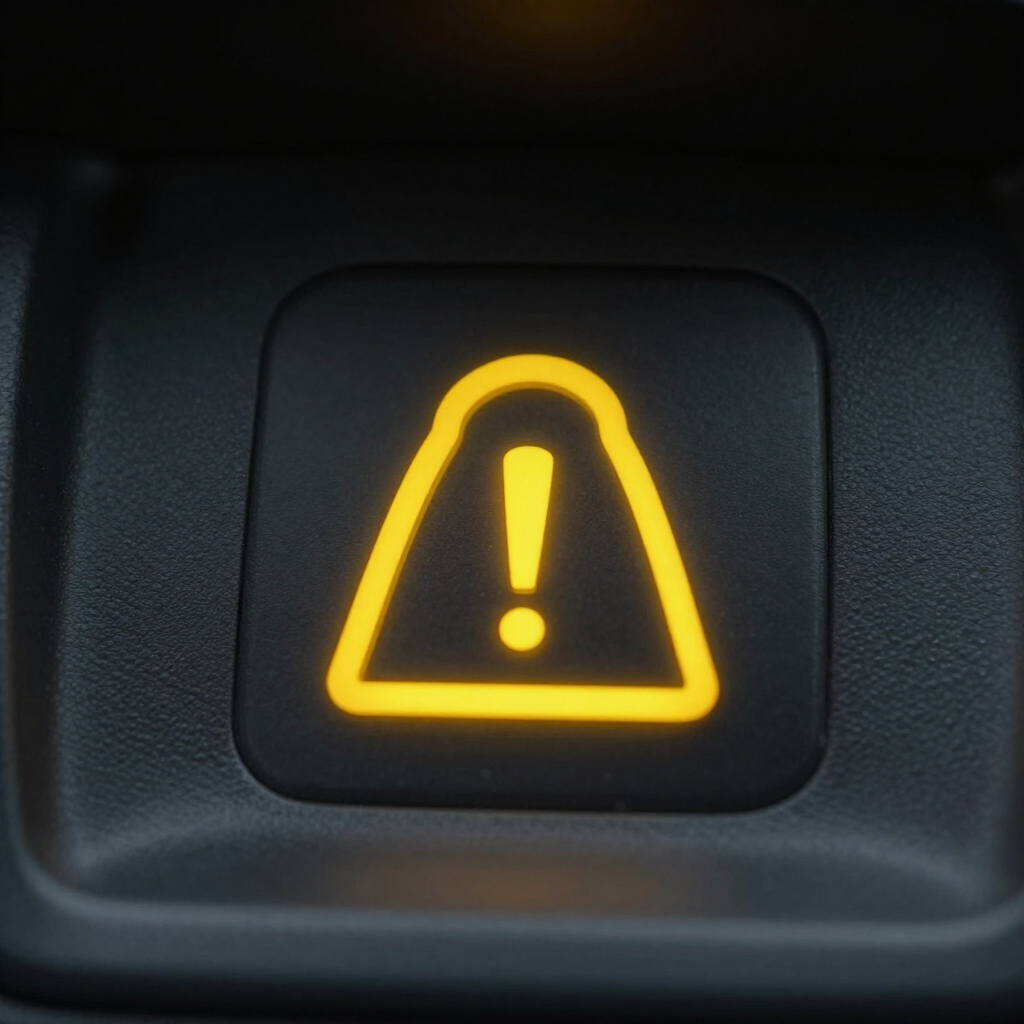
A flashing check engine light is one of the most important warnings drivers should recognize.
On many vehicles, a flashing check engine light indicates an engine misfire severe enough to risk catalytic converter damage.
An engine misfire occurs when combustion doesn't happen correctly in one or more cylinders.
Possible causes include:
- Worn spark plugs
- Ignition coil problems
- Fuel injector problems
- Fuel delivery issues
- Engine compression problems
- Internal mechanical problems
Is a Flashing Check Engine Light Serious?
Yes.
A flashing check engine light should be treated as urgent.
You may also notice:
- Engine shaking
- Rough acceleration
- Loss of power
- Poor engine performance
- Unusual exhaust smell
Avoid continued driving, particularly if the engine is shaking severely or losing power. Pull over safely and arrange professional assistance.
A flashing check engine light doesn't automatically mean the engine needs replacement, but the underlying problem should be diagnosed promptly.
Read our related guide:
Engine Misfire Codes Explained: P0300–P0308
3. Your Engine Is Overheating
An overheating engine is another warning that should never be ignored.
Your vehicle's cooling system helps regulate engine temperature.
If that system isn't operating correctly, engine temperatures can rise beyond their intended range.
Possible causes include:
- Low coolant
- Coolant leaks
- Thermostat problems
- Radiator problems
- Water pump failure
- Cooling fan problems
- Cooling system restrictions
- Internal engine problems
What Happens If You Keep Driving While Overheating?
Continued overheating can potentially lead to:
- Cylinder head damage
- Head gasket failure
- Engine component distortion
- Internal engine damage
- Major repair costs
If your temperature warning appears or the gauge enters the overheating range, pull over safely and shut off the engine.
Never remove a radiator cap while the engine is hot.
Hot pressurized coolant can cause serious burns.
For more information, read:
Why Is My Car Overheating? Common Causes
4. Your Oil Pressure Warning Light Comes On
Oil pressure is essential to engine lubrication.
Engine oil helps reduce friction and protect moving components.
If oil pressure becomes too low, critical engine parts may not receive sufficient lubrication.
Possible causes include:
- Low engine oil level
- Oil pump problems
- Oil pressure sensor faults
- Internal engine wear
- Oil pickup restrictions
- Other lubrication-system failures
Is Low Oil Pressure Dangerous?
Yes.
A genuine low oil pressure condition can cause serious engine damage very quickly.
If the oil pressure warning light appears while the engine is running, pull over safely and shut off the engine immediately.
Don't continue driving simply because the engine still seems to run normally.
A technician should determine whether the warning is caused by an actual pressure problem or a sensor or electrical fault.
5. Your Car Is Blowing Excessive Smoke From the Exhaust
Exhaust smoke can provide clues about engine condition.
However, the color and appearance alone don't provide a complete diagnosis.
Blue or Bluish Exhaust Smoke
Blue smoke can indicate that engine oil is entering the combustion process.
Possible causes include:
- Worn piston rings
- Valve seal problems
- Turbocharger problems, where equipped
- Other oil-control issues
Persistent blue smoke deserves inspection.
Thick White Exhaust Smoke
A small amount of white vapor during cold starts can be normal condensation.
However, persistent thick white exhaust smoke after the engine warms up may indicate a more serious problem.
Possible causes include coolant entering the combustion chamber or other engine-related issues.
If thick white smoke occurs with coolant loss or overheating, have the vehicle inspected promptly.
Black Exhaust Smoke
Black smoke can indicate excessive fuel or incomplete combustion.
Possible causes include:
- Fuel injector problems
- Air intake problems
- Sensor faults
- Fuel control issues
Persistent black smoke can indicate an engine performance problem requiring diagnosis.
6. Your Engine Is Shaking or Misfiring
Some engine vibration is normal.
However, severe shaking, rough running, or repeated misfires can indicate a problem.
Possible causes include:
- Spark plugs
- Ignition coils
- Fuel injectors
- Vacuum leaks
- Air-fuel mixture problems
- Engine compression issues
- Mechanical engine damage
You may notice shaking:
- At idle
- During acceleration
- While stopped at traffic lights
- Under engine load
- When the check engine light appears
Does Engine Shaking Mean the Engine Is Failing?
Not necessarily.
Many misfire problems can be repaired without replacing the engine.
However, severe or prolonged misfires can damage other components and should not be ignored.
If the check engine light is flashing or the engine is running extremely poorly, avoid continued driving.
7. Your Car Suddenly Loses Power
A sudden loss of power can be alarming, especially during highway driving.
You may notice:
- Slow acceleration
- Engine hesitation
- Difficulty maintaining speed
- Poor response when pressing the accelerator
- Engine struggling under load
- Vehicle entering reduced-power mode
Possible causes include:
- Ignition problems
- Fuel delivery issues
- Air intake problems
- Sensor faults
- Exhaust restrictions
- Turbocharger problems
- Internal engine problems
A sudden loss of power can create a safety concern in traffic.
If the vehicle cannot maintain speed safely, pull over and arrange assistance.
For additional information, read:
Why Is My Car Losing Power While Driving?
8. You Notice a Burning Smell From the Engine
Unusual burning smells should be investigated.
Different odors can point toward different problems.
Burning Oil Smell
A burning oil smell may occur when oil leaks onto hot engine or exhaust components.
Possible causes include:
- Valve cover gasket leaks
- Oil filter or housing leaks
- Other engine oil leaks
Sweet Smell
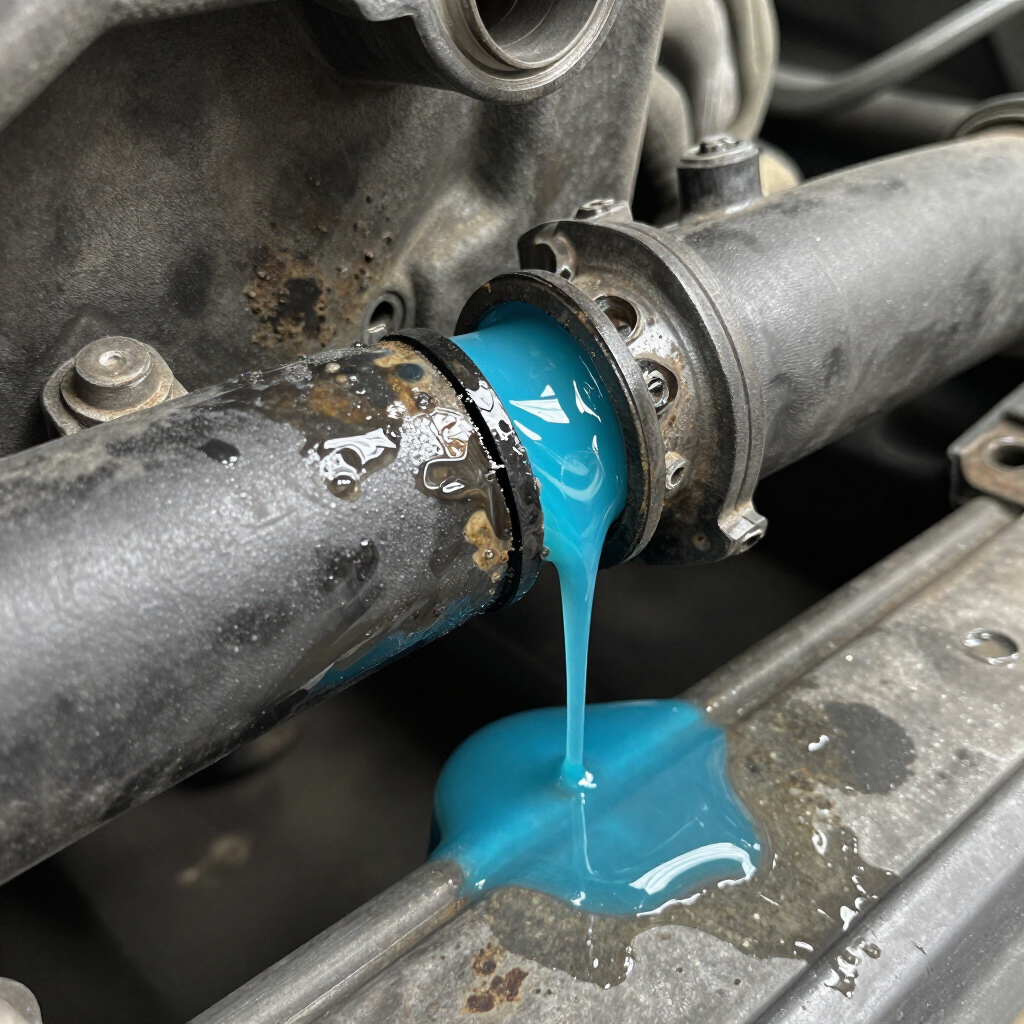
A sweet smell may indicate coolant escaping from the cooling system.
Possible causes include:
- Radiator leaks
- Hose leaks
- Water pump leaks
- Coolant reservoir problems
Burning Rubber or Plastic Smell
This may involve:
- Belt problems
- Electrical components
- Overheated wiring
- Other heat-related issues
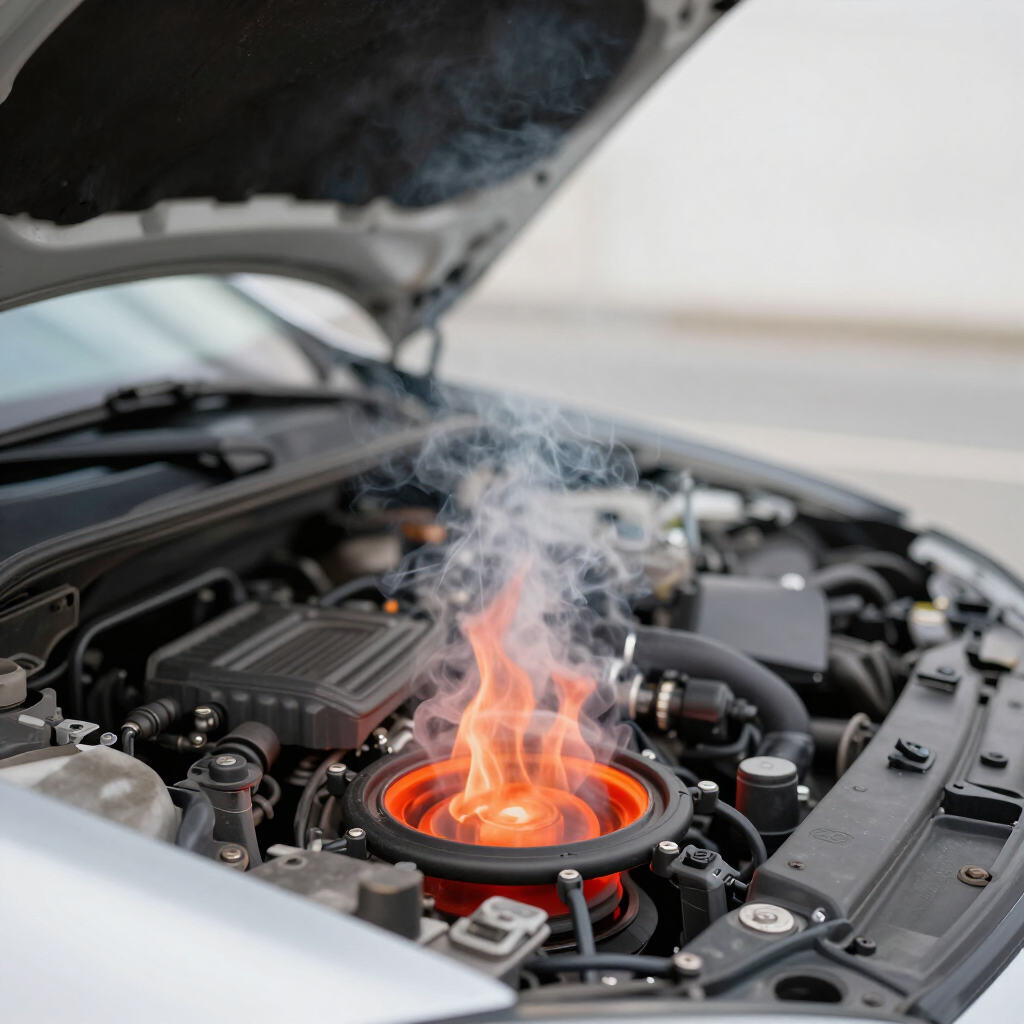
If you see smoke from under the hood, pull over safely and shut off the engine. If there are signs of fire, move away from the vehicle and contact emergency services.
9. Your Engine Is Losing Oil
Engines need the correct oil level and pressure to operate safely.
If your vehicle is repeatedly low on oil, there may be an external leak or excessive oil consumption.
Possible causes include:
- Oil leaks
- Worn piston rings
- Valve seal problems
- Turbocharger problems
- Other internal engine issues
A vehicle that repeatedly requires oil between services should be inspected.
If the oil level becomes too low, the engine may suffer inadequate lubrication.
This can increase the risk of internal damage.
10. Your Coolant Keeps Disappearing
Repeated coolant loss can indicate a cooling-system leak or an internal engine problem.
Possible causes include:
- Radiator leak
- Hose leak
- Water pump leak
- Coolant reservoir leak
- Heater core leak
- Head gasket problem
- Other internal coolant leaks
Coolant loss doesn't automatically mean the engine has a blown head gasket.
However, if coolant loss occurs with overheating, thick white exhaust smoke, rough running, or oil contamination, further diagnosis is important.
Read:
Why Is My Car Losing Coolant? Causes & Solutions
11. Your Engine Keeps Stalling
Engine stalling can occur for several reasons.
Possible causes include:
- Fuel delivery problems
- Ignition problems
- Crankshaft position sensor faults
- Electrical failures
- Air intake issues
- Engine management problems
- Mechanical problems
A vehicle that stalls while driving can create a serious safety concern.
You may lose power assistance for steering or braking, depending on the vehicle's design.
If the engine repeatedly stalls, have it diagnosed promptly.
12. Your Engine Won't Start
A no-start condition can be caused by many different problems.
Some involve relatively straightforward electrical repairs.
Others may involve fuel delivery, ignition, sensors, timing, or internal mechanical problems.
The first question is whether the engine cranks.
Engine Doesn't Crank
Possible causes include:
- Weak battery
- Starter motor failure
- Electrical connection problems
- Starter control problems
Engine Cranks but Won't Start
Possible causes include:
- Fuel pump failure
- Ignition problems
- Sensor faults
- Engine management problems
- Mechanical timing or compression issues
A no-start condition doesn't automatically mean the engine is ruined.
For more information, read:
Why Does My Car Crank but Not Start?
How Do I Know If My Engine Is About to Fail?
There is no single symptom that can reliably predict exactly when an engine will fail.
However, certain warning signs deserve urgent attention.
These include:
- Severe metallic knocking
- Genuine low oil pressure
- Repeated or severe overheating
- Sudden loss of engine power
- Heavy persistent exhaust smoke
- Severe misfiring
- Major oil or coolant loss
- Engine seizure or failure to rotate
These symptoms may indicate serious problems, but a proper diagnosis is needed to determine the extent of damage.
What Engine Warning Signs Mean I Should Stop Driving Immediately?
Some symptoms warrant stopping the vehicle as soon as it is safe.
Warning signRecommended actionLow oil pressure warning while engine is runningPull over safely and shut off the engineEngine overheatingStop safely and shut off the engineLoud, severe metallic knockingStop driving and arrange an inspectionFlashing check engine light with severe shakingAvoid continued driving and arrange assistanceSmoke from under the hoodStop safely, shut off the engine, and assess from a safe locationSudden major loss of powerMove out of traffic safely and arrange assistanceEngine repeatedly stallingAvoid continued driving until diagnosed
If the vehicle is unsafe to operate, towing is preferable to risking additional damage or a breakdown in traffic.
Can a Serious Engine Problem Happen Without a Check Engine Light?
Yes.
The check engine light monitors certain engine and emissions-related conditions, but it doesn't detect every mechanical problem.
For example, some mechanical failures may not immediately trigger a diagnostic trouble code.
A vehicle can experience:
- Oil leaks
- Coolant leaks
- Mechanical noises
- Certain lubrication problems
- Some internal engine problems
without a check engine light appearing right away.
That's why unusual symptoms should not be ignored simply because the dashboard has no warning lights.
Does a Check Engine Light Mean My Engine Is Bad?
Not necessarily.
A steady check engine light can appear for many different reasons.
Some are relatively minor, while others require prompt repair.
Possible causes include:
- Emissions-system faults
- Sensor problems
- Ignition problems
- Fuel-system issues
- Air intake problems
- Engine performance problems
A flashing check engine light is generally more urgent than a steady light because it can indicate a potentially damaging misfire.
However, diagnostic testing is necessary to determine the actual problem.
Can a Bad Engine Still Run Normally?
Some serious problems develop gradually.
An engine may continue running even while experiencing:
- Oil consumption
- Coolant loss
- Developing internal wear
- Minor misfires
- Early mechanical damage
That doesn't mean every unusual symptom indicates a major engine failure.
It means early diagnosis can be valuable before the problem becomes more severe.
What Causes Major Engine Damage?
Several conditions can contribute to serious engine damage.
Lack of Lubrication
Insufficient oil pressure or oil level can allow excessive friction and wear.
Overheating
Excessive engine temperature can damage gaskets, seals, cylinder heads, and internal components.
Mechanical Timing Problems
Certain timing belt or timing chain failures can cause internal engine damage, depending on engine design.
Continued Operation With Serious Symptoms
Driving while an engine is severely overheating, knocking, or experiencing inadequate lubrication can increase damage.
Poor Maintenance
Neglected maintenance can contribute to lubrication, cooling, and other engine problems over time.
However, even well-maintained vehicles can experience unexpected mechanical failures.
Can an Engine Be Repaired Without Being Replaced?
Yes.
Many engine-related problems can be repaired without replacing the entire engine.
Examples may include:
- Ignition coil replacement
- Spark plug replacement
- Fuel injector repair
- Sensor replacement
- Cooling-system repair
- Oil leak repair
- Certain gasket repairs
- Electrical repairs
- Other component-level repairs
More serious internal damage may require major engine repair, rebuilding, or replacement.
The correct recommendation depends on the specific failure, extent of damage, vehicle condition, and repair economics.
How Do Mechanics Diagnose Serious Engine Problems?
Proper engine diagnosis depends on the symptoms.
Diagnostic Trouble Code Scan
A scan tool can retrieve diagnostic trouble codes and relevant vehicle data.
However, a trouble code identifies a system or condition—not automatically the exact part that needs replacement.
Engine Performance Testing
Technicians may evaluate:
- Misfires
- Fuel delivery
- Ignition operation
- Sensor data
- Air intake
- Engine controls
Cooling-System Testing
If overheating or coolant loss is present, the cooling system may require pressure testing and component inspection.
Oil Pressure Testing
If an oil pressure warning is present, actual engine oil pressure may need to be measured using appropriate equipment.
Compression Testing
Compression testing can help evaluate how effectively the engine cylinders seal.
Cylinder Leak-Down Testing
A leak-down test can help identify certain internal sealing problems.
Mechanical Inspection
Unusual noises, timing problems, fluid contamination, and other mechanical symptoms may require additional inspection.
The purpose is to determine whether the problem is an external component failure, a performance issue, or internal engine damage.
Why Proper Engine Diagnosis Matters
Not every rough-running engine needs replacement.
Not every knocking noise comes from internal engine bearings.
Not every overheating problem means the head gasket has failed.
And not every check engine light indicates serious engine damage.
For example:
A vehicle may run roughly because of a failing ignition coil.
A vehicle may overheat because of a leaking radiator hose.
A vehicle may lose power because of a sensor or fuel-delivery problem.
A vehicle may make unusual noises because of an accessory or belt-related component.
These problems can have very different repair requirements.
Replacing parts without identifying the cause can become expensive and may not solve the original issue.
How Much Does It Cost to Repair a Serious Engine Problem?
Engine repair costs vary significantly.
The price depends on:
- Vehicle make and model
- Cause of the problem
- Parts required
- Labor involved
- Component accessibility
- Extent of engine damage
- Whether internal engine repairs are necessary
- Whether replacement is more practical
A sensor or ignition repair is very different from replacing a damaged cylinder head or engine assembly.
The most effective way to understand repair cost is to have the problem diagnosed before deciding what work is necessary.
Can Regular Maintenance Help Prevent Major Engine Problems?
Routine maintenance is one of the best ways to reduce the risk of preventable engine problems.
Important maintenance items include:
- Engine oil and filter changes
- Cooling-system inspections
- Coolant service according to manufacturer recommendations
- Belt inspections
- Spark plug replacement when due
- Fluid-level checks
- Addressing leaks promptly
- Following factory maintenance schedules
Routine maintenance cannot guarantee that an engine will never fail.
However, it can help identify developing problems before they cause more extensive damage.
Apex Automotive Care provides general vehicle maintenance and factory scheduled maintenance for Houston drivers.
General Vehicle Maintenance in Houston, TX
Factory Scheduled Maintenance in Houston, TX
Why Engine Problems Matter for Houston Drivers
Houston driving conditions can place significant demands on vehicles.
Drivers regularly encounter:
- High outside temperatures
- Stop-and-go traffic
- Extended idling
- Long highway commutes
- Heavy air-conditioning use
- Congested roads
These conditions can make existing cooling-system or engine performance problems more noticeable.
For example, a vehicle with a developing cooling-system problem may begin overheating during prolonged traffic.
An engine with a misfire may struggle under acceleration or highway load.
If your vehicle begins behaving differently, don't assume the problem will resolve itself.
Engine Diagnostics Near Westchase
If you're in Westchase and notice engine knocking, overheating, misfires, or sudden loss of power, have your vehicle inspected.
Apex Automotive Care helps drivers from Westchase and surrounding communities diagnose engine performance problems.
Engine Diagnostics Near Bellaire
Drivers in Bellaire experiencing unusual engine noises, warning lights, or rough running should have the cause identified before the symptoms worsen.
Early diagnosis may help prevent additional damage.
Engine Diagnostics Near Meyerland
If your vehicle is overheating, losing coolant, or shaking excessively around Meyerland, a professional inspection can help determine whether the problem involves the cooling system, ignition system, or internal engine components.
Engine Diagnostics Near Stafford
Drivers commuting from Stafford into Houston should pay attention to changes in engine performance, particularly sudden loss of power or overheating.
If the vehicle is unsafe to drive, arrange transportation rather than continuing the trip.
Engine Diagnostics Near Sugar Land
If you're in Sugar Land and your check engine light is flashing, your engine is knocking, or your vehicle is losing power, schedule an inspection promptly.
Proper testing can help identify whether the problem requires a relatively straightforward repair or more extensive engine work.
Engine Diagnostics Near Missouri City
Drivers in Missouri City experiencing rough idling, engine misfires, coolant loss, or unusual engine noises can have their vehicle evaluated to identify the underlying cause.
Engine Diagnostics in Southwest Houston
Apex Automotive Care provides engine diagnostics and automotive repair for drivers throughout Southwest Houston.
Our shop is located at:
Apex Automotive Care
7050 Southwest Freeway
Houston, TX 77074
We serve drivers throughout Southwest Houston, Westchase, Bellaire, Meyerland, Stafford, Sugar Land, Missouri City, and surrounding Houston communities.
Frequently Asked Questions About Serious Engine Problems
How do I know if my engine is having a serious problem?
Common warning signs include severe knocking, overheating, low oil pressure warnings, flashing check engine lights, excessive exhaust smoke, severe misfires, sudden loss of power, and repeated stalling.
What are the first signs of engine failure?
Early signs may include unusual noises, rough running, oil consumption, coolant loss, overheating, decreased performance, or warning lights. These symptoms require diagnosis because they can have multiple causes.
What does a failing engine sound like?
Possible noises include knocking, banging, metallic tapping, or grinding. However, engine noises can also come from external components, so the source should be identified before assuming internal damage.
Does engine knocking mean my engine is bad?
Not always. Knocking can have several causes, including combustion-related problems or mechanical wear. Loud, deep metallic knocking deserves urgent inspection.
Is a flashing check engine light serious?
Yes. On many vehicles, it indicates a misfire that could damage the catalytic converter. Avoid continued driving and arrange diagnosis promptly.
Can an engine be damaged without the check engine light coming on?
Yes. Certain mechanical problems, oil leaks, coolant leaks, and lubrication issues may not immediately trigger a check engine light.
How do I know if my head gasket is blown?
Possible symptoms include coolant loss, overheating, persistent white exhaust smoke, misfires, or fluid contamination. Testing is required to confirm the cause.
Can low oil damage my engine?
Yes. Insufficient oil or oil pressure can reduce lubrication and cause serious internal damage.
Can overheating ruin an engine?
Yes. Severe or prolonged overheating can damage cylinder heads, gaskets, and internal engine components.
Why is my engine shaking so badly?
Possible causes include ignition misfires, fuel-system problems, air intake issues, engine mounts, or internal mechanical problems.
Does white exhaust smoke mean engine failure?
Not necessarily. Light vapor during cold starts may be normal condensation. Persistent thick white smoke, particularly with coolant loss or overheating, warrants inspection.
Can a serious engine problem be repaired?
Many engine problems can be repaired without replacing the engine. The correct repair depends on the cause and extent of damage.
Should I drive with an engine knocking?
If the engine is making loud or severe metallic knocking noises, stop driving as soon as it's safe and arrange an inspection.
What should I do if my oil pressure light comes on?
Pull over safely and shut off the engine immediately. Have the vehicle inspected before continuing to drive.
How much does serious engine repair cost?
The cost depends on the vehicle, failure, required parts, labor, and extent of damage. A professional diagnosis is needed before an accurate estimate can be provided.
Where can I get engine diagnostics in Houston?
Apex Automotive Care provides engine diagnostics and automotive repair at 7050 Southwest Freeway, Houston, TX 77074, serving Southwest Houston, Westchase, Bellaire, Meyerland, Stafford, Sugar Land, Missouri City, and surrounding communities.
Don't Ignore the Warning Signs of Serious Engine Trouble
If you're asking “How do I know if my engine is having a serious problem?”, pay attention to changes in how your vehicle sounds, runs, and responds.
Some of the most important warning signs include:
- Loud engine knocking
- Flashing check engine light
- Engine overheating
- Low oil pressure warning
- Thick exhaust smoke
- Severe engine shaking
- Sudden loss of power
- Repeated stalling
- Oil or coolant loss
- Unusual burning smells
These symptoms don't automatically mean your engine needs replacement.
However, ignoring them can sometimes allow a repairable problem to become more serious.
At Apex Automotive Care, our team can inspect your vehicle, diagnose engine performance problems, and explain what repairs may be necessary.
Apex Automotive Care
7050 Southwest Freeway
Houston, TX 77074
Schedule Your Engine Diagnostic Inspection Online: