Why Is My Car Losing Power While Driving? Causes & Solutions | Houston Auto Repair
Have you ever been driving and suddenly felt your car lose power?
Maybe you press the gas pedal but the vehicle doesn't accelerate like it normally does. Perhaps the engine starts hesitating, the RPMs drop, the Check Engine Light comes on, or your vehicle struggles to maintain speed.
Why is my car losing power while driving?
There isn't one single answer. Loss of power can be caused by problems with the engine, fuel system, ignition system, air intake, transmission, exhaust system, electrical system, or other components.
Sometimes the cause is relatively simple, such as a clogged air filter or worn spark plugs. In other situations, loss of power can indicate a more serious engine, fuel-delivery, transmission, or exhaust problem.
For Houston drivers, sudden loss of power can be particularly concerning when merging onto highways, navigating heavy traffic, or driving on busy roads.
At Apex Automotive Care, our team helps drivers throughout Houston diagnose engine performance problems and determine what repairs their vehicles actually need.
What Does It Mean When a Car Loses Power While Driving?
When a vehicle loses power, the engine isn't producing or delivering the expected amount of power to the wheels.
You may notice symptoms such as:
- The car won't accelerate normally
- The engine hesitates when you press the gas pedal
- RPMs drop unexpectedly
- The vehicle struggles going uphill
- The engine feels like it is bogging down
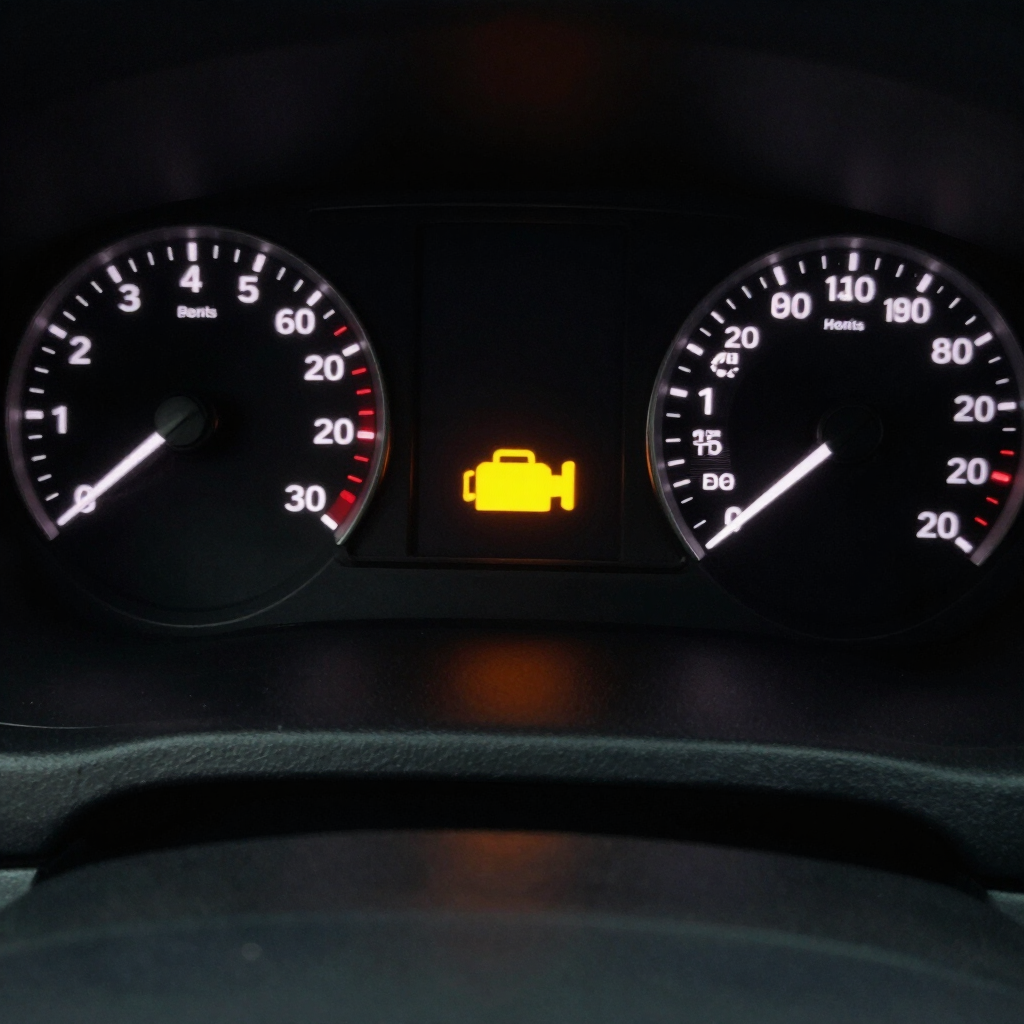
- The Check Engine Light comes on
- The vehicle shakes or runs rough
- The engine stalls
- Fuel economy gets worse
- The transmission doesn't shift normally
- The car goes into limp mode
The exact symptoms can provide important clues about what's causing the problem.
Common Reasons Your Car Is Losing Power While Driving
There are many possible causes of power loss. Some of the most common include:
- Engine misfire
- Bad spark plugs or ignition coils
- Fuel delivery problems
- Clogged fuel injectors
- Restricted air intake
- Mass airflow or other sensor problems
- Vacuum leaks
- Restricted catalytic converter
- Transmission problems
- Overheating
- Electrical or charging-system problems
- Low engine compression
Let's take a closer look.
1. Engine Misfire
An engine misfire is one of the potential causes of sudden or gradual power loss.
A misfire occurs when one or more cylinders aren't producing power as they should.
You may experience:
- Loss of acceleration
- Engine shaking
- Rough idle
- Hesitation
- Reduced fuel economy
- Check Engine Light
- Poor engine performance
Misfires can be caused by worn spark plugs, faulty ignition coils, fuel injector problems, vacuum leaks, timing issues, compression problems, and other conditions.
Apex Automotive Care recently published a detailed guide to engine misfire codes P0300–P0308, including what these codes mean and why a diagnostic code doesn't automatically tell you which part needs to be replaced.
Can You Drive With an Engine Misfire?
If your vehicle is severely misfiring, shaking, or the Check Engine Light is flashing, you shouldn't continue driving unnecessarily.
A severe misfire can potentially damage emissions components such as the catalytic converter.
The sooner the underlying problem is diagnosed, the better.
2. Worn Spark Plugs
Spark plugs play an important role in the combustion process.
If spark plugs become worn, fouled, damaged, or otherwise unable to produce a strong spark, the engine may not burn the air-fuel mixture properly.
Possible symptoms include:
- Hesitation
- Rough running
- Loss of power
- Poor acceleration
- Reduced fuel economy
- Difficult starting
- Misfire codes
Spark plugs are maintenance items on many vehicles, although the recommended replacement interval varies by vehicle.
Following your manufacturer's maintenance schedule can help keep the ignition system operating properly.
3. Failing Ignition Coils
Ignition coils provide the electrical energy needed to create the spark at the spark plugs.
When an ignition coil starts failing, it can cause a misfire and noticeable loss of engine power.
You may notice the problem more when accelerating or placing the engine under load.
A failing coil may also trigger a Check Engine Light.
However, replacing ignition coils simply because a vehicle is losing power isn't always the right approach. Proper diagnosis is important because several different problems can produce similar symptoms.
4. Fuel Delivery Problems
Your engine needs the proper amount of fuel to produce power.
If fuel delivery is restricted or interrupted, the engine may hesitate, struggle under acceleration, or lose power while driving.
Potential fuel-related problems include:
- Fuel pump problems
- Restricted fuel filter
- Fuel injector issues
- Low fuel pressure
- Electrical problems affecting fuel delivery
- Fuel-system contamination
A vehicle may run relatively well at low speeds but struggle when more fuel is needed during acceleration.
Fuel-pressure testing and other diagnostic procedures can help determine whether the fuel system is responsible.
5. Dirty or Restricted Fuel Injectors
Fuel injectors need to deliver fuel to the engine in the correct amount and at the correct time.
If an injector becomes clogged, restricted, or develops an electrical problem, fuel delivery to one or more cylinders can be affected.
This can result in:
- Hesitation
- Poor acceleration
- Misfires
- Rough running
- Loss of power
- Reduced fuel economy
A fuel injector shouldn't automatically be replaced based solely on a symptom. Testing can help determine whether an injector is actually causing the problem.
6. Restricted Air Intake
Your engine needs the right amount of air to operate properly.
A severely restricted air filter or another obstruction in the intake system can limit airflow into the engine.
This may contribute to poor acceleration or reduced performance.
Regular maintenance can help prevent filters and other maintenance items from becoming excessively restricted.
Apex Automotive Care provides General Vehicle Maintenance in Houston, including oil changes, fluid services, filter changes, and other routine maintenance.
7. Faulty Engine Sensors
Modern engines use sensors to monitor conditions such as airflow, engine temperature, throttle position, oxygen levels, and other operating parameters.
If a sensor provides inaccurate information, the engine computer may adjust fuel delivery, ignition timing, or other functions incorrectly.
Depending on the problem, you may experience:
- Poor acceleration
- Hesitation
- Rough running
- Reduced fuel economy
- Check Engine Light
- Loss of power
A diagnostic scan can identify stored trouble codes, but the code itself doesn't necessarily mean the sensor is automatically defective.
Testing is still important.
8. Vacuum or Intake Leaks
A vacuum leak can allow air into the engine that the vehicle's computer isn't expecting.
This can disrupt the air-fuel mixture and potentially cause:
- Rough idle
- Hesitation
- Poor acceleration
- Misfires
- Reduced power
- Check Engine Light
Some vacuum leaks are difficult to find by visual inspection alone.
Depending on the symptoms, a technician may use additional testing to locate the source.
9. A Restricted Catalytic Converter
The exhaust system needs to allow combustion gases to leave the engine.
If a catalytic converter becomes severely restricted, exhaust gases may not flow properly.
That can potentially cause:
- Loss of power
- Poor acceleration
- Reduced engine performance
- Poor fuel economy
- Engine running problems
- Check Engine Light
A restricted catalytic converter can sometimes be mistaken for a fuel or ignition problem because the vehicle may feel like it's struggling to breathe.
Proper testing is necessary before replacing an expensive exhaust component.
10. Transmission Problems
Not every power-loss complaint is caused by the engine.
The transmission is responsible for transferring engine power to the wheels.
If the transmission isn't operating properly, the vehicle may feel sluggish even though the engine itself is running.
You may notice:
- Delayed acceleration
- Slipping
- Hard shifting
- Unexpected gear changes
- High RPM without normal acceleration
- Shuddering
- Transmission warning lights
If the engine RPM rises but the vehicle doesn't accelerate normally, the transmission or drivetrain may need to be inspected.
11. Engine Overheating
An overheating engine can also experience reduced performance.
If the engine temperature becomes too high, the vehicle may reduce performance to help protect the engine.
You may see:
- Temperature warning light
- Temperature gauge rising
- Reduced engine power
- Poor performance
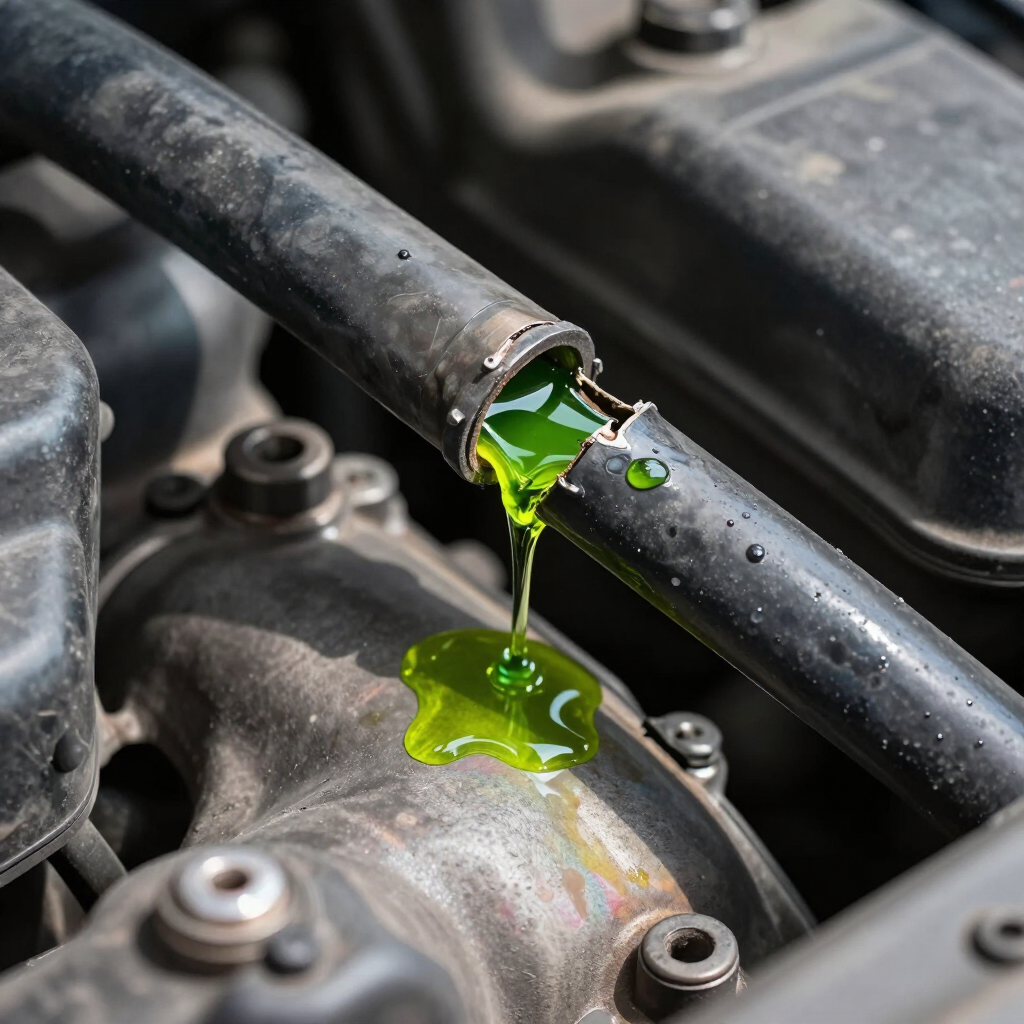
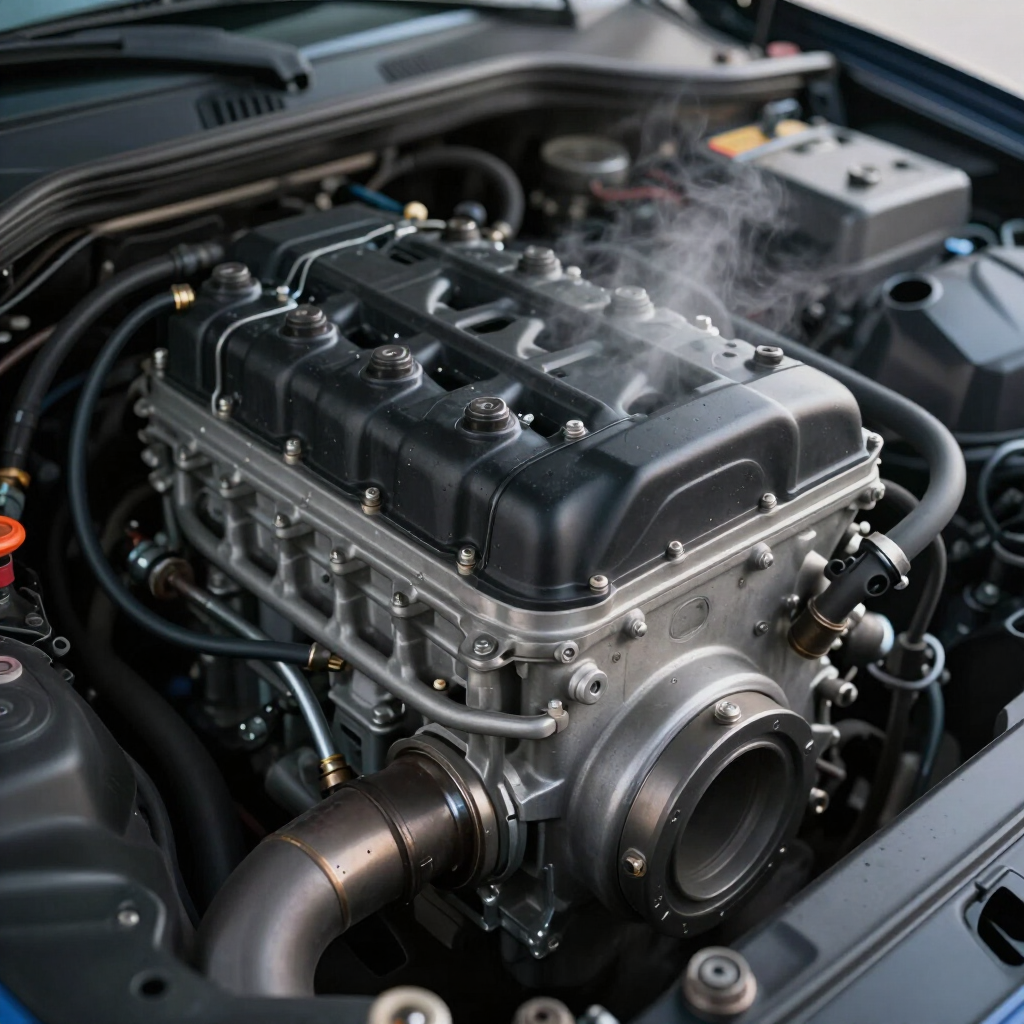
- Steam or coolant leaks
- Engine running differently than normal
Do not continue driving an overheating vehicle unnecessarily.
Overheating can cause serious engine damage if ignored.
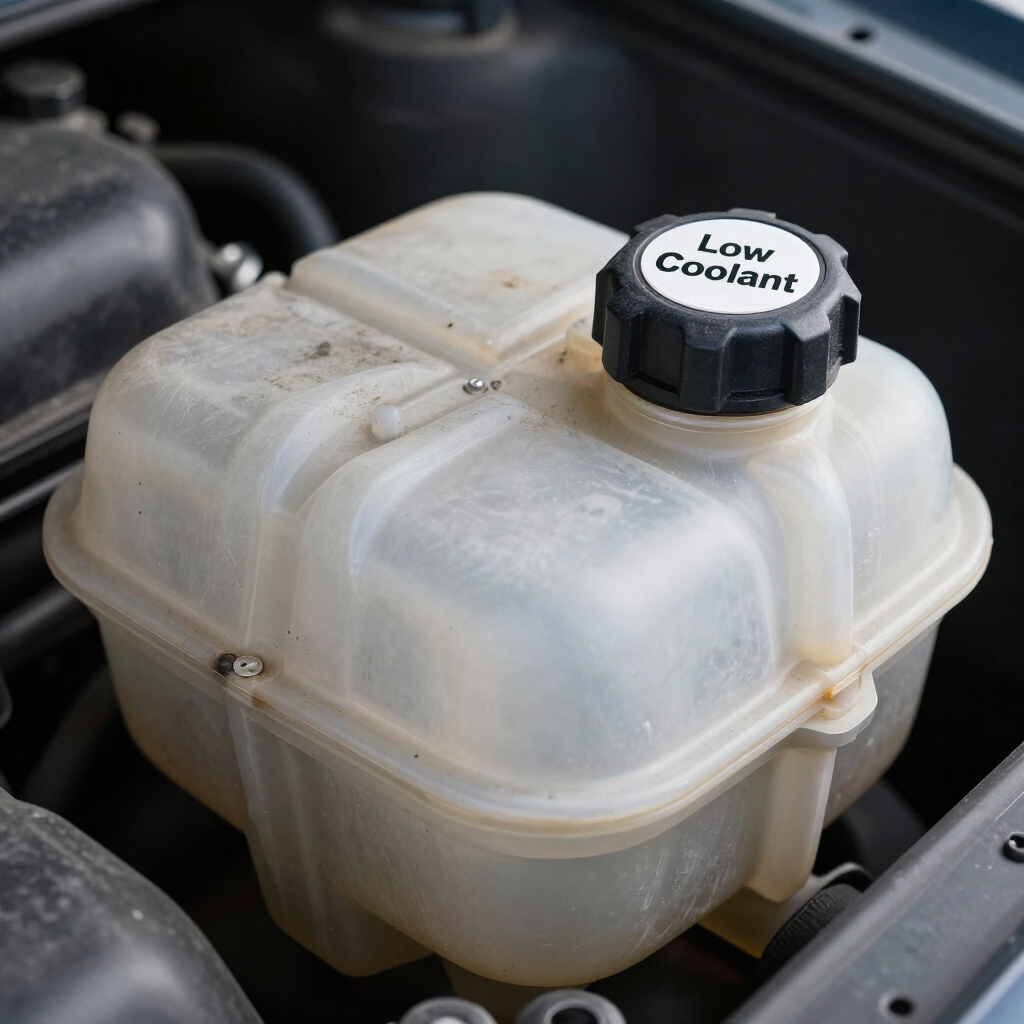
If you're experiencing overheating or coolant-related problems, Apex Automotive Care provides Cooling System service in Houston, including inspection of components such as the radiator, hoses, thermostat, water pump, and coolant system.
12. Alternator or Electrical Problems
Your vehicle depends on electrical power to operate its engine computer, ignition system, fuel system, sensors, and many other components.
A failing alternator may not provide enough electrical power to keep the vehicle's systems operating correctly.
Possible warning signs include:
- Dim headlights
- Slow engine cranking
- Electrical problems
- Dashboard warning lights
- Battery repeatedly going dead
- Vehicle performance problems
Apex Automotive Care provides Alternator Repair & Service in Houston, including alternator testing, repair, and replacement when necessary.
Why Does My Car Lose Power When I Accelerate?
If your vehicle loses power specifically when you press the accelerator, the engine may be struggling when additional power is demanded.
Potential causes include:
- Ignition problems
- Fuel delivery problems
- Restricted air intake
- Fuel injector problems
- Vacuum leaks
- Sensor problems
- Exhaust restrictions
- Transmission problems
- Engine mechanical issues
A vehicle may appear to run normally while cruising but reveal a problem when you demand more power.
That's why it's important to tell your technician exactly when the power loss occurs.
Why Does My Car Lose Power Going Uphill?
Going uphill puts additional load on the engine and transmission.
If your vehicle loses significant power on hills but feels relatively normal on flat roads, the problem may only become apparent when the engine is under greater load.
Potential causes include:
- Weak ignition system
- Fuel delivery problems
- Restricted exhaust
- Airflow problems
- Engine compression issues
- Transmission problems
Pay attention to whether the engine RPM changes, whether the transmission shifts, and whether the Check Engine Light comes on.
These details can help with diagnosis.
Why Does My Car Lose Power and Then Come Back?
Intermittent power loss can be especially frustrating because the vehicle may seem normal again after a few seconds or after restarting the engine.
Possible causes can include:
- Intermittent sensor problems
- Ignition problems
- Fuel delivery issues
- Electrical problems
- Overheating
- Transmission issues
- Engine control problems
Intermittent problems can sometimes be harder to diagnose because the symptom may not be present when the vehicle arrives at the repair shop.
Tell your technician exactly when the power loss happens and what the vehicle does immediately before and after the event.
What Does Limp Mode Have to Do With Loss of Power?
Some modern vehicles can enter a reduced-power or "limp" mode when the vehicle computer detects a potentially serious problem.
The vehicle may deliberately limit engine performance to protect certain components or allow you to get the vehicle to a safe location.
You may notice:
- Limited acceleration
- Reduced maximum speed
- Transmission staying in one gear
- Warning lights
- Check Engine Light
- Poor throttle response
If your vehicle suddenly enters reduced-power mode, don't assume the problem will disappear after restarting the engine.
The underlying issue should be diagnosed.
What Should I Do If My Car Suddenly Loses Power While Driving?
Safety should come first.
If your vehicle suddenly loses power while you're driving:
- Stay calm and maintain control.
- Move to a safe location if possible.
- Turn on your hazard lights if appropriate.
- Pay attention to warning lights and gauges.
- Don't continue driving if the vehicle is overheating or running dangerously.
- Have the vehicle inspected if the problem persists or returns.
Sudden power loss can create a dangerous situation, particularly on highways or in heavy traffic.
How Is Loss of Engine Power Diagnosed?
Because so many different problems can cause similar symptoms, proper diagnosis is important.
A technician may inspect or test:
- Engine computer codes
- Live engine data
- Spark plugs
- Ignition coils
- Fuel pressure
- Fuel injectors
- Air intake
- Engine sensors
- Vacuum system
- Exhaust system
- Charging system
- Battery and alternator
- Transmission operation
- Engine compression
Not every vehicle requires every test.
The diagnostic process should be based on the symptoms and test results.
Why You Shouldn't Just Replace Parts
A common mistake is replacing parts based on symptoms alone.
For example, a car that loses power could have a bad spark plug, fuel injector, ignition coil, sensor, restricted catalytic converter, fuel pump problem, transmission issue, or something else entirely.
Replacing parts without confirming the cause can become expensive.
Professional diagnostics help identify the actual source of the problem before repairs are recommended.
Can Regular Maintenance Help Prevent Loss of Power?
Regular maintenance can help reduce the risk of certain performance problems.
Following the vehicle manufacturer's maintenance schedule can help ensure that important maintenance items are inspected or replaced when needed.
Apex Automotive Care offers Factory Scheduled Maintenance based on manufacturer guidelines.
Factory-recommended maintenance may include filter replacement, fluid services, tire rotation, and inspections of important vehicle components.
Auto Repair for Loss of Power in Houston, TX
If your car is losing power while driving, don't ignore it.
Loss of power can be caused by something relatively simple or by a problem that requires immediate attention.
Apex Automotive Care provides professional automotive diagnostics and repair in Houston, TX.
Our team can help investigate problems involving engine performance, ignition, fuel delivery, electrical systems, cooling systems, and other vehicle components.
Apex Automotive Care
7050 Southwest Freeway
Houston, TX 77074
(713) 779-9140
Auto Repair Near Westchase
If you're searching for auto repair near Westchase because your vehicle is losing power, a professional diagnostic inspection can help determine whether the problem is related to the engine, fuel system, ignition system, transmission, or another component.
Don't wait for intermittent power loss to become a complete breakdown.
Auto Repair Near Bellaire
Drivers in Bellaire who notice hesitation, poor acceleration, or sudden loss of power should pay attention to when the problem occurs.
Whether it happens during acceleration, uphill driving, or highway speeds, those details can help identify the cause.
Auto Repair Near Meyerland
If your car is losing power around Meyerland, especially when accelerating from a stop or merging into traffic, don't ignore the symptom.
A proper diagnostic inspection can help identify the source before the problem becomes more serious.
Auto Repair Near Stafford
For drivers searching for auto repair near Stafford, sudden loss of engine power can have many possible causes.
From ignition and fuel problems to transmission or exhaust issues, proper testing is the best way to determine what's actually wrong.
Auto Repair Near Sugar Land
If you're in Sugar Land and your vehicle struggles to accelerate or loses power while driving, schedule an inspection.
Continuing to drive with a significant performance problem can potentially lead to additional damage depending on the cause.
Auto Repair Near Missouri City
Drivers in Missouri City experiencing intermittent power loss should make note of whether the Check Engine Light comes on and whether the vehicle returns to normal after restarting.
That information can be useful during diagnosis.
Auto Repair in Southwest Houston
If you're looking for auto repair in Southwest Houston, Apex Automotive Care is conveniently located at:
7050 Southwest Freeway
Houston, TX 77074
We help drivers throughout Southwest Houston and surrounding communities diagnose and repair vehicle performance problems.
Frequently Asked Questions
Why is my car losing power while driving?
Possible causes include engine misfires, ignition problems, fuel delivery issues, restricted airflow, sensor problems, exhaust restrictions, transmission problems, overheating, and electrical issues.
Why does my car lose power when I accelerate?
Acceleration increases the engine's demand for air, fuel, ignition, and proper transmission operation. Problems with any of these systems can cause hesitation or loss of power.
Why does my car lose power going uphill?
Going uphill puts additional load on the engine and transmission. Problems with fuel delivery, ignition, airflow, exhaust, engine compression, or transmission operation may become more noticeable under load.
Can bad spark plugs cause loss of power?
Yes. Worn or damaged spark plugs can contribute to misfires, hesitation, poor acceleration, and reduced engine performance.
Can a bad alternator cause my car to lose power?
Electrical problems caused by a failing charging system can affect vehicle operation. Warning signs can include dim lights, slow cranking, electrical problems, and dashboard warning lights.
Can a clogged catalytic converter cause loss of power?
A severely restricted catalytic converter can restrict exhaust flow and potentially cause poor acceleration and loss of engine performance.
Why does my car lose power and then work normally again?
Intermittent power loss can be caused by electrical problems, sensors, ignition components, fuel delivery issues, overheating, transmission problems, or other intermittent faults.
What does limp mode mean?
Limp mode, or reduced-power mode, is a protective strategy used by some vehicles when the computer detects a problem that could affect engine or transmission operation.
Is it safe to drive a car that is losing power?
It depends on the cause and severity. If the vehicle is severely losing power, overheating, shaking, stalling, or showing a flashing Check Engine Light, avoid unnecessary driving and have it diagnosed promptly.
Schedule Engine Diagnostics in Houston
If your car is losing power while driving, don't guess at the cause.
A problem with the ignition, fuel system, air intake, exhaust, transmission, electrical system, or engine can produce similar symptoms. Professional diagnosis can help determine what's actually happening.
📍
Apex Automotive Care
7050 Southwest Freeway
Houston, TX 77074
📞 (713) 779-9140
Serving drivers throughout Houston, Southwest Houston, Westchase, Bellaire, Meyerland, Stafford, Sugar Land, and Missouri City.
👉 Schedule Your Appointment Online
Don't wait until a loss-of-power problem leaves you stranded. Get your vehicle checked and find out what's causing the performance issue.