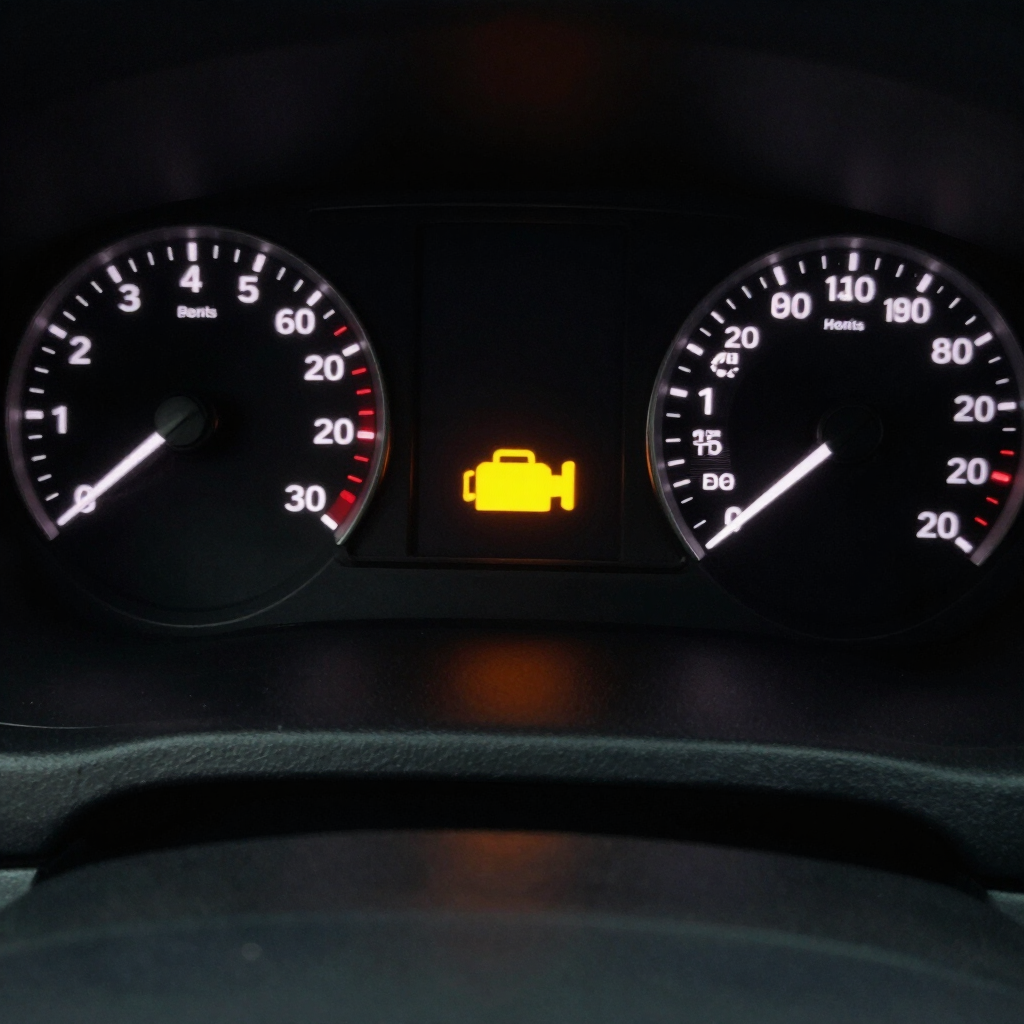
Did Your Check Engine Light Turn On With a P0300, P0301, P0302, or P0303 Code?
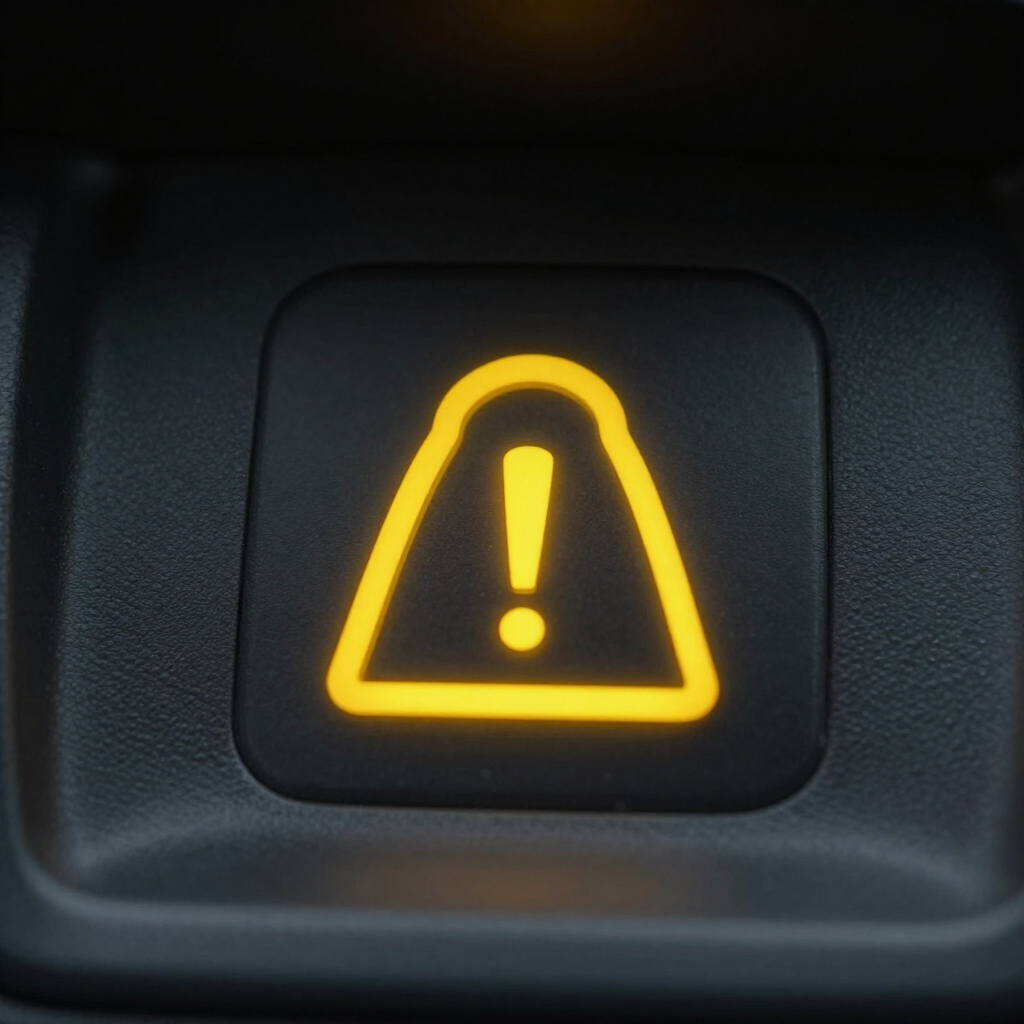
If your Check Engine Light has illuminated and a scan tool displays a P0300, P0301, P0302, P0303, P0304, P0305, P0306, P0307, or P0308 trouble code, your vehicle's engine computer has detected a misfire.
These diagnostic trouble codes can tell you which cylinder is misfiring—or whether the misfires are occurring across multiple cylinders—but they don't necessarily tell you what component has failed.
A misfire can be caused by something relatively simple, such as a worn spark plug, or something more involved, such as a fuel-delivery problem, vacuum leak, ignition failure, timing issue, or loss of engine compression.
At Apex Automotive Care, our Houston technicians use modern diagnostic technology and professional testing to identify the cause of engine performance problems rather than simply replacing parts based on a trouble code.
Apex Automotive Care currently lists Engine Diagnostics and Check Engine Light service among its automotive services.
If your Check Engine Light is on or your engine is running poorly, Book Now and schedule your diagnostic appointment with Apex Automotive Care.
What Do Engine Misfire Codes Mean?
Modern vehicles use an onboard computer system to monitor engine operation.
When the engine computer detects that one or more cylinders are not producing power as expected, it can store a Diagnostic Trouble Code (DTC).
Misfire codes in the P0300–P0308 range generally identify a misfire condition.
However, the code itself doesn't necessarily identify the failed part.
For example, a P0301 tells you that the computer detected a misfire in Cylinder 1. It does not automatically mean that the spark plug, ignition coil, or fuel injector is bad.
Possible causes include:
- Worn or fouled spark plugs
- Faulty ignition coils
- Fuel injector problems
- Vacuum leaks
- Low engine compression
- Timing problems
- Electrical faults
- Fuel-delivery issues
- Sensor problems
- Internal engine problems
That's why replacing parts based solely on a code can result in unnecessary repairs.
A professional diagnostic process helps determine the actual cause.
P0300 – Random or Multiple Cylinder Misfire
A P0300 code indicates that the engine computer has detected random or multiple-cylinder misfires.
Unlike P0301 through P0308, the P0300 code does not identify one specific cylinder.
The misfires may occur intermittently or across multiple cylinders.
Common Causes of P0300
Possible causes include:
- Low fuel pressure
- Vacuum leaks
- Dirty or restricted fuel injectors
- Worn spark plugs
- Weak ignition coils
- Mass Airflow Sensor problems
- Fuel-delivery problems
- Timing issues
- Engine mechanical problems
Because several different systems can cause a P0300, proper diagnosis is especially important.
A random misfire can sometimes indicate a problem affecting the entire engine rather than one individual component.
P0301 – Cylinder 1 Misfire
A P0301 code means the engine computer has detected a misfire in Cylinder 1.
Potential causes include:
- Worn spark plug
- Failed ignition coil
- Faulty fuel injector
- Vacuum leak near the cylinder
- Wiring or electrical problem
- Low compression
- Valve or timing problem
A technician may test the ignition system, inspect the spark plug, evaluate fuel delivery, and perform additional testing if necessary.
P0302 – Cylinder 2 Misfire
A P0302 indicates a misfire in Cylinder 2.
Depending on the vehicle and engine configuration, diagnosis may include inspecting:
- Spark plug condition
- Ignition coil operation
- Fuel injector performance
- Electrical connections
- Engine compression
- Vacuum leaks
A proper diagnostic process helps determine whether the problem follows an ignition component, remains with the cylinder, or points toward another system.
P0303 – Cylinder 3 Misfire
A P0303 code identifies a misfire in Cylinder 3.
If the problem continues, you may notice:
- Rough engine operation
- Poor acceleration
- Reduced fuel economy
- Engine shaking
- Increased emissions
- Check Engine Light illumination
A persistent misfire shouldn't be ignored because continued misfires can place additional stress on the vehicle's emissions system.
P0304 – Cylinder 4 Misfire
A P0304 means the engine computer has identified a misfire in Cylinder 4.
Potential causes can include:
- Fouled or worn spark plug
- Weak ignition coil
- Fuel injector problem
- Vacuum leak
- Wiring issue
- Low compression
- Mechanical engine problem
Because several different components can create the same code, replacing the spark plug or ignition coil without testing may not solve the problem.
P0305 – Cylinder 5 Misfire
A P0305 code indicates a misfire in Cylinder 5.
Possible symptoms include:
- Rough idle
- Poor acceleration
- Engine shaking
- Hesitation
- Reduced fuel economy
- Flashing Check Engine Light
The exact diagnostic process depends on the vehicle's engine configuration and symptoms.
P0306 – Cylinder 6 Misfire
A P0306 identifies Cylinder 6 as the affected cylinder.
Depending on the vehicle, technicians may inspect:
- Coil-on-plug ignition components
- Spark plugs
- Fuel injector operation
- Compression
- Valve-train operation
- Wiring and electrical connections
A cylinder-specific code provides useful information, but it is only the beginning of the diagnostic process.
P0307 – Cylinder 7 Misfire
A P0307 code identifies a misfire in Cylinder 7.
This code is generally found on engines with at least seven cylinders, such as many V8 applications.
Potential causes include:
- Ignition-system problems
- Fuel injector issues
- Vacuum leaks
- Wiring problems
- Compression loss
- Mechanical engine problems
Additional testing is necessary to determine which component is responsible.
P0308 – Cylinder 8 Misfire
A P0308 indicates that the engine computer has detected a misfire in Cylinder 8.
Possible causes are similar to other cylinder-specific misfire codes and can include ignition, fuel, electrical, air-intake, timing, or mechanical problems.
The code identifies the affected cylinder but does not automatically identify the failed component.
Why Engine Misfires Should Never Be Ignored
Some drivers continue driving after seeing the Check Engine Light because the vehicle still seems to run normally.
That can be risky.
A persistent engine misfire can allow unburned fuel to enter the exhaust system. Depending on the severity and cause of the misfire, this can generate excessive heat and potentially damage emissions components such as the catalytic converter.
Ignoring a misfire can also lead to:
- Reduced engine performance
- Poor fuel economy
- Increased emissions
- Catalytic-converter damage
- Additional engine stress
- More expensive repairs
If the Check Engine Light is flashing, or the vehicle is running extremely rough, losing power, or behaving abnormally, avoid unnecessary driving and have the vehicle evaluated promptly.
Can a Bad Ignition Coil Cause a Cylinder Misfire?
Absolutely.
Ignition coils are a common potential cause of cylinder-specific misfire codes.
A failing ignition coil may produce symptoms such as:
- Rough idle
- Engine hesitation
- Poor acceleration
- Reduced power
- Hard starting
- Check Engine Light illumination
However, a misfire code does not automatically mean the ignition coil is bad.
A technician may test the coil and compare its performance with other cylinders before recommending replacement.
Can Spark Plugs Cause Misfire Codes?
Yes.
Worn, fouled, damaged, or incorrectly gapped spark plugs can contribute to engine misfires.
Spark-plug problems can potentially trigger cylinder-specific codes such as:
- P0301
- P0302
- P0303
- P0304
- P0305
- P0306
- P0307
- P0308
Following your vehicle manufacturer's recommended maintenance schedule can help reduce ignition-related problems.
For routine maintenance, see Apex Automotive Care's General Vehicle Maintenance service.
Can a Fuel Injector Cause a Misfire?
Yes.
A fuel injector that is clogged, restricted, electrically faulty, or otherwise malfunctioning may not deliver the correct amount of fuel to a cylinder.
This can create a cylinder-specific misfire.
For example, a faulty injector could potentially contribute to a P0304 code if Cylinder 4 isn't receiving the fuel it needs.
Fuel-system testing can help determine whether the injector is actually responsible before it is replaced.
Can a Vacuum Leak Cause a Misfire?
Yes.
An intake or vacuum leak can allow unmetered air into the engine and disrupt the air-fuel mixture.
Depending on the location and severity of the leak, this may produce:
- Rough idle
- Hesitation
- Lean-running conditions
- Multiple-cylinder misfires
- A P0300 code
- Cylinder-specific misfire codes
A technician may perform a vacuum or smoke test when appropriate to locate leaks that aren't immediately visible.
Can Low Compression Cause a Misfire?
Yes.
Mechanical engine problems can create persistent cylinder-specific misfires.
Compression loss may be associated with:
- Burned valves
- Worn piston rings
- Head-gasket problems
- Valve-train damage
- Other internal engine problems
Compression testing and, when appropriate, leak-down testing can help determine whether the misfire is mechanical rather than ignition- or fuel-related.
How Apex Automotive Care Diagnoses Engine Misfire Codes
At Apex Automotive Care, the goal is to identify the actual cause of the problem rather than simply replacing parts because a diagnostic code appeared.
Depending on the vehicle and symptoms, a professional engine-misfire diagnosis may involve:
- Computer diagnostic scanning
- Live-data analysis
- Freeze-frame data review
- Ignition-coil testing
- Spark-plug inspection
- Fuel-injector evaluation
- Compression testing
- Vacuum-leak inspection
- Fuel-pressure testing
- Electrical testing
- Road testing
Not every vehicle requires every test.
The diagnostic process should be based on the vehicle, symptoms, stored codes, and results of previous tests.
Apex Automotive Care states that its Houston technicians use advanced diagnostic technology and ASE-certified expertise to diagnose and repair vehicle problems.
Why Proper Diagnosis Matters
A diagnostic trouble code is a clue—not a parts list.
For example, a P0302 code could potentially be caused by a spark plug, ignition coil, fuel injector, vacuum leak, wiring problem, compression issue, or another condition.
Replacing several components without confirming the cause can become expensive quickly.
Professional diagnosis helps narrow down the possibilities and determine which repair is actually needed.
That approach can save both time and money.
What Happens If You Keep Driving With a Misfire?
The consequences depend on the cause and severity of the misfire.
A mild intermittent misfire may produce only occasional symptoms, while a severe misfire can cause noticeable shaking, poor acceleration, and a flashing Check Engine Light.
Continued operation with a significant misfire can potentially damage emissions components and may allow an underlying engine problem to become worse.
If your vehicle is experiencing a persistent misfire, have it diagnosed rather than continuing to drive and hoping the Check Engine Light goes away.
Frequently Asked Questions About Engine Misfire Codes
What does P0300 mean?
P0300 indicates that the engine computer has detected random or multiple-cylinder misfires.
Unlike P0301 through P0308, it doesn't identify one specific cylinder.
What does P0301 mean?
P0301 indicates that the engine computer detected a misfire in Cylinder 1.
The code identifies the affected cylinder but doesn't necessarily identify the failed component.
Can I drive with a P0301 code?
It depends on the severity of the misfire.
If the vehicle is running rough, losing power, or the Check Engine Light is flashing, continued driving can potentially cause additional damage. Have the vehicle inspected promptly.
Will replacing spark plugs fix a cylinder misfire?
Sometimes, but not always.
Worn spark plugs can cause misfires, but ignition coils, fuel injectors, vacuum leaks, wiring problems, compression loss, timing problems, and other issues can produce similar symptoms.
Proper diagnosis is important before replacing parts.
Can a bad fuel injector trigger a P0304 code?
Yes.
A clogged, restricted, or malfunctioning fuel injector can potentially cause a Cylinder 4 misfire and contribute to a P0304 code.
Can an engine misfire clear itself?
An intermittent misfire may temporarily disappear, but that doesn't necessarily mean the underlying problem has been fixed.
The Check Engine Light may turn off after the condition is no longer detected, but the underlying fault may still return.
Why is my Check Engine Light flashing?
A flashing Check Engine Light can indicate a severe condition, including an active misfire that may damage the catalytic converter.
If your Check Engine Light is flashing and the engine is running poorly, avoid unnecessary driving and have the vehicle diagnosed promptly.
Professional Engine Diagnostics in Houston, TX
Whether your vehicle has a P0300 random misfire, a P0303 Cylinder 3 misfire, a P0306 Cylinder 6 misfire, or another P0300-series code, accurate diagnosis is the key to an effective repair.
Apex Automotive Care provides professional engine diagnostics and automotive repair in Houston, TX. The shop's website lists Engine Diagnostics and Check Engine Light service among its offerings, along with general auto repair, electrical repair, preventive maintenance, transmission, cooling-system, brake, tire, alignment, and other services.
Apex Automotive Care is located at:
7050 Southwest Freeway
Houston, TX 77074
The shop currently lists hours of Monday through Friday from 8:00 AM to 6:00 PM and Saturday from 8:00 AM to 3:00 PM.
If your Check Engine Light is on, your engine is shaking, or you've received a P0300–P0308 code, don't guess at the repair.
Book Your Engine Diagnostic
Book Now — Schedule Your Engine Diagnostic
Or call to speak with the Apex Automotive Care team.