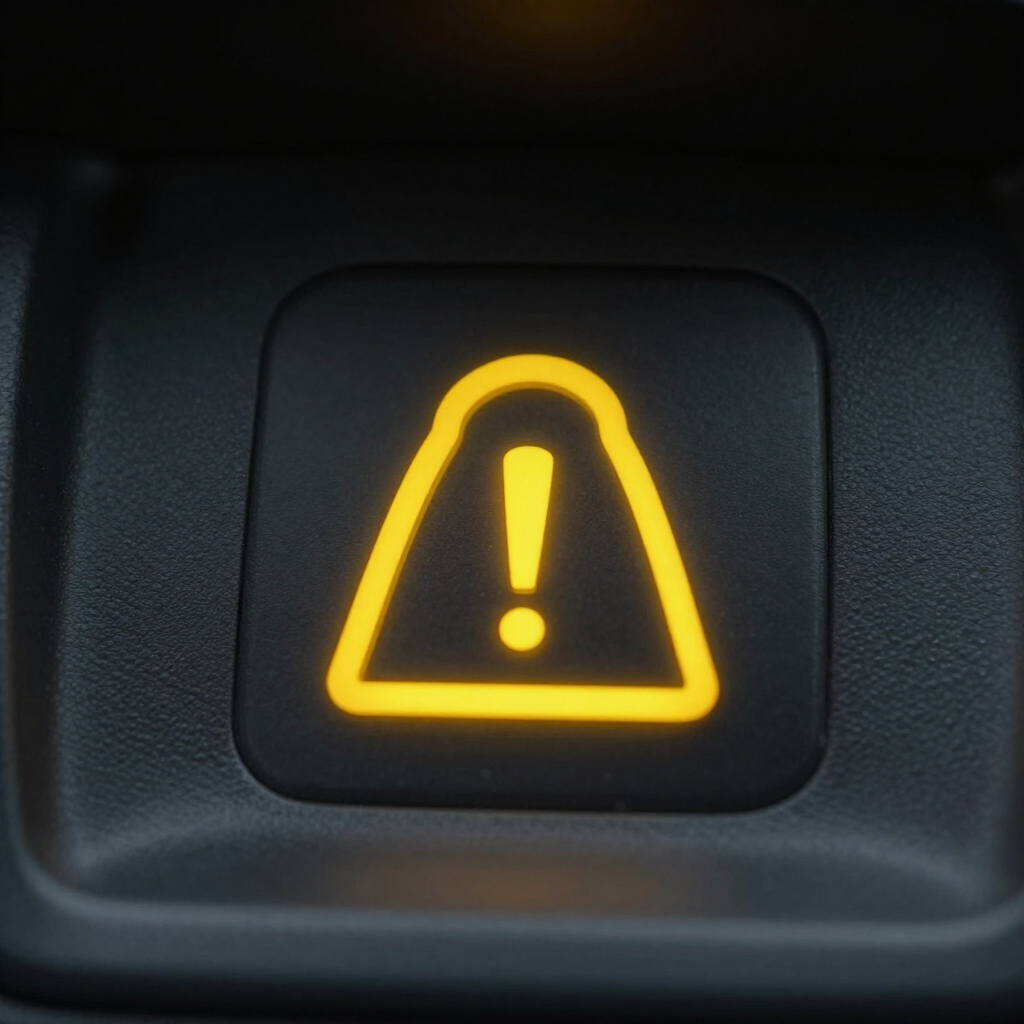
The first part of the trip is uneventful. Then, somewhere after the highway stretch, a warning appears, or the car begins doing something it never does on short errands. By the time it has cooled at the repair shop, the symptom has disappeared.
Components reach temperatures they don't see during a quick trip, fluids stay hot, and small faults have more time to develop. These seven complaints are worth describing with the timing attached, because a check immediately after a cold start can miss them.
1. Charging Output Drops When the Alternator Is Hot
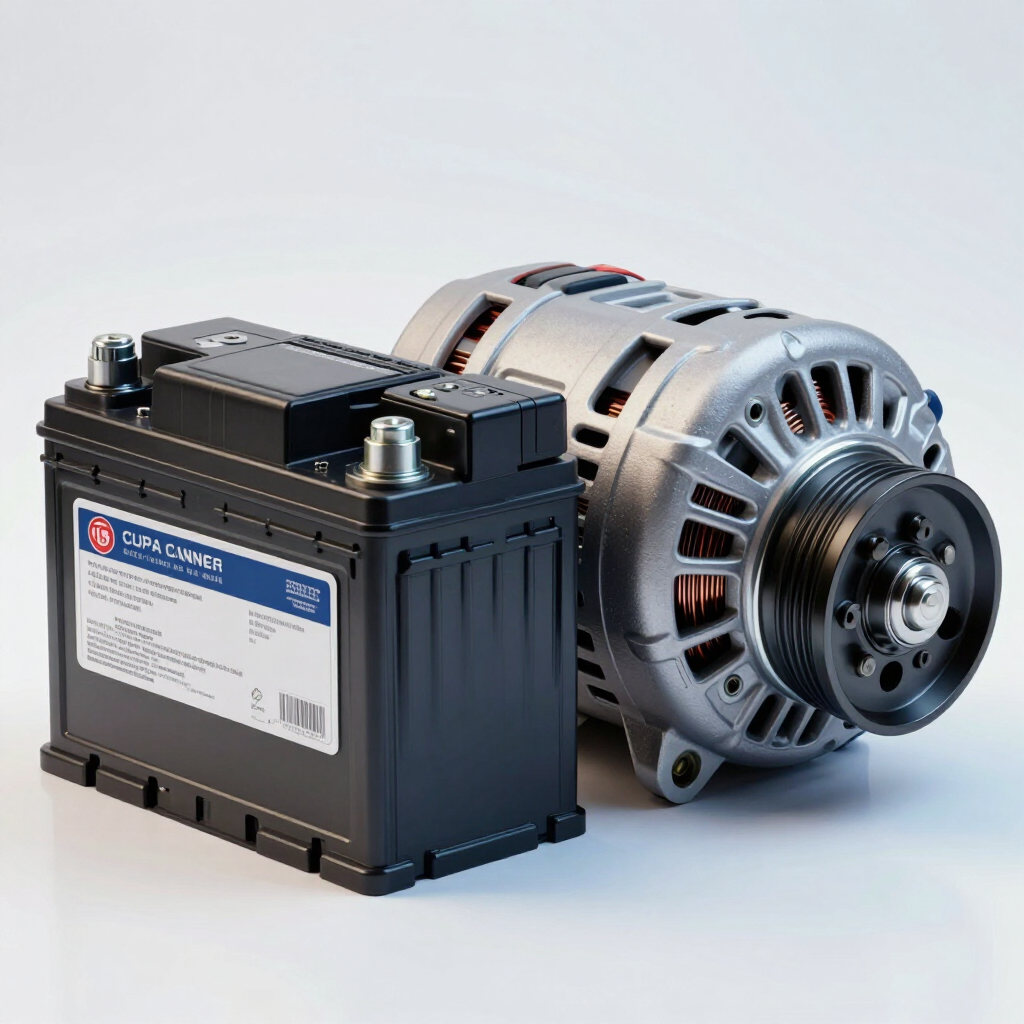
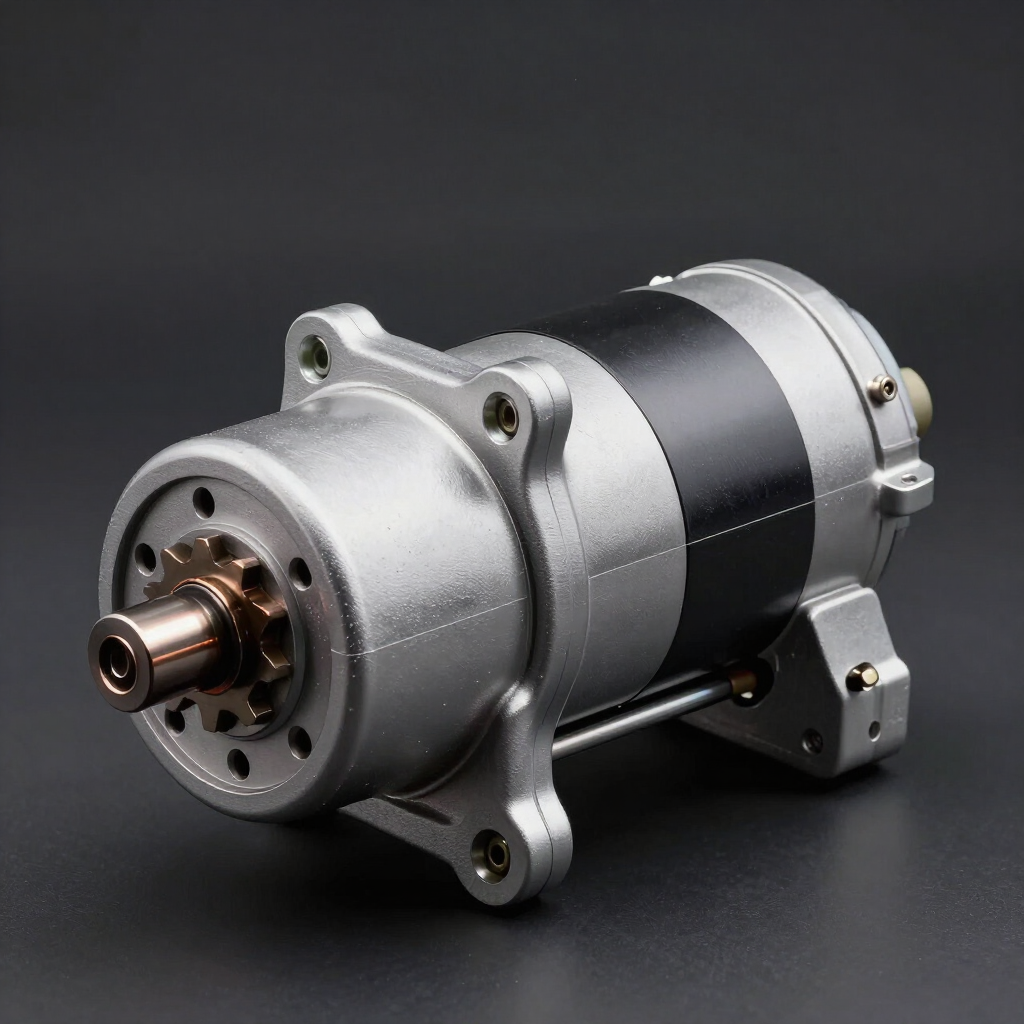
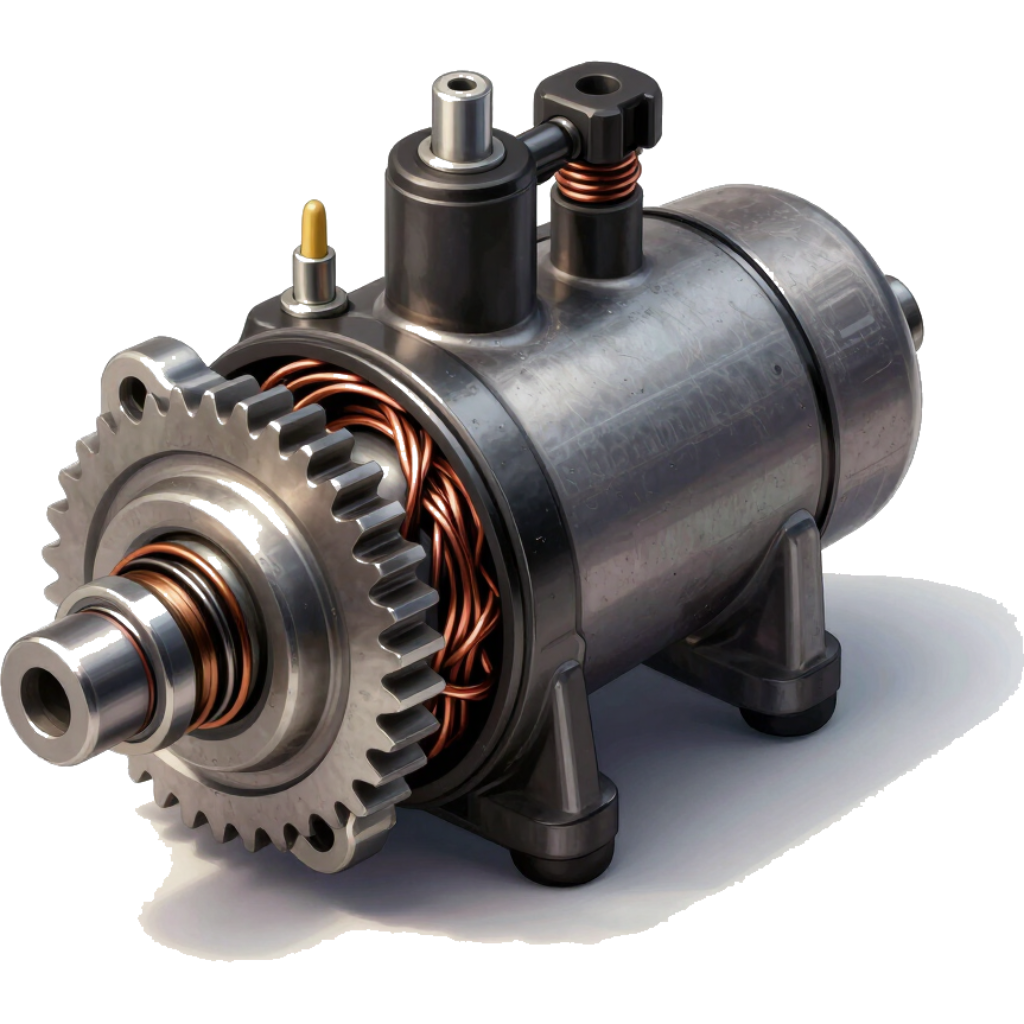
An alternator with an intermittent internal fault can operate correctly early in a drive and lose output later. The first sign might be a charging warning, dimming lights, or several electronic systems reporting trouble at the same time. A battery tested after the trip can be low because charging stopped, not because the battery caused it.
Evaluate the charging system at the temperature where the failure occurs. At our shop, a normal cold reading doesn't end the diagnosis when the customer consistently reports a late-trip warning. Keep unnecessary driving to a minimum if electrical power is fading.
2. A Cooling Leak Opens Under Heat and Pressure
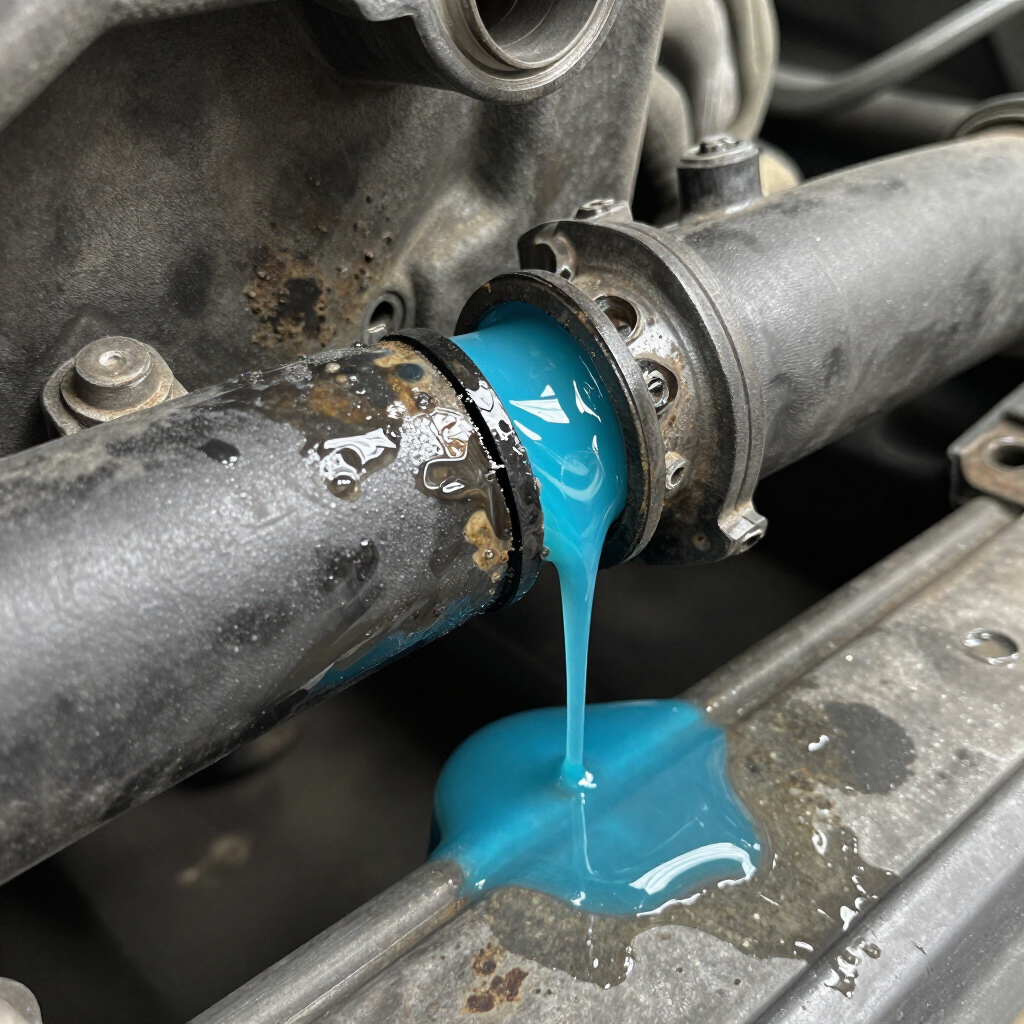
A radiator seam, plastic housing, or hose connection can remain dry until the cooling system is fully hot. A longer trip can leave dried residue, a sweet odor after parking, or a dropping reservoir level without an obvious puddle. An undertray can retain the escaping coolant.
A pressure test and examination of the affected area help locate the leak. Never remove a hot pressure cap to investigate. If temperature climbs or steam appears, stop safely and shut down; continuing the drive to make the leak easier to find risks engine damage.
3. Transmission Shifts Change After the Fluid Heats Up
A transmission can engage normally at first, then develop a delayed shift or shudder after extended driving. Fluid temperature changes its behavior, and internal pressure leakage or control faults can become more apparent once hot.
Record the road speed, gear, and whether the engine speed rises without matching acceleration. A controlled road test can compare commands, slip information, and temperatures. Check the fluid level using the proper procedure. Adding fluid based on a symptom alone can leave the unit overfilled while the original fault remains.
4. An Ignition Fault Appears Under Sustained Heat
A coil or damaged connection can become unreliable after heat builds around the engine. You might feel a repeated stumble climbing a grade near the end of a trip, then find the engine runs evenly after a stop.
Testing should connect the misfire data with the conditions that produced it. We check the affected cylinder's ignition components without assuming every coil needs replacement. A flashing check engine light accompanied by shaking calls for stopping safely and arranging assistance; repeated hard acceleration can overheat the catalytic converter with unburned fuel.
5. Cabin Airflow Fades After Extended A/C Use
Air begins cold and plentiful but gradually dwindles while the blower still sounds busy. An icing evaporator can create this pattern by restricting airflow as ice accumulates. If airflow returns after the system rests, that timing is useful, but it doesn't identify the exact cause.
You need to evaluate airflow restrictions, temperature-control faults, and refrigerant-system conditions. Mention whether the amount of air decreased or the air simply became warmer. Those are separate observations with different likely testing paths.
6. A Brake Starts Dragging as Heat Builds
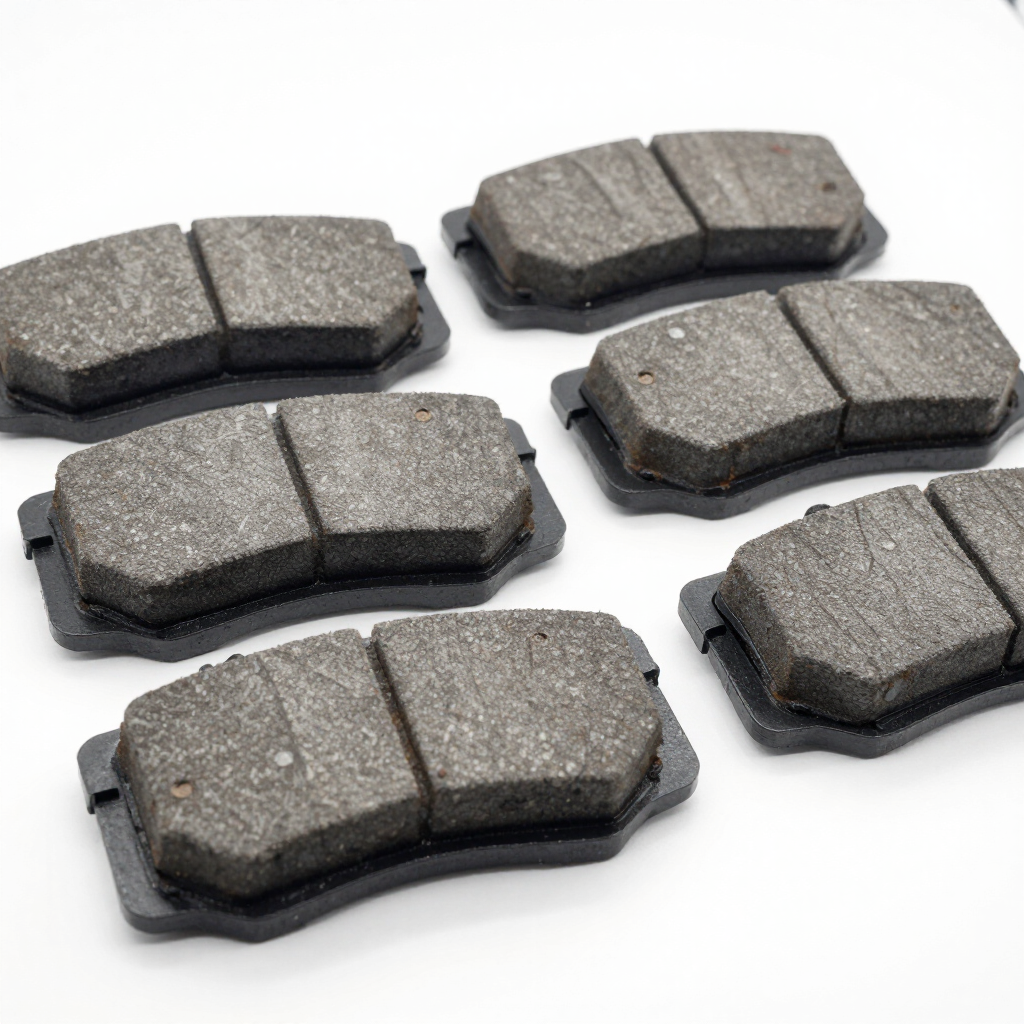
A caliper or hydraulic problem can leave one brake applied after the pedal is released. As the drive continues, heat builds, and the car can feel less willing to coast. A pull, hot odor, or unusual brake dust on one wheel adds useful context to that complaint.
Compare wheel temperatures with proper equipment, not a bare hand. Brake drag needs diagnosis before another long trip because the rotor, pads, and nearby components can overheat. A proper inspection distinguishes mechanical binding from trapped hydraulic pressure. Severe pulling, smoke, or reduced braking means you shouldn't drive the vehicle any farther.
7. Oil Pressure Falls After the Oil Is Fully Warm
Oil pressure changes with temperature and engine speed, but a new low-pressure warning after a long drive shouldn't be dismissed as normal. A low level, the wrong oil specification, a sensor fault, or mechanical wear could be involved. An engine can sound quiet while pressure still needs verification.
Stop safely and switch off if the oil-pressure warning appears. Checking the level helps, but the right level doesn't guarantee correct pressure. Follow-up testing can compare actual pressure with the engine's requirements. Maintenance records help confirm which oil and filter were installed and whether the behavior is new.
Get Vehicle Diagnostic Service In Houston, TX, With Apex Automotive Care
Apex Automotive Care in Houston, TX, can investigate faults that develop after extended driving. Share how long the trip lasted and what changed before the symptom appeared.