Is It Safe to Drive When My Brakes Are Grinding?
If your brakes are making a grinding noise when you stop, you should take the problem seriously.
So, is it safe to drive when your brakes are grinding?
Generally, you should avoid unnecessary driving and have the brake system inspected as soon as possible. Grinding can happen when brake pads are severely worn and metal components begin contacting the brake rotor. It can also be caused by damaged rotors, brake hardware problems, a sticking caliper, debris, or other brake-system issues.
Continuing to drive with grinding brakes can potentially increase brake damage and, depending on the cause and severity, affect braking performance.
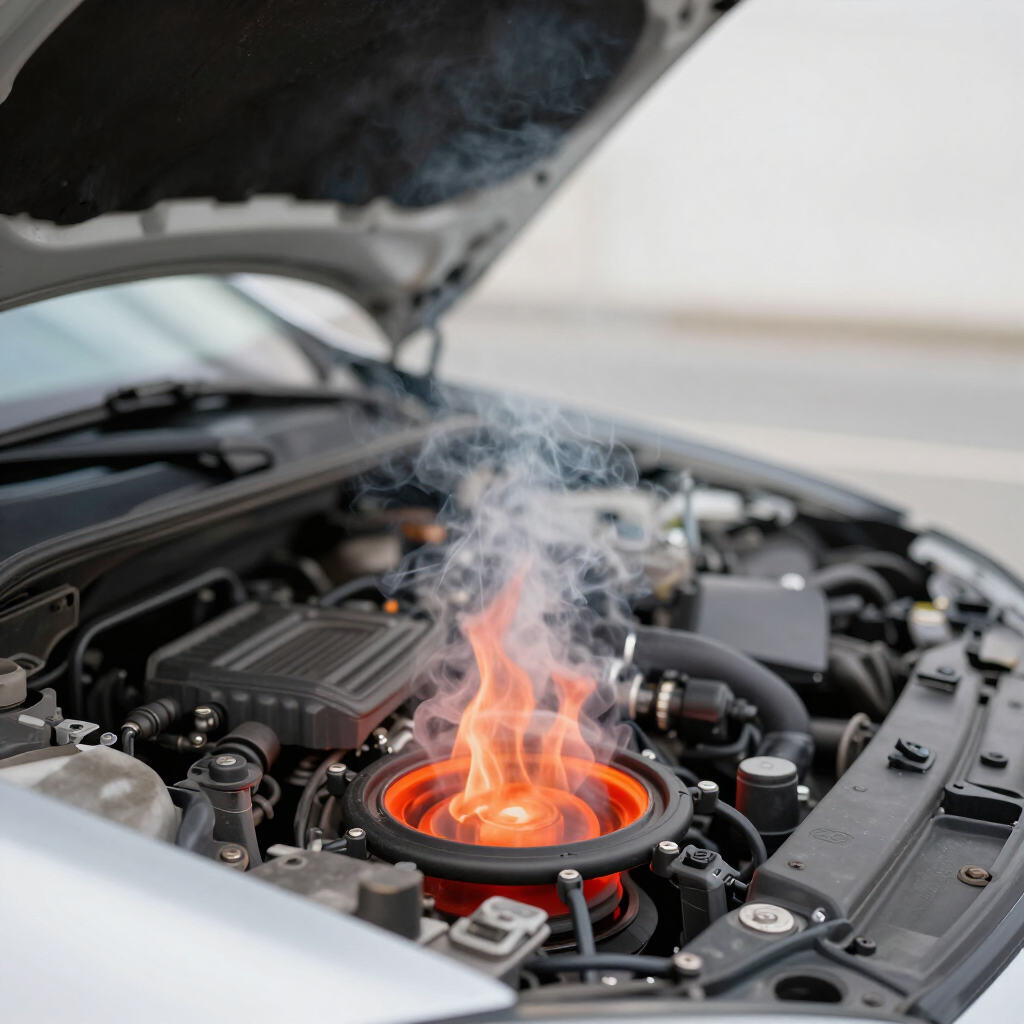
If the vehicle has reduced braking ability, a soft brake pedal, severe pulling, smoke, a burning smell, or difficulty stopping, don't continue driving it. Arrange to have the vehicle safely transported for inspection.
At Apex Automotive Care, we provide brake repair and automotive service for drivers throughout Houston, Southwest Houston, Westchase, Bellaire, Meyerland, Stafford, Sugar Land, and Missouri City.
Why Are My Brakes Grinding?
Grinding is different from the occasional light squeak you may hear from a brake system.
A harsh metallic grinding or scraping noise can indicate that something in the brake system needs immediate attention.
Possible causes include:
- Severely worn brake pads
- Metal-to-metal brake contact
- Damaged brake rotors
- Sticking brake caliper
- Brake hardware problems
- Debris between brake components
- Corrosion or rust
- Another damaged brake component
The exact cause can't always be identified by sound alone.
That's why a brake inspection is important.
Apex Automotive Care currently lists brake repair among its Houston automotive services.
Is It Safe to Drive With Grinding Brakes?
Grinding brakes shouldn't be treated as normal.
Whether the vehicle can safely travel even a short distance depends on what is causing the grinding and how severely braking performance has been affected.
If the brake pads have worn far enough for metal components to contact the rotors, continuing to drive can potentially damage the rotors and other brake components.
More importantly, you don't want to discover that braking performance has deteriorated when you suddenly need to stop.
Stop Driving If You Notice These Symptoms
Avoid continuing to drive if grinding is accompanied by:
- Reduced braking performance
- Difficulty stopping
- Brake pedal going unusually low
- Soft or spongy brake pedal
- Severe pulling while braking
- Strong vibration
- Smoke near a wheel
- Burning smell
- Brake warning light
- Fluid leaking near a wheel
- Major change in brake pedal feel
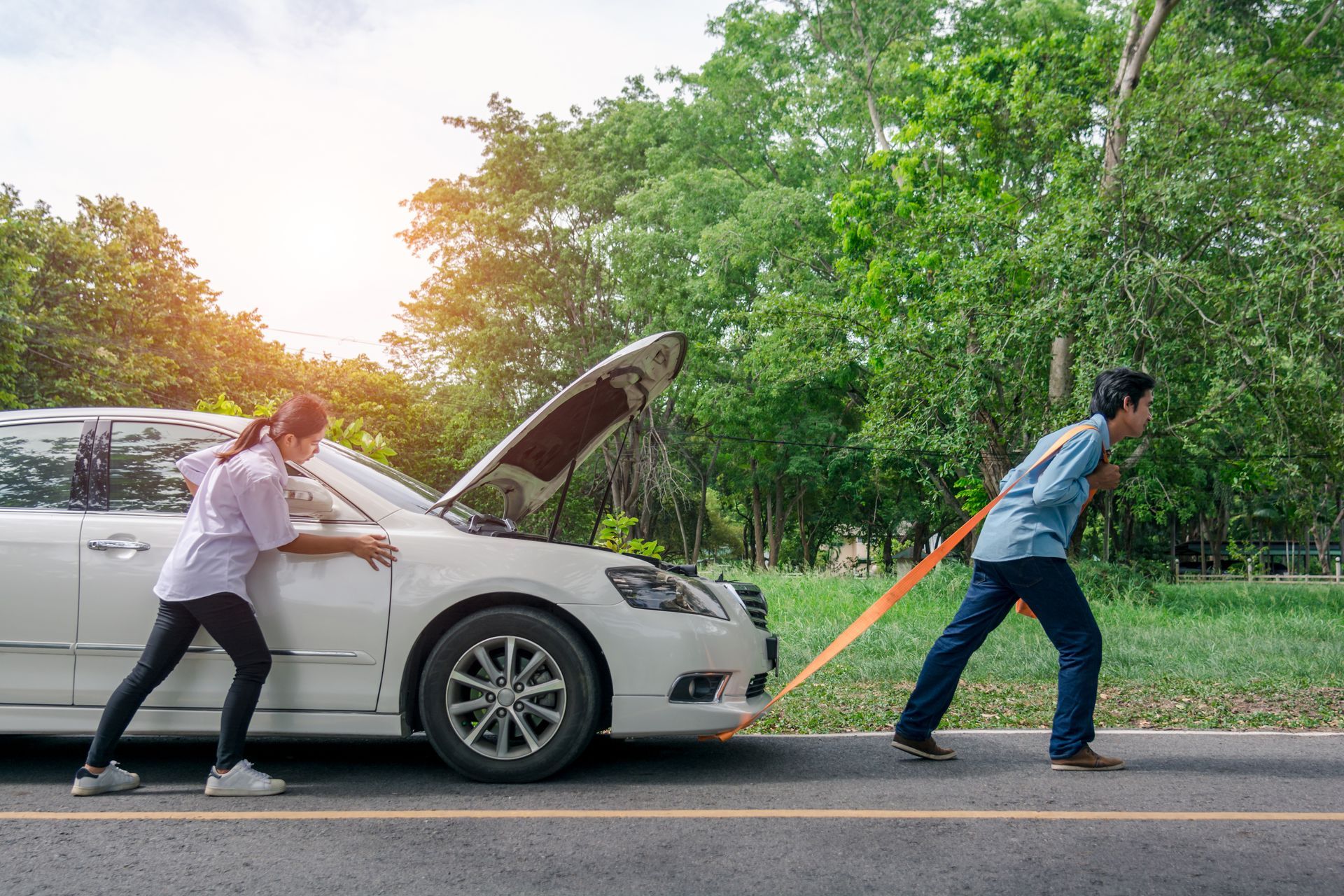
If you're unsure whether the vehicle is safe to drive, arranging transportation or towing is the safer approach.
What Causes a Grinding Noise When Braking?
Several brake problems can create grinding or scraping sounds.
1. Severely Worn Brake Pads
One of the most concerning causes is excessively worn brake pads.
Brake pads contain friction material designed to press against the brake rotors when you apply the brakes.
That friction material gradually wears down.
If the pads are allowed to wear excessively, the remaining metal components can eventually contact the brake rotor.
The result can be a harsh metal-on-metal grinding sound when you press the brake pedal.
At this point, you may need more than a simple brake-pad replacement.
The rotor and other brake components should also be inspected for damage.
2. Damaged Brake Rotors
Your brake rotors provide the surface against which the brake pads create friction.
Rotors can develop problems from:
- Excessive wear
- Heat
- Corrosion
- Damage
- Brake-pad problems
- Caliper problems
A damaged rotor may contribute to:
- Grinding
- Scraping
- Brake pedal pulsation
- Steering wheel vibration
- Noise while braking
If your steering wheel also shakes when you apply the brakes, read Apex Automotive Care's guide:
Why Does My Steering Wheel Shake When I Brake?
3. Sticking Brake Caliper
Brake calipers help press the brake pads against the rotors.
If a caliper doesn't operate correctly, one brake may remain partially applied or may not release normally.
Possible symptoms can include:
- Grinding
- Pulling while braking
- Uneven brake-pad wear
- Excessive heat from one wheel
- Burning smell
- Reduced fuel economy
- Vehicle pulling while driving
A sticking caliper can also cause accelerated wear to brake pads and rotors.
4. Brake Hardware Problems
Modern disc-brake systems use several pieces of hardware that help position and control the brake pads.
If hardware becomes damaged, loose, incorrectly positioned, or severely worn, it can potentially cause unusual brake noises.
The brake system should be inspected rather than replacing pads based solely on the noise.
5. Debris Around the Brake Components
Sometimes foreign material can become trapped near the rotor, backing plate, or another brake component.
Small stones or road debris can occasionally produce scraping or grinding sounds.
However, because severely worn brakes can produce similar noises, don't assume that a grinding sound is harmless debris without inspecting the vehicle.
6. Rust or Corrosion
Brake rotors can develop light surface rust after a vehicle sits, particularly following rain or humid conditions.
A small amount of temporary noise may disappear after normal brake use removes the surface layer.
But persistent, loud, or worsening grinding isn't something to dismiss as normal rust.
If the noise continues, have the brakes inspected.
What Happens If I Keep Driving With Grinding Brakes?
Continuing to drive can potentially turn a brake-pad problem into a more extensive brake repair.
For example, if worn pads allow metal-to-metal contact, the rotor can become damaged.
Continued operation may potentially affect:
- Brake pads
- Brake rotors
- Calipers
- Brake hardware
- Overall braking performance
This is one reason early brake inspection can matter.
Replacing worn components before additional damage occurs may help prevent a more involved repair.
How Long Can You Drive With Grinding Brakes?
There isn't a safe universal number of miles.
You shouldn't assume you have 10, 20, 50, or 100 miles simply because the vehicle still stops.
Grinding can have different causes and different levels of severity.
One vehicle may have worn brake pads while another could have a caliper or other brake-system problem.
Without inspecting the brakes, there is no reliable way to determine how much longer the vehicle can safely be driven.
Treat grinding as a reason to have the brakes checked promptly rather than as a countdown to a specific mileage.
Can Grinding Brakes Stop Working?
A grinding noise doesn't automatically mean the brakes are about to completely stop working.
However, it can indicate substantial wear or another brake problem.
The concern is that continuing to operate a vehicle with a known brake problem can allow the condition to worsen.
You rely on your brakes every time you drive.
It's better to find out why they're grinding before you need maximum braking in an emergency.
Are Grinding Brakes More Serious Than Squeaking Brakes?
They can be.
Brake squeaking has several possible causes and doesn't always indicate severe brake wear.
Grinding—particularly a loud metallic grinding when applying the brake pedal—can indicate more advanced wear or component contact.
That distinction is important.
Don't diagnose the condition entirely from the type of sound, though. An inspection is the best way to determine the actual problem.
Why Do My Brakes Grind Only at Low Speeds?
Grinding may become easier to hear at low speeds because road, wind, and engine noise are reduced.
Possible causes still include:
- Worn brake pads
- Rotor problems
- Brake hardware
- Caliper problems
- Debris
- Corrosion
If the grinding occurs every time you slow down or stop, schedule a brake inspection.
Why Do My Brakes Grind When Stopping?
If the noise occurs specifically when you press the brake pedal, the brake system is one of the first areas that should be inspected.
The technician can examine components including the:
- Brake pads
- Brake rotors
- Brake calipers
- Brake hardware
- Related braking components
Apex has an existing guide covering grinding noises from several areas of a vehicle, including brakes:
Why Is My Car Making a Grinding Noise?
Why Are My Brakes Grinding but the Pads Look Good?
Brake pads aren't the only components capable of creating grinding or scraping sounds.
If the pads still appear to have material remaining, possible causes can include:
- Rotor problems
- Caliper problems
- Brake hardware
- Foreign material
- Backing plate contact
- Uneven brake-pad wear
- Another wheel or brake component
Also, the inner and outer brake pads may not always wear at exactly the same rate.
A complete brake inspection is more useful than looking at only one visible pad.
Why Are My New Brakes Grinding?
New brakes shouldn't simply be assumed to be okay because the components were recently replaced.
If grinding begins after brake service, possible explanations depend on the exact repair and vehicle.
The system should be inspected for proper installation and component condition.
If the noise is loud, persistent, or accompanied by poor braking performance, don't wait for it to "wear in."
Have it checked.
Can Bad Rotors Make a Grinding Noise?
Yes, rotor problems can contribute to grinding, scraping, vibration, and other brake symptoms.
But a grinding noise alone doesn't prove that your rotors need replacement.
The technician should inspect the pads, rotors, calipers, hardware, and related components before recommending repairs.
Can a Bad Caliper Cause Grinding?
Yes.
A brake caliper problem can lead to abnormal brake-pad contact and uneven wear.
A sticking caliper may also create excessive heat.
You may notice:
- Vehicle pulling
- Burning smell
- Excessive brake dust
- One wheel becoming unusually hot
- Uneven pad wear
- Grinding or scraping
- Reduced braking performance
These symptoms should be inspected promptly.
Why Does My Car Shake When the Brakes Grind?
Grinding accompanied by vibration deserves attention.
Possible sources can include brake pads, rotors, calipers, wheels, tires, suspension, steering, or related components.
If the vibration primarily occurs when you apply the brakes, the brake system should be inspected first.
If the vehicle also shakes at highway speeds when you're not braking, other components may need to be evaluated.
Car Shaking at Highway Speeds? Houston Auto Repair
How Are Grinding Brakes Diagnosed?
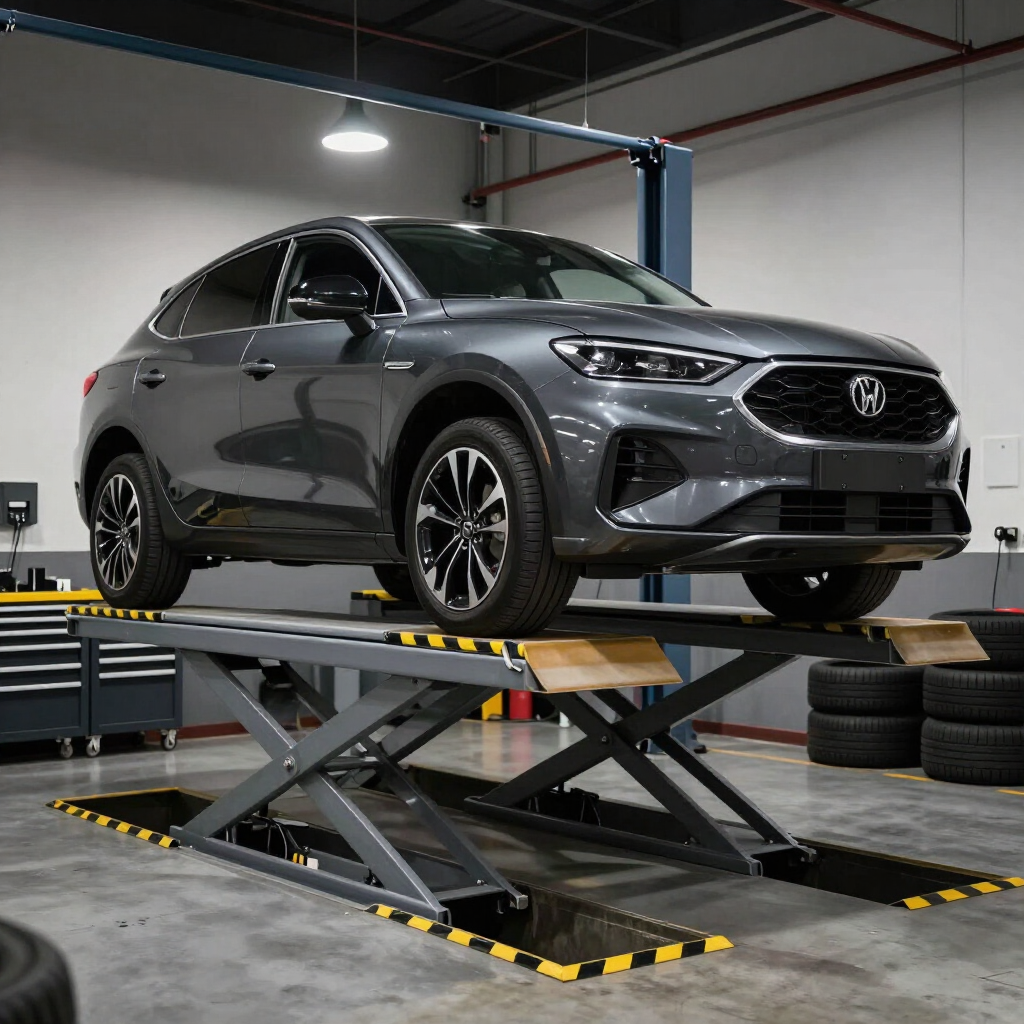
A proper diagnosis starts with inspecting the brake system rather than guessing which part needs replacement.
Brake Pad Inspection
The technician can inspect brake-pad thickness and check for uneven or abnormal wear.
Brake Rotor Inspection
The rotors can be examined for wear, damage, scoring, corrosion, or other problems.
Brake Caliper Inspection
The calipers can be checked for proper operation and signs of sticking or other problems.
Brake Hardware Inspection
Brake hardware and related components should also be evaluated.
Road Test and Symptom Verification
When appropriate and safe, reproducing the customer's complaint can help determine when the noise occurs.
The goal is to identify why the brakes are grinding before recommending repairs.
How Much Does It Cost to Fix Grinding Brakes?
There isn't one price for grinding brakes because the required repair depends on what's damaged.
A vehicle might need:
- Brake pads
- Brake pads and rotors
- Caliper repair or replacement
- Brake hardware
- Another brake-system repair
If the brakes have been grinding for an extended period, additional components may have sustained wear or damage.
That's another reason not to delay an inspection.
Can Regular Maintenance Help Catch Brake Problems Earlier?
Regular vehicle inspections can help identify brake wear before severe symptoms develop.
Apex Automotive Care's factory scheduled maintenance includes inspections of important components such as the brakes when called for by the manufacturer's maintenance schedule.
You can learn more here:
Factory Scheduled Maintenance in Houston, TX
Apex also provides general vehicle maintenance and routine inspections.
General Vehicle Maintenance in Houston, TX
What Should I Do If My Brakes Start Grinding?
If you suddenly hear grinding when braking:
- Don't ignore the noise.
- Pay attention to how the brake pedal feels.
- Notice whether the vehicle pulls or vibrates.
- Look for a brake warning light.
- Pay attention to burning smells or smoke.
- Avoid unnecessary driving.
- Schedule a brake inspection promptly.
If braking performance has changed significantly or you're uncertain whether the vehicle is safe to drive, arrange for the vehicle to be transported instead.
Brake Repair in Westchase
If your brakes are grinding while driving in Westchase, don't wait for the noise to become louder.
Grinding may indicate worn brake pads, damaged rotors, caliper problems, or another issue requiring inspection.
Apex Automotive Care serves drivers from Westchase and surrounding Southwest Houston communities.
Brake Repair in Bellaire
Drivers in Bellaire who hear grinding when applying the brakes should have the brake system inspected promptly.
Continuing to drive on severely worn brake components can potentially cause additional damage.
Brake Repair in Meyerland
If you're in Meyerland and your brakes have started making a metallic grinding or scraping noise, have the source identified rather than assuming the vehicle is still safe because it continues to stop.
A brake inspection can determine the condition of the pads, rotors, calipers, and related components.
Brake Repair in Stafford
If you commute from Stafford and notice your brakes grinding, don't wait until braking performance changes.
Addressing brake wear earlier can potentially prevent damage to additional brake components.
Brake Repair in Sugar Land
Drivers in Sugar Land experiencing grinding brakes should pay particular attention to additional symptoms such as vibration, pulling, burning smells, or changes in brake pedal feel.
These symptoms are reasons to have the vehicle evaluated promptly.
Brake Repair in Missouri City
If your brakes are grinding in Missouri City, Apex Automotive Care can inspect the brake system and determine what's causing the noise.
The solution depends on the actual condition of the brake pads, rotors, calipers, hardware, and related components.
Brake Repair in Southwest Houston
Apex Automotive Care provides brake repair and automotive service in Southwest Houston.
Our shop is located at:
Apex Automotive Care
7050 Southwest Freeway
Houston, TX 77074
We serve drivers throughout Houston, Southwest Houston, Westchase, Bellaire, Meyerland, Stafford, Sugar Land, and Missouri City.
Frequently Asked Questions About Grinding Brakes
Is it safe to drive when my brakes are grinding?
Grinding brakes should be inspected promptly, and unnecessary driving should be avoided. If braking performance has changed, the pedal feels abnormal, the vehicle pulls severely, or you notice smoke or a burning smell, don't continue driving.
How long can I drive with grinding brakes?
There is no universally safe mileage. The severity and cause of grinding vary, and continuing to drive can potentially cause additional damage.
Do grinding brakes mean my brake pads are completely worn out?
Severely worn pads are a common cause, but grinding can also involve rotors, calipers, brake hardware, debris, corrosion, or other components.
Can I drive five miles with grinding brakes?
No specific distance can be guaranteed safe without knowing the condition of the braking system. If you're unsure about braking performance, have the vehicle transported rather than taking the risk.
Will grinding brakes damage my rotors?
If severely worn pads allow metal components to contact the rotor, continued driving can damage the rotor.
Can bad rotors cause grinding?
Yes. Damaged or severely worn rotors can contribute to grinding or scraping, although the entire brake system should be inspected before determining the cause.
Why do my brakes grind only when stopping?
If grinding occurs specifically while applying the brake pedal, worn pads, rotors, calipers, hardware, or other brake components may be involved.
Why are my brakes grinding but still stopping?
A vehicle can still stop even when brake components are significantly worn. The fact that the vehicle stops doesn't mean the condition should be considered safe to ignore.
Are grinding brakes an emergency?
They can represent a serious brake problem. If grinding is accompanied by reduced braking ability, severe pulling, smoke, a burning smell, fluid leakage, an abnormal pedal, or difficulty stopping, stop driving and have the vehicle safely evaluated.
Can a brake caliper cause grinding?
Yes. A sticking or malfunctioning caliper can cause abnormal brake contact, uneven pad wear, excessive heat, and unusual noises.
Why do my brakes grind in the morning?
Moisture and light surface corrosion can sometimes cause temporary brake noise after a vehicle sits. Persistent or severe grinding should still be inspected.
How much does grinding brake repair cost?
The cost depends on the cause and extent of damage. The vehicle may need pads, rotors, calipers, hardware, or another repair, so inspection is needed before an accurate estimate can be made.
Where can I get grinding brakes checked in Houston?
Apex Automotive Care provides brake repair and automotive service at 7050 Southwest Freeway, Houston, TX 77074, serving Southwest Houston, Westchase, Bellaire, Meyerland, Stafford, Sugar Land, Missouri City, and surrounding Houston communities.
Don't Keep Driving on Grinding Brakes
If you're asking “Is it safe to drive when my brakes are grinding?”, the safest approach is to treat the noise as a warning that your brake system needs attention.
Grinding may indicate severely worn brake pads, damaged rotors, a caliper problem, brake hardware issues, or another condition that needs to be diagnosed.
Continuing to drive can potentially cause additional damage, and you shouldn't wait for braking performance to noticeably deteriorate before having the vehicle checked.
At Apex Automotive Care, we can inspect your brake system, identify what's causing the grinding, and explain what repairs your vehicle actually needs.
Apex Automotive Care
📍
7050 Southwest Freeway, Houston, TX 77074