10 Auto Repair Questions Houston Drivers Ask | Apex Automotive Care
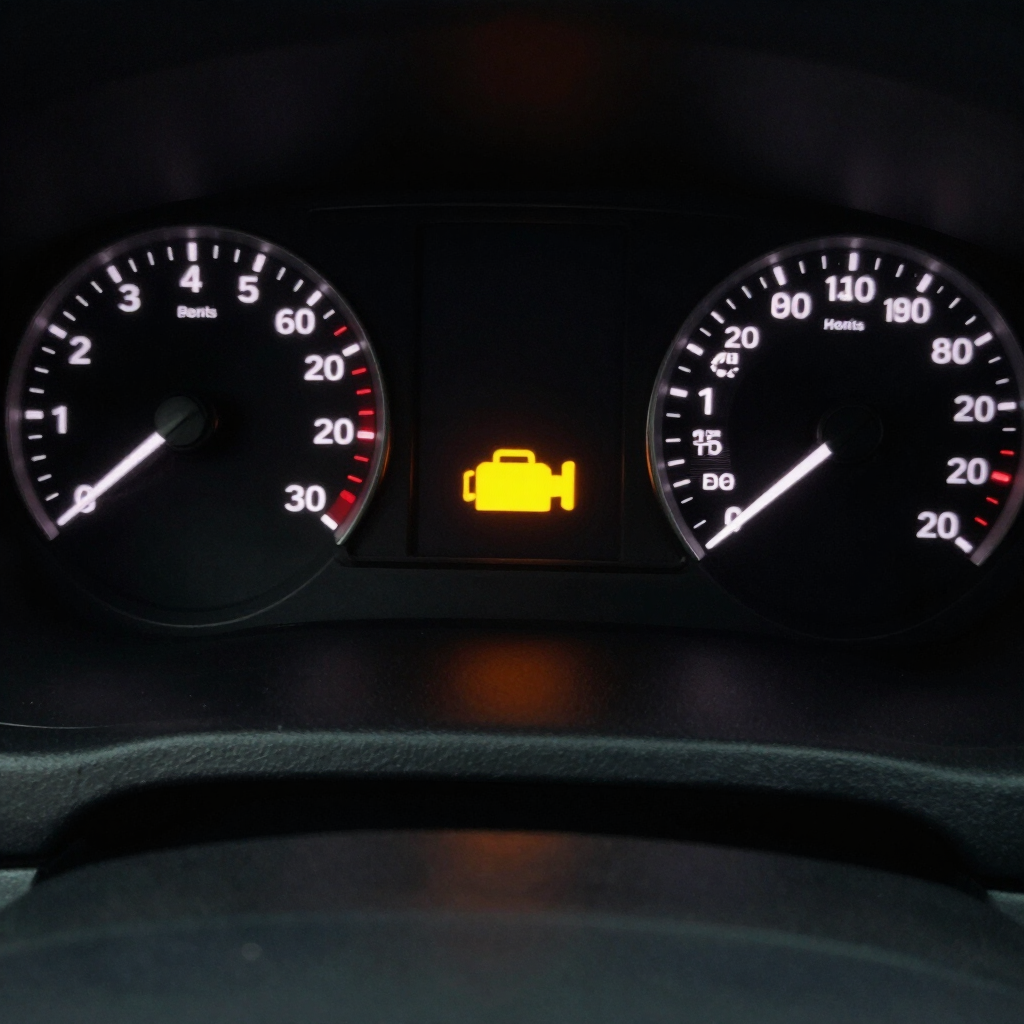
1. Why Is My Check Engine Light On?
The Check Engine Light can illuminate for many different reasons.
Possible causes include:
- Engine misfires
- Oxygen-sensor problems
- EVAP leaks
- Fuel-mixture problems
- Catalytic-converter concerns
- Thermostat or cooling-system problems
- Wiring or electrical faults
- Sensor failures
A steady Check Engine Light generally means the vehicle should be diagnosed soon.
A flashing Check Engine Light is more urgent. A flashing light can indicate an active misfire that may cause additional damage if you continue driving.
The important thing to remember is that the warning light itself doesn't tell you which part needs to be replaced.
Professional diagnostics can identify the actual cause.
If your Check Engine Light is illuminated, Apex Automotive Care's automotive diagnostics service can help determine what's happening.
Related Reading
Engine Misfire Codes Explained: P0300–P0308
2. How Often Should I Get an Oil Change?
The correct oil-change interval depends on your vehicle, the type of oil it uses, mileage, driving habits, and operating conditions.
Houston driving can be harder on vehicles than many drivers realize.
Frequent short trips, traffic, high temperatures, stop-and-go driving, and extended idling can put additional demands on your engine and engine oil.
Your owner's manual is the best starting point for determining the manufacturer's recommended maintenance interval.
Fresh engine oil and a quality oil filter help protect important engine components, including bearings, timing components, camshafts, and turbochargers on equipped engines.
You should also check your oil level between services.
If the oil level keeps dropping, don't simply wait until your next scheduled oil change. A low oil level may indicate a leak or another engine problem that should be investigated.
For routine maintenance, visit Apex Automotive Care's General Vehicle Maintenance service.
3. Why Does My Car Shake When Braking?
A vehicle that shakes or vibrates when braking may have a problem involving the brake system, suspension, tires, wheels, or related components.
Possible causes include:
- Uneven brake-rotor surfaces
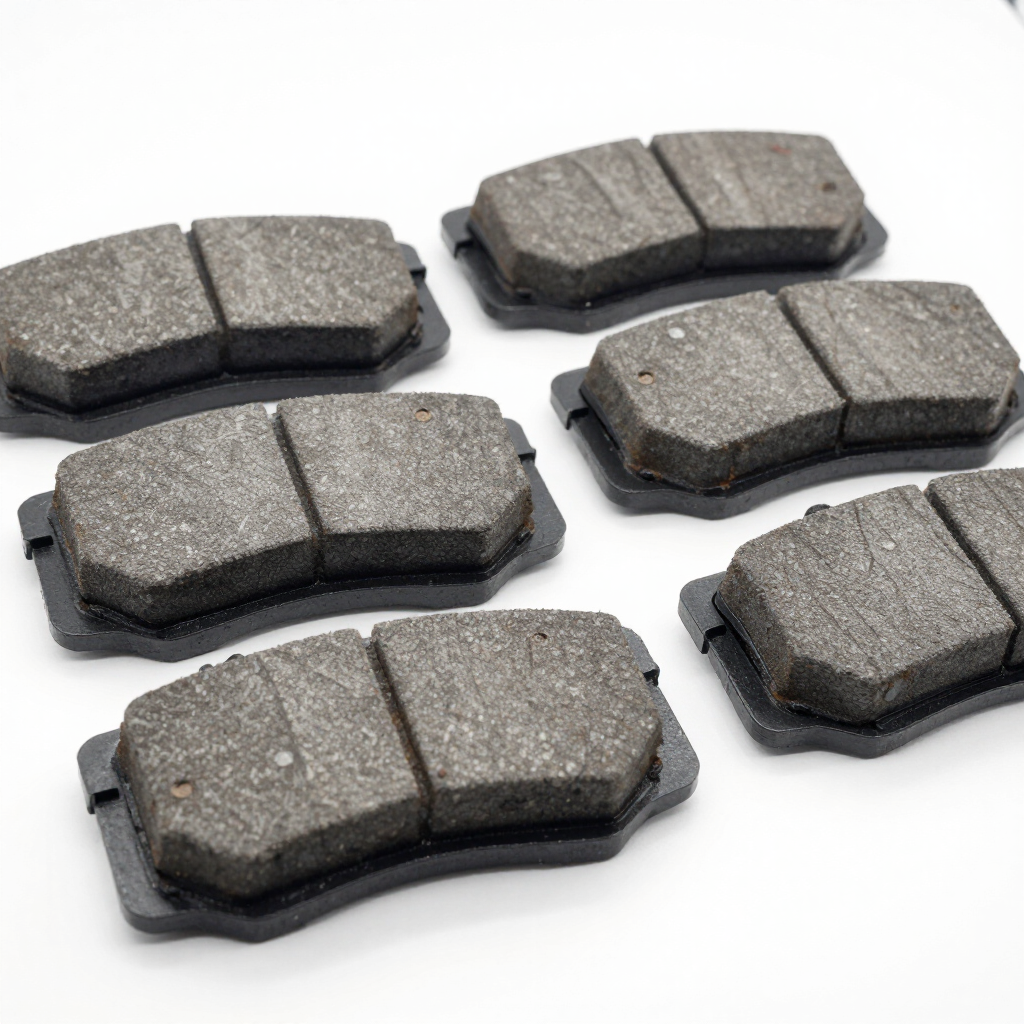
- Worn brake pads
- Sticking brake calipers
- Tire problems
- Wheel issues
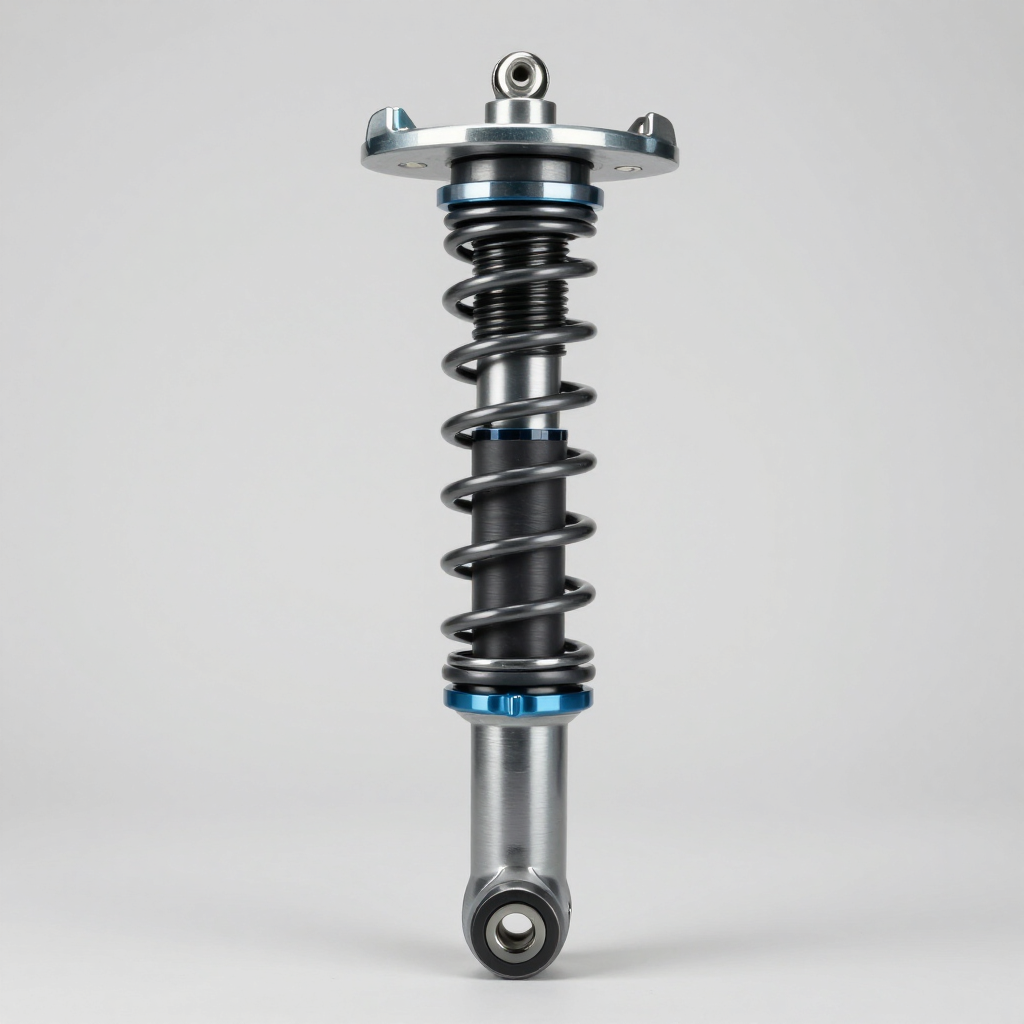
- Loose or worn suspension components
If the steering wheel shakes while braking, the front brakes or front suspension may be involved.
If the entire vehicle vibrates, the cause may be farther back in the vehicle or may involve another component entirely.
A professional inspection can help distinguish between brake, tire, wheel, and suspension problems.
Apex Automotive Care provides brake service and automotive repairs in Houston. (apexautomotivecare.com)
4. What Does It Mean If My Car Pulls to One Side?
If your vehicle consistently pulls left or right, several different problems could be responsible.
Common possibilities include:
- Low tire pressure
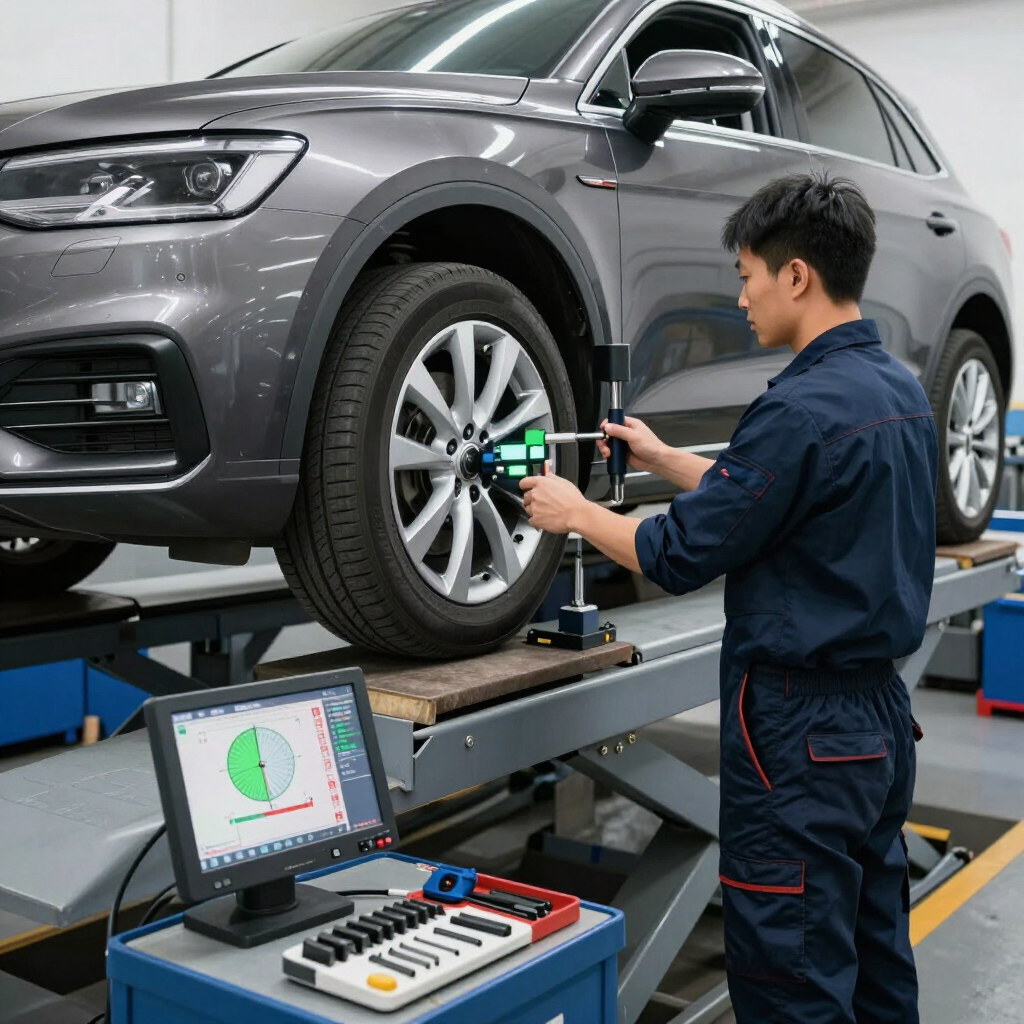
- Wheel-alignment problems
- Uneven tire wear
- Brake drag
- Worn suspension components
- Tire defects
If the vehicle only pulls when you apply the brakes, a brake-system problem moves higher on the list.
If it pulls constantly while driving, technicians may inspect the tires, alignment, steering, and suspension.
A pothole or curb impact can also affect alignment or suspension components.
One clue is the steering wheel.
If your steering wheel is no longer centered while you're driving straight, your vehicle may need an alignment inspection.
Apex Automotive Care provides wheel alignment and related automotive services in Houston.
5. Why Is My Car Making a Clicking Noise?
The location and timing of a clicking noise are extremely important.
For example, clicking while making tight turns can point toward a problem involving a CV joint or axle.
A clicking or ticking noise from the engine compartment could have completely different causes, including:
- Low engine oil
- Valve-train noise
- Fuel-injector operation
- Belt-driven components
- Other engine-related issues
Technicians pay attention to whether the noise follows:
Wheel speed
or
Engine RPM
That information can help narrow down the source.
A clicking sound that becomes faster as the wheels rotate is different from a noise that increases as engine speed rises.
If you're hearing a new or persistent noise, getting it inspected early can help prevent a small problem from becoming a larger repair.
6. Is a Small Fluid Leak a Big Deal?
Sometimes a small fluid leak is relatively minor.
Other times, it can be the first warning sign of a problem that becomes significantly more expensive if ignored.
Different fluids have different consequences.
Engine Oil
Low engine oil can cause serious engine damage.
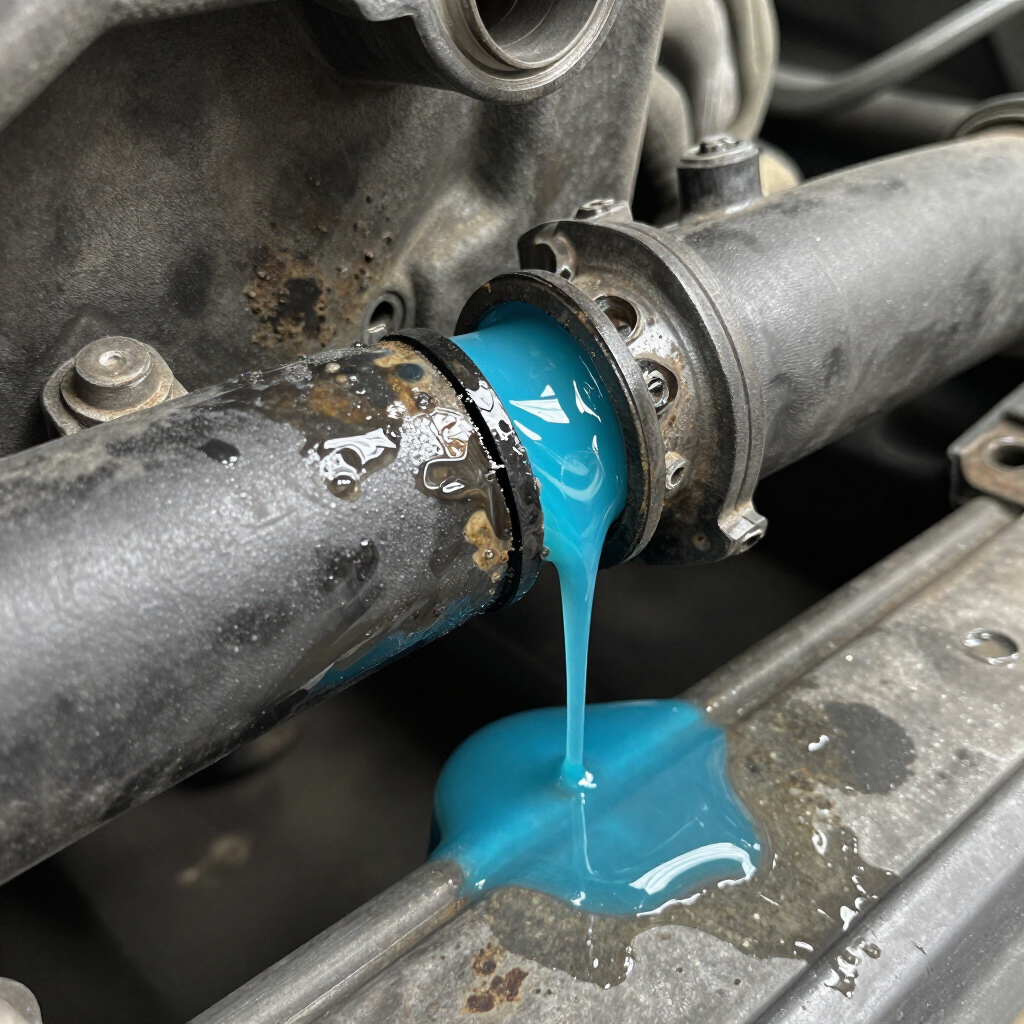
Coolant
A coolant leak can eventually lead to overheating and potentially expensive engine damage.
Brake Fluid
Brake fluid leaking from the braking system is a safety concern and should be addressed promptly.
Transmission Fluid
A transmission-fluid leak can contribute to low fluid levels and transmission problems if it continues.
Power Steering Fluid
On vehicles equipped with hydraulic power steering, a leak can affect steering-system operation.
If you repeatedly find a spot underneath your vehicle, don't simply keep topping off the fluid.
Have the source identified.
7. Why Does My Car Struggle to Start?
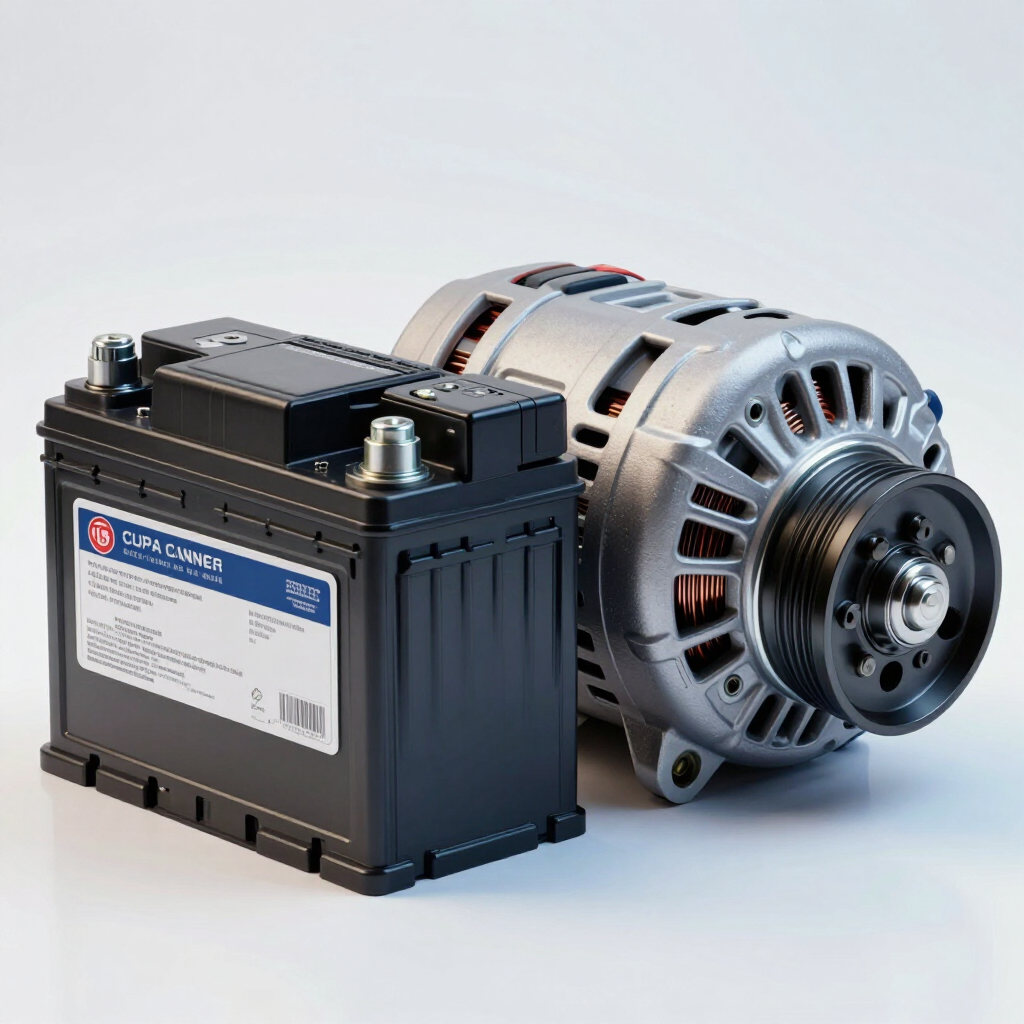
A vehicle that cranks slowly, clicks when starting, or repeatedly requires a jump-start may have more than just a bad battery.
Possible causes include:
- Weak battery
- Failing starter
- Charging-system problem
- Corroded battery terminals
- Poor electrical connections
- Bad grounds
- Fuel-pressure problems
- Sensor or electrical faults
A proper starting-system diagnosis should evaluate the entire system rather than automatically replacing the battery.
A technician may inspect the:
- Battery
- Alternator
- Battery cables
- Grounds
- Starter
- Charging voltage
- Starting-system current draw
This can prevent replacing a battery when the actual problem is a weak connection, starter, or charging-system issue.
If your vehicle is having trouble starting, schedule your visit with Apex Automotive Care.
8. When Do I Need New Tires?
Tires should be replaced when they are no longer safe or suitable for continued use.
Warning signs can include:
- Low tread
- Cracked sidewalls
- Exposed cords
- Bulges or bubbles
- Significant damage
- Severe or uneven wear
- Age-related deterioration
Tire age matters, too.
A tire can still appear to have usable tread while the rubber has become hardened or cracked due to age, heat, and environmental exposure.
Houston's heat can make tire condition particularly important.
Don't Ignore Uneven Tire Wear
Uneven wear can be a symptom rather than the root problem.
If one edge of a tire is wearing significantly faster than the rest, a technician may need to inspect:
- Wheel alignment
- Suspension components
- Tire pressure
- Steering components
- Wheel condition
Replacing the tires without addressing the reason they're wearing unevenly may result in the new tires developing the same problem.
9. What Is Included in a Vehicle Inspection?
A good vehicle inspection looks beyond the problem that brought you into the shop.
Depending on the purpose of the inspection, technicians may evaluate systems affecting:
- Safety
- Reliability
- Vehicle performance
- Maintenance needs
- Potential future repairs
An inspection can include checking:
- Brakes
- Tires
- Steering
- Suspension
- Fluid levels
- Belts
- Hoses
- Lights
- Battery condition
- Fluid leaks
- Warning lights
- Visible component wear
The goal isn't to give you a giant list of things to repair immediately.
A good inspection should help separate:
What needs attention now
What can be planned
What should simply be monitored
That information allows you to make an informed decision about your vehicle.
Apex Automotive Care offers preventive maintenance and vehicle inspection services as part of its Houston automotive services. (apexautomotivecare.com)
10. How Do I Know If a Repair Can Wait?
This is one of the most important questions you can ask an automotive technician.
Not every repair has the same level of urgency.
Repairs That May Need Immediate Attention
Safety- or damage-related problems should generally be addressed quickly, including:
- Brake problems
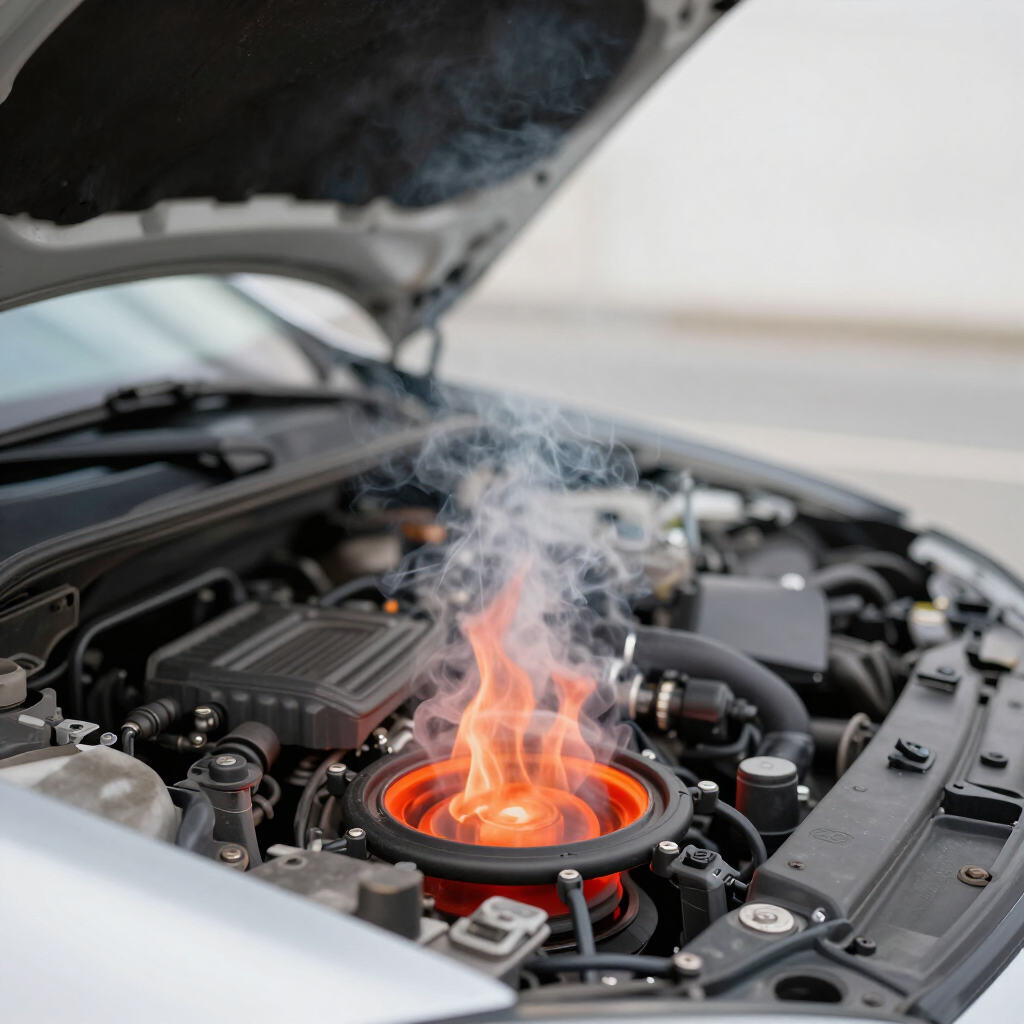
- Overheating
- Oil-pressure warnings
- Flashing Check Engine Lights
- Serious steering problems
- Significant coolant leaks
- Brake-fluid leaks
- Major loss of vehicle control
Other issues may have more flexibility depending on their severity and the technician's findings.
The important question is:
What happens if I wait?
A trustworthy repair shop should be able to explain:
- What needs to be repaired now?
- What can be scheduled later?
- What should be monitored?
- What could become more expensive if ignored?
That information gives you the ability to make a smart decision rather than guessing.
Why Professional Auto Diagnostics Matter
Many vehicle symptoms overlap.
A vibration might be caused by brakes, tires, wheels, or suspension.
A starting problem might be the battery, alternator, starter, wiring, or fuel system.
A Check Engine Light could result from dozens of different conditions.
That's why professional diagnosis matters.
At Apex Automotive Care, technicians use diagnostic equipment and systematic testing to identify the source of vehicle problems before recommending repairs.
The goal isn't simply to replace parts.
The goal is to find the actual cause of the problem.
Houston Driving Can Be Hard on Your Vehicle
Houston drivers deal with conditions that can place additional demands on vehicles.
Heavy traffic, frequent stops, extreme summer temperatures, potholes, long commutes, highway driving, and extended idling can all contribute to vehicle wear.
Regular maintenance and early diagnosis can help identify problems before they become major repairs.
That's especially important for drivers who rely on their vehicle every day.
Frequently Asked Questions About Auto Repair
How do I know if my car needs a mechanic?
New noises, warning lights, unusual smells, leaks, vibrations, starting problems, changes in braking, or changes in vehicle handling are all reasons to consider having the vehicle inspected.
Should I drive with my Check Engine Light on?
A steady Check Engine Light generally means the vehicle should be diagnosed soon. A flashing Check Engine Light is more urgent and can indicate a severe misfire or other condition that may cause additional damage.
How often should I have my vehicle inspected?
Inspection and maintenance intervals vary by vehicle. Follow the manufacturer's maintenance recommendations and have the vehicle checked whenever you notice a new symptom.
Why is my car shaking?
The cause depends on when the shaking occurs. Shaking while braking may involve the brake system, while vibration during acceleration or at highway speeds can point toward tires, wheels, driveline, suspension, or other components.
Is a small oil leak safe to drive with?
It depends on the source and severity of the leak. A small leak can become worse and lead to low oil levels. If the oil level drops significantly or an oil-pressure warning appears, the vehicle needs prompt attention.
How long can I wait to fix a car problem?
That depends entirely on the problem. Safety-related issues and conditions that can cause major engine or transmission damage should generally be addressed quickly. Ask the technician what could happen if the repair is delayed.
Is preventative maintenance really necessary?
Yes. Preventive maintenance can help identify worn or developing components before they result in breakdowns or more expensive repairs.
Get Auto Repair in Houston, TX, From Apex Automotive Care
When your vehicle has a warning light, leak, strange noise, vibration, starting problem, or maintenance concern, you shouldn't have to guess what's wrong.
Apex Automotive Care provides professional automotive diagnostics, maintenance, and repair services in Houston, TX.
Apex's website lists services including engine diagnostics, Check Engine Light service, brake repair, general vehicle maintenance, cooling-system service, transmission service, tire services, wheel alignment, and more. (apexautomotivecare.com)
The shop is located at:
Apex Automotive Care
7050 Southwest Freeway
Houston, TX 77074
Current posted hours are Monday through Friday from 8:00 AM to 6:00 PM and Saturday from 8:00 AM to 3:00 PM. (apexautomotivecare.com)
Whether you're dealing with a Check Engine Light, brake vibration, starting problem, fluid leak, tire concern, or simply want to know what your vehicle needs next, professional diagnosis can give you the answers you need.
Schedule Your Visit
Book Now — Schedule Your Appointment
Or call to speak with the Apex Automotive Care team.