Think tune-ups are only for old cars? Learn why modern vehicles still need routine maintenance and how tune-ups can help Houston drivers avoid costly repairs.
What Is a Tune-Up?
A traditional tune-up used to mean replacing a few basic ignition and maintenance components.
Older vehicles commonly required things like:
- Spark-plug replacement
- Distributor-cap service
- Rotor replacement
- Ignition-point adjustment
- Air-filter replacement
- Fuel-filter replacement
- Carburetor adjustments
Modern vehicles are different.
Today's engines use computerized engine management systems that constantly monitor and adjust fuel, ignition timing, emissions, and engine performance.
Because of that, a modern tune-up is less about simply replacing a predetermined list of parts and more about following the manufacturer's maintenance schedule and checking the vehicle's overall condition.
Depending on the vehicle, maintenance may include:
- Spark-plug inspection or replacement
- Air-filter inspection
- Engine-oil and filter service
- Fuel-system inspection
- Ignition-system inspection
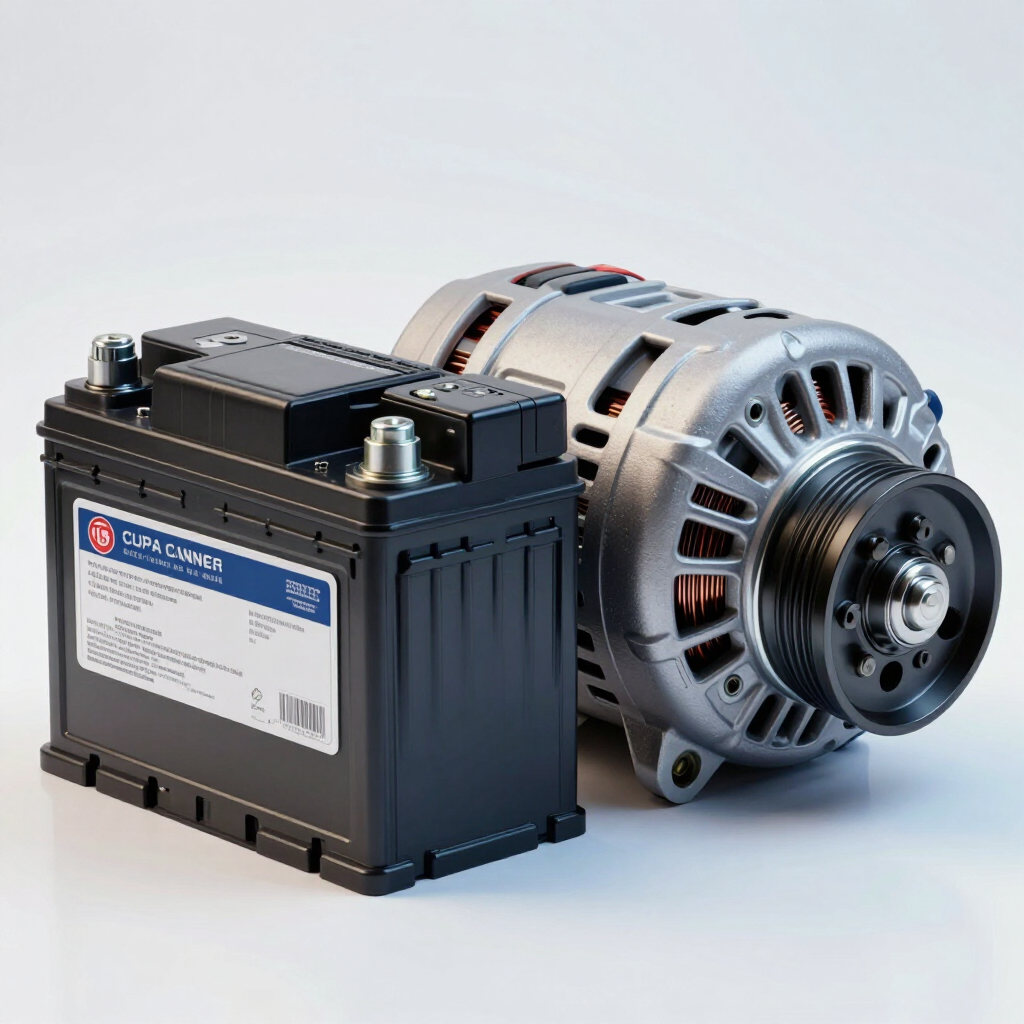
- Battery and charging-system testing
- Fluid inspections
- Belt and hose inspection
- Cooling-system inspection
- Computer diagnostics
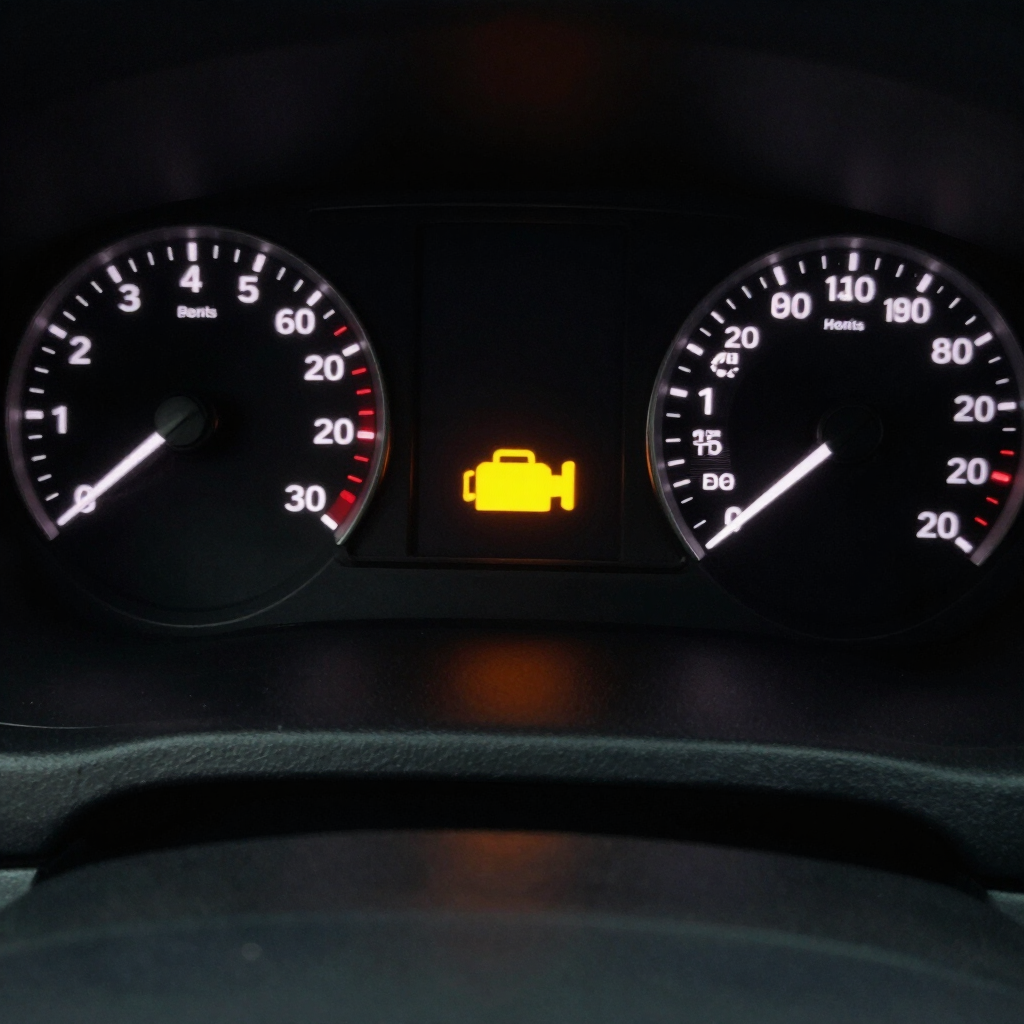
- Check Engine Light diagnosis
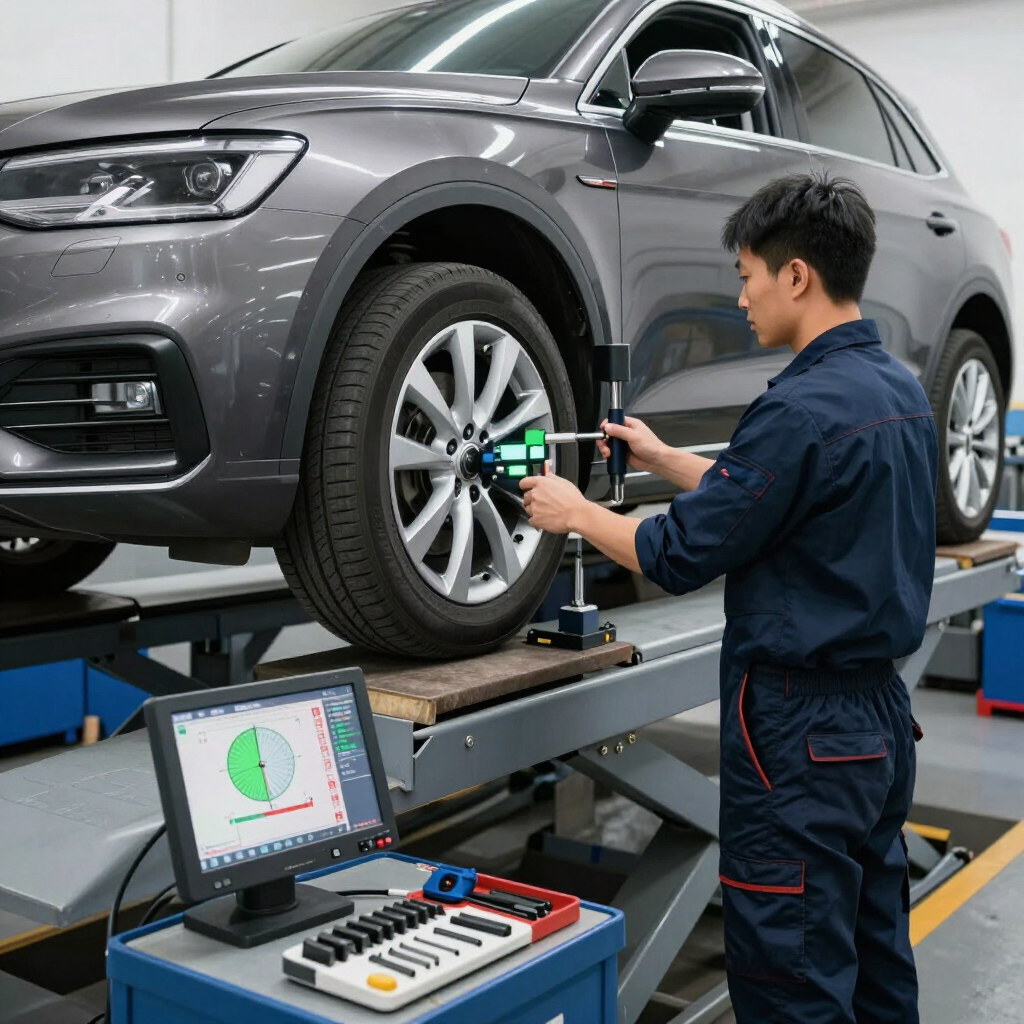
- General vehicle inspection
The exact services depend on the vehicle's age, mileage, engine, maintenance schedule, and condition.
Why Do Modern Vehicles Still Need Tune-Ups?
Modern cars are more reliable than many vehicles from previous generations, but they're not maintenance-free.
Engines still depend on components that wear out.
Spark plugs can wear.
Filters can become restricted.
Fluids can deteriorate.
Belts and hoses can age.
Batteries eventually lose capacity.
Sensors and ignition components can develop problems.
Regular maintenance helps identify these issues before they turn into breakdowns or more expensive repairs.
1. Tune-Ups Can Help Maintain Engine Performance
An engine needs the correct combination of air, fuel, compression, and ignition to operate properly.
When one part of that equation isn't working correctly, you may notice:
- Rough idling
- Hesitation
- Poor acceleration
- Reduced fuel economy
- Hard starting
- Engine vibration
- Loss of power
Routine maintenance can help keep the components responsible for engine performance operating properly.
If your vehicle already has a noticeable performance problem, don't assume it simply needs a tune-up.
A professional diagnostic inspection can determine whether the problem is related to ignition, fuel delivery, air intake, sensors, mechanical components, or something else.
2. Spark Plugs Still Matter
Even though modern engines use advanced computer controls, spark plugs remain an essential part of gasoline-engine operation.
A spark plug must deliver a strong, properly timed spark to ignite the air-fuel mixture.
Over time, spark plugs can wear or become fouled.
Worn spark plugs can contribute to:
- Misfires
- Rough idle
- Hard starting
- Hesitation
- Reduced acceleration
- Poor fuel economy
- Check Engine Light warnings
Spark-plug replacement intervals vary significantly by vehicle.
Some modern spark plugs are designed to last much longer than older designs, so the best approach is to follow the manufacturer's maintenance recommendations rather than replacing them unnecessarily.
If your vehicle is experiencing a misfire, diagnostic testing is especially important.
Related Reading
Engine Misfire Codes Explained: P0300–P0308
3. Houston Heat Makes Maintenance Even More Important
Houston's climate can be hard on vehicles.
High temperatures place additional stress on:
- Batteries
- Cooling systems
- Belts
- Hoses
- Tires
- Fluids
- Rubber components
- Air-conditioning systems
Heat can also accelerate the aging of certain materials.
That makes preventive maintenance especially valuable for Houston drivers.
A vehicle that runs perfectly in mild weather may reveal a weak battery, cooling-system problem, or other developing issue when temperatures rise.
Regular inspections can help identify those weaknesses before they leave you stranded.
4. Tune-Ups Can Help Identify Problems Before They Become Major Repairs
One of the biggest benefits of preventive maintenance is finding problems while they're still manageable.
For example, an inspection might identify:
- A worn belt
- A weak battery
- A dirty air filter
- Low fluid
- A coolant leak
- Worn spark plugs
- Uneven tire wear
- Brake wear
- A Check Engine Light code
Finding these issues early doesn't necessarily mean you need to repair everything immediately.
A good technician should explain which problems are urgent, which can be scheduled later, and which should simply be monitored.
That allows you to plan your maintenance rather than waiting for a breakdown.
5. Better Maintenance Can Help Protect Fuel Economy
A tune-up isn't a guaranteed way to dramatically increase fuel economy.
However, keeping the engine properly maintained can help it operate as designed.
Problems involving ignition, air intake, fuel delivery, tire pressure, or other systems can affect fuel consumption.
For example, a vehicle experiencing an engine misfire or significant sensor problem may not operate as efficiently as it should.
That's why maintaining the entire vehicle—not just the engine—is important.
6. Don't Forget the Air Filter
The engine needs a consistent supply of clean air.
A severely restricted engine air filter can affect airflow and potentially contribute to reduced engine performance.
During routine maintenance, technicians can inspect the filter and determine whether it needs replacement.
Air-filter replacement intervals vary by vehicle and driving conditions, so it shouldn't automatically be replaced every time you visit a repair shop.
7. Your Battery Is Part of Vehicle Reliability
A vehicle can have a perfectly healthy engine and still leave you stranded because the battery or charging system fails.
Houston heat can be particularly demanding on automotive batteries.
A routine maintenance inspection may include checking:
- Battery condition
- Battery terminals
- Charging voltage
- Alternator operation
- Electrical connections
If your vehicle is slow to start, clicks when you turn the key, or repeatedly needs a jump-start, don't assume the battery is automatically the problem.
The charging system and starting system should be tested as well.
8. Fluids Are an Important Part of Maintenance
Modern vehicles rely on several different fluids.
Depending on your vehicle, routine maintenance may involve checking:
- Engine oil
- Coolant
- Brake fluid
- Transmission fluid
- Power-steering fluid
- Windshield-washer fluid
These fluids perform different jobs and have different maintenance requirements.
For example, low engine oil can cause serious engine damage, while low coolant can contribute to overheating.
A fluid inspection can also reveal leaks.
If you repeatedly need to add the same fluid, the issue should be investigated rather than simply topping it off.
9. Cooling-System Maintenance Is Critical in Houston
Your vehicle's cooling system is responsible for controlling engine temperature.
That makes it particularly important in Houston's hot climate.
The cooling system includes components such as:
- Radiator
- Water pump
- Thermostat
- Cooling fans
- Hoses
- Coolant
- Expansion or overflow tank
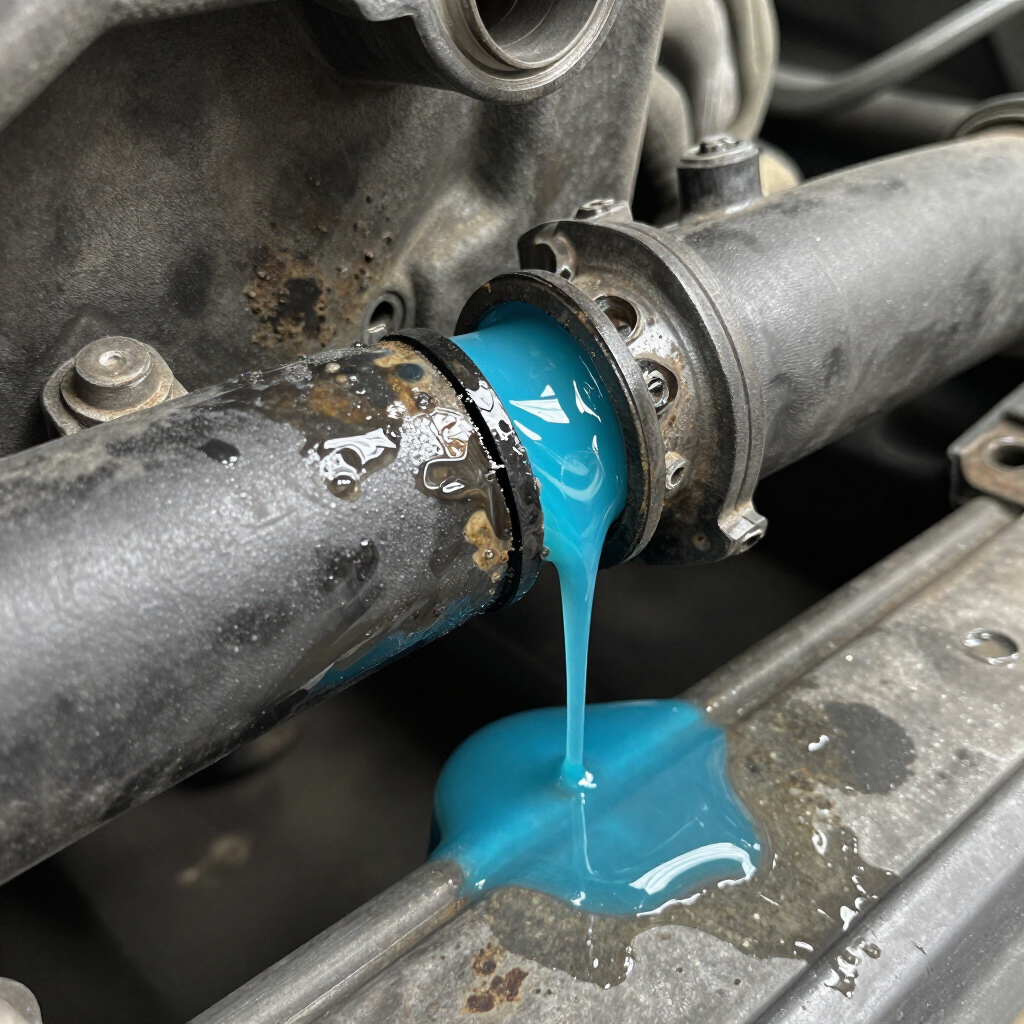
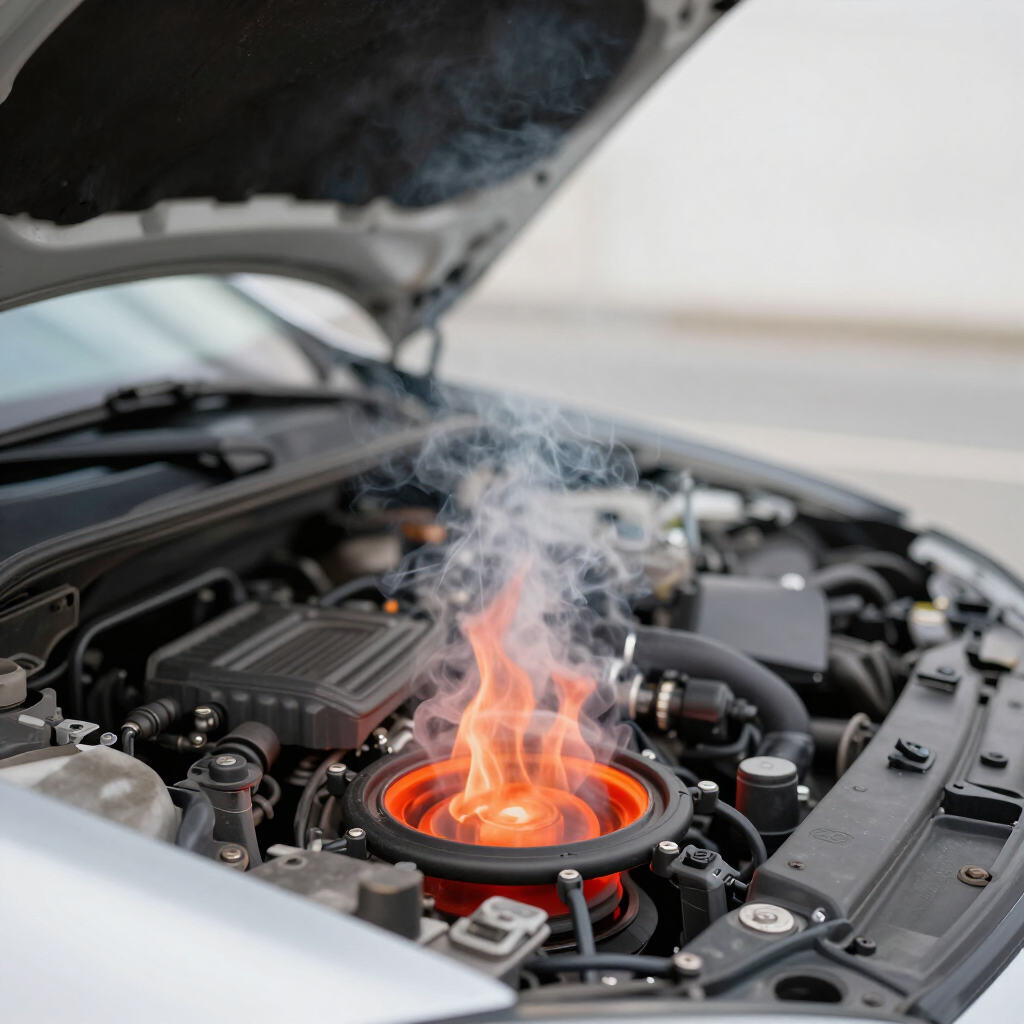
A cooling-system problem can lead to overheating and potentially expensive engine damage.
Warning signs include:
- Temperature gauge running hotter than normal
- Coolant leaks
- Low coolant level
- Sweet smell
- Steam
- Cooling fans behaving abnormally
If your vehicle is overheating, don't continue driving and hope the problem goes away.
For more information, see Apex Automotive Care's Cooling System service.
10. Modern Tune-Ups Should Include Diagnostics When Needed
One major difference between an old-fashioned tune-up and modern vehicle maintenance is diagnostics.
Today's vehicles generate valuable information through onboard computers and sensors.
If the Check Engine Light is on, a diagnostic scan can help identify stored trouble codes and provide information about what the vehicle's computer has detected.
But a diagnostic code doesn't automatically tell you which part to replace.
For example, a misfire code can have multiple possible causes.
That is why diagnostic testing and physical inspection are important.
Apex Automotive Care provides engine diagnostics and Check Engine Light service in Houston. (apexautomotivecare.com)
How Often Should You Get a Tune-Up?
There's no universal tune-up interval for every vehicle.
Modern vehicles have different maintenance schedules depending on:
- Make
- Model
- Engine
- Mileage
- Driving conditions
- Manufacturer recommendations
- Vehicle age
- Previous maintenance
The best place to start is your owner's manual.
Some vehicles may call for spark-plug replacement at a specific mileage. Others may have different inspection intervals.
Instead of following a generic "every 30,000 miles" rule, follow the maintenance schedule designed for your specific vehicle.
Does a New Car Need a Tune-Up?
Yes—but "tune-up" may not mean the same thing it did decades ago.
A newer vehicle may not need spark plugs replaced for many miles.
However, it still requires scheduled maintenance.
Newer vehicles still need:
- Oil and filter changes
- Fluid checks
- Tire maintenance
- Brake inspections
- Battery testing
- Air-filter inspection
- Cooling-system checks
- Manufacturer-recommended services
- Diagnostic attention when warning lights appear
Following the maintenance schedule can help protect the vehicle's reliability and long-term value.
Does an Older Car Need More Maintenance?
Generally, older vehicles can require more attention because components have had more time to wear and age.
An older vehicle may require closer monitoring of:
- Belts
- Hoses
- Suspension
- Steering
- Cooling systems
- Electrical components
- Oil leaks
- Seals and gaskets
- Brakes
- Tires
However, age alone doesn't determine whether a vehicle needs repairs.
Maintenance history and current condition are equally important.
A well-maintained older vehicle can sometimes be more reliable than a newer vehicle that has been neglected.
What Are Signs Your Vehicle May Need Maintenance?
Pay attention when your vehicle starts behaving differently.
Potential warning signs include:
- Check Engine Light
- Rough idle
- Engine hesitation
- Poor acceleration
- Decreased fuel economy
- Hard starting
- Unusual noises
- Fluid leaks
- Overheating
- Brake vibration
- Steering changes
- Battery problems
- Unusual smells
These symptoms don't necessarily mean your vehicle needs a "tune-up."
They mean the vehicle should be evaluated to determine what's actually happening.
Tune-Up vs. Preventive Maintenance: What's the Difference?
The terms are sometimes used interchangeably, but they're not exactly the same.
A tune-up traditionally refers to maintenance focused primarily on engine performance and ignition components.
Preventive maintenance is broader.
It considers the entire vehicle, including:
- Engine
- Transmission
- Brakes
- Tires
- Suspension
- Steering
- Cooling system
- Electrical system
- Fluids
- Filters
- Belts and hoses
For today's vehicles, thinking about maintenance as an overall preventive process is usually more useful than waiting for a specific "tune-up" interval.
Apex Automotive Care offers General Vehicle Maintenance to help Houston drivers stay ahead of routine service needs.
Why Preventive Maintenance Can Save You Money
Preventive maintenance isn't about spending money on repairs you don't need.
It's about identifying legitimate maintenance needs before they become larger problems.
For example:
A worn component may be inexpensive to replace during routine maintenance but could cause additional damage if it fails.
A low fluid level may be easy to correct, while continuing to operate with insufficient fluid can cause major component damage.
A weak battery may be replaced on your schedule, while a dead battery can leave you stranded.
The goal is to give you information so you can make an informed decision.
Frequently Asked Questions About Tune-Ups
What does a tune-up include?
It depends on the vehicle.
A modern tune-up may involve spark-plug inspection or replacement, air-filter inspection, fluid checks, battery testing, ignition-system inspection, diagnostics, and other manufacturer-recommended maintenance.
Does my new car need a tune-up?
Newer vehicles still require regular maintenance even though they may not need traditional tune-up services as frequently as older vehicles.
Follow the maintenance schedule in your owner's manual.
How often should I get a tune-up?
There is no universal interval.
Maintenance requirements vary by vehicle, engine, mileage, and manufacturer recommendations.
Can a tune-up improve gas mileage?
Proper maintenance can help your vehicle operate as designed, but a tune-up isn't guaranteed to produce a dramatic fuel-economy increase.
If your fuel economy has suddenly decreased, the vehicle should be diagnosed to determine why.
Can bad spark plugs cause a Check Engine Light?
Yes.
Worn or damaged spark plugs can contribute to engine misfires, which may trigger a Check Engine Light.
However, a Check Engine Light can have many other causes, so diagnosis is important.
Is a tune-up the same as an oil change?
No.
An oil change is one specific maintenance service.
A tune-up traditionally refers to engine-performance and ignition-related maintenance, while preventive maintenance covers a broader range of vehicle systems.
Does Houston heat affect vehicle maintenance?
Yes.
Houston's high temperatures can place additional stress on batteries, cooling systems, tires, fluids, belts, hoses, and other components.
Regular inspections can help identify heat-related wear.
Can I wait until my car has a problem before getting maintenance?
You can, but it's generally better to follow the manufacturer's maintenance schedule.
Preventive maintenance can help identify developing problems before they cause breakdowns or more expensive repairs.
Tune-Ups Aren't Just for Old Cars
A modern vehicle may be more technologically advanced than cars from previous generations, but it still needs maintenance.
The difference is that today's "tune-up" is less about replacing a fixed list of parts and more about maintaining the vehicle according to its specific service schedule and diagnosing problems before they become major repairs.
Whether you drive a new vehicle, an older car, a truck, an SUV, or a daily commuter, regular maintenance can help you protect your investment and keep your vehicle performing the way it should.
Get Your Vehicle Serviced in Houston, TX
Apex Automotive Care provides professional automotive maintenance, diagnostics, and repair in Houston, TX.
The shop offers services including general vehicle maintenance, engine diagnostics, Check Engine Light service, brake repair, cooling-system service, transmission service, tire services, wheel alignment, and more. (apexautomotivecare.com)
Apex Automotive Care is located at:
7050 Southwest Freeway
Houston, TX 77074
Current posted hours are Monday through Friday from 8:00 AM to 6:00 PM and Saturday from 8:00 AM to 3:00 PM. (apexautomotivecare.com)
If you're due for maintenance—or you've noticed that your vehicle isn't running the way it used to—getting it checked now may help you avoid a much bigger problem later.
Schedule Your Vehicle Maintenance
Book Now — Schedule Your Appointment
Or call to speak with the Apex Automotive Care team.