Your vehicle's wheels are designed to work together at precise angles. When those angles change, your vehicle may not handle the way it should, and your tires can begin wearing unevenly.
Unfortunately, many drivers don't realize they have an alignment problem until they notice something obvious—such as the vehicle pulling to one side, a crooked steering wheel, or tires wearing much faster than expected.
Houston roads can be especially tough on vehicles. Potholes, road construction, curbs, heavy traffic, and everyday driving can all contribute to alignment problems over time.
At Apex Automotive Care, we help Houston drivers identify alignment problems and determine whether their vehicle needs a wheel alignment or additional steering and suspension repairs.
Here are some of the most common signs to watch for.
What Is a Wheel Alignment?
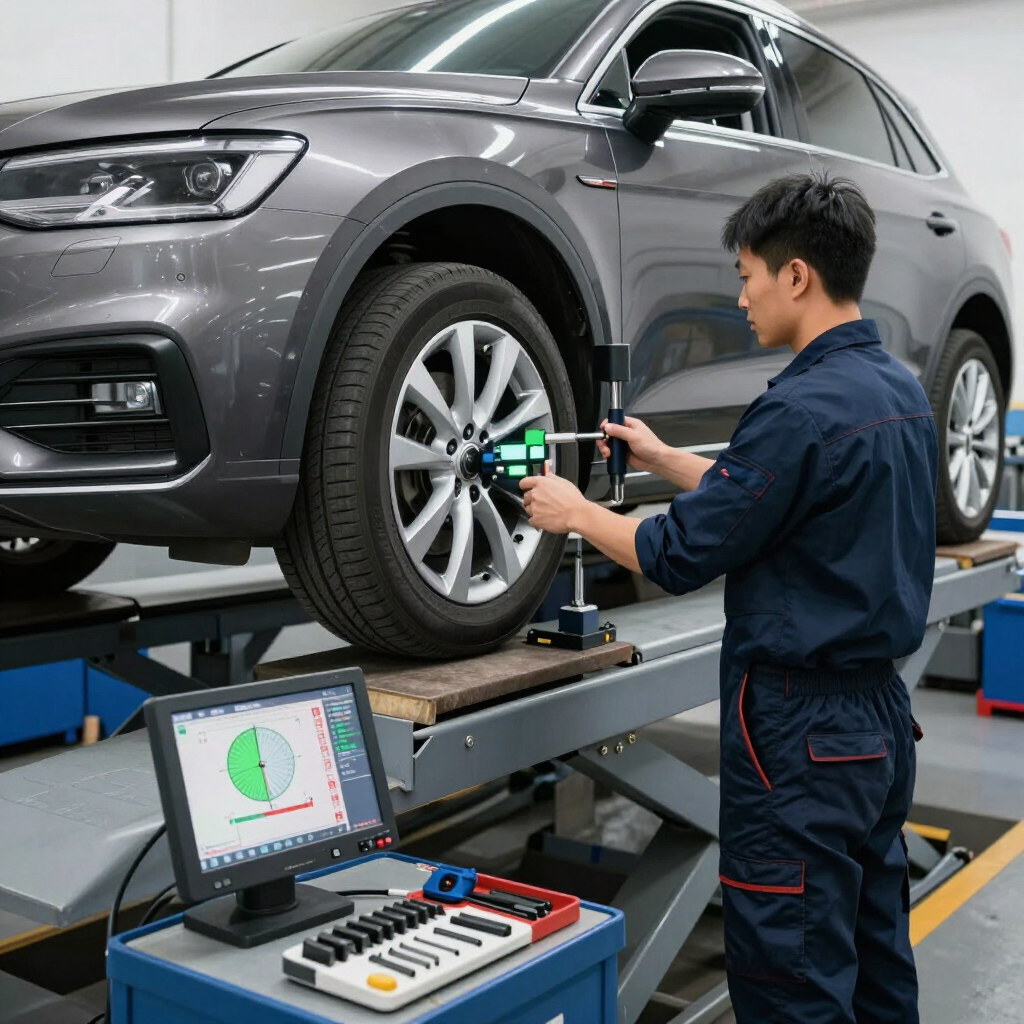
A wheel alignment adjusts the angles of the wheels so they are positioned correctly according to the vehicle manufacturer's specifications.
Alignment involves several important measurements, including:
- Camber
- Caster
- Toe
These angles affect how your vehicle tracks down the road, how your steering feels, and how your tires contact the pavement.
When alignment angles are outside of specification, your vehicle may become harder to control and your tires may wear prematurely.
1. Your Vehicle Pulls to One Side
One of the most noticeable signs of a possible alignment problem is when your vehicle consistently pulls to the left or right.
You may find yourself constantly correcting the steering wheel to keep the vehicle traveling straight.
However, pulling doesn't always mean the alignment is the problem.
Other possible causes include:
- Uneven tire pressure
- Tire problems
- Uneven tire wear
- Brake drag
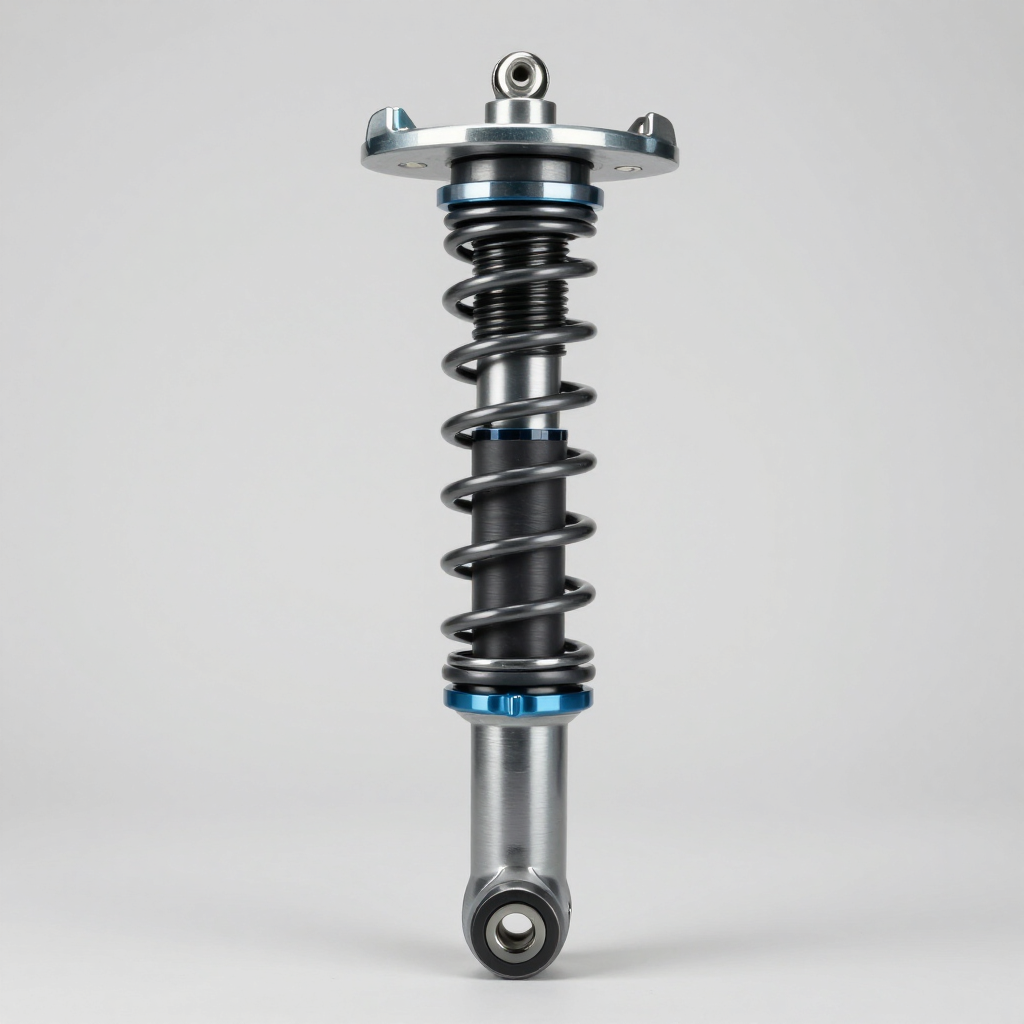
- Worn suspension components
- Steering problems
That's why a proper inspection is important.
A technician can determine whether an alignment adjustment is needed or whether another component is causing the vehicle to pull.
2. Your Steering Wheel Isn't Straight
If you're driving on a reasonably straight road and your steering wheel sits noticeably crooked, your vehicle may have an alignment issue.
For example, you may notice that the steering wheel points slightly left even though the vehicle is traveling straight.
This can happen when alignment angles are no longer within specification.
A crooked steering wheel shouldn't automatically be assumed to be an alignment problem, though. Steering or suspension issues can also affect steering-wheel position.
A professional inspection can identify the cause.
3. Your Tires Are Wearing Unevenly
Your tires can tell you a lot about the condition of your vehicle.
If you notice that one side of a tire is wearing significantly faster than the other, alignment or suspension problems may be involved.
Common patterns include excessive wear on:
- The inside edge
- The outside edge
- One portion of the tread
- One tire compared with the others
Uneven tire wear can reduce tire life and potentially affect handling.
If you're replacing tires because they repeatedly wear unevenly, it's important to determine why they're wearing that way.
Installing new tires without addressing an underlying alignment or suspension problem can result in the same wear pattern developing again.
4. Your Vehicle Feels Unstable
A vehicle with an alignment or suspension problem may feel different while driving.
You may notice:
- Wandering
- Steering corrections
- Unusual sensitivity to road surfaces
- Changes in highway handling
- A feeling that the vehicle doesn't track straight
These symptoms shouldn't be ignored, especially if they appeared after hitting a pothole or curb.
Handling problems can involve more than alignment, so an inspection of the steering and suspension systems may be necessary.
5. You Recently Hit a Pothole
Houston drivers know how quickly a pothole can appear.
A significant impact can affect:
- Wheel alignment
- Steering components
- Suspension components
- Tires
- Wheels
You don't necessarily need an alignment every time you hit a pothole.
However, if you hit a major pothole and afterward notice pulling, vibration, uneven tire wear, or a crooked steering wheel, it's a good idea to have the vehicle inspected.
The same applies to hitting a curb.
6. Your Tires Are Wearing Faster Than Expected
Tires don't last forever, but they also shouldn't wear out prematurely without a reason.
If your tires are wearing significantly faster than expected, an alignment issue may be contributing.
Other possible causes include:
- Incorrect tire pressure
- Suspension wear
- Aggressive driving
- Tire imbalance
- Tire quality
- Improper rotation
- Vehicle loading
A technician can inspect the tread pattern and vehicle components to determine what's contributing to the wear.
7. Your Steering Doesn't Feel Normal
Pay attention to changes in the way your steering feels.
If the vehicle suddenly feels different, don't assume it's simply because you're getting used to the car.
Changes such as wandering, pulling, or an off-center steering wheel can indicate an issue with the vehicle's steering, suspension, tires, or alignment.
Early diagnosis can help prevent a minor issue from becoming a more expensive repair.
What Causes Wheel Alignment Problems?
Alignment can change for several reasons.
Potholes
A hard pothole impact can alter alignment angles or damage steering and suspension components.
Curbs
Hitting a curb can affect wheels, tires, steering, and suspension.
Normal Wear
Suspension and steering components can wear over time, allowing alignment angles to change.
Accidents
Even relatively minor collisions can affect vehicle alignment.
Worn Suspension Components
If components such as control arms, ball joints, or tie rods are worn, an alignment may not hold properly until the underlying problem is repaired.
Houston Driving Conditions
Heavy traffic, rough roads, road construction, and frequent pothole impacts can all contribute to vehicle wear.
Can Bad Alignment Damage Your Tires?
Yes.
One of the biggest consequences of poor alignment is premature or uneven tire wear.
When the wheels aren't positioned correctly, the tires may not contact the road evenly.
That can cause certain portions of the tread to wear faster than others.
Over time, this can:
- Shorten tire life
- Reduce traction
- Affect handling
- Increase tire replacement costs
That's why alignment isn't simply about making your steering wheel straight.
It's also about helping your tires wear properly and allowing the vehicle to track correctly.
Does Wheel Alignment Affect Fuel Economy?
It can.
A vehicle with significant alignment problems may experience additional rolling resistance because the tires aren't tracking correctly.
However, fuel economy can be affected by many other factors, including:
- Tire pressure
- Tire condition
- Engine performance
- Driving habits
- Vehicle load
- Road conditions
If you're experiencing a sudden decrease in fuel economy along with unusual tire wear or steering behavior, an inspection may be worthwhile.
Wheel Alignment vs. Wheel Balancing
These services are often confused, but they address different problems.
Wheel Alignment
Alignment focuses on the angles and positioning of the wheels relative to the vehicle and road.
Alignment problems commonly cause:
- Pulling
- Crooked steering wheel
- Uneven tire wear
- Tracking problems
Wheel Balancing
Balancing addresses the distribution of weight around the wheel and tire assembly.
An imbalance can cause vibration, particularly at certain speeds.
If your vehicle is vibrating at highway speeds, that doesn't automatically mean you need an alignment.
A technician should determine whether the problem involves alignment, balancing, tires, wheels, suspension, or another component.
How Is a Wheel Alignment Checked?
During an alignment inspection, technicians evaluate the vehicle's steering and suspension system and measure wheel angles.
Depending on the vehicle and equipment, an alignment service may involve checking measurements such as:
- Camber
- Caster
- Toe
- Steering-wheel position
The technician then compares those measurements with the vehicle manufacturer's specifications.
If the vehicle has worn or damaged steering or suspension components, those issues may need to be addressed before an alignment can be performed properly.
Do You Always Need an Alignment When You Buy New Tires?
Not necessarily.
Installing new tires doesn't automatically mean the vehicle needs an alignment.
However, tire replacement is a good opportunity to inspect the tires and check for uneven wear.
If the old tires show unusual wear patterns, an alignment or suspension inspection may be recommended to determine why.
Otherwise, the new tires could develop the same wear pattern.
How Often Should You Get a Wheel Alignment?
There isn't one universal alignment interval that applies to every vehicle.
Some vehicles may maintain their alignment for a long time, while others may require adjustment sooner because of driving conditions, suspension wear, or impacts.
Instead of relying solely on mileage, pay attention to changes in:
- Steering
- Vehicle tracking
- Tire wear
- Handling
It's also smart to have the alignment checked after a significant pothole or curb impact, particularly if the vehicle's behavior changes afterward.
What Happens If You Ignore an Alignment Problem?
A minor alignment issue may not seem urgent at first.
But continuing to drive with an alignment problem can contribute to:
- Premature tire wear
- Reduced tire life
- Poor handling
- Increased steering corrections
- Uneven tread wear
- Additional stress on steering and suspension components
The longer an underlying problem continues, the greater the chance that you'll spend money replacing tires or other components that could have lasted longer with proper maintenance.
Frequently Asked Questions About Wheel Alignment
How do I know if my car needs an alignment?
Common signs include pulling to one side, a crooked steering wheel, uneven tire wear, wandering, and changes in handling.
Can hitting a pothole mess up my alignment?
Yes. A significant pothole impact can change alignment or damage steering and suspension components.
Why is my steering wheel crooked?
A crooked steering wheel can be caused by an alignment issue, but it can also result from steering or suspension problems. An inspection can determine the cause.
Can bad alignment cause uneven tire wear?
Yes. Incorrect alignment angles can cause excessive wear on certain areas of the tire tread.
Does alignment fix a shaking steering wheel?
Not necessarily. Steering-wheel vibration can result from wheel imbalance, tire problems, suspension issues, brake problems, or other causes. The vehicle should be inspected to determine the source.
How long does a wheel alignment last?
There isn't a guaranteed lifespan. Alignment can remain within specification for a long time, but potholes, impacts, worn components, and road conditions can change it.
Should I get an alignment after replacing tires?
Not automatically. However, if the old tires show uneven wear, it's a good idea to have the alignment and suspension checked.
Professional Wheel Alignment Service in Houston, TX
If your vehicle is pulling to one side, your steering wheel isn't centered, or your tires are wearing unevenly, don't ignore the warning signs.
At Apex Automotive Care, our team can inspect your vehicle to determine whether an alignment adjustment is necessary or whether another steering, suspension, tire, or wheel problem is responsible.
We provide automotive maintenance and repair services for Houston drivers and can help identify problems before they turn into unnecessary tire replacement or more expensive repairs.
Apex Automotive Care
7050 Southwest Freeway
Houston, TX 77074
Schedule Your Appointment
Book Now — Schedule Your Wheel Alignment Inspection
Or call to speak with the Apex Automotive Care team.