An oil change may be one of the simplest services your vehicle needs, but it is also one of the most important.
Engine oil does much more than lubricate your engine. It helps reduce friction, manage heat, carry contaminants away from critical components, and protect the internal parts of your engine from unnecessary wear.
When oil becomes old, contaminated, or too low, it may not provide the protection your engine needs.
For Houston drivers, keeping up with regular oil changes is especially important. Houston's heat, traffic, stop-and-go driving, long commutes, and extended idling can put additional stress on your vehicle.
At Apex Automotive Care, we help Houston drivers stay on top of routine maintenance and identify developing problems before they turn into expensive repairs.
What Does Engine Oil Actually Do?
Your engine contains dozens of moving components that operate at high temperatures and speeds.
Engine oil creates a lubricating film between these components, helping reduce friction and wear.
Proper engine oil also helps:
- Lubricate moving engine components
- Reduce friction
- Carry heat away from internal components
- Suspend contaminants
- Protect against corrosion
- Support proper engine operation
As oil ages, it becomes contaminated and can lose some of its ability to perform these important functions.
That's why regular oil changes are such an important part of general vehicle maintenance.
Why Are Regular Oil Changes Important?
1. Oil Helps Protect Your Engine From Wear
Inside your engine, components are constantly moving at high speeds.
Without adequate lubrication, friction and heat can increase, potentially contributing to premature wear.
Fresh engine oil helps provide the lubrication these components need to operate properly.
Neglecting oil changes for extended periods can contribute to increased engine wear and, in severe cases, expensive internal engine damage.
A routine oil change is significantly less expensive than dealing with major engine repairs caused by neglected maintenance.
2. Old Oil Becomes Contaminated
Engine oil doesn't remain perfectly clean forever.
As your engine operates, the oil can collect contaminants and combustion byproducts.
Over time, those contaminants can affect the oil's ability to properly lubricate and protect the engine.
Changing the oil removes the old, contaminated oil and replaces it with fresh oil that meets the requirements of your vehicle.
This is one of the reasons manufacturers provide recommended maintenance intervals.
3. Houston Heat Can Put Extra Stress on Your Engine
Houston summers can bring extremely high temperatures.
High ambient temperatures can increase the thermal demands placed on your vehicle's engine and cooling system.
Combine that with heavy traffic and extended periods of idling, and your engine may spend considerable time operating under demanding conditions.
This doesn't automatically mean you need an oil change more frequently than the manufacturer recommends.
Instead, it means Houston drivers should pay close attention to their manufacturer's recommended maintenance schedule and make sure they're using the correct oil specification for their vehicle.
4. Stop-and-Go Traffic Matters
Houston drivers spend plenty of time dealing with traffic.
Repeated acceleration, braking, idling, and short trips can place different demands on an engine compared with consistent highway driving.
Manufacturers may provide separate recommendations for normal and severe driving conditions.
If your vehicle regularly experiences heavy traffic, frequent short trips, extended idling, towing, or other demanding conditions, check your owner's manual to determine whether a severe-service maintenance schedule applies to your vehicle.
5. Regular Oil Changes Can Help Maintain Engine Performance
When your engine has the proper oil level and the correct oil specification, it can operate under the conditions it was designed for.
Neglected maintenance can contribute to problems such as:
- Increased engine noise
- Increased oil consumption
- Reduced performance
- Poor engine operation
- Increased internal wear
An oil change isn't a solution for every engine problem, but it is an essential part of maintaining your vehicle.
If your vehicle is experiencing unusual noises, poor performance, hesitation, or a Check Engine Light, professional diagnostics may be necessary to determine what's actually happening.
For example, engine performance problems can sometimes be related to ignition or fuel issues. Our guide on engine misfire codes and diagnosis explains some of the common causes and warning signs.
6. Turbocharged Engines Need Proper Oil Maintenance
Many modern vehicles use turbocharged engines.
Turbochargers operate at extremely high speeds and temperatures, which makes proper lubrication particularly important.
If your vehicle has a turbocharged engine, using the correct oil specification and following the manufacturer's maintenance recommendations is essential.
Don't assume that any oil will work simply because it has the same viscosity.
Always follow the oil specification recommended for your particular vehicle.
7. An Oil Change Can Help Identify Other Problems
An oil-change appointment can also provide an opportunity to identify other developing vehicle problems.
During routine service, technicians may notice:
- Oil leaks
- Low fluid levels
- Worn belts
- Damaged hoses
- Battery concerns
- Tire wear
- Brake wear
- Cooling-system problems
- Warning lights
- Other visible wear
The goal isn't to turn every oil change into a long list of repairs.
The goal is to identify legitimate concerns and help you understand what needs attention now, what can be planned for later, and what should simply be monitored.
At Apex Automotive Care, we believe customers deserve to understand why a repair is recommended before making a decision.
How Often Should You Change Your Oil?
There isn't one oil-change interval that applies to every vehicle.
The correct interval can depend on:
- Vehicle make and model
- Engine type
- Oil specification
- Oil type
- Mileage
- Driving conditions
- Manufacturer recommendations
Some newer vehicles are designed to go considerably longer between oil changes than older vehicles.
However, you should never assume that every vehicle follows the same schedule.
Your owner's manual is the best place to start.
If you're unsure about your vehicle's maintenance schedule, a professional automotive service provider can help you determine what maintenance is appropriate.
Synthetic Oil vs. Conventional Oil
Many modern vehicles use synthetic or synthetic-blend engine oil.
Synthetic oil is engineered to provide specific performance characteristics and may provide advantages under certain operating conditions.
However, the most important consideration is using oil that meets your vehicle manufacturer's specifications.
Don't choose an oil simply because it is marketed as "premium" or because it worked well in another vehicle.
Different engines have different requirements.
What Happens If You Don't Change Your Oil?
Skipping one oil change doesn't automatically mean your engine will fail.
However, consistently neglecting oil changes can increase the risk of serious problems.
Potential consequences include:
- Increased engine wear
- Oil sludge and deposits
- Increased oil consumption
- Reduced lubrication
- Increased engine noise
- Reduced performance
- Serious engine damage
In severe cases, inadequate lubrication can contribute to catastrophic engine failure.
That is why keeping up with routine oil changes is such an important part of protecting your vehicle.
What If My Oil Level Is Low?
A low oil level is not necessarily the same thing as simply being due for an oil change.
If your engine oil level is low, there may be an external leak or the engine may be consuming oil.
If you regularly need to add oil between services, don't simply continue adding oil without finding out why the level is dropping.
Possible causes can include:
- Oil leaks
- Worn seals or gaskets
- Oil consumption
- Engine wear
- Other mechanical problems
Adding oil may restore the correct level temporarily, but it doesn't address the underlying cause.
A professional inspection can help determine what's happening.
Can You Go Too Long Between Oil Changes?
Yes.
Oil-change intervals are established based on the vehicle's engine design, oil requirements, and expected operating conditions.
As oil accumulates mileage and contaminants, it eventually needs to be replaced.
Following the manufacturer's recommended maintenance schedule helps ensure your engine receives fresh oil at appropriate intervals.
If you can't remember when your last oil change was, check your service records or have your vehicle inspected.
Don't Ignore Your Oil Warning Light
It's important to understand the difference between an oil-change reminder and an oil-pressure warning light.
An oil-change reminder indicates that routine maintenance is due.
An oil-pressure warning light can indicate a potentially serious engine problem.
If an oil-pressure warning light comes on while you're driving, don't assume that you simply need an oil change.
Safely stop the vehicle and consult your owner's manual or seek professional assistance.
Continuing to operate an engine with inadequate oil pressure can cause severe internal engine damage.
What Should You Check Between Oil Changes?
Regular oil changes are important, but you shouldn't completely ignore your vehicle between services.
Depending on your vehicle, periodically monitor:
Engine Oil Level
Check your oil according to the manufacturer's instructions and watch for unusual oil consumption.
Coolant
A low coolant level can indicate a leak or cooling-system problem.
Tire Pressure
Proper tire pressure helps support handling, tire life, and fuel efficiency.
Warning Lights
Don't ignore new dashboard warning lights.
Fluid Leaks
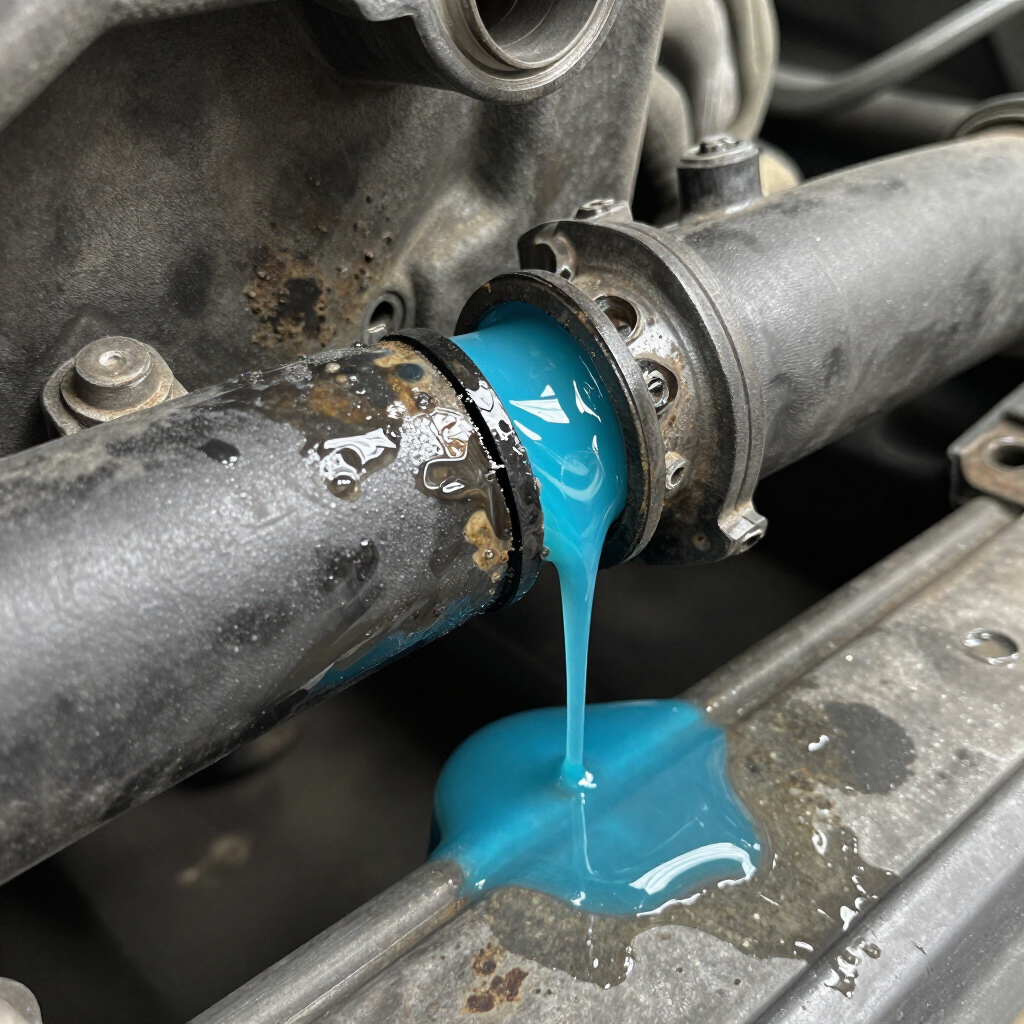
Pay attention to new spots or puddles underneath your vehicle.
Unusual Noises
New or unusual engine noises should be investigated rather than ignored.
Why Oil Changes Are Especially Important for Houston Drivers
Houston can be demanding on vehicles.
Your vehicle may regularly experience:
- Extreme summer temperatures
- Heavy traffic
- Stop-and-go driving
- Long commutes
- Extended idling
- Frequent short trips
- Highway driving
These conditions don't necessarily mean you need an oil change every few thousand miles.
Instead, they reinforce the importance of following the maintenance schedule recommended for your specific vehicle.
Proper maintenance becomes even more important when your vehicle is exposed to demanding driving conditions year after year.
Frequently Asked Questions About Oil Changes
How often should I change my oil?
Follow the interval recommended by your vehicle manufacturer. The correct interval depends on your vehicle, oil specification, mileage, and driving conditions.
Does synthetic oil last longer?
Some synthetic oils and vehicles are designed for longer service intervals. However, you should follow the manufacturer's recommended interval rather than assuming synthetic oil automatically lasts longer in every vehicle.
What happens if I forget an oil change?
Missing an occasional service doesn't guarantee engine damage, but repeatedly extending oil-change intervals can increase engine wear and the risk of lubrication problems and deposits.
Can low oil damage an engine?
Yes. Operating an engine with an inadequate oil level can increase friction and heat and may cause severe internal engine damage.
Why does my car keep losing oil?
Possible causes include leaks, oil consumption, worn seals or gaskets, or internal engine wear. If you frequently need to add oil, the vehicle should be inspected.
Is an oil change enough to fix a noisy engine?
Not necessarily. If an engine is already making unusual noises, the cause should be diagnosed. An oil change may not correct mechanical wear or another underlying problem.
Should I change my oil more often because I live in Houston?
Not automatically. Check your owner's manual and determine whether your driving conditions qualify for the manufacturer's severe-service maintenance schedule.
Can I use any engine oil?
No. Use the viscosity and specifications recommended for your vehicle. Using the wrong oil can potentially affect engine performance and lubrication.
Professional Oil Change & Auto Maintenance in Houston, TX
Oil changes may be simple, but they're one of the most important maintenance services you can perform for your vehicle.
Regular oil service helps provide your engine with the lubrication and protection it needs while giving technicians an opportunity to identify leaks, wear, and other developing problems.
For Houston drivers, staying current with maintenance is especially important because of the heat, traffic, and demanding driving conditions.
If you're unsure when your next oil change is due, your vehicle is consuming oil, or you've noticed a new warning light or unusual engine noise, it's better to have it checked than to wait for a bigger problem.
At Apex Automotive Care, our team provides professional automotive maintenance and repair services for drivers throughout Houston.
Apex Automotive Care
7050 Southwest Freeway
Houston, TX 77074
Ready for Your Next Oil Change?
Book Your Oil Change Appointment Online
Or call to speak with the Apex Automotive Care team.