Why Is My Car Overheating? Common Causes | Houston, TX

August 17, 2026

Why Is My Car Overheating? Common Causes and What Houston Drivers Should Do

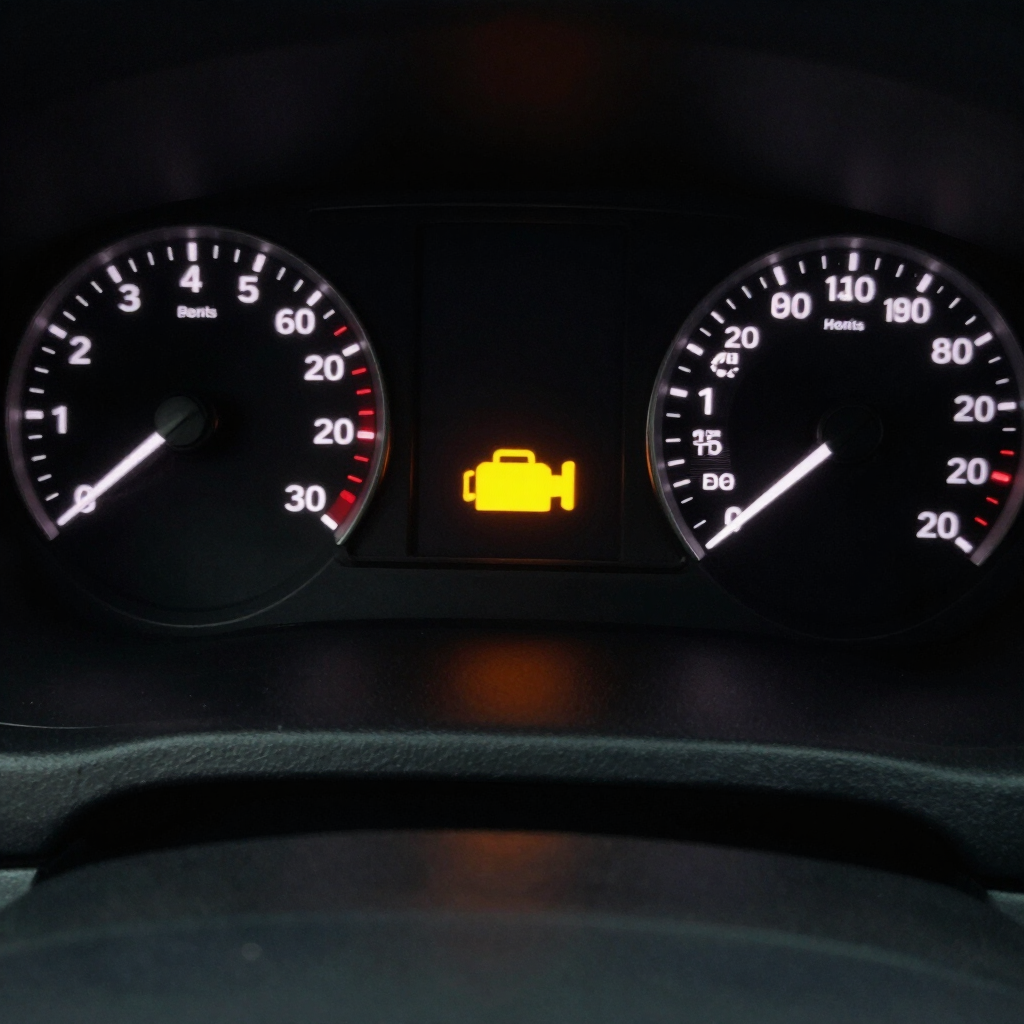
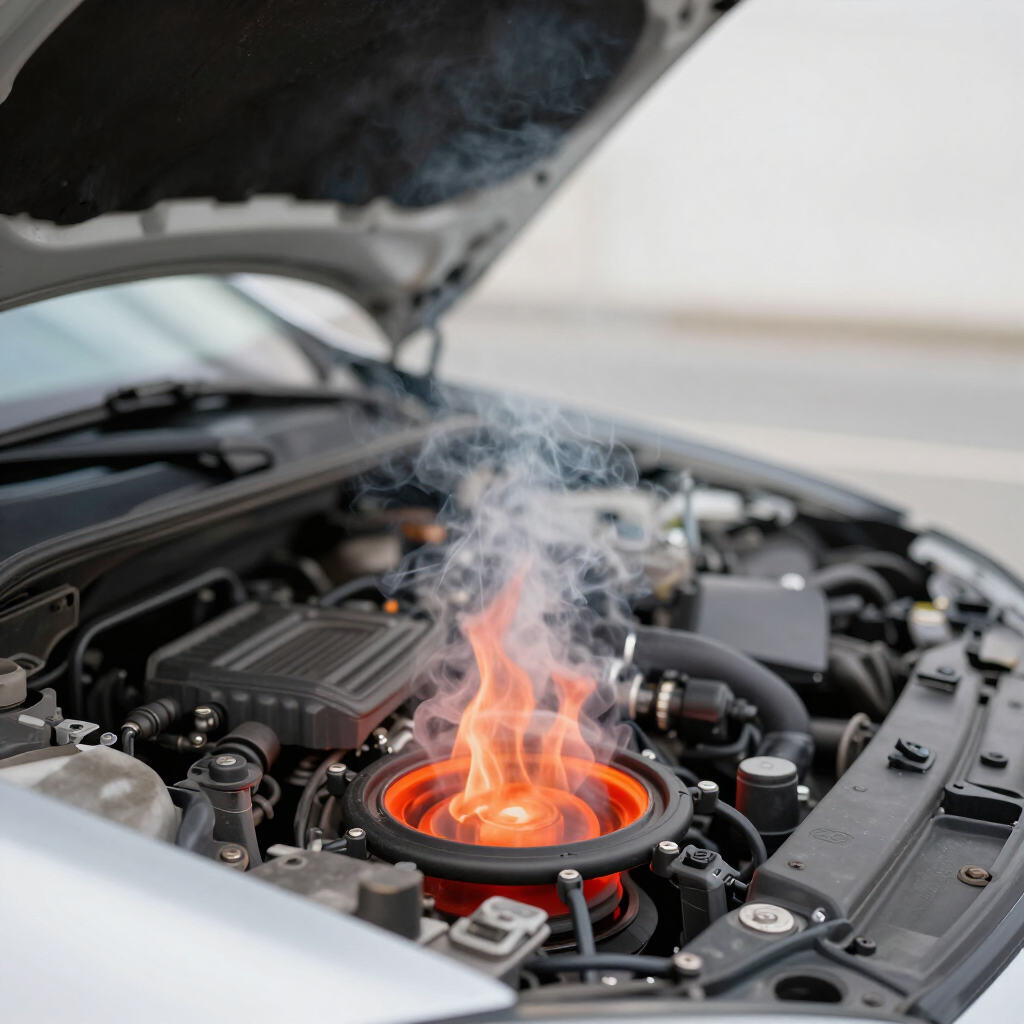
Few things are more stressful than seeing your vehicle's temperature gauge climb toward the red, receiving an engine temperature warning, or seeing steam coming from underneath the hood.

An overheating engine should never be ignored. What starts as a relatively simple cooling-system problem can potentially become expensive engine damage if you continue driving.

For drivers in Houston, TX, maintaining a healthy cooling system is especially important. Houston's hot temperatures, heavy traffic, stop-and-go driving, and long commutes can place additional demands on your vehicle's cooling system.

At Apex Automotive Care, we help Houston drivers diagnose overheating problems and determine what their vehicles actually need.

What Causes a Car to Overheat?

Your vehicle's cooling system is designed to keep the engine operating within a safe temperature range.

The cooling system typically includes:

  • Radiator
  • Coolant
  • Water pump
  • Thermostat
  • Cooling fans
  • Radiator hoses
  • Coolant reservoir
  • Temperature sensors

When one of these components fails, coolant is lost, airflow is restricted, or heat cannot be transferred properly, engine temperature can rise.

According to AAA, common causes of vehicle overheating can include coolant problems, thermostat issues, radiator problems, water-pump problems, damaged hoses, and head-gasket problems.

Let's look at some of the most common reasons a vehicle may overheat.

1. Low Coolant Level

One of the most common causes of overheating is an insufficient coolant level.

Coolant absorbs heat from the engine and carries that heat to the radiator, where the heat can be released.

If your coolant level becomes too low, the cooling system may not be able to properly control engine temperature.

Low coolant can be caused by:

  • Coolant leaks
  • Damaged hoses
  • Radiator leaks
  • Water-pump problems
  • Thermostat housing leaks
  • Damaged coolant reservoirs

If you repeatedly have to add coolant, don't assume that simply topping it off is enough.

A vehicle should not continually lose coolant under normal operation.

If the level keeps dropping, the source of the problem should be diagnosed.

At Apex Automotive Care, our technicians can inspect the cooling system and help determine why your vehicle is losing coolant.

2. Coolant Leaks

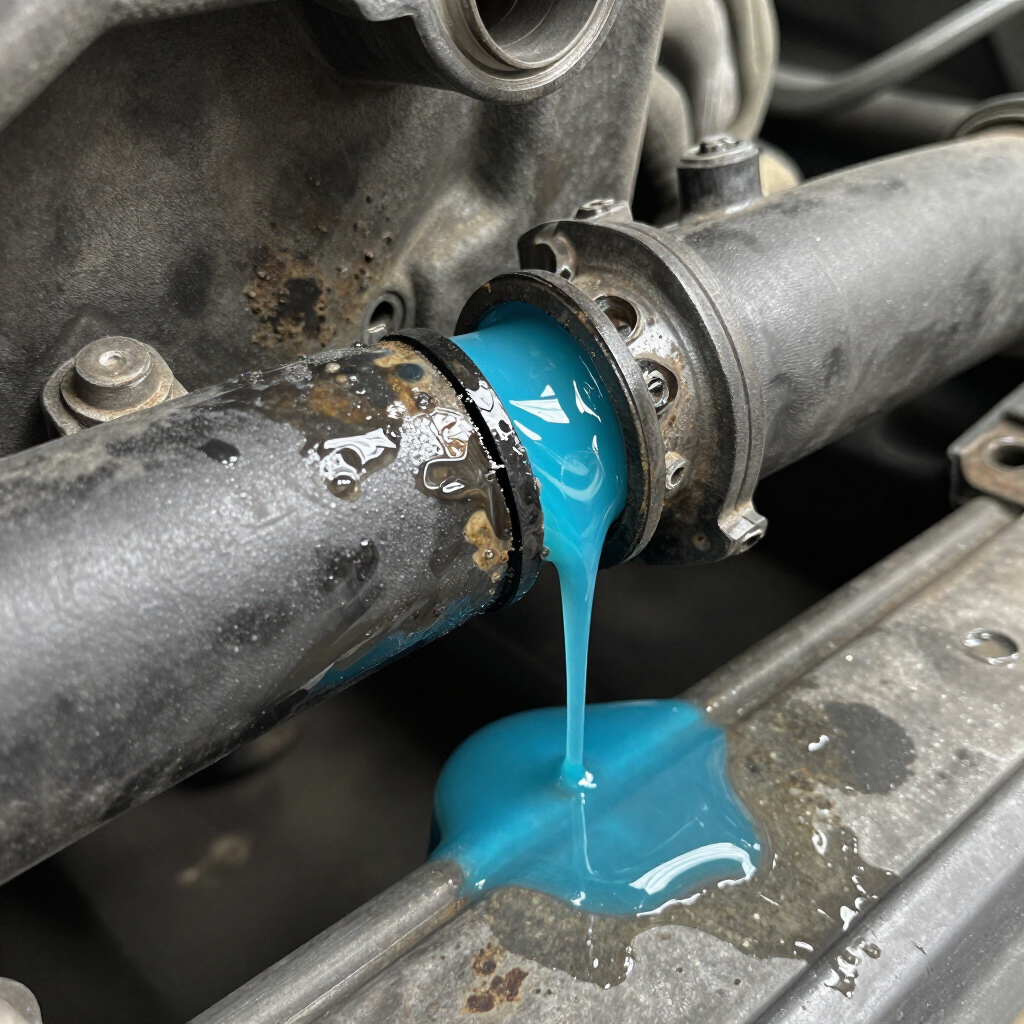
A coolant leak can eventually cause an engine to overheat.

Depending on the location and severity of the leak, you may notice:

  • Fluid underneath your vehicle
  • A sweet smell
  • Low coolant levels
  • Steam from under the hood
  • Wet areas around hoses
  • Coolant around the radiator
  • Rising engine temperature

Some coolant leaks are easy to see.

Others may only occur when the engine is hot and the cooling system is under pressure.

That means you may not always see a puddle underneath the vehicle.

A proper inspection and cooling-system pressure test can help locate leaks that aren't immediately visible.

3. A Failing Thermostat

The thermostat controls coolant flow between the engine and radiator.

When the engine is cold, the thermostat helps the engine reach operating temperature.

Once the engine reaches the appropriate temperature, the thermostat opens and allows coolant to circulate through the radiator.

If the thermostat becomes stuck closed, coolant circulation can become restricted and the engine may overheat.

Possible symptoms include:

  • Temperature gauge rising
  • Engine overheating
  • Temperature fluctuations
  • Poor temperature regulation
  • Cooling-system warning lights

Because other cooling-system problems can create similar symptoms, it's important to diagnose the problem before replacing parts.

4. Radiator Problems

The radiator plays an important role in removing heat from the engine coolant.

Over time, radiators can experience:

  • Leaks
  • Corrosion
  • Internal blockage
  • Restricted coolant flow
  • Damaged fins
  • Cracked components

When a radiator cannot properly release heat, engine temperatures can increase.

This can become particularly noticeable during hot Houston weather or while sitting in heavy traffic.

5. Cooling Fan Problems

Cooling fans help move air through the radiator when necessary.

If a cooling fan isn't operating correctly, the vehicle may have difficulty maintaining proper engine temperature, particularly when sitting still.

Potential causes can include:

  • Failed fan motor
  • Blown fuse
  • Faulty relay
  • Wiring problems
  • Temperature sensor problems
  • Control-module issues

One clue is when a vehicle tends to overheat while sitting in traffic but runs at a normal temperature once it reaches highway speeds.

That symptom can point toward an airflow or cooling-fan problem, although other issues can produce similar symptoms.

6. Water Pump Failure

The water pump circulates coolant throughout the engine and cooling system.

If the water pump isn't moving coolant properly, the engine may not be able to transfer heat effectively.

A failing water pump can sometimes cause:

  • Coolant leaks
  • Overheating
  • Unusual noises
  • Poor coolant circulation
  • Temperature fluctuations

Some vehicles have water pumps driven by belts, while others use different designs.

The repair procedure and cost can therefore vary significantly depending on the vehicle.

7. Damaged Cooling-System Hoses

Cooling-system hoses carry coolant between the engine, radiator, reservoir, and other components.

Over time, exposure to heat and pressure can cause hoses to become:

  • Cracked
  • Brittle
  • Soft
  • Swollen
  • Leaky

A damaged hose can result in coolant loss and potentially cause an overheating event.

Having hoses inspected during routine maintenance can help identify deterioration before a failure leaves you stranded.

8. Low Engine Oil

Engine oil isn't technically part of the cooling system, but it plays an important role in controlling friction and protecting internal engine components.

If the engine oil level becomes too low, friction and heat can increase.

This is another reason why keeping up with regular oil changes and monitoring your oil level is important.

You can learn more about the importance of routine maintenance through Apex Automotive Care's general vehicle maintenance service.

If you're regularly losing oil between services, don't simply keep adding oil without finding out why.

An oil leak or oil-consumption problem may require additional diagnosis.

9. Head Gasket Problems

A head-gasket problem can be much more serious than a typical cooling-system repair.

The head gasket seals the connection between the engine block and cylinder head.

If the gasket fails, combustion gases may enter the cooling system, or coolant and engine oil may mix.

Possible symptoms can include:

  • Persistent overheating
  • Unexplained coolant loss
  • White exhaust smoke
  • Milky-looking engine oil
  • Engine misfires
  • Poor engine performance
  • Bubbles in the cooling system

These symptoms can have multiple causes, so a head-gasket failure should never be assumed without proper testing.

Why Houston Heat Makes Cooling-System Maintenance Important

Houston vehicles deal with demanding driving conditions throughout the year.

During hot weather, high outside temperatures can increase the workload placed on your cooling system.

Combine that with:

  • Heavy traffic
  • Stop-and-go driving
  • Extended idling
  • Long commutes
  • Highway driving

and your vehicle's cooling system can spend a significant amount of time working hard.

That doesn't necessarily mean you need additional services that aren't recommended by your vehicle manufacturer.

Instead, it means Houston drivers should pay attention to their vehicle's maintenance schedule and address cooling-system problems when symptoms first appear.

What Are the Warning Signs of an Overheating Engine?

Your vehicle may provide several warnings before a serious overheating event.

Temperature Gauge Rising

If the temperature gauge moves significantly above its normal operating position, pay attention.

Temperature Warning Light

Some vehicles display a temperature warning light or message when engine temperature becomes excessive.

Steam From Under the Hood

Steam can indicate that coolant is escaping or that the cooling system has become excessively hot.

Sweet Smell

A sweet smell may indicate leaking coolant.

Reduced Engine Performance

An overheating engine may lose power or enter a protective operating mode.

Unusual Engine Noises

An overheating engine may sometimes produce unusual ticking, knocking, or other noises.

AAA recommends taking an overheating vehicle seriously and safely stopping rather than continuing to drive it.

What Should You Do If Your Car Overheats?

If your vehicle begins overheating while you're driving, don't simply continue toward your destination.

If it is safe to do so:

  1. Pull over somewhere safe.
  2. Turn off the engine.
  3. Allow the vehicle to cool.
  4. Do not remove a hot radiator cap.
  5. Arrange for professional assistance if necessary.

Never remove a radiator cap while the cooling system is hot.

The system can be pressurized, and hot coolant can cause serious burns.

If the vehicle has already overheated, having it inspected before continuing to drive is the safer approach.

Can I Drive My Car If It's Overheating?

It's generally not a good idea.

Continuing to operate an overheating vehicle can turn a relatively straightforward cooling-system problem into major engine damage.

Potential consequences can include:

  • Cylinder-head damage
  • Head-gasket failure
  • Engine-oil breakdown
  • Warped engine components
  • Internal engine damage

That's why addressing overheating early can potentially save you from a much larger repair.

How Is an Overheating Problem Diagnosed?

A professional technician may inspect and test several cooling-system components depending on the vehicle and symptoms.

Diagnosis may include:

  • Checking coolant level
  • Inspecting for leaks
  • Pressure-testing the cooling system
  • Checking thermostat operation
  • Testing cooling fans
  • Inspecting radiator condition
  • Checking water-pump operation
  • Testing temperature sensors
  • Inspecting hoses
  • Checking engine oil
  • Testing for combustion gases

At Apex Automotive Care, the goal is to identify the cause of the overheating rather than simply replacing parts based on symptoms.

Proper diagnosis can help you avoid unnecessary repairs and make an informed decision about your vehicle.

How Can You Help Prevent Overheating?

No maintenance program can prevent every cooling-system failure, but regular maintenance can help identify problems before they become emergencies.

Check Your Coolant

Monitor coolant according to your vehicle manufacturer's recommendations.

Watch for Leaks

Don't ignore puddles, fluid loss, or unusual smells.

Follow Your Maintenance Schedule

Regular maintenance can help identify aging hoses, leaks, and other developing problems.

Pay Attention to the Temperature Gauge

Knowing where your vehicle normally operates makes it easier to notice unusual changes.

Don't Ignore Warning Lights

A temperature warning should be addressed promptly.

Have Problems Diagnosed Early

If your vehicle is losing coolant or running hotter than normal, have it inspected before the problem becomes a breakdown.

Frequently Asked Questions

Why does my car overheat in traffic but not on the highway?

This can sometimes indicate a cooling-fan or airflow problem because the vehicle relies more heavily on fan-generated airflow while sitting still.

However, other cooling-system problems can produce similar symptoms.

Can low coolant cause my car to overheat?

Yes. Low coolant can prevent the cooling system from effectively transferring heat away from the engine.

How do I know if my car has a coolant leak?

You may notice coolant underneath the vehicle, a sweet odor, low coolant levels, visible wetness, or steam. Some leaks require pressure testing to locate.

Can a bad thermostat cause overheating?

Yes. A thermostat that doesn't open properly can restrict coolant circulation and contribute to overheating.

Can Houston heat make my car overheat?

High temperatures can increase the demands placed on your cooling system. However, a properly functioning vehicle should still be able to operate normally. If your vehicle begins overheating, the cause should be investigated.

Can overheating damage an engine?

Yes. Severe or prolonged overheating can result in significant internal engine damage.

Professional Cooling-System Repair in Houston, TX

An overheating vehicle is a problem you shouldn't put off.

Whether your vehicle is losing coolant, running hotter than normal, showing a temperature warning, or overheating while sitting in Houston traffic, finding the cause early can help prevent a much larger repair.

At Apex Automotive Care, our team provides professional automotive diagnostics, maintenance, and repair services for Houston drivers.

We believe in explaining what we find, why a repair is recommended, and what needs attention now versus what can be monitored.

Apex Automotive Care
7050 Southwest Freeway
Houston, TX 77074
(713) 779-9140

🚗 Is Your Car Running Hot?

Don't wait until an overheating problem becomes an engine problem.

BOOK YOUR APPOINTMENT ONLINE

Or call (713) 779-9140 to speak with Apex Automotive Care.
August 29, 2026
Why Is My Battery Constantly Dying?
August 28, 2026
Why Does My Steering Wheel Shake When I Brake?
August 27, 2026
Do You Offer Same-Day Auto Repair in Houston?
August 26, 2026
How Do I Know If My Car Needs a Repair or Just Maintenance?
August 25, 2026
Why Are My Brakes Squeaking or Grinding? Causes, Warning Signs & When to Get Them Checked
August 21, 2026
Is your car shaking at highway speeds ? If your vehicle drives smoothly around town but starts vibrating when you reach 50, 60, 70, or 75 mph, there may be an issue with your tires, wheels, alignment, suspension, brakes, steering, or drivetrain. A highway-speed vibration shouldn't be ignored. While the problem may be something relatively simple like an unbalanced tire, it can also be caused by a damaged wheel, worn suspension component, brake problem, axle issue, or another mechanical problem. At Apex Automotive Care , we diagnose and repair vehicle vibration problems for drivers throughout Southwest Houston, Westchase, Bellaire, Meyerland, Stafford, Sugar Land, and Missouri City . If your vehicle has recently started shaking at highway speeds, our team can inspect the vehicle and help determine what's actually causing the vibration. Why Is My Car Shaking at Highway Speeds? There are several reasons a vehicle may shake or vibrate at highway speeds. The most common include: Unbalanced tires or wheels Damaged or unevenly worn tires A bent wheel Wheel alignment problems Worn shocks or struts Suspension or steering problems Brake problems Wheel bearing issues Axle or CV joint problems Other drivetrain problems The speed and circumstances surrounding the vibration can provide important clues. For example, a vibration that appears around 60–70 mph may point toward a tire or wheel issue, while shaking that happens primarily when braking could indicate a brake problem. A vibration that occurs during acceleration may require an inspection of the axle, CV joints, or drivetrain. 1. Unbalanced Tires and Wheels One of the most common causes of car shaking at highway speeds is an improperly balanced tire and wheel assembly. A small imbalance may not be noticeable when you're driving around town. As the vehicle reaches higher speeds, however, that imbalance can create a noticeable vibration. You may feel the shaking through: The steering wheel The driver's seat The floor The entire vehicle If your car starts shaking around a specific highway speed, having the tires and wheels inspected and balanced is a good first step. However, balancing isn't always the solution. A damaged tire or bent wheel can create similar symptoms. That's why a proper inspection is important. 2. Bad or Damaged Tires Your tires have a major impact on how smoothly your vehicle drives. A tire can cause highway-speed vibration if it has: Uneven tread wear Internal belt damage A bulge or bubble Cupping Feathering Improper inflation Excessive wear Road damage If you've recently hit a pothole, curb, or piece of road debris, it's especially important to have your tires and wheels checked. Apex Automotive Care provides tire services for drivers throughout Southwest Houston and surrounding communities. 3. Bent Wheels Potholes and road impacts can bend a wheel. Even if the damage isn't obvious when looking at the wheel, a slight bend can affect how the tire rotates and can create a vibration at highway speeds. If your car started shaking after hitting a pothole , tell your technician. This information can help narrow down the source of the problem. A bent wheel can also make it difficult to properly balance a tire. 4. Wheel Alignment Problems An alignment problem may not directly cause every highway-speed vibration, but it can cause handling problems and uneven tire wear that eventually contribute to vibration. Signs that your vehicle may need an alignment include: The vehicle pulls left or right The steering wheel isn't centered Tires are wearing unevenly The vehicle feels unstable The vehicle doesn't track straight You recently hit a pothole or curb Apex Automotive Care provides wheel alignment service for drivers in Southwest Houston and nearby communities. Related Problem: Car Pulling to One Side If your vehicle shakes and also pulls to the left or right, there may be more going on than a simple tire balance issue. Read our related guide: What Causes Your Car to Pull to One Side While Driving? 5. Worn Shocks and Struts Your shocks and struts help control the movement of your vehicle and keep the tires properly connected with the road. When they become worn, you may notice: Excessive bouncing Poor handling A floating sensation Uneven tire wear Excessive body movement Nose diving while braking Instability at highway speeds If your vehicle feels like it's bouncing or floating while you're driving on the freeway, your suspension deserves an inspection. Apex Automotive Care can inspect your shocks, struts, and suspension system to determine whether worn components are contributing to the problem. 6. Suspension and Steering Problems A loose or worn suspension or steering component can affect the way your vehicle handles at highway speeds. Potential problem areas include: Tie rod ends Ball joints Control arms Control arm bushings Wheel bearings Steering components Suspension bushings A worn component can sometimes produce vibration, clunking, pulling, uneven tire wear, or an unstable feeling. If your car feels loose or unpredictable on the highway, don't assume the problem is simply an alignment. Have the entire steering and suspension system inspected. 7. Brake Problems Can Make Your Car Shake Does your car shake when you brake at highway speeds ? That's an important distinction. If the vibration happens primarily when you press the brake pedal, the brake system should be inspected. Possible causes can include problems with: Brake rotors Brake pads Brake calipers Other brake components You may also notice: Steering wheel vibration while braking Brake pedal pulsation Pulling while braking Grinding or squealing Increased stopping distance Apex Automotive Care provides brake repair and brake services for drivers throughout Southwest Houston and surrounding areas. 8. Axle and CV Joint Problems If your vehicle shakes primarily when accelerating , the source may be related to the axle or CV joints rather than the tires. Axles transfer power from the drivetrain to the wheels. Worn or damaged CV joints and axle components can create vibrations and other drivability symptoms. Apex Automotive Care provides axle service , including inspection and service of axle shafts, CV joints, boots, bearings, and related components. A vibration that becomes significantly worse under acceleration should be inspected rather than ignored. 9. Wheel Bearing Problems Wheel bearings allow the wheels to rotate properly. When a wheel bearing begins to fail, you may notice: Humming Grinding Vibration Wheel looseness Uneven tire wear Noise that changes while turning Because wheel bearing symptoms can overlap with tire and suspension problems, professional diagnosis is important. Car Shaking at 60 MPH? Here's What It Could Mean If you're searching for "why does my car shake at 60 mph?" , you're not alone. A vibration that begins around 55–65 mph is often associated with a rotating component such as a tire or wheel, but there are several possibilities. The technician should consider: Tire balance Tire condition Wheel condition Alignment Suspension Steering Wheel bearings Axles and CV joints The exact cause can't be determined by speed alone. That's why replacing tires or performing an alignment without diagnosing the underlying problem may not fix the vibration. Why Does My Steering Wheel Shake at 70 MPH? If the steering wheel shakes at 70 mph , the problem may be associated with the front tires, wheels, steering system, or front suspension. However, don't automatically assume it's a front tire problem. A complete inspection can determine whether the vibration is coming from the front or rear of the vehicle and whether another mechanical issue is responsible. This is especially important if the vibration is accompanied by: Pulling Uneven tire wear Steering looseness Clunking Grinding Changes in handling Local Auto Repair for Highway-Speed Vibration in Southwest Houston If you're searching for auto repair near me for a car shaking at highway speeds , Apex Automotive Care serves drivers throughout Southwest Houston and nearby communities. Auto Repair in Westchase Drivers looking for auto repair in Westchase can visit Apex Automotive Care for tire, brake, alignment, suspension, axle, and diagnostic services. If your commute involves the Southwest Freeway or Westpark Tollway and you've noticed your vehicle shaking at highway speeds, don't wait until the vibration becomes worse. Auto Repair in Bellaire For drivers searching for auto repair in Bellaire , a highway-speed vibration can be caused by anything from tire imbalance to suspension or steering problems. Apex Automotive Care can inspect the vehicle and help identify the source of the vibration before recommending repairs. Auto Repair in Meyerland If you're looking for auto repair in Meyerland , Apex Automotive Care provides diagnostic and repair services for common problems affecting tires, wheels, brakes, steering, suspension, and drivetrains. A vehicle that shakes at highway speeds should be evaluated before a small problem develops into a larger repair. Auto Repair in Stafford Drivers searching for auto repair in Stafford may experience highway-speed vibrations during regular commuting on US-59/I-69 or other major roads. If your vehicle begins shaking as you accelerate to highway speeds, have the tires, wheels, suspension, and other potential sources inspected. Auto Repair in Sugar Land If you're looking for auto repair in Sugar Land , Apex Automotive Care is convenient for drivers traveling along the Southwest Freeway corridor. Whether the issue is a tire balance problem, alignment issue, brake vibration, worn suspension, or axle problem, proper diagnosis is the first step toward getting your vehicle driving smoothly again. Auto Repair in Missouri City Drivers searching for auto repair in Missouri City can turn to Apex Automotive Care for inspections and repairs involving tires, brakes, steering, suspension, axles, and other vehicle systems. If your vehicle shakes during your commute, don't assume the vibration will eventually disappear. Auto Repair in Southwest Houston For auto repair in Southwest Houston , Apex Automotive Care provides comprehensive automotive repair and maintenance services. Our team can help diagnose highway-speed vibrations and other drivability problems so you know what needs to be repaired and why. Is It Safe to Drive a Shaking Car on the Highway? A mild vibration may be caused by a relatively simple problem, but you shouldn't assume that every vibration is harmless. Stop driving at highway speeds and have the vehicle inspected if you notice: Severe shaking Sudden vibration A damaged or bulging tire Loose steering Strong pulling Grinding or clunking Major changes in handling A wheel that appears damaged A damaged tire, wheel, suspension component, steering component, or other mechanical failure can create a safety concern. When in doubt, have the vehicle inspected. Don't Ignore a Car That Shakes at Highway Speeds A car that shakes at 60, 65, or 70 mph is telling you something. It could be a simple tire balance issue. It could be an alignment or tire problem. It could also involve your suspension, steering, brakes, wheel bearings, axles, or drivetrain. The important thing is to find the actual cause. At Apex Automotive Care , we help drivers throughout Westchase, Bellaire, Meyerland, Stafford, Sugar Land, Missouri City, and Southwest Houston diagnose vehicle problems and get back on the road with confidence. Schedule Your Vehicle Inspection If your car is shaking at highway speeds, don't wait for the problem to get worse. Schedule an appointment with Apex Automotive Care and let our team diagnose the source of the vibration. Apex Automotive Care 7050 Southwest Freeway Houston, TX 77074 (713) 779-9140 Frequently Asked Questions Why is my car shaking at highway speeds? The most common causes include tire imbalance, damaged tires, bent wheels, alignment problems, worn suspension components, steering problems, brake issues, wheel bearings, axles, and drivetrain components. Why does my car shake at 60 mph? A vibration around 60 mph is often associated with tire or wheel problems, but suspension, steering, alignment, and drivetrain problems can also cause similar symptoms. Why does my car shake at 70 mph? Higher speeds can make small imbalances and problems with rotating components more noticeable. Tires, wheels, wheel balance, suspension, steering, and drivetrain components should all be considered. Why does my steering wheel shake on the highway? Steering wheel vibration can be related to front tires, wheels, wheel balance, alignment, steering components, or suspension components. Why does my car shake when I brake? If the shaking occurs primarily during braking, the brake system should be inspected. Brake rotors, pads, calipers, and other brake components may be involved. Can bad tires cause a car to shake? Yes. Unevenly worn, damaged, improperly inflated, or internally damaged tires can cause significant vibration, particularly at highway speeds. Can an alignment fix a shaking car? Sometimes, but not always. Alignment problems can cause uneven tire wear and handling issues, but a highway-speed vibration may also be caused by tires, wheels, suspension, brakes, or drivetrain components. Where can I get my car checked for shaking in Southwest Houston? Apex Automotive Care provides vehicle inspections and automotive repair services for drivers in Southwest Houston, Westchase, Bellaire, Meyerland, Stafford, Sugar Land, and Missouri City. Schedule your appointment with Apex Automotive Care .
August 20, 2026
What Does a Flashing Check Engine Light Mean? You're driving through Houston when you suddenly notice your check engine light is flashing . Maybe the car is shaking. Maybe it feels like it's struggling to accelerate. Or maybe the vehicle seems to be driving normally and the flashing light has you wondering, "Can I just make it home?" The short answer is: a flashing check engine light should be taken seriously. A flashing Malfunction Indicator Lamp (MIL) is commonly associated with a severe engine misfire that can potentially damage the catalytic converter. The Texas Department of Public Safety specifically notes that a flashing MIL is intended to discourage vehicle operation when a severe misfire could damage the catalytic converter. That doesn't necessarily mean your engine is ruined. It does mean you shouldn't ignore the warning. If you're dealing with a flashing check engine light in Houston, here's what you need to know. What Does a Flashing Check Engine Light Mean? Your vehicle's computer constantly monitors the engine and emissions systems. When it detects a problem, it can store a diagnostic trouble code (DTC) and turn on the check engine light. A solid check engine light can indicate a wide range of problems, from emissions-related issues to ignition or sensor problems. A flashing check engine light is more urgent. In many cases, it indicates that the engine is experiencing an active or severe misfire. A misfire happens when one or more cylinders aren't properly burning the air and fuel mixture. When that happens, unburned fuel can enter the exhaust system and create excessive heat. That heat can damage the catalytic converter, which can turn a relatively manageable repair into a much more expensive one. Can You Drive With a Flashing Check Engine Light? This is probably the first question most Houston drivers have. We don't recommend continuing to drive a vehicle with a flashing check engine light any farther than necessary to get somewhere safe. If your vehicle is shaking, jerking, losing power, running extremely rough, or producing unusual noises or smells, safely pull over and shut it off. The EPA advises drivers to minimize driving when the check engine light is blinking and seek repair assistance quickly because a severe misfire can damage emission-control components. The Texas DPS inspection guide also explains that a flashing MIL is intended to discourage vehicle operation when a severe misfire could damage the catalytic converter. If you're sitting in Houston traffic and the light suddenly starts flashing, don't panic. Get yourself and your passengers somewhere safe first. Once you're safely stopped, arrange for the vehicle to be properly diagnosed. What Causes a Flashing Check Engine Light? There isn't one single part that causes every flashing check engine light. A flashing light is a symptom , not a diagnosis. Some common causes include: 1. Bad Spark Plugs Spark plugs create the spark needed to ignite the air-fuel mixture inside the engine. As spark plugs wear out, they can begin misfiring. A severely worn or damaged spark plug can cause an engine misfire and trigger the check engine light. If your vehicle is due for maintenance, our auto maintenance services can help keep ignition and other engine components operating properly. 2. Failing Ignition Coils Ignition coils provide the voltage needed for the spark plugs to fire. When a coil starts failing, one cylinder may stop firing correctly. This can cause rough running, hesitation, poor acceleration, and a flashing check engine light. 3. Fuel Injector or Fuel Delivery Problems Your engine needs the right amount of fuel at the right time. A failing fuel injector, fuel delivery issue, or another fuel-system problem can cause a cylinder to run improperly and potentially misfire. 4. Air or Vacuum Leaks The engine needs a precise balance of air and fuel. A vacuum leak or intake problem can change that balance and cause the engine to run poorly. Depending on the vehicle, this can lead to misfires and check engine light codes. 5. Engine Timing or Internal Engine Problems Not every misfire is caused by a spark plug or ignition coil. Timing problems, compression issues, valve problems, and other internal engine concerns can also cause misfires. That's why replacing parts based only on a diagnostic code isn't always the right answer. Why You Shouldn't Guess at the Repair It's tempting to search the diagnostic code online, order the part that comes up, and replace it yourself. Sometimes you get lucky. Other times, you end up replacing several expensive parts without actually fixing the problem. A diagnostic trouble code tells a technician that the vehicle's computer detected a specific condition. It doesn't always mean the component associated with that code is automatically the failed part. Texas DPS explains that OBD-II diagnostic codes can be retrieved with a scan tool and used to identify problems, helping technicians make the appropriate repairs. That's why proper diagnostics matter. At Apex Automotive Care , the goal isn't simply to turn the light off. The goal is to determine what's causing it. What If the Flashing Check Engine Light Stops? This is another common situation. Maybe the check engine light flashes for several minutes, then stops. Or perhaps it only happens when accelerating. That doesn't necessarily mean the problem has disappeared. An intermittent misfire can still leave diagnostic information stored in the vehicle's computer. The problem may simply not be occurring at that exact moment. If your check engine light was flashing and then stopped, it's still worth having the vehicle inspected—especially if you felt shaking, hesitation, loss of power, or rough running. Don't assume that because the light turned off, everything is fixed. Flashing vs. Solid Check Engine Light Here's a simple way to think about it: 🟡 Solid check engine light: The vehicle has detected a problem that needs to be diagnosed and repaired. If the vehicle is driving normally, schedule service as soon as practical. 🔴 Flashing check engine light: The vehicle may be experiencing a severe misfire or another serious problem. Reduce unnecessary driving and get the vehicle diagnosed promptly. The Texas DPS specifically distinguishes between a constant MIL, which indicates a problem requiring service, and a flashing MIL associated with a severe misfire that could damage the catalytic converter. Houston Heat and Stop-and-Go Traffic Can Add Stress Houston drivers know how demanding local driving can be. Between summer heat, heavy traffic, long commutes, and constant stop-and-go driving, your vehicle can spend a lot of time under demanding conditions. That makes routine maintenance important. Keeping up with oil changes, spark plugs, filters, cooling-system service, and other recommended maintenance can help identify potential problems before they leave you sitting on the side of the road. If you're already experiencing an issue, our auto repair services page has more information about the different repairs we perform. What Should You Do When the Light Starts Flashing? If your check engine light starts flashing while you're driving: 1. Don't ignore it. A flashing light is different from a normal solid check engine light. 2. Pay attention to how the vehicle feels. Shaking, hesitation, loss of power, unusual noises, or rough running are important symptoms to tell your technician about. 3. Avoid hard acceleration. If you need to move the vehicle somewhere safe, drive conservatively and avoid unnecessary driving. 4. Pull over if the vehicle is running badly. If the engine is shaking heavily, losing significant power, smoking, or showing other serious symptoms, safely stop and turn the engine off. 5. Have the vehicle professionally diagnosed. Don't simply clear the code and hope the problem stays away. Looking for Check Engine Light Diagnostics in Houston? If you're searching for check engine light repair in Houston , engine diagnostics near me , or a trusted auto repair shop in Houston, TX , Apex Automotive Care can help determine what's going on with your vehicle. Our team can diagnose a variety of automotive problems and help you understand what your vehicle needs before moving forward with repairs. You can learn more about our engine diagnostic services or explore our complete auto repair services . Ready to Get Your Vehicle Diagnosed? If your check engine light is flashing, don't wait around hoping it will disappear. 🔧 Schedule Your Check Engine Light Diagnostic If you're in Houston and your vehicle is experiencing a flashing check engine light, getting the problem diagnosed sooner can help prevent a potentially small problem from becoming a much bigger repair. The Bottom Line A flashing check engine light is your vehicle's way of getting your attention. In many cases, it means the engine is misfiring severely enough that continued driving could damage the catalytic converter. Don't panic, but don't ignore it either. Get somewhere safe, avoid unnecessary driving, and have the vehicle properly diagnosed. And if you're looking for check engine light diagnostics in Houston, TX , Apex Automotive Care is ready to help you find the cause—not simply clear the warning light. Schedule your appointment with Apex Automotive Care and get your vehicle checked out.
August 19, 2026
How Often Does a Car Need a Wheel Alignment? Most vehicles should have the wheel alignment checked about once a year , but you may need an alignment sooner if your car pulls to one side, the steering wheel is crooked, your tires are wearing unevenly, or the vehicle feels unstable. You should also have the alignment checked after a significant pothole or curb impact, an accident, or certain steering and suspension repairs. If you're searching for wheel alignment in Houston, TX , the important thing isn't just knowing how often an alignment is recommended. You also need to know how to recognize an alignment problem, what can cause it, and whether the symptoms are actually coming from the alignment, tires, steering, or suspension. Quick Answer: When Does a Car Need a Wheel Alignment? A wheel alignment should be checked: About once a year as part of routine maintenance After hitting a major pothole After hitting a curb After a significant road impact After certain steering or suspension repairs After an accident When your vehicle starts pulling to one side When your steering wheel is crooked while driving straight When your tires begin wearing unevenly When the vehicle feels unstable or wanders You don't have to wait for a specific mileage number if your vehicle is already showing symptoms. What Does a Wheel Alignment Actually Do? A wheel alignment adjusts the positioning and angles of the wheels so they meet the manufacturer's specifications. The main alignment measurements include toe, camber, and caster . Toe describes the direction the tires point relative to each other. Camber describes the inward or outward angle of the wheel when viewed from the front. Caster refers to the steering-axis angle and affects steering stability and how the wheel returns after a turn. When these angles are incorrect, the tires may not contact the road the way they should. That can affect tire wear, steering feel, and how the vehicle tracks down the road. 4 Signs Your Car May Need a Wheel Alignment 1. Your Car Pulls to One Side If your vehicle consistently drifts or pulls left or right while driving on a reasonably straight road, it's worth having the vehicle inspected. But here's an important point: A car pulling to one side doesn't automatically mean you need an alignment. Tire pressure, tire construction, brake drag, worn steering components, worn suspension parts, and road crown can also cause a pull. Apex has a detailed guide on what causes a car to pull to one side while driving , including how technicians can separate alignment problems from tire, brake, steering, and suspension issues. That distinction matters because replacing or adjusting the wrong component won't solve the problem. 2. Your Tires Are Wearing Unevenly Uneven tire wear is one of the biggest reasons to have your alignment checked. Look at the tread across the entire tire rather than only checking whether the tire still has tread. Warning signs include: Inside-edge wear Outside-edge wear Rapid tread wear Irregular tread patterns One tire wearing faster than the others Cupping or scalloping Alignment can contribute to these wear patterns, but worn suspension components can also cause uneven tire wear. If you catch the problem early, you may be able to correct the cause before it destroys an otherwise usable set of tires. For related maintenance, see Apex's tire services . 3. The Steering Wheel Is Crooked If you're traveling straight on a reasonably straight road but the steering wheel sits noticeably off-center, have the vehicle checked. A crooked steering wheel can be associated with an alignment problem. However, it's not proof that alignment is the only problem. A technician should consider the steering and suspension system as well, particularly if the steering wheel became crooked suddenly after hitting a pothole or curb. 4. Your Vehicle Feels Unstable Does your car wander at highway speeds? Do you find yourself constantly making small steering corrections? Does the vehicle feel different after hitting a pothole? These symptoms deserve attention. Alignment can affect vehicle tracking, but worn shocks, struts, control arms, tie rods, ball joints, tires, and other components can also affect stability. For that reason, a good Houston wheel alignment inspection should look at the condition of the components that affect alignment rather than simply adjusting the alignment angles. What Causes a Car to Go Out of Alignment? Wheel alignment doesn't normally change because your car has simply reached a certain age. More commonly, alignment changes because of an impact or because a component in the steering or suspension system has worn. Common causes include: Potholes A hard pothole impact can alter alignment and may damage a tire, wheel, steering component, or suspension component. Curbs Even a relatively low-speed curb impact can change wheel angles. Road Debris Large debris can cause enough impact to affect the wheel and suspension. Worn Steering or Suspension Parts If a component is worn or damaged, the vehicle may not be able to maintain the correct wheel position. Accidents A collision can change suspension geometry and alignment even when the visible body damage appears minor. Houston Roads and Wheel Alignment Houston drivers deal with plenty of situations that can put stress on tires, wheels, steering, and suspension. Potholes, construction areas, uneven pavement, road debris, and curb impacts can all create opportunities for a vehicle to develop an alignment problem. That doesn't mean every car in Houston needs an alignment more frequently than cars elsewhere. It means you should pay attention to changes in how your vehicle drives . If your car drove straight last month and now pulls to the right after a hard road impact, that's more meaningful than simply following an arbitrary mileage interval. Does Hitting a Pothole Mean You Need an Alignment? Not necessarily. A pothole can leave your alignment completely fine—or it can damage the alignment, tire, wheel, steering, or suspension. After a hard impact, pay attention to: Pulling Crooked steering wheel New vibrations Uneven tire wear Changes in steering response Vehicle wandering Tire sidewall damage Bent or damaged wheels If the vehicle suddenly feels different, an inspection is more useful than guessing that you only need an alignment. Alignment Problems vs. Suspension Problems This is where many drivers get confused. An alignment adjustment corrects wheel angles. It does not repair a worn ball joint, damaged control arm, worn tie rod, bad bushing, or other damaged component. If a steering or suspension part is worn, the vehicle may need that component repaired before the alignment can be set correctly. For example, if a vehicle develops uneven tire wear because of a worn suspension component, performing an alignment without addressing the worn component may not solve the underlying problem. That's why a proper alignment service should include checking the components that can affect alignment. Apex also provides steering and suspension repair services for vehicles with handling, ride, or suspension concerns. Do New Tires Need a Wheel Alignment? No, not every new tire installation requires an alignment. However, an alignment check makes sense when: Your old tires had uneven wear Your vehicle pulls Your steering wheel isn't centered You've recently hit a pothole or curb Steering or suspension work was performed You notice a change in handling New tires won't fix an existing alignment problem. In fact, if the vehicle is misaligned, new tires can begin developing the same uneven wear pattern. Wheel Alignment vs. Tire Balancing Wheel alignment and tire balancing are two different services. Wheel alignment addresses the angles and positioning of the wheels. Tire balancing addresses weight distribution in the tire and wheel assembly. If your main complaint is a steering-wheel vibration at certain speeds, balancing or a tire/wheel problem may be involved. If your vehicle pulls, your steering wheel is off-center, or your tires are wearing unevenly, alignment is one of the things that should be checked. Sometimes more than one problem exists at the same time. How Is a Wheel Alignment Diagnosed? A proper alignment starts with determining whether the vehicle actually has an alignment problem. The inspection may include: Tire pressure Tire condition Tread wear Wheel condition Steering components Suspension components Alignment angles Manufacturer alignment specifications Signs of impact damage If the measurements show that the alignment is outside specification, the technician can determine what adjustments are possible. If a damaged or worn component is preventing the vehicle from holding alignment, that problem needs to be addressed as well. This diagnostic step is especially important when the vehicle has suddenly developed a pulling or handling problem. How Much Does a Wheel Alignment Cost in Houston? The price of a wheel alignment in Houston varies depending on the vehicle and what the inspection finds. A straightforward alignment is different from a vehicle that needs: Steering repairs Suspension repairs Tire replacement Wheel repair Additional diagnostic work The best way to determine the cost is to inspect the vehicle and identify the actual cause of the problem first. If you're comparing wheel alignment prices in Houston, TX , don't compare the advertised alignment price alone. Ask what the inspection includes and whether the shop checks for worn or damaged components that could cause the alignment to change again. How Long Does a Wheel Alignment Take? A straightforward alignment can often be completed in roughly an hour, but the actual time depends on the vehicle and whether additional problems are found. If steering or suspension components need to be repaired first, the total repair time will be longer. The goal shouldn't simply be to finish an alignment quickly. The goal is to determine why the vehicle is out of specification and correct the problem properly. Can You Drive With a Bad Wheel Alignment? Sometimes a mild alignment problem can be driven to a repair shop, but it shouldn't be ignored. Continued driving with poor alignment can contribute to: Premature tire wear Uneven tire wear Poor handling Reduced steering confidence Additional tire expenses When Should You Stop Driving? Don't assume a serious handling problem is "just an alignment." If your vehicle: Suddenly pulls hard to one side Has severe steering instability Has a damaged or bulging tire Has a damaged wheel Is difficult to control Makes unusual steering or suspension noises after an impact it's safer to have the vehicle inspected before continuing to drive. A tire, wheel, brake, steering, or suspension failure can sometimes produce symptoms that resemble an alignment problem. How Often Should You Get a Wheel Alignment in Houston? For many vehicles, checking the wheel alignment once a year is a reasonable maintenance practice . But there are more important reasons to check it sooner. Have your vehicle inspected if you notice a new pulling sensation, uneven tire wear, a crooked steering wheel, or unstable handling. It's also smart to have the alignment checked after a significant pothole or curb impact or after certain steering and suspension repairs. The best alignment interval depends on the vehicle, road conditions, driving habits, and condition of the steering and suspension components. Wheel Alignment Houston, TX: What Should You Look For in a Repair Shop? When searching for wheel alignment near me in Houston , don't choose a shop based only on the lowest advertised price. Look for a shop that can: Inspect the vehicle before recommending an alignment. Check the tires and wheels. Look for worn steering and suspension components. Measure alignment angles against vehicle specifications. Explain what caused the problem. Tell you whether additional repairs are necessary. Explain what was adjusted. That approach helps prevent the common situation where a vehicle gets an alignment but continues pulling because the actual problem was a tire, steering, or suspension component. Frequently Asked Questions About Wheel Alignment How often does a car need a wheel alignment? Most vehicles should have their alignment checked about once a year. You should have it checked sooner after a major pothole or curb impact or if you notice pulling, uneven tire wear, a crooked steering wheel, or unstable handling. What are the most common signs of a bad alignment? The most common signs are pulling to one side, uneven tire wear, a crooked steering wheel while driving straight, and vehicle instability or wandering. Can bad alignment cause uneven tire wear? Yes. Incorrect wheel angles can cause certain areas of the tire to wear faster than others. Worn suspension components can also cause similar wear patterns. Can a pothole knock your car out of alignment? Yes. A significant pothole can affect wheel alignment and can also damage tires, wheels, steering components, or suspension parts. Does a crooked steering wheel mean I need an alignment? It can. A crooked steering wheel can indicate an alignment issue, but steering or suspension problems can produce the same symptom. An inspection can determine the cause. Do I need an alignment after getting new tires? Not automatically. However, an alignment check is worthwhile if your old tires had uneven wear or your vehicle has pulling, steering, or handling symptoms. What is the difference between alignment and balancing? Alignment corrects the angles of the wheels relative to the vehicle. Balancing corrects weight differences in the tire and wheel assembly. They address different problems. How much does wheel alignment cost in Houston? The cost varies by vehicle and by whether additional steering, suspension, tire, or wheel repairs are needed. An inspection is the best way to determine the actual cost. How long does a wheel alignment take? A straightforward alignment can often take around an hour, but the time varies depending on the vehicle and whether additional repairs are needed. Can I drive if my car is pulling to one side? If the pull is mild, you may be able to drive to a repair shop, but the cause should be checked promptly. If the vehicle suddenly pulls severely or is difficult to control, have it inspected before continuing to drive. Need Wheel Alignment in Houston, TX? If your car is pulling, your steering wheel is crooked, your tires are wearing unevenly, or your vehicle doesn't feel stable, Apex Automotive Care can inspect the vehicle and determine whether the problem is alignment, tires, steering, suspension, or something else. Apex Automotive Care provides wheel alignment, tire services, steering and suspension repair, brake service, diagnostics, maintenance, and general auto repair in Houston, TX . The shop is located at 7050 Southwest Freeway, Houston, TX 77074 and serves drivers throughout the Houston area. Apex lists ASE-certified technicians, same-day availability, and a 12-month/12,000-mile warranty on its website. Need help with your vehicle? Schedule service with Apex Automotive Care Call (713) 779-9140 or visit Apex Automotive Care at 7050 Southwest Freeway, Houston, TX 77074 .
August 18, 2026
7 Signs Your Brakes Need Attention Before It Becomes an Expensive Repair
August 15, 2026
An oil change may be one of the simplest services your vehicle needs, but it is also one of the most important. Engine oil does much more than lubricate your engine. It helps reduce friction, manage heat, carry contaminants away from critical components, and protect the internal parts of your engine from unnecessary wear. When oil becomes old, contaminated, or too low, it may not provide the protection your engine needs. For Houston drivers, keeping up with regular oil changes is especially important. Houston's heat, traffic, stop-and-go driving, long commutes, and extended idling can put additional stress on your vehicle. At Apex Automotive Care , we help Houston drivers stay on top of routine maintenance and identify developing problems before they turn into expensive repairs. What Does Engine Oil Actually Do? Your engine contains dozens of moving components that operate at high temperatures and speeds. Engine oil creates a lubricating film between these components, helping reduce friction and wear. Proper engine oil also helps: Lubricate moving engine components Reduce friction Carry heat away from internal components Suspend contaminants Protect against corrosion Support proper engine operation As oil ages, it becomes contaminated and can lose some of its ability to perform these important functions. That's why regular oil changes are such an important part of general vehicle maintenance . Why Are Regular Oil Changes Important? 1. Oil Helps Protect Your Engine From Wear Inside your engine, components are constantly moving at high speeds. Without adequate lubrication, friction and heat can increase, potentially contributing to premature wear. Fresh engine oil helps provide the lubrication these components need to operate properly. Neglecting oil changes for extended periods can contribute to increased engine wear and, in severe cases, expensive internal engine damage. A routine oil change is significantly less expensive than dealing with major engine repairs caused by neglected maintenance. 2. Old Oil Becomes Contaminated Engine oil doesn't remain perfectly clean forever. As your engine operates, the oil can collect contaminants and combustion byproducts. Over time, those contaminants can affect the oil's ability to properly lubricate and protect the engine. Changing the oil removes the old, contaminated oil and replaces it with fresh oil that meets the requirements of your vehicle. This is one of the reasons manufacturers provide recommended maintenance intervals. 3. Houston Heat Can Put Extra Stress on Your Engine Houston summers can bring extremely high temperatures. High ambient temperatures can increase the thermal demands placed on your vehicle's engine and cooling system. Combine that with heavy traffic and extended periods of idling, and your engine may spend considerable time operating under demanding conditions. This doesn't automatically mean you need an oil change more frequently than the manufacturer recommends. Instead, it means Houston drivers should pay close attention to their manufacturer's recommended maintenance schedule and make sure they're using the correct oil specification for their vehicle. 4. Stop-and-Go Traffic Matters Houston drivers spend plenty of time dealing with traffic. Repeated acceleration, braking, idling, and short trips can place different demands on an engine compared with consistent highway driving. Manufacturers may provide separate recommendations for normal and severe driving conditions. If your vehicle regularly experiences heavy traffic, frequent short trips, extended idling, towing, or other demanding conditions, check your owner's manual to determine whether a severe-service maintenance schedule applies to your vehicle. 5. Regular Oil Changes Can Help Maintain Engine Performance When your engine has the proper oil level and the correct oil specification, it can operate under the conditions it was designed for. Neglected maintenance can contribute to problems such as: Increased engine noise Increased oil consumption Reduced performance Poor engine operation Increased internal wear An oil change isn't a solution for every engine problem, but it is an essential part of maintaining your vehicle. If your vehicle is experiencing unusual noises, poor performance, hesitation, or a Check Engine Light, professional diagnostics may be necessary to determine what's actually happening. For example, engine performance problems can sometimes be related to ignition or fuel issues. Our guide on engine misfire codes and diagnosis explains some of the common causes and warning signs. 6. Turbocharged Engines Need Proper Oil Maintenance Many modern vehicles use turbocharged engines. Turbochargers operate at extremely high speeds and temperatures, which makes proper lubrication particularly important. If your vehicle has a turbocharged engine, using the correct oil specification and following the manufacturer's maintenance recommendations is essential. Don't assume that any oil will work simply because it has the same viscosity. Always follow the oil specification recommended for your particular vehicle. 7. An Oil Change Can Help Identify Other Problems An oil-change appointment can also provide an opportunity to identify other developing vehicle problems. During routine service, technicians may notice: Oil leaks Low fluid levels Worn belts Damaged hoses Battery concerns Tire wear Brake wear Cooling-system problems Warning lights Other visible wear The goal isn't to turn every oil change into a long list of repairs. The goal is to identify legitimate concerns and help you understand what needs attention now, what can be planned for later, and what should simply be monitored. At Apex Automotive Care , we believe customers deserve to understand why a repair is recommended before making a decision. How Often Should You Change Your Oil? There isn't one oil-change interval that applies to every vehicle. The correct interval can depend on: Vehicle make and model Engine type Oil specification Oil type Mileage Driving conditions Manufacturer recommendations Some newer vehicles are designed to go considerably longer between oil changes than older vehicles. However, you should never assume that every vehicle follows the same schedule. Your owner's manual is the best place to start. If you're unsure about your vehicle's maintenance schedule, a professional automotive service provider can help you determine what maintenance is appropriate. Synthetic Oil vs. Conventional Oil Many modern vehicles use synthetic or synthetic-blend engine oil. Synthetic oil is engineered to provide specific performance characteristics and may provide advantages under certain operating conditions. However, the most important consideration is using oil that meets your vehicle manufacturer's specifications. Don't choose an oil simply because it is marketed as "premium" or because it worked well in another vehicle. Different engines have different requirements. What Happens If You Don't Change Your Oil? Skipping one oil change doesn't automatically mean your engine will fail. However, consistently neglecting oil changes can increase the risk of serious problems. Potential consequences include: Increased engine wear Oil sludge and deposits Increased oil consumption Reduced lubrication Increased engine noise Reduced performance Serious engine damage In severe cases, inadequate lubrication can contribute to catastrophic engine failure. That is why keeping up with routine oil changes is such an important part of protecting your vehicle. What If My Oil Level Is Low? A low oil level is not necessarily the same thing as simply being due for an oil change. If your engine oil level is low, there may be an external leak or the engine may be consuming oil. If you regularly need to add oil between services, don't simply continue adding oil without finding out why the level is dropping. Possible causes can include: Oil leaks Worn seals or gaskets Oil consumption Engine wear Other mechanical problems Adding oil may restore the correct level temporarily, but it doesn't address the underlying cause. A professional inspection can help determine what's happening. Can You Go Too Long Between Oil Changes? Yes. Oil-change intervals are established based on the vehicle's engine design, oil requirements, and expected operating conditions. As oil accumulates mileage and contaminants, it eventually needs to be replaced. Following the manufacturer's recommended maintenance schedule helps ensure your engine receives fresh oil at appropriate intervals. If you can't remember when your last oil change was, check your service records or have your vehicle inspected. Don't Ignore Your Oil Warning Light It's important to understand the difference between an oil-change reminder and an oil-pressure warning light . An oil-change reminder indicates that routine maintenance is due. An oil-pressure warning light can indicate a potentially serious engine problem. If an oil-pressure warning light comes on while you're driving, don't assume that you simply need an oil change. Safely stop the vehicle and consult your owner's manual or seek professional assistance. Continuing to operate an engine with inadequate oil pressure can cause severe internal engine damage. What Should You Check Between Oil Changes? Regular oil changes are important, but you shouldn't completely ignore your vehicle between services. Depending on your vehicle, periodically monitor: Engine Oil Level Check your oil according to the manufacturer's instructions and watch for unusual oil consumption. Coolant A low coolant level can indicate a leak or cooling-system problem. Tire Pressure Proper tire pressure helps support handling, tire life, and fuel efficiency. Warning Lights Don't ignore new dashboard warning lights. Fluid Leaks Pay attention to new spots or puddles underneath your vehicle. Unusual Noises New or unusual engine noises should be investigated rather than ignored. Why Oil Changes Are Especially Important for Houston Drivers Houston can be demanding on vehicles. Your vehicle may regularly experience: Extreme summer temperatures Heavy traffic Stop-and-go driving Long commutes Extended idling Frequent short trips Highway driving These conditions don't necessarily mean you need an oil change every few thousand miles. Instead, they reinforce the importance of following the maintenance schedule recommended for your specific vehicle. Proper maintenance becomes even more important when your vehicle is exposed to demanding driving conditions year after year. Frequently Asked Questions About Oil Changes How often should I change my oil? Follow the interval recommended by your vehicle manufacturer. The correct interval depends on your vehicle, oil specification, mileage, and driving conditions. Does synthetic oil last longer? Some synthetic oils and vehicles are designed for longer service intervals. However, you should follow the manufacturer's recommended interval rather than assuming synthetic oil automatically lasts longer in every vehicle. What happens if I forget an oil change? Missing an occasional service doesn't guarantee engine damage, but repeatedly extending oil-change intervals can increase engine wear and the risk of lubrication problems and deposits. Can low oil damage an engine? Yes. Operating an engine with an inadequate oil level can increase friction and heat and may cause severe internal engine damage. Why does my car keep losing oil? Possible causes include leaks, oil consumption, worn seals or gaskets, or internal engine wear. If you frequently need to add oil, the vehicle should be inspected. Is an oil change enough to fix a noisy engine? Not necessarily. If an engine is already making unusual noises, the cause should be diagnosed. An oil change may not correct mechanical wear or another underlying problem. Should I change my oil more often because I live in Houston? Not automatically. Check your owner's manual and determine whether your driving conditions qualify for the manufacturer's severe-service maintenance schedule. Can I use any engine oil? No. Use the viscosity and specifications recommended for your vehicle. Using the wrong oil can potentially affect engine performance and lubrication. Professional Oil Change & Auto Maintenance in Houston, TX Oil changes may be simple, but they're one of the most important maintenance services you can perform for your vehicle. Regular oil service helps provide your engine with the lubrication and protection it needs while giving technicians an opportunity to identify leaks, wear, and other developing problems. For Houston drivers, staying current with maintenance is especially important because of the heat, traffic, and demanding driving conditions. If you're unsure when your next oil change is due, your vehicle is consuming oil, or you've noticed a new warning light or unusual engine noise, it's better to have it checked than to wait for a bigger problem. At Apex Automotive Care , our team provides professional automotive maintenance and repair services for drivers throughout Houston. Apex Automotive Care 7050 Southwest Freeway Houston, TX 77074 (713) 779-9140 Ready for Your Next Oil Change? Book Your Oil Change Appointment Online Or call (713) 779-9140 to speak with the Apex Automotive Care team.