7 Signs Your Brakes Need Attention Before It Becomes an Expensive Repair
Your brakes are one of the most important safety systems on your vehicle. Most drivers don't think about their brakes until something starts making noise, the pedal feels different, or the vehicle doesn't stop the way it used to.
The good news is that brake problems often provide warning signs before they become major problems.
If you notice a new noise, vibration, pulling, unusual pedal feel, or warning light, don't ignore it.
At Apex Automotive Care in Houston, TX, we help drivers identify brake problems early and determine what their vehicle actually needs.
According to AAA's brake warning guide, high-pitched or grinding noises, vibrations, and a spongy brake pedal are among the signs that may indicate brake problems.
1. Your Brakes Are Making a Squealing Noise
A high-pitched squeal when braking is one of the most recognizable brake warning signs.
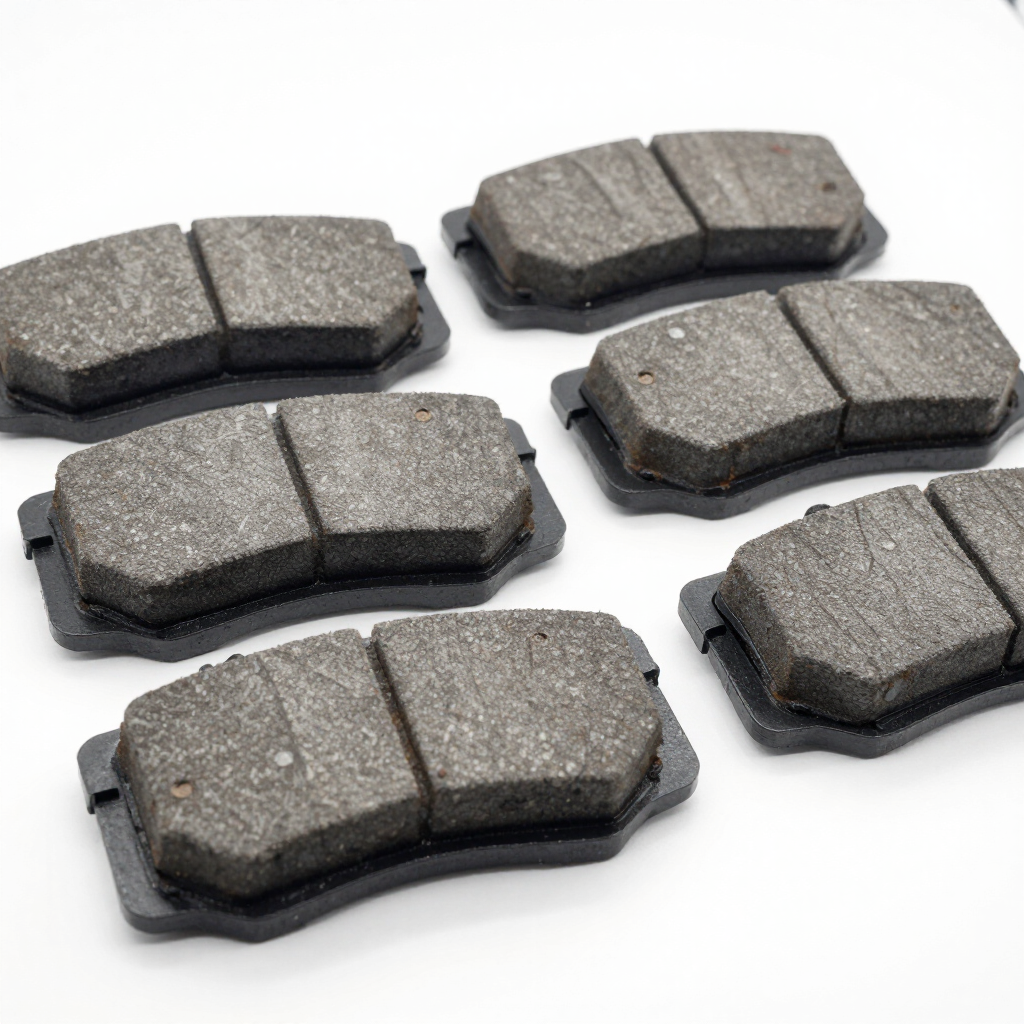
Some brake pads have wear indicators designed to create a noticeable sound when the pad material becomes low.
However, not every brake noise means the brake pads are worn out.
Squealing can also be related to:
- Brake pad material
- Moisture
- Dust
- Rotor condition
- Brake hardware
- Caliper movement
That's why it's better to have the brakes inspected rather than assuming you automatically need new brake pads.
If the noise is accompanied by poor braking performance or grinding, don't wait.
2. You Hear Grinding When You Brake
Grinding is a much more serious warning sign.
If you hear metal-on-metal grinding when applying the brakes, continued driving could potentially cause additional damage to brake components.
Depending on the condition of the system, damaged components can include:
- Brake pads
- Rotors
- Calipers
- Other brake hardware
A worn brake pad can eventually allow the backing plate to contact the rotor.
At that point, what could have been a relatively straightforward brake service may become a more extensive repair.
If your vehicle is grinding when braking, schedule an inspection as soon as possible.
You can contact Apex Automotive Care to have your braking system evaluated.
3. Your Steering Wheel Vibrates When Braking
Does your steering wheel shake when you apply the brakes?
That shouldn't be ignored.
Brake vibration can sometimes be associated with uneven rotor surfaces, but there are other possible causes as well.
A technician may need to inspect:
- Brake rotors
- Brake pads
- Calipers
- Wheel bearings
- Tires
- Suspension components
- Steering components
The important thing is determining where the vibration is actually coming from.
Not every steering-wheel vibration is a brake problem, and replacing brake components without diagnosing the cause can result in unnecessary repairs.
4. Your Brake Pedal Feels Soft or Spongy
Your brake pedal should feel consistent.
If it suddenly feels soft, spongy, unusually low, or requires more pedal travel than normal, the braking system should be inspected.
A change in pedal feel can potentially be related to:
- Air in the hydraulic system
- Brake-fluid problems
- Hydraulic leaks
- Brake-component wear
- Other brake-system issues
This is a warning sign you shouldn't put off.
Your brakes are a safety-critical system, so a significant change in pedal feel deserves prompt attention.
5. Your Vehicle Pulls When You Brake
Does your car pull left or right when you apply the brakes?
There are several possible causes.
The problem could involve:
- Uneven brake-pad wear
- A sticking caliper
- Brake hydraulic problems
- Tire issues
- Alignment
- Suspension components
This is why a brake inspection sometimes needs to include other parts of the vehicle.
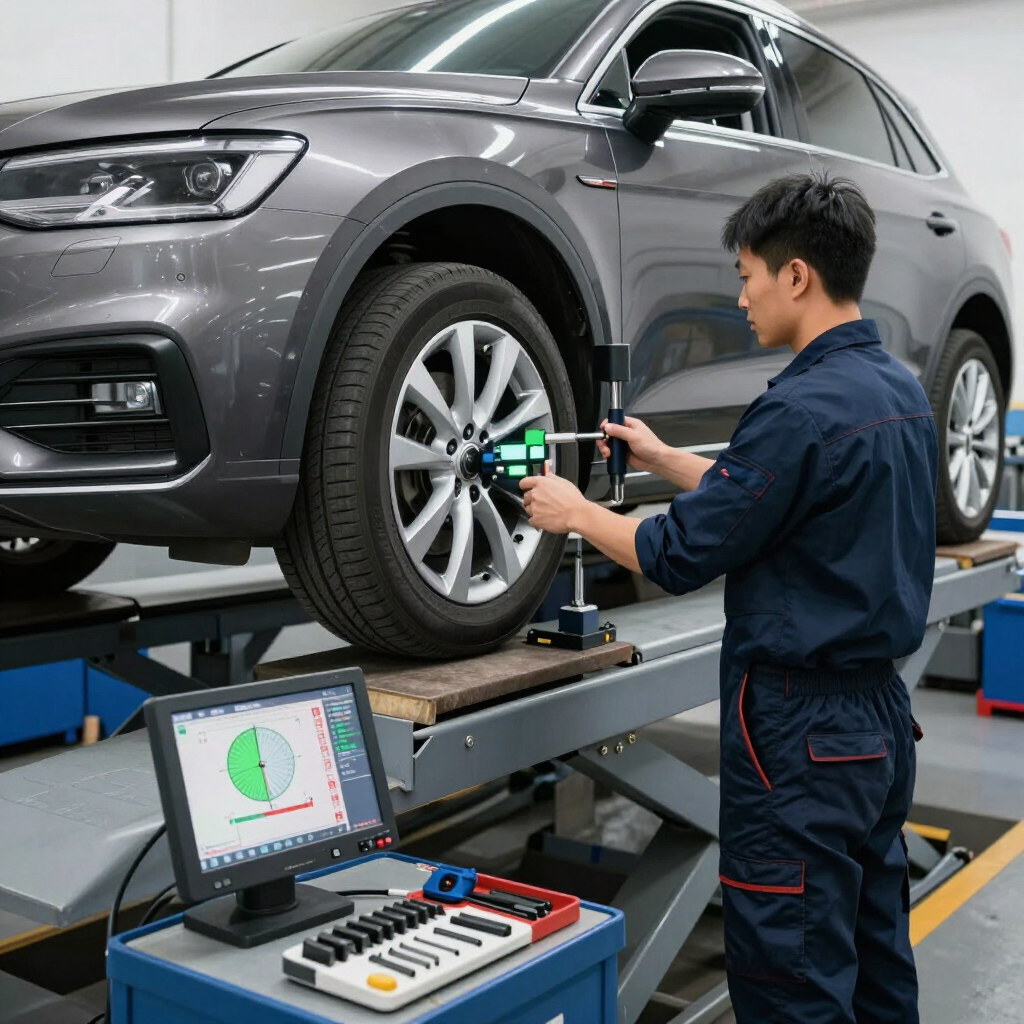
If your vehicle also pulls while you're driving without braking, the issue may involve tires, alignment, or suspension rather than the braking system alone.
Apex Automotive Care also provides wheel alignment service in Houston as part of our automotive services.
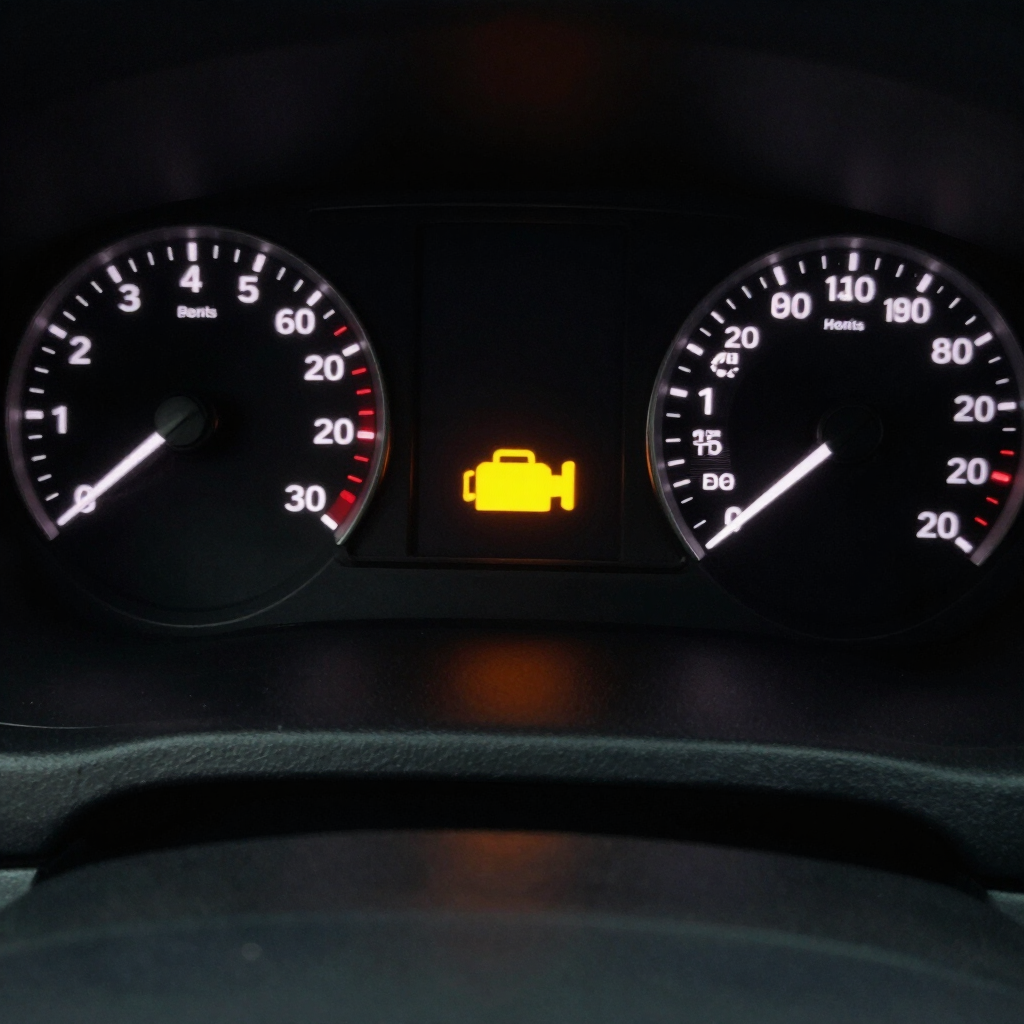
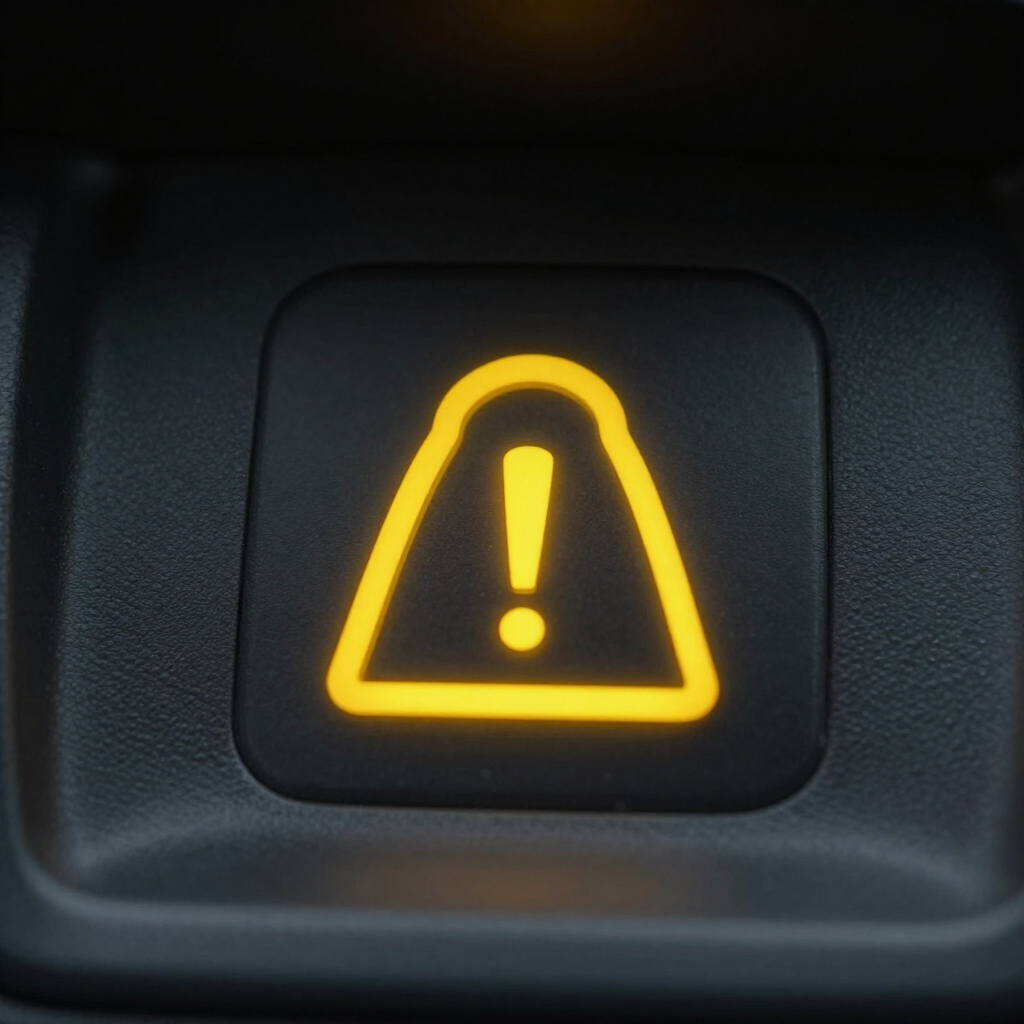
6. Your Brake Warning Light Comes On
A brake-related warning light on your dashboard should not be ignored.
Depending on your vehicle, a warning light can indicate different conditions.
It may be related to:
- Brake-system problems
- Low brake fluid
- Parking-brake status
- Electronic brake-system faults
- Other vehicle-specific conditions
Your owner's manual can help identify what a particular warning means.
If the warning remains illuminated or appears alongside a change in braking performance, have the vehicle inspected.
7. Your Car Takes Longer to Stop
This may be one of the most important warning signs.
If your vehicle doesn't seem to stop as quickly as it normally does, something needs to be investigated.
Changes in stopping performance can involve:
- Worn brake pads
- Rotor problems
- Caliper problems
- Brake-fluid issues
- Tire condition
- Hydraulic-system problems
- Other mechanical issues
Don't wait until the problem becomes severe.
A vehicle that doesn't brake normally can create a dangerous situation, particularly in Houston traffic.
How Long Do Brake Pads Last?
There isn't one mileage number that applies to every vehicle.
Brake-pad life can vary depending on:
- Driving habits
- Vehicle weight
- Brake design
- Traffic
- Terrain
- Towing
- Stop-and-go driving
- Brake-pad material
For example, a vehicle driven primarily in heavy city traffic may experience different brake wear than one driven mostly on the highway.
AAA notes that brake replacement intervals can vary significantly depending on the vehicle, driving habits, and weather conditions.
That's why condition-based inspections are more useful than simply replacing brake pads based on mileage alone.
Why Houston Driving Can Be Hard on Brakes
Houston driving can involve plenty of stop-and-go traffic.
Repeated acceleration and braking means your brake system is constantly converting your vehicle's motion into heat.
Over time, that can contribute to brake wear.
Other factors that can affect brake wear include:
- Heavy traffic
- Frequent short trips
- Towing
- Aggressive driving
- Heavy vehicles
- Hills and inclines
- High temperatures
This doesn't mean Houston drivers automatically need brakes more frequently.
It means paying attention to how your vehicle is behaving is important.
What Is Included in a Brake Inspection?
A professional brake inspection can look at multiple components rather than simply checking the brake pads.
Depending on the vehicle and symptoms, a technician may inspect:
- Brake-pad thickness
- Rotor condition
- Calipers
- Brake hardware
- Brake-fluid condition
- Brake hoses
- Brake lines
- Parking-brake components
- Electronic brake systems
- Tires
- Wheel and suspension components
The goal is to determine what's actually causing the problem.
At Apex Automotive Care, our technicians focus on diagnosing the problem and explaining the recommended repair before work is performed.
Don't Automatically Replace Everything
One of the biggest misconceptions about brake service is that every brake problem requires replacing every component.
That's not necessarily true.
A proper inspection can determine whether the vehicle needs:
- Brake pads
- Rotors
- Caliper service
- Brake-fluid service
- Brake hardware
- A hydraulic-system repair
- Another type of repair
The right repair depends on the vehicle's condition.
A good automotive shop should explain what was found and why the recommended repair is necessary.
How Can You Make Your Brakes Last Longer?
You can't prevent normal brake wear, but your driving habits can influence how quickly components wear.
Avoid Aggressive Braking
Hard, unnecessary braking creates more heat and wear.
Maintain a Safe Following Distance
Giving yourself more space can reduce unnecessary braking.
Don't Ignore Warning Signs
A squeal today can potentially become a much more expensive problem later.
Keep Up With Vehicle Maintenance
Regular inspections can identify brake wear before it becomes an emergency.
Apex Automotive Care offers general vehicle maintenance in Houston to help drivers stay on top of routine maintenance and inspections.
Frequently Asked Questions About Brakes
How do I know if I need new brake pads?
Brake-pad replacement should be based on the condition and remaining material, not simply mileage. Noise, reduced braking performance, or a brake inspection may indicate that replacement is needed.
Why are my brakes squeaking?
Brake squealing can have several causes, including brake-pad material, moisture, dust, rotor condition, or brake hardware. An inspection can determine the cause.
Is grinding when braking dangerous?
Grinding can indicate significant brake wear and should be inspected promptly. Continuing to drive may result in additional component damage.
Why does my steering wheel shake when I brake?
Brake vibration can be related to rotor condition, but tires, wheel bearings, suspension, and steering components can also contribute.
Why does my brake pedal feel soft?
A soft or spongy pedal can indicate a hydraulic or brake-system problem and should be inspected promptly.
Can bad brakes cause my car to pull?
Yes, brake-related problems such as uneven braking or a sticking caliper can cause pulling. However, tires, alignment, and suspension can cause similar symptoms.
Professional Brake Service in Houston, TX
Your brakes aren't something to gamble with.
If you're hearing squealing or grinding, feeling vibration, experiencing a soft brake pedal, noticing your vehicle pulling, or simply feel that your vehicle isn't stopping the way it used to, it's time to have the system inspected.
At Apex Automotive Care, we provide professional automotive service for Houston drivers and help identify the cause of brake and drivability concerns.
Our team is committed to clear communication, quality workmanship, and helping you understand which repairs your vehicle actually needs.
Apex Automotive Care
7050 Southwest Freeway
Houston, TX 77074
🚗 Think Your Brakes Need Attention?
Don't wait for a small brake problem to become a bigger one.
Or call to speak with the Apex Automotive Care team.