How Often Does a Car Need a Wheel Alignment?
Most vehicles should have the wheel alignment checked about once a year, but you may need an alignment sooner if your car pulls to one side, the steering wheel is crooked, your tires are wearing unevenly, or the vehicle feels unstable.
You should also have the alignment checked after a significant pothole or curb impact, an accident, or certain steering and suspension repairs.
If you're searching for wheel alignment in Houston, TX, the important thing isn't just knowing how often an alignment is recommended. You also need to know how to recognize an alignment problem, what can cause it, and whether the symptoms are actually coming from the alignment, tires, steering, or suspension.
Quick Answer: When Does a Car Need a Wheel Alignment?
A wheel alignment should be checked:
- About once a year as part of routine maintenance
- After hitting a major pothole
- After hitting a curb
- After a significant road impact
- After certain steering or suspension repairs
- After an accident
- When your vehicle starts pulling to one side
- When your steering wheel is crooked while driving straight
- When your tires begin wearing unevenly
- When the vehicle feels unstable or wanders
You don't have to wait for a specific mileage number if your vehicle is already showing symptoms.
What Does a Wheel Alignment Actually Do?
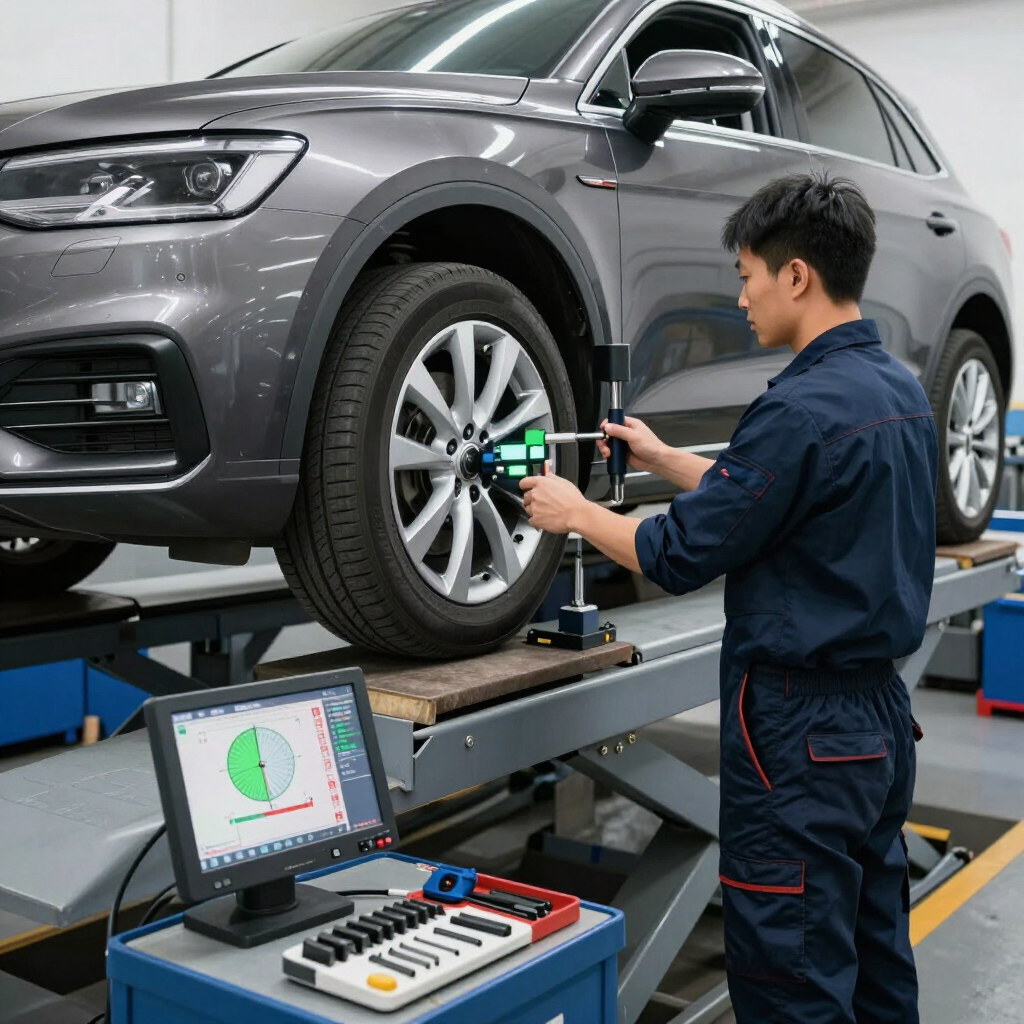
A wheel alignment adjusts the positioning and angles of the wheels so they meet the manufacturer's specifications.
The main alignment measurements include toe, camber, and caster.
- Toe describes the direction the tires point relative to each other.
- Camber describes the inward or outward angle of the wheel when viewed from the front.
- Caster refers to the steering-axis angle and affects steering stability and how the wheel returns after a turn.
When these angles are incorrect, the tires may not contact the road the way they should.
That can affect tire wear, steering feel, and how the vehicle tracks down the road.
4 Signs Your Car May Need a Wheel Alignment
1. Your Car Pulls to One Side
If your vehicle consistently drifts or pulls left or right while driving on a reasonably straight road, it's worth having the vehicle inspected.
But here's an important point:
A car pulling to one side doesn't automatically mean you need an alignment.
Tire pressure, tire construction, brake drag, worn steering components, worn suspension parts, and road crown can also cause a pull.
Apex has a detailed guide on what causes a car to pull to one side while driving, including how technicians can separate alignment problems from tire, brake, steering, and suspension issues.
That distinction matters because replacing or adjusting the wrong component won't solve the problem.
2. Your Tires Are Wearing Unevenly
Uneven tire wear is one of the biggest reasons to have your alignment checked.
Look at the tread across the entire tire rather than only checking whether the tire still has tread.
Warning signs include:
- Inside-edge wear
- Outside-edge wear
- Rapid tread wear
- Irregular tread patterns
- One tire wearing faster than the others
- Cupping or scalloping
Alignment can contribute to these wear patterns, but worn suspension components can also cause uneven tire wear.
If you catch the problem early, you may be able to correct the cause before it destroys an otherwise usable set of tires.
For related maintenance, see Apex's tire services.
3. The Steering Wheel Is Crooked
If you're traveling straight on a reasonably straight road but the steering wheel sits noticeably off-center, have the vehicle checked.
A crooked steering wheel can be associated with an alignment problem.
However, it's not proof that alignment is the only problem.
A technician should consider the steering and suspension system as well, particularly if the steering wheel became crooked suddenly after hitting a pothole or curb.
4. Your Vehicle Feels Unstable
Does your car wander at highway speeds?
Do you find yourself constantly making small steering corrections?
Does the vehicle feel different after hitting a pothole?
These symptoms deserve attention.
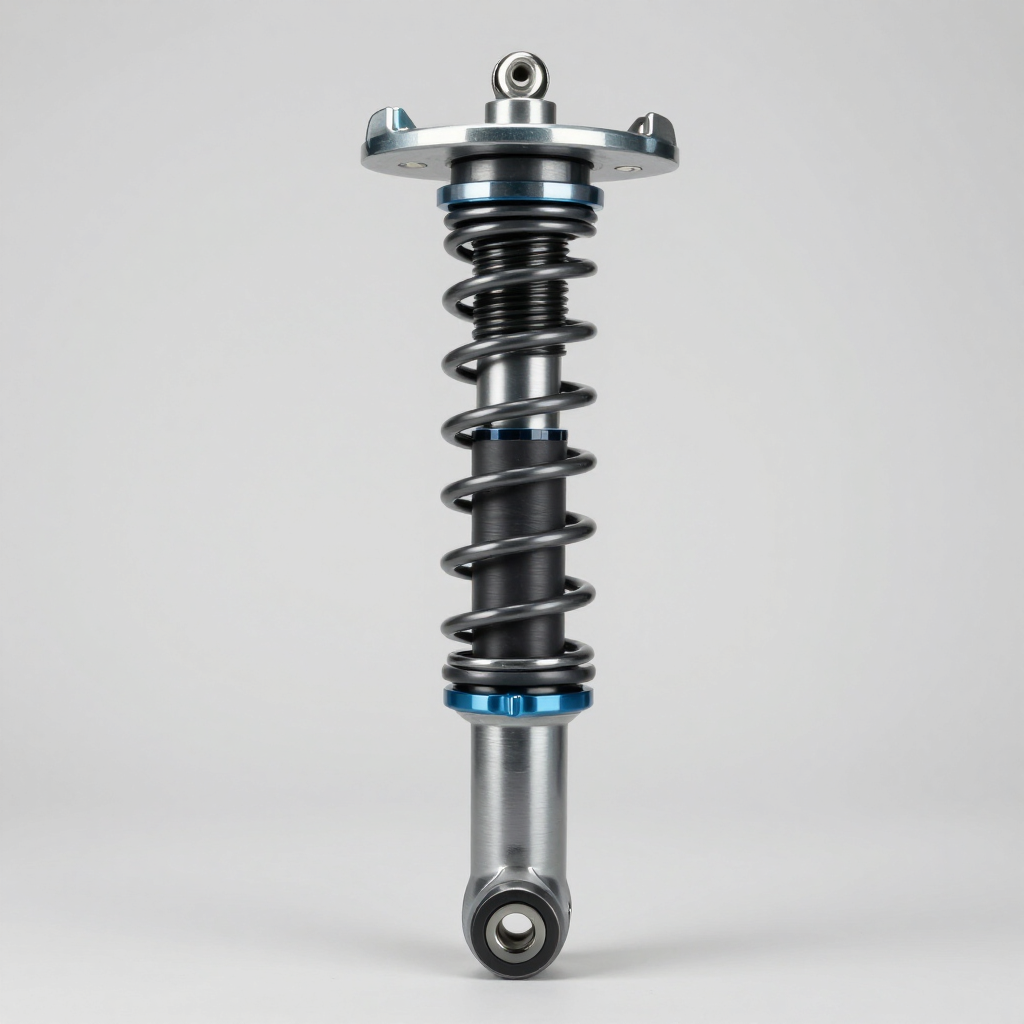
Alignment can affect vehicle tracking, but worn shocks, struts, control arms, tie rods, ball joints, tires, and other components can also affect stability.
For that reason, a good Houston wheel alignment inspection should look at the condition of the components that affect alignment rather than simply adjusting the alignment angles.
What Causes a Car to Go Out of Alignment?
Wheel alignment doesn't normally change because your car has simply reached a certain age.
More commonly, alignment changes because of an impact or because a component in the steering or suspension system has worn.
Common causes include:
Potholes
A hard pothole impact can alter alignment and may damage a tire, wheel, steering component, or suspension component.
Curbs
Even a relatively low-speed curb impact can change wheel angles.
Road Debris
Large debris can cause enough impact to affect the wheel and suspension.
Worn Steering or Suspension Parts
If a component is worn or damaged, the vehicle may not be able to maintain the correct wheel position.
Accidents
A collision can change suspension geometry and alignment even when the visible body damage appears minor.
Houston Roads and Wheel Alignment
Houston drivers deal with plenty of situations that can put stress on tires, wheels, steering, and suspension.
Potholes, construction areas, uneven pavement, road debris, and curb impacts can all create opportunities for a vehicle to develop an alignment problem.
That doesn't mean every car in Houston needs an alignment more frequently than cars elsewhere.
It means you should pay attention to changes in how your vehicle drives.
If your car drove straight last month and now pulls to the right after a hard road impact, that's more meaningful than simply following an arbitrary mileage interval.
Does Hitting a Pothole Mean You Need an Alignment?
Not necessarily.
A pothole can leave your alignment completely fine—or it can damage the alignment, tire, wheel, steering, or suspension.
After a hard impact, pay attention to:
- Pulling
- Crooked steering wheel
- New vibrations
- Uneven tire wear
- Changes in steering response
- Vehicle wandering
- Tire sidewall damage
- Bent or damaged wheels
If the vehicle suddenly feels different, an inspection is more useful than guessing that you only need an alignment.
Alignment Problems vs. Suspension Problems
This is where many drivers get confused.
An alignment adjustment corrects wheel angles.
It does not repair a worn ball joint, damaged control arm, worn tie rod, bad bushing, or other damaged component.
If a steering or suspension part is worn, the vehicle may need that component repaired before the alignment can be set correctly.
For example, if a vehicle develops uneven tire wear because of a worn suspension component, performing an alignment without addressing the worn component may not solve the underlying problem.
That's why a proper alignment service should include checking the components that can affect alignment.
Apex also provides steering and suspension repair services for vehicles with handling, ride, or suspension concerns.
Do New Tires Need a Wheel Alignment?
No, not every new tire installation requires an alignment.
However, an alignment check makes sense when:
- Your old tires had uneven wear
- Your vehicle pulls
- Your steering wheel isn't centered
- You've recently hit a pothole or curb
- Steering or suspension work was performed
- You notice a change in handling
New tires won't fix an existing alignment problem.
In fact, if the vehicle is misaligned, new tires can begin developing the same uneven wear pattern.
Wheel Alignment vs. Tire Balancing
Wheel alignment and tire balancing are two different services.
Wheel alignment addresses the angles and positioning of the wheels.
Tire balancing addresses weight distribution in the tire and wheel assembly.
If your main complaint is a steering-wheel vibration at certain speeds, balancing or a tire/wheel problem may be involved.
If your vehicle pulls, your steering wheel is off-center, or your tires are wearing unevenly, alignment is one of the things that should be checked.
Sometimes more than one problem exists at the same time.
How Is a Wheel Alignment Diagnosed?
A proper alignment starts with determining whether the vehicle actually has an alignment problem.
The inspection may include:
- Tire pressure
- Tire condition
- Tread wear
- Wheel condition
- Steering components
- Suspension components
- Alignment angles
- Manufacturer alignment specifications
- Signs of impact damage
If the measurements show that the alignment is outside specification, the technician can determine what adjustments are possible.
If a damaged or worn component is preventing the vehicle from holding alignment, that problem needs to be addressed as well.
This diagnostic step is especially important when the vehicle has suddenly developed a pulling or handling problem.
How Much Does a Wheel Alignment Cost in Houston?
The price of a wheel alignment in Houston varies depending on the vehicle and what the inspection finds.
A straightforward alignment is different from a vehicle that needs:
- Steering repairs
- Suspension repairs
- Tire replacement
- Wheel repair
- Additional diagnostic work
The best way to determine the cost is to inspect the vehicle and identify the actual cause of the problem first.
If you're comparing wheel alignment prices in Houston, TX, don't compare the advertised alignment price alone. Ask what the inspection includes and whether the shop checks for worn or damaged components that could cause the alignment to change again.
How Long Does a Wheel Alignment Take?
A straightforward alignment can often be completed in roughly an hour, but the actual time depends on the vehicle and whether additional problems are found.
If steering or suspension components need to be repaired first, the total repair time will be longer.
The goal shouldn't simply be to finish an alignment quickly. The goal is to determine why the vehicle is out of specification and correct the problem properly.
Can You Drive With a Bad Wheel Alignment?
Sometimes a mild alignment problem can be driven to a repair shop, but it shouldn't be ignored.
Continued driving with poor alignment can contribute to:
- Premature tire wear
- Uneven tire wear
- Poor handling
- Reduced steering confidence
- Additional tire expenses
When Should You Stop Driving?
Don't assume a serious handling problem is "just an alignment."
If your vehicle:
- Suddenly pulls hard to one side
- Has severe steering instability
- Has a damaged or bulging tire
- Has a damaged wheel
- Is difficult to control
- Makes unusual steering or suspension noises after an impact
it's safer to have the vehicle inspected before continuing to drive.
A tire, wheel, brake, steering, or suspension failure can sometimes produce symptoms that resemble an alignment problem.
How Often Should You Get a Wheel Alignment in Houston?
For many vehicles, checking the wheel alignment once a year is a reasonable maintenance practice.
But there are more important reasons to check it sooner.
Have your vehicle inspected if you notice a new pulling sensation, uneven tire wear, a crooked steering wheel, or unstable handling.
It's also smart to have the alignment checked after a significant pothole or curb impact or after certain steering and suspension repairs.
The best alignment interval depends on the vehicle, road conditions, driving habits, and condition of the steering and suspension components.
Wheel Alignment Houston, TX: What Should You Look For in a Repair Shop?
When searching for wheel alignment near me in Houston, don't choose a shop based only on the lowest advertised price.
Look for a shop that can:
- Inspect the vehicle before recommending an alignment.
- Check the tires and wheels.
- Look for worn steering and suspension components.
- Measure alignment angles against vehicle specifications.
- Explain what caused the problem.
- Tell you whether additional repairs are necessary.
- Explain what was adjusted.
That approach helps prevent the common situation where a vehicle gets an alignment but continues pulling because the actual problem was a tire, steering, or suspension component.
Frequently Asked Questions About Wheel Alignment
How often does a car need a wheel alignment?
Most vehicles should have their alignment checked about once a year. You should have it checked sooner after a major pothole or curb impact or if you notice pulling, uneven tire wear, a crooked steering wheel, or unstable handling.
What are the most common signs of a bad alignment?
The most common signs are pulling to one side, uneven tire wear, a crooked steering wheel while driving straight, and vehicle instability or wandering.
Can bad alignment cause uneven tire wear?
Yes. Incorrect wheel angles can cause certain areas of the tire to wear faster than others. Worn suspension components can also cause similar wear patterns.
Can a pothole knock your car out of alignment?
Yes. A significant pothole can affect wheel alignment and can also damage tires, wheels, steering components, or suspension parts.
Does a crooked steering wheel mean I need an alignment?
It can. A crooked steering wheel can indicate an alignment issue, but steering or suspension problems can produce the same symptom. An inspection can determine the cause.
Do I need an alignment after getting new tires?
Not automatically. However, an alignment check is worthwhile if your old tires had uneven wear or your vehicle has pulling, steering, or handling symptoms.
What is the difference between alignment and balancing?
Alignment corrects the angles of the wheels relative to the vehicle. Balancing corrects weight differences in the tire and wheel assembly. They address different problems.
How much does wheel alignment cost in Houston?
The cost varies by vehicle and by whether additional steering, suspension, tire, or wheel repairs are needed. An inspection is the best way to determine the actual cost.
How long does a wheel alignment take?
A straightforward alignment can often take around an hour, but the time varies depending on the vehicle and whether additional repairs are needed.
Can I drive if my car is pulling to one side?
If the pull is mild, you may be able to drive to a repair shop, but the cause should be checked promptly. If the vehicle suddenly pulls severely or is difficult to control, have it inspected before continuing to drive.
Need Wheel Alignment in Houston, TX?
If your car is pulling, your steering wheel is crooked, your tires are wearing unevenly, or your vehicle doesn't feel stable, Apex Automotive Care can inspect the vehicle and determine whether the problem is alignment, tires, steering, suspension, or something else.
Apex Automotive Care provides wheel alignment, tire services, steering and suspension repair, brake service, diagnostics, maintenance, and general auto repair in Houston, TX.
The shop is located at 7050 Southwest Freeway, Houston, TX 77074 and serves drivers throughout the Houston area. Apex lists ASE-certified technicians, same-day availability, and a 12-month/12,000-mile warranty on its website.
Need help with your vehicle?
Schedule service with Apex Automotive Care
Call or visit Apex Automotive Care at 7050 Southwest Freeway, Houston, TX 77074.