What Does a Flashing Check Engine Light Mean?
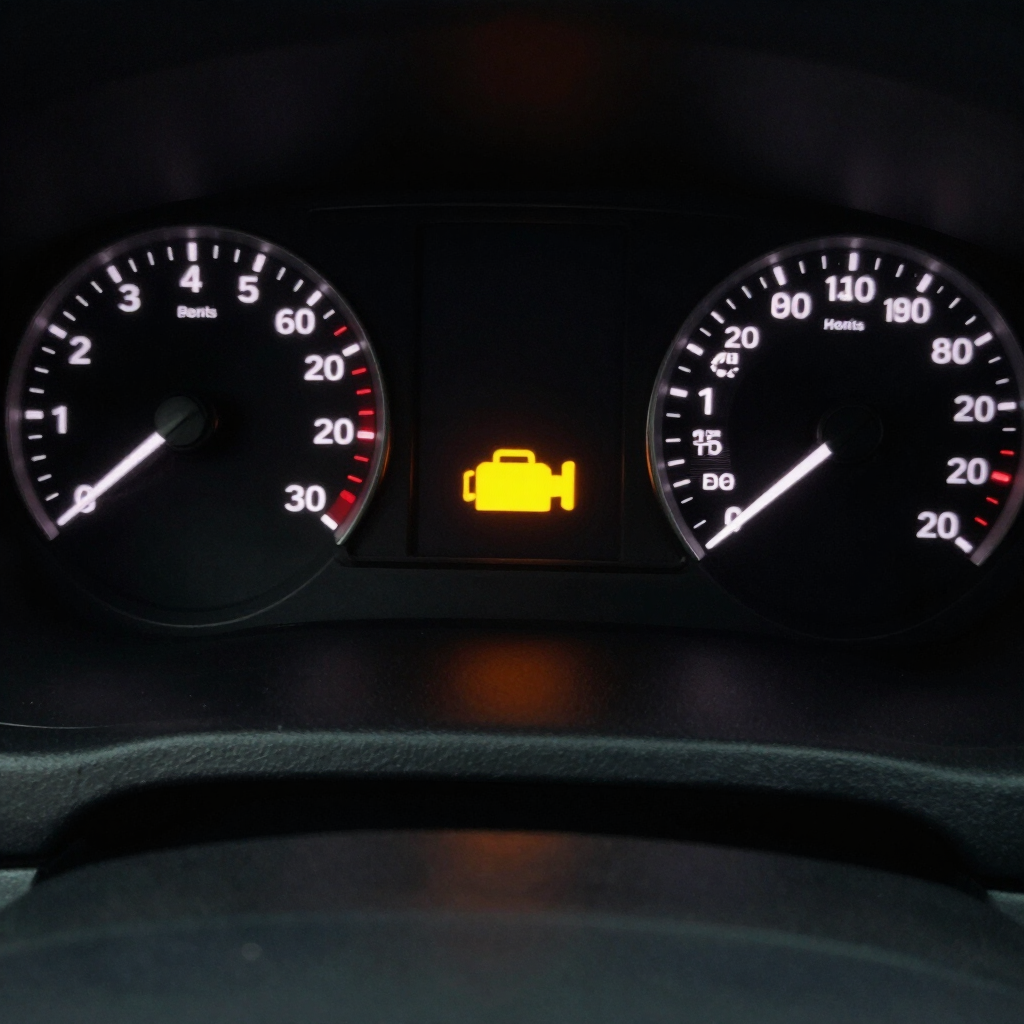
You're driving through Houston when you suddenly notice your check engine light is flashing.
Maybe the car is shaking. Maybe it feels like it's struggling to accelerate. Or maybe the vehicle seems to be driving normally and the flashing light has you wondering, "Can I just make it home?"
The short answer is: a flashing check engine light should be taken seriously.
A flashing Malfunction Indicator Lamp (MIL) is commonly associated with a severe engine misfire that can potentially damage the catalytic converter. The Texas Department of Public Safety specifically notes that a flashing MIL is intended to discourage vehicle operation when a severe misfire could damage the catalytic converter.
That doesn't necessarily mean your engine is ruined. It does mean you shouldn't ignore the warning.
If you're dealing with a flashing check engine light in Houston, here's what you need to know.
What Does a Flashing Check Engine Light Mean?
Your vehicle's computer constantly monitors the engine and emissions systems. When it detects a problem, it can store a diagnostic trouble code (DTC) and turn on the check engine light.
A solid check engine light can indicate a wide range of problems, from emissions-related issues to ignition or sensor problems.
A flashing check engine light is more urgent.
In many cases, it indicates that the engine is experiencing an active or severe misfire. A misfire happens when one or more cylinders aren't properly burning the air and fuel mixture.
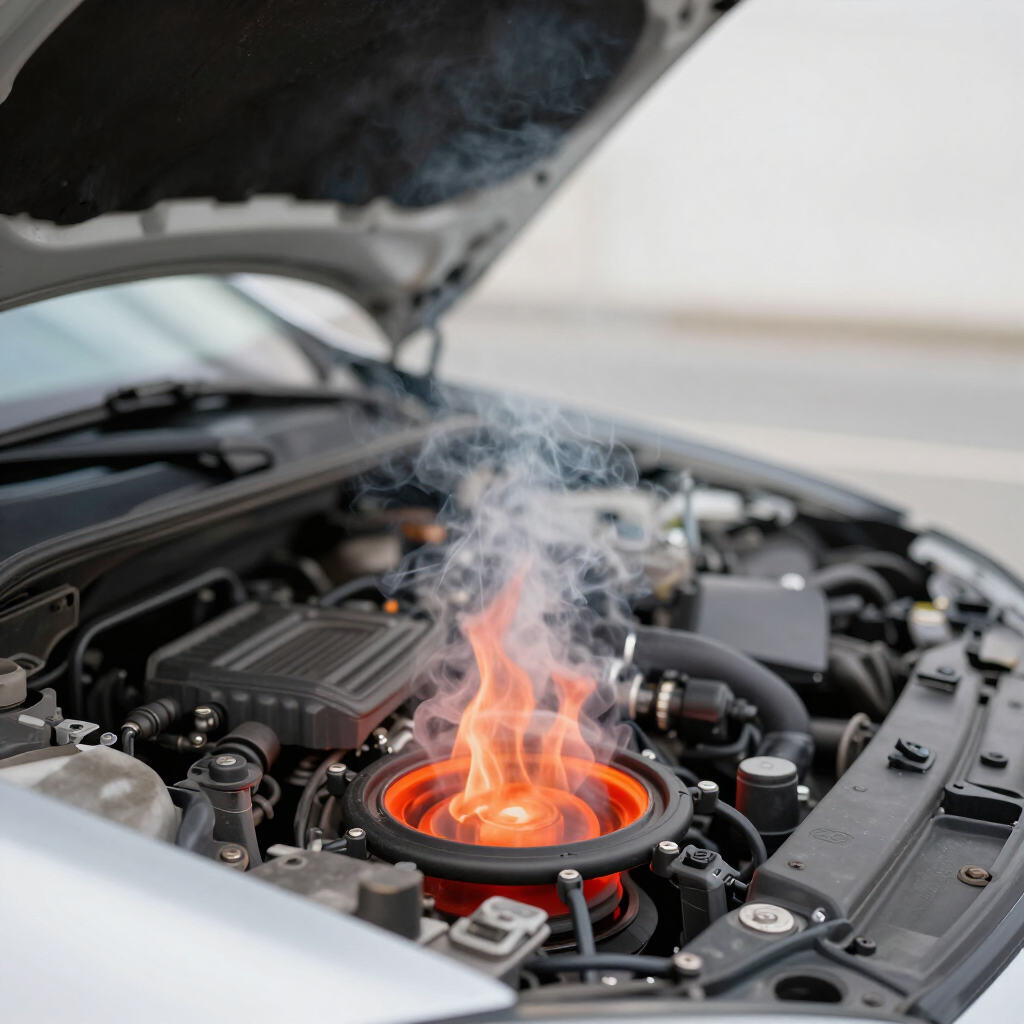
When that happens, unburned fuel can enter the exhaust system and create excessive heat. That heat can damage the catalytic converter, which can turn a relatively manageable repair into a much more expensive one.
Can You Drive With a Flashing Check Engine Light?
This is probably the first question most Houston drivers have.
We don't recommend continuing to drive a vehicle with a flashing check engine light any farther than necessary to get somewhere safe.
If your vehicle is shaking, jerking, losing power, running extremely rough, or producing unusual noises or smells, safely pull over and shut it off.
The EPA advises drivers to minimize driving when the check engine light is blinking and seek repair assistance quickly because a severe misfire can damage emission-control components.
The Texas DPS inspection guide also explains that a flashing MIL is intended to discourage vehicle operation when a severe misfire could damage the catalytic converter.
If you're sitting in Houston traffic and the light suddenly starts flashing, don't panic. Get yourself and your passengers somewhere safe first. Once you're safely stopped, arrange for the vehicle to be properly diagnosed.
What Causes a Flashing Check Engine Light?
There isn't one single part that causes every flashing check engine light.
A flashing light is a symptom, not a diagnosis.
Some common causes include:
1. Bad Spark Plugs
Spark plugs create the spark needed to ignite the air-fuel mixture inside the engine.
As spark plugs wear out, they can begin misfiring. A severely worn or damaged spark plug can cause an engine misfire and trigger the check engine light.
If your vehicle is due for maintenance, our auto maintenance services can help keep ignition and other engine components operating properly.
2. Failing Ignition Coils
Ignition coils provide the voltage needed for the spark plugs to fire.
When a coil starts failing, one cylinder may stop firing correctly. This can cause rough running, hesitation, poor acceleration, and a flashing check engine light.
3. Fuel Injector or Fuel Delivery Problems
Your engine needs the right amount of fuel at the right time.
A failing fuel injector, fuel delivery issue, or another fuel-system problem can cause a cylinder to run improperly and potentially misfire.
4. Air or Vacuum Leaks
The engine needs a precise balance of air and fuel.
A vacuum leak or intake problem can change that balance and cause the engine to run poorly. Depending on the vehicle, this can lead to misfires and check engine light codes.
5. Engine Timing or Internal Engine Problems
Not every misfire is caused by a spark plug or ignition coil.
Timing problems, compression issues, valve problems, and other internal engine concerns can also cause misfires.
That's why replacing parts based only on a diagnostic code isn't always the right answer.
Why You Shouldn't Guess at the Repair
It's tempting to search the diagnostic code online, order the part that comes up, and replace it yourself.
Sometimes you get lucky.
Other times, you end up replacing several expensive parts without actually fixing the problem.
A diagnostic trouble code tells a technician that the vehicle's computer detected a specific condition. It doesn't always mean the component associated with that code is automatically the failed part.
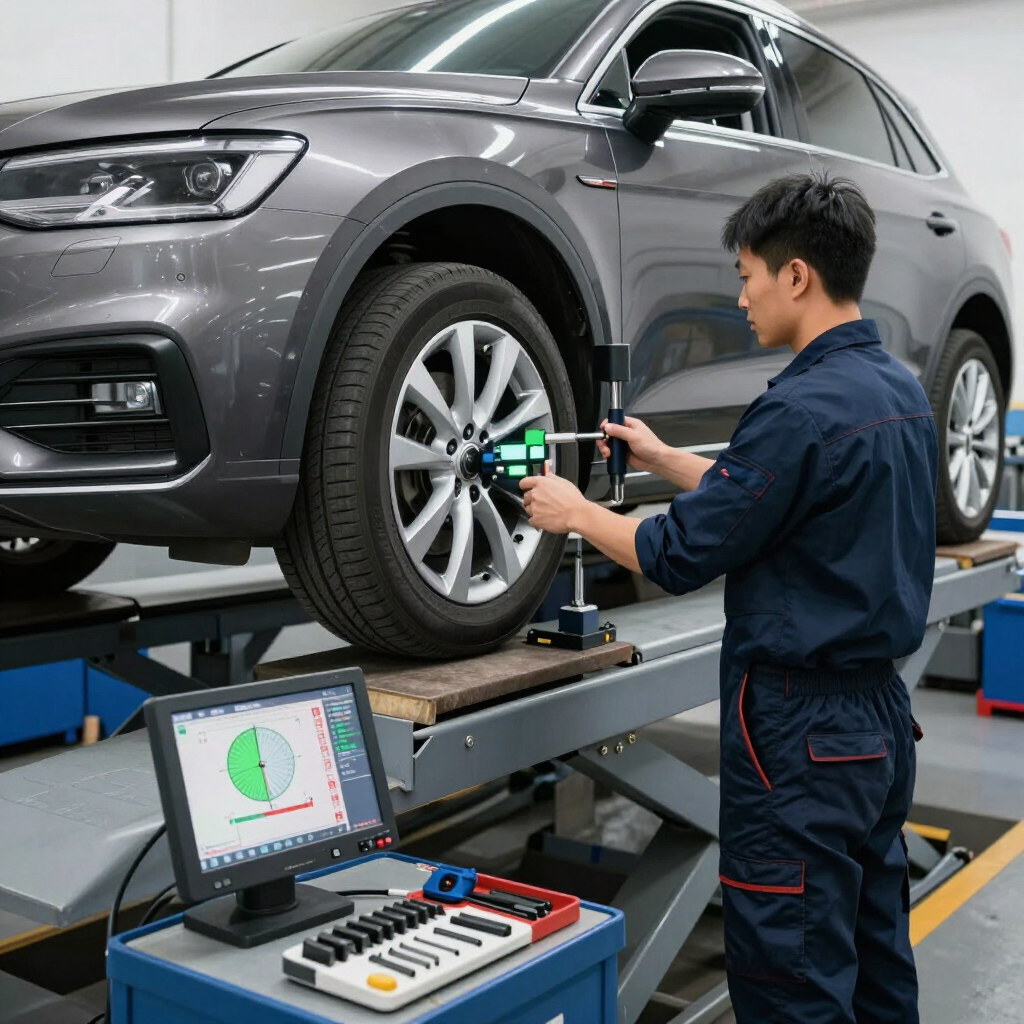
Texas DPS explains that OBD-II diagnostic codes can be retrieved with a scan tool and used to identify problems, helping technicians make the appropriate repairs.
That's why proper diagnostics matter.
At Apex Automotive Care, the goal isn't simply to turn the light off. The goal is to determine what's causing it.
What If the Flashing Check Engine Light Stops?
This is another common situation.
Maybe the check engine light flashes for several minutes, then stops. Or perhaps it only happens when accelerating.
That doesn't necessarily mean the problem has disappeared.
An intermittent misfire can still leave diagnostic information stored in the vehicle's computer. The problem may simply not be occurring at that exact moment.
If your check engine light was flashing and then stopped, it's still worth having the vehicle inspected—especially if you felt shaking, hesitation, loss of power, or rough running.
Don't assume that because the light turned off, everything is fixed.
Flashing vs. Solid Check Engine Light
Here's a simple way to think about it:
🟡 Solid check engine light:
The vehicle has detected a problem that needs to be diagnosed and repaired. If the vehicle is driving normally, schedule service as soon as practical.
🔴 Flashing check engine light:
The vehicle may be experiencing a severe misfire or another serious problem. Reduce unnecessary driving and get the vehicle diagnosed promptly.
The Texas DPS specifically distinguishes between a constant MIL, which indicates a problem requiring service, and a flashing MIL associated with a severe misfire that could damage the catalytic converter.
Houston Heat and Stop-and-Go Traffic Can Add Stress
Houston drivers know how demanding local driving can be.
Between summer heat, heavy traffic, long commutes, and constant stop-and-go driving, your vehicle can spend a lot of time under demanding conditions.
That makes routine maintenance important.
Keeping up with oil changes, spark plugs, filters, cooling-system service, and other recommended maintenance can help identify potential problems before they leave you sitting on the side of the road.
If you're already experiencing an issue, our auto repair services page has more information about the different repairs we perform.
What Should You Do When the Light Starts Flashing?
If your check engine light starts flashing while you're driving:
1. Don't ignore it.
A flashing light is different from a normal solid check engine light.
2. Pay attention to how the vehicle feels.
Shaking, hesitation, loss of power, unusual noises, or rough running are important symptoms to tell your technician about.
3. Avoid hard acceleration.
If you need to move the vehicle somewhere safe, drive conservatively and avoid unnecessary driving.
4. Pull over if the vehicle is running badly.
If the engine is shaking heavily, losing significant power, smoking, or showing other serious symptoms, safely stop and turn the engine off.
5. Have the vehicle professionally diagnosed.
Don't simply clear the code and hope the problem stays away.
Looking for Check Engine Light Diagnostics in Houston?
If you're searching for check engine light repair in Houston, engine diagnostics near me, or a trusted auto repair shop in Houston, TX, Apex Automotive Care can help determine what's going on with your vehicle.
Our team can diagnose a variety of automotive problems and help you understand what your vehicle needs before moving forward with repairs.
You can learn more about our engine diagnostic services or explore our complete auto repair services.
Ready to Get Your Vehicle Diagnosed?
If your check engine light is flashing, don't wait around hoping it will disappear.
🔧 Schedule Your Check Engine Light Diagnostic
If you're in Houston and your vehicle is experiencing a flashing check engine light, getting the problem diagnosed sooner can help prevent a potentially small problem from becoming a much bigger repair.
The Bottom Line
A flashing check engine light is your vehicle's way of getting your attention.
In many cases, it means the engine is misfiring severely enough that continued driving could damage the catalytic converter.
Don't panic, but don't ignore it either.
Get somewhere safe, avoid unnecessary driving, and have the vehicle properly diagnosed.
And if you're looking for check engine light diagnostics in Houston, TX, Apex Automotive Care is ready to help you find the cause—not simply clear the warning light.
Schedule your appointment with Apex Automotive Care and get your vehicle checked out.