Is your car shaking at highway speeds? If your vehicle drives smoothly around town but starts vibrating when you reach 50, 60, 70, or 75 mph, there may be an issue with your tires, wheels, alignment, suspension, brakes, steering, or drivetrain.
A highway-speed vibration shouldn't be ignored. While the problem may be something relatively simple like an unbalanced tire, it can also be caused by a damaged wheel, worn suspension component, brake problem, axle issue, or another mechanical problem.
At Apex Automotive Care, we diagnose and repair vehicle vibration problems for drivers throughout Southwest Houston, Westchase, Bellaire, Meyerland, Stafford, Sugar Land, and Missouri City.
If your vehicle has recently started shaking at highway speeds, our team can inspect the vehicle and help determine what's actually causing the vibration.
Why Is My Car Shaking at Highway Speeds?
There are several reasons a vehicle may shake or vibrate at highway speeds.
The most common include:
- Unbalanced tires or wheels
- Damaged or unevenly worn tires
- A bent wheel
- Wheel alignment problems
- Worn shocks or struts
- Suspension or steering problems
- Brake problems
- Wheel bearing issues
- Axle or CV joint problems
- Other drivetrain problems
The speed and circumstances surrounding the vibration can provide important clues.
For example, a vibration that appears around 60–70 mph may point toward a tire or wheel issue, while shaking that happens primarily when braking could indicate a brake problem.
A vibration that occurs during acceleration may require an inspection of the axle, CV joints, or drivetrain.
1. Unbalanced Tires and Wheels
One of the most common causes of car shaking at highway speeds is an improperly balanced tire and wheel assembly.
A small imbalance may not be noticeable when you're driving around town. As the vehicle reaches higher speeds, however, that imbalance can create a noticeable vibration.
You may feel the shaking through:
- The steering wheel
- The driver's seat
- The floor
- The entire vehicle
If your car starts shaking around a specific highway speed, having the tires and wheels inspected and balanced is a good first step.
However, balancing isn't always the solution. A damaged tire or bent wheel can create similar symptoms.
That's why a proper inspection is important.
2. Bad or Damaged Tires
Your tires have a major impact on how smoothly your vehicle drives.
A tire can cause highway-speed vibration if it has:
- Uneven tread wear
- Internal belt damage
- A bulge or bubble
- Cupping
- Feathering
- Improper inflation
- Excessive wear
- Road damage
If you've recently hit a pothole, curb, or piece of road debris, it's especially important to have your tires and wheels checked.
Apex Automotive Care provides tire services for drivers throughout Southwest Houston and surrounding communities.
3. Bent Wheels
Potholes and road impacts can bend a wheel.
Even if the damage isn't obvious when looking at the wheel, a slight bend can affect how the tire rotates and can create a vibration at highway speeds.
If your car started shaking after hitting a pothole, tell your technician. This information can help narrow down the source of the problem.
A bent wheel can also make it difficult to properly balance a tire.
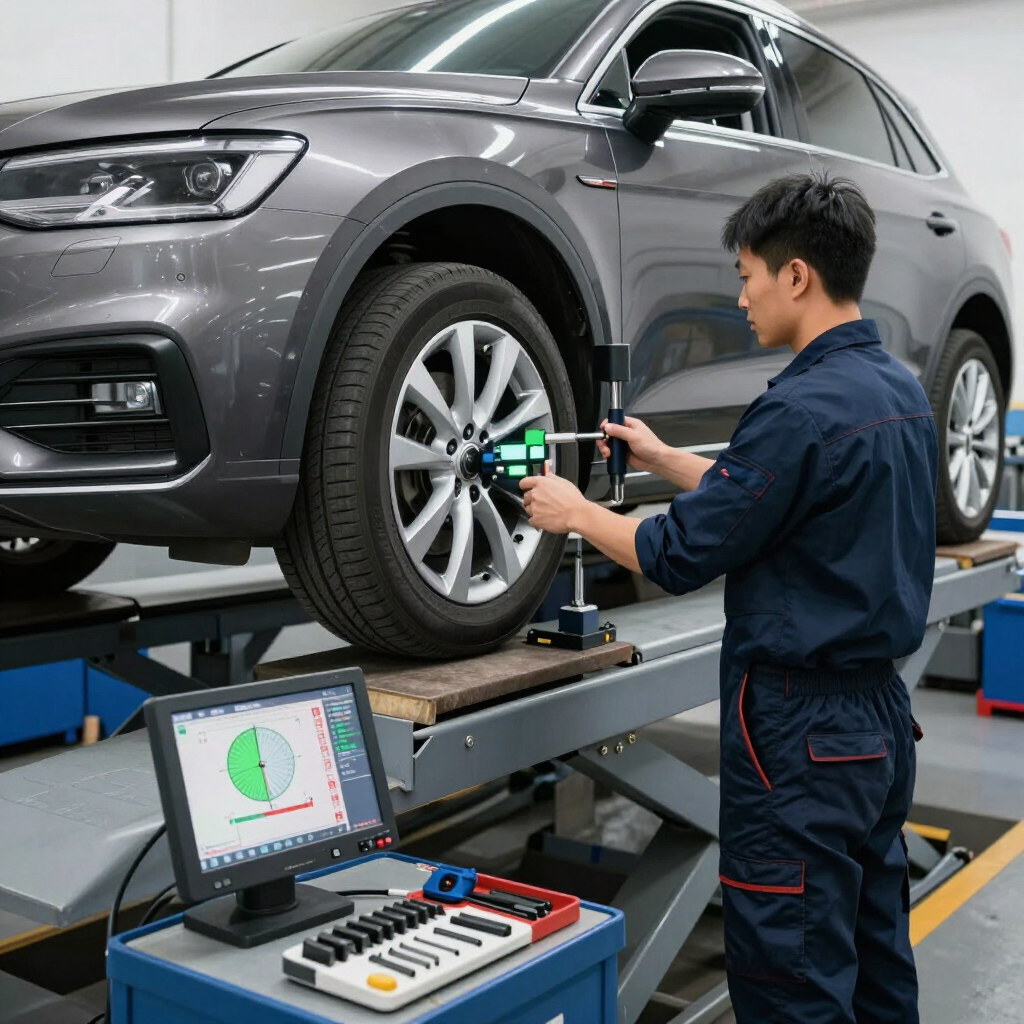
4. Wheel Alignment Problems
An alignment problem may not directly cause every highway-speed vibration, but it can cause handling problems and uneven tire wear that eventually contribute to vibration.
Signs that your vehicle may need an alignment include:
- The vehicle pulls left or right
- The steering wheel isn't centered
- Tires are wearing unevenly
- The vehicle feels unstable
- The vehicle doesn't track straight
- You recently hit a pothole or curb
Apex Automotive Care provides wheel alignment service for drivers in Southwest Houston and nearby communities.
Related Problem: Car Pulling to One Side
If your vehicle shakes and also pulls to the left or right, there may be more going on than a simple tire balance issue.
Read our related guide:
What Causes Your Car to Pull to One Side While Driving?
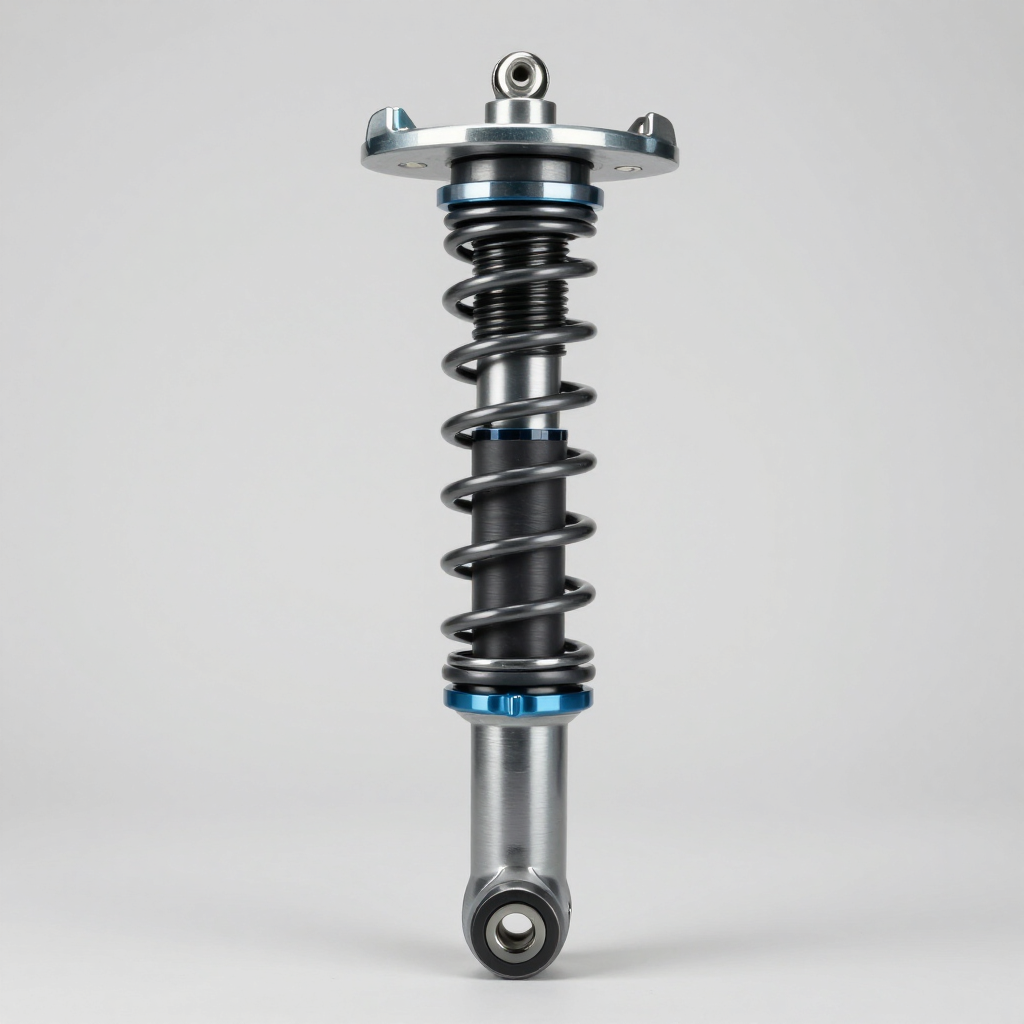
5. Worn Shocks and Struts
Your shocks and struts help control the movement of your vehicle and keep the tires properly connected with the road.
When they become worn, you may notice:
- Excessive bouncing
- Poor handling
- A floating sensation
- Uneven tire wear
- Excessive body movement
- Nose diving while braking
- Instability at highway speeds
If your vehicle feels like it's bouncing or floating while you're driving on the freeway, your suspension deserves an inspection.
Apex Automotive Care can inspect your shocks, struts, and suspension system to determine whether worn components are contributing to the problem.
6. Suspension and Steering Problems
A loose or worn suspension or steering component can affect the way your vehicle handles at highway speeds.
Potential problem areas include:
- Tie rod ends
- Ball joints
- Control arms
- Control arm bushings
- Wheel bearings
- Steering components
- Suspension bushings
A worn component can sometimes produce vibration, clunking, pulling, uneven tire wear, or an unstable feeling.
If your car feels loose or unpredictable on the highway, don't assume the problem is simply an alignment.
Have the entire steering and suspension system inspected.
7. Brake Problems Can Make Your Car Shake
Does your car shake when you brake at highway speeds?
That's an important distinction.
If the vibration happens primarily when you press the brake pedal, the brake system should be inspected.
Possible causes can include problems with:
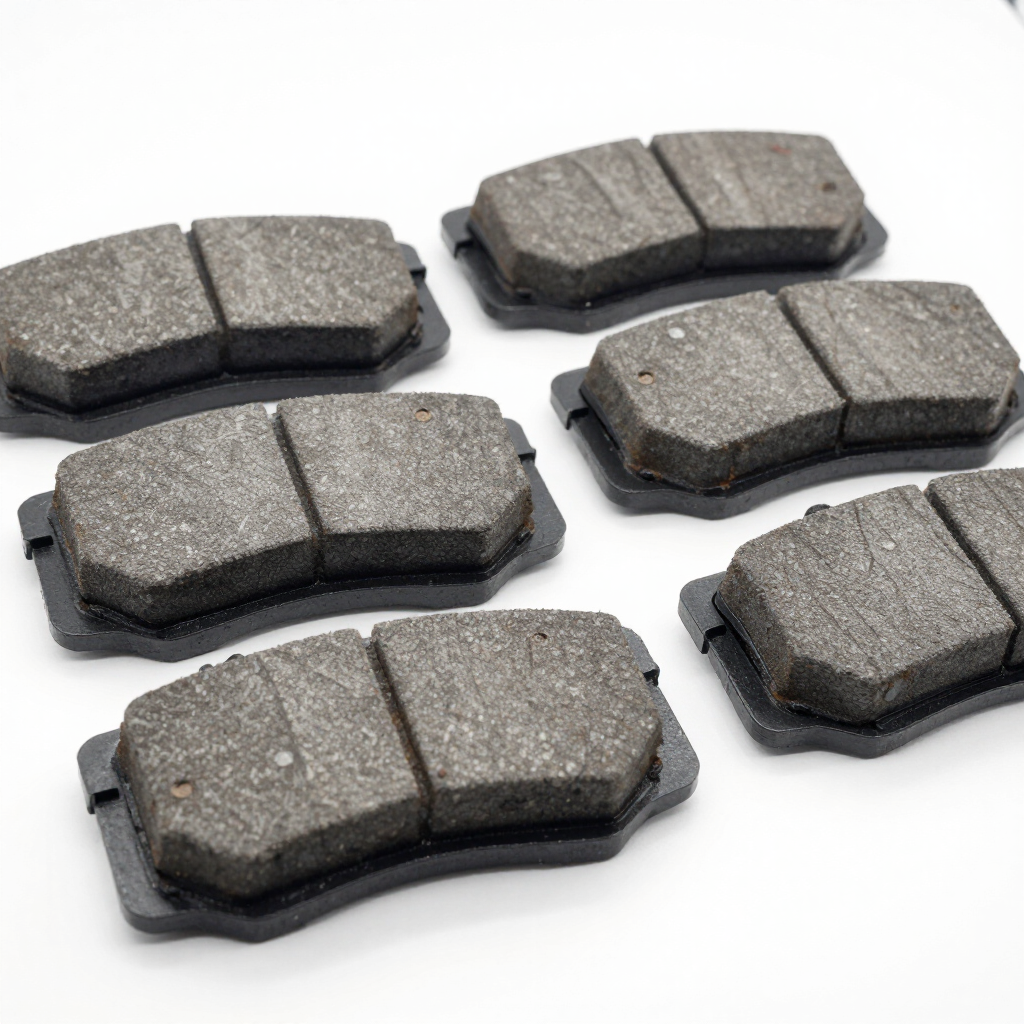
- Brake rotors
- Brake pads
- Brake calipers
- Other brake components
You may also notice:
- Steering wheel vibration while braking
- Brake pedal pulsation
- Pulling while braking
- Grinding or squealing
- Increased stopping distance
Apex Automotive Care provides brake repair and brake services for drivers throughout Southwest Houston and surrounding areas.
8. Axle and CV Joint Problems
If your vehicle shakes primarily when accelerating, the source may be related to the axle or CV joints rather than the tires.
Axles transfer power from the drivetrain to the wheels. Worn or damaged CV joints and axle components can create vibrations and other drivability symptoms.
Apex Automotive Care provides axle service, including inspection and service of axle shafts, CV joints, boots, bearings, and related components.
A vibration that becomes significantly worse under acceleration should be inspected rather than ignored.
9. Wheel Bearing Problems
Wheel bearings allow the wheels to rotate properly.
When a wheel bearing begins to fail, you may notice:
- Humming
- Grinding
- Vibration
- Wheel looseness
- Uneven tire wear
- Noise that changes while turning
Because wheel bearing symptoms can overlap with tire and suspension problems, professional diagnosis is important.
Car Shaking at 60 MPH? Here's What It Could Mean
If you're searching for "why does my car shake at 60 mph?", you're not alone.
A vibration that begins around 55–65 mph is often associated with a rotating component such as a tire or wheel, but there are several possibilities.
The technician should consider:
- Tire balance
- Tire condition
- Wheel condition
- Alignment
- Suspension
- Steering
- Wheel bearings
- Axles and CV joints
The exact cause can't be determined by speed alone.
That's why replacing tires or performing an alignment without diagnosing the underlying problem may not fix the vibration.
Why Does My Steering Wheel Shake at 70 MPH?
If the steering wheel shakes at 70 mph, the problem may be associated with the front tires, wheels, steering system, or front suspension.
However, don't automatically assume it's a front tire problem.
A complete inspection can determine whether the vibration is coming from the front or rear of the vehicle and whether another mechanical issue is responsible.
This is especially important if the vibration is accompanied by:
- Pulling
- Uneven tire wear
- Steering looseness
- Clunking
- Grinding
- Changes in handling
Local Auto Repair for Highway-Speed Vibration in Southwest Houston
If you're searching for auto repair near me for a car shaking at highway speeds, Apex Automotive Care serves drivers throughout Southwest Houston and nearby communities.
Auto Repair in Westchase
Drivers looking for auto repair in Westchase can visit Apex Automotive Care for tire, brake, alignment, suspension, axle, and diagnostic services.
If your commute involves the Southwest Freeway or Westpark Tollway and you've noticed your vehicle shaking at highway speeds, don't wait until the vibration becomes worse.
Auto Repair in Bellaire
For drivers searching for auto repair in Bellaire, a highway-speed vibration can be caused by anything from tire imbalance to suspension or steering problems.
Apex Automotive Care can inspect the vehicle and help identify the source of the vibration before recommending repairs.
Auto Repair in Meyerland
If you're looking for auto repair in Meyerland, Apex Automotive Care provides diagnostic and repair services for common problems affecting tires, wheels, brakes, steering, suspension, and drivetrains.
A vehicle that shakes at highway speeds should be evaluated before a small problem develops into a larger repair.
Auto Repair in Stafford
Drivers searching for auto repair in Stafford may experience highway-speed vibrations during regular commuting on US-59/I-69 or other major roads.
If your vehicle begins shaking as you accelerate to highway speeds, have the tires, wheels, suspension, and other potential sources inspected.
Auto Repair in Sugar Land
If you're looking for auto repair in Sugar Land, Apex Automotive Care is convenient for drivers traveling along the Southwest Freeway corridor.
Whether the issue is a tire balance problem, alignment issue, brake vibration, worn suspension, or axle problem, proper diagnosis is the first step toward getting your vehicle driving smoothly again.
Auto Repair in Missouri City
Drivers searching for auto repair in Missouri City can turn to Apex Automotive Care for inspections and repairs involving tires, brakes, steering, suspension, axles, and other vehicle systems.
If your vehicle shakes during your commute, don't assume the vibration will eventually disappear.
Auto Repair in Southwest Houston
For auto repair in Southwest Houston, Apex Automotive Care provides comprehensive automotive repair and maintenance services.
Our team can help diagnose highway-speed vibrations and other drivability problems so you know what needs to be repaired and why.
Is It Safe to Drive a Shaking Car on the Highway?
A mild vibration may be caused by a relatively simple problem, but you shouldn't assume that every vibration is harmless.
Stop driving at highway speeds and have the vehicle inspected if you notice:
- Severe shaking
- Sudden vibration
- A damaged or bulging tire
- Loose steering
- Strong pulling
- Grinding or clunking
- Major changes in handling
- A wheel that appears damaged
A damaged tire, wheel, suspension component, steering component, or other mechanical failure can create a safety concern.
When in doubt, have the vehicle inspected.
Don't Ignore a Car That Shakes at Highway Speeds
A car that shakes at 60, 65, or 70 mph is telling you something.
It could be a simple tire balance issue. It could be an alignment or tire problem. It could also involve your suspension, steering, brakes, wheel bearings, axles, or drivetrain.
The important thing is to find the actual cause.
At Apex Automotive Care, we help drivers throughout Westchase, Bellaire, Meyerland, Stafford, Sugar Land, Missouri City, and Southwest Houston diagnose vehicle problems and get back on the road with confidence.
Schedule Your Vehicle Inspection
If your car is shaking at highway speeds, don't wait for the problem to get worse.
Schedule an appointment with Apex Automotive Care and let our team diagnose the source of the vibration.
Apex Automotive Care
7050 Southwest Freeway
Houston, TX 77074
Frequently Asked Questions
Why is my car shaking at highway speeds?
The most common causes include tire imbalance, damaged tires, bent wheels, alignment problems, worn suspension components, steering problems, brake issues, wheel bearings, axles, and drivetrain components.
Why does my car shake at 60 mph?
A vibration around 60 mph is often associated with tire or wheel problems, but suspension, steering, alignment, and drivetrain problems can also cause similar symptoms.
Why does my car shake at 70 mph?
Higher speeds can make small imbalances and problems with rotating components more noticeable. Tires, wheels, wheel balance, suspension, steering, and drivetrain components should all be considered.
Why does my steering wheel shake on the highway?
Steering wheel vibration can be related to front tires, wheels, wheel balance, alignment, steering components, or suspension components.
Why does my car shake when I brake?
If the shaking occurs primarily during braking, the brake system should be inspected. Brake rotors, pads, calipers, and other brake components may be involved.
Can bad tires cause a car to shake?
Yes. Unevenly worn, damaged, improperly inflated, or internally damaged tires can cause significant vibration, particularly at highway speeds.
Can an alignment fix a shaking car?
Sometimes, but not always. Alignment problems can cause uneven tire wear and handling issues, but a highway-speed vibration may also be caused by tires, wheels, suspension, brakes, or drivetrain components.
Where can I get my car checked for shaking in Southwest Houston?
Apex Automotive Care provides vehicle inspections and automotive repair services for drivers in Southwest Houston, Westchase, Bellaire, Meyerland, Stafford, Sugar Land, and Missouri City.
Schedule your appointment with Apex Automotive Care.