Why Are My Brakes Squeaking or Grinding? Causes, Warning Signs & When to Get Them Checked
If your brakes are squeaking or grinding, it's easy to wonder whether the noise is normal or whether your vehicle needs immediate attention.
Some brake noises can be caused by normal conditions, such as moisture on the brake components or light brake dust. However, persistent squeaking, loud grinding, vibration, or changes in braking performance can indicate a problem that should be inspected.
For drivers in Southwest Houston, Westchase, Bellaire, Meyerland, Stafford, Sugar Land, and Missouri City, Apex Automotive Care can inspect your braking system and determine what's causing the noise.
Your brakes are one of the most important safety systems on your vehicle. If something doesn't sound or feel right, it's better to have it checked before a small repair becomes a much larger one.
Why Are My Brakes Squeaking?
Brake squeaking doesn't always mean your brakes are failing.
Several things can cause a squeaking or squealing noise, including:
- Brake pad wear
- Brake dust
- Moisture on the brake components
- Glazed brake pads or rotors
- Low-quality or improperly matched brake components
- Brake hardware problems
- A sticking brake component
- Normal brake pad characteristics
The key is paying attention to when the noise happens and whether it is getting worse.
A brief squeak first thing in the morning may be very different from a loud squeal every time you press the brake pedal.
Why Are My Brakes Grinding?
A grinding noise is generally more concerning than an occasional squeak.
If you hear a harsh metal-on-metal grinding sound when braking, the brake pads may be severely worn and allowing other components to contact the rotor.
Continuing to drive with severely worn brakes can result in additional damage and potentially increase repair costs.
Grinding brakes may also affect braking performance.
If your brakes are grinding, don't wait for the noise to disappear on its own.
Have the vehicle inspected as soon as possible.
Squeaking vs. Grinding: What's the Difference?
Understanding the type of noise you're hearing can help determine how urgently the vehicle should be inspected.
Squeaking or Squealing
A high-pitched squeal can have several causes.
It may be related to brake pad material, moisture, dust, glazing, or brake hardware.
If the squeaking is occasional and your vehicle stops normally, it may not indicate an emergency—but persistent noise should still be evaluated.
Grinding
Grinding is more concerning.
If you hear grinding every time you brake, particularly if it sounds like metal scraping against metal, schedule an inspection promptly.
Scraping
A scraping sound can also come from debris, a backing plate, or another brake component contacting the rotor.
Don't assume every scraping sound means your brake pads are worn out.
A technician should inspect the system to determine what's actually making the noise.
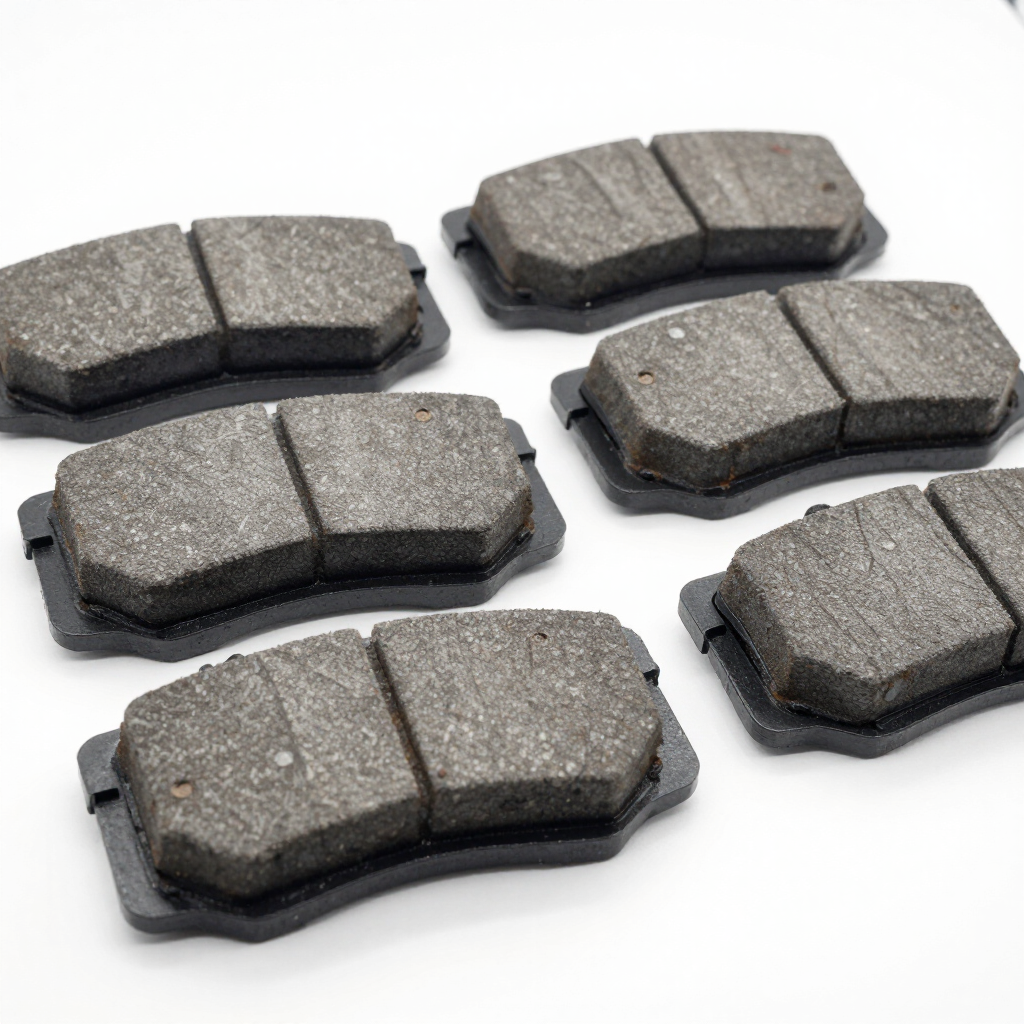
1. Your Brake Pads May Be Worn
Brake pads are designed to wear down over time.
As they become thinner, some brake pads have wear indicators designed to produce a noticeable squeal when the pads are approaching the end of their service life.
If you continue driving after the pads become severely worn, the result can be much more serious.
Worn brake pads can eventually damage the brake rotors, potentially turning a relatively straightforward brake service into a more extensive repair.
That's one reason it's important to address brake noise early.
2. Brake Rotors Can Become Worn or Damaged
Brake rotors work with the brake pads to slow your vehicle.
Over time, rotors can develop wear or other problems that affect braking performance.
You may notice:
- Brake pedal pulsation
- Steering wheel vibration while braking
- Noise
- Uneven braking
- A shaking sensation
If your vehicle shakes when you brake, don't automatically assume you only need new brake pads.
The pads, rotors, calipers, and other components should be inspected together.
3. Moisture Can Cause Temporary Brake Noise
Have you ever started your car after it sat overnight and heard the brakes squeak for the first few stops?
A small amount of surface moisture can develop on brake components, particularly after rain or when the vehicle has been sitting.
The noise may disappear after a few normal stops.
Houston's humid and rainy conditions can make this more noticeable.
If the noise disappears quickly and the brakes otherwise feel normal, it may not indicate a serious problem.
However, persistent or worsening brake noise should be inspected.
4. Brake Dust Can Cause Squeaking
Brake components naturally produce dust as the pads wear.
Depending on the vehicle and brake components, accumulated dust can contribute to noise.
Regular inspections can help identify excessive buildup along with other potential brake problems.
Brake dust alone doesn't necessarily mean your brakes need to be replaced.
A technician should determine whether the noise is coming from normal brake operation or an actual component problem.
5. Glazed Brake Pads or Rotors
Brake components can become glazed when excessive heat causes the friction surfaces to become unusually smooth.
Glazing can contribute to:
- Squeaking
- Reduced braking performance
- Vibration
- Inconsistent brake feel
If your vehicle has experienced repeated hard braking, towing, heavy loads, or high brake temperatures, glazing may be worth investigating.
6. A Sticking Brake Caliper Can Cause Problems
Brake calipers apply pressure to the brake pads.
If a caliper doesn't release properly, the brake can remain partially engaged even when you're no longer pressing the pedal.
This can cause:
- Excessive heat
- Uneven brake pad wear
- Pulling
- Burning smells
- Premature brake wear
- Noise
- Reduced fuel economy
If your car pulls to one side while braking, a brake problem should be considered.
Apex Automotive Care recently published a detailed guide on what causes a car to pull to one side while driving, including brake drag and caliper problems.
7. Brake Hardware Can Cause Noise
Brake pads don't simply sit loose inside the braking system.
Various hardware components help hold and position the pads correctly.
If brake hardware becomes worn, damaged, loose, or improperly installed, it can contribute to:
- Squeaking
- Rattling
- Clicking
- Scraping
- Uneven pad wear
That's why a proper brake inspection involves more than simply looking at the thickness of the brake pads.
Why Do My Brakes Squeak When I First Start Driving?
If your brakes squeak during the first few stops of the day and then become quiet, moisture or light surface buildup may be responsible.
This can happen after:
- Rain
- Washing your car
- Overnight parking
- Extended periods without driving
If the noise goes away quickly and the brakes otherwise feel normal, it's usually less concerning than a squeak that occurs every time you brake.
Still, if the noise becomes louder, lasts throughout the drive, or is accompanied by vibration or reduced braking performance, have the system inspected.
Why Do My Brakes Squeak When I Back Up?
Some vehicles may make a squeaking noise when braking while reversing.
The direction of travel can change how brake components contact one another, and certain brake pad and hardware combinations may be more noticeable when backing up.
However, if the noise is new, loud, or getting worse, it is worth having the brakes inspected.
Why Do My Brakes Squeak but Still Stop Fine?
A vehicle can still stop normally even when its brakes are beginning to develop a problem.
Don't use stopping ability alone to determine whether your brakes are healthy.
Brake components can wear gradually.
A squeak may be an early warning before you notice a change in braking performance.
That's why persistent brake noise deserves attention even if the vehicle still seems to stop normally.
Why Are My Brakes Grinding but the Car Still Stops?
Your car may continue to stop even when the brakes are severely worn.
That doesn't mean it's safe to keep driving.
Grinding can indicate that brake components are contacting one another in a way they shouldn't.
The longer you drive with severe brake wear, the greater the chance of additional damage.
If your brakes are grinding, schedule an inspection rather than waiting for the problem to become worse.
Signs You Should Have Your Brakes Checked
Brake noise is only one warning sign.
You should have your braking system inspected if you notice:
- Persistent squeaking
- Grinding
- Scraping
- Brake pedal vibration
- Steering wheel vibration while braking
- Pulling while braking
- A soft or spongy brake pedal
- A brake pedal that feels unusually hard
- Longer stopping distances
- A burning smell
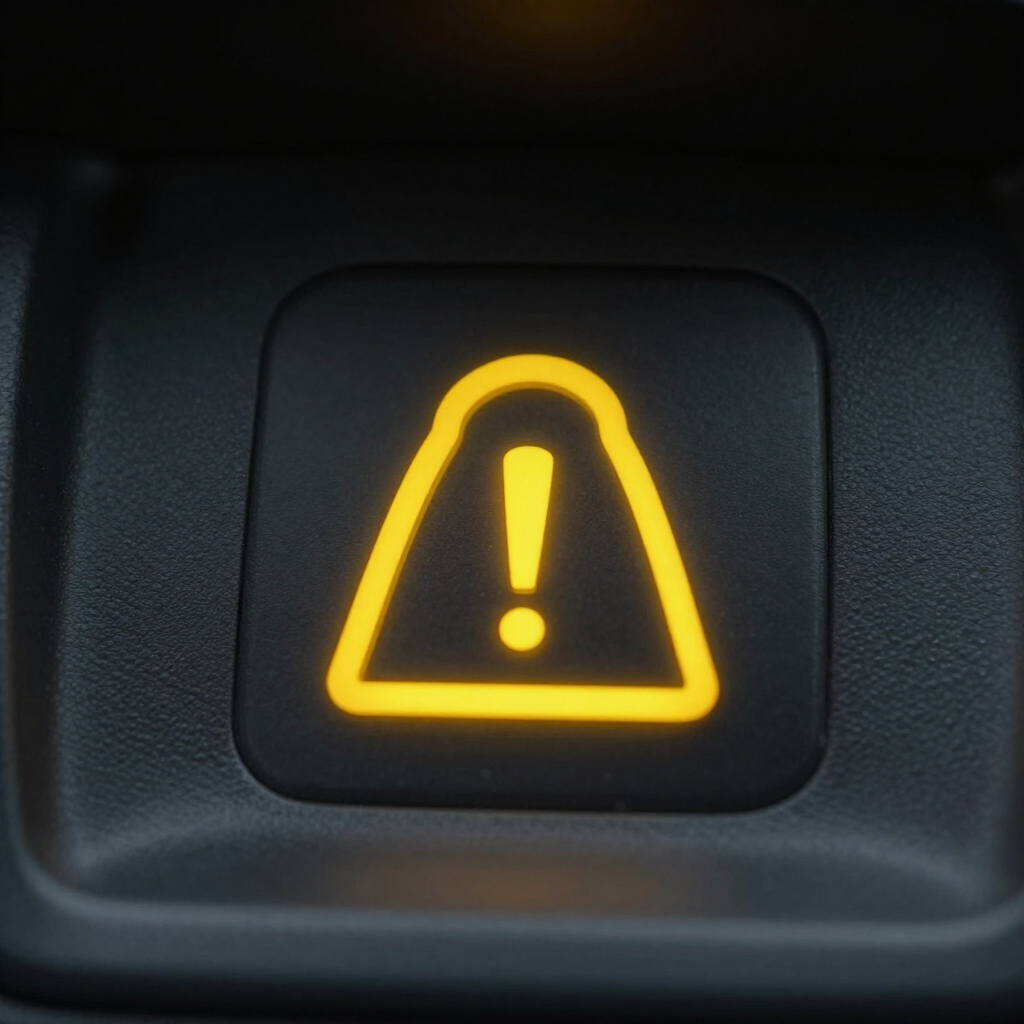
- Brake warning lights
- Uneven brake pad wear
- A vehicle that feels unstable while braking
Don't wait for several symptoms to appear.
One significant change in braking behavior is enough reason to have the vehicle checked.
Why Does My Car Shake When I Brake?
If your vehicle shakes when you press the brake pedal, several components may need to be inspected.
Potential causes include:
- Brake rotor problems
- Uneven brake pad wear
- Sticking calipers
- Suspension problems
- Steering components
- Tire or wheel problems
The location of the vibration can provide clues.
For example, steering wheel vibration during braking may point toward a problem affecting the front of the vehicle, while other vibrations may be felt through the brake pedal, seat, or floor.
A complete inspection is the best way to determine the source.
If the shaking also occurs at highway speeds when you're not braking, there may be another issue involved. Our guide to car shaking at highway speeds covers other possible causes, including tires, wheels, alignment, suspension, and axles.
How Long Do Brake Pads Last?
There isn't one mileage number that applies to every vehicle.
Brake pad life depends on factors such as:
- Driving habits
- Traffic conditions
- Vehicle weight
- Brake pad material
- Driving environment
- How often you drive
- Terrain
- Towing or carrying heavy loads
Frequent stop-and-go driving can result in more brake use than primarily highway driving.
Houston drivers who regularly deal with heavy traffic may put considerably more use on their brakes than someone who primarily drives on open roads.
The best approach is to inspect the brakes regularly rather than replacing them based solely on mileage.
How Often Should Brakes Be Inspected?
Your brakes should be inspected as part of your regular vehicle maintenance.
It's particularly important to have them checked when:
- Your brake noise changes
- You feel vibration
- Your vehicle pulls while braking
- Your brake pedal feels different
- You notice a warning light
- You're having other suspension or tire problems
- You're preparing for a long road trip
Apex Automotive Care provides general vehicle maintenance in Houston, making routine inspections an opportunity to catch brake and other vehicle problems before they become more expensive.
Brake Problems and Houston Driving
Houston driving can put plenty of demand on a vehicle's braking system.
Stop-and-go traffic, freeway congestion, frequent acceleration and braking, and long commutes can all increase brake usage.
Drivers throughout Southwest Houston, Westchase, Bellaire, Meyerland, Stafford, Sugar Land, and Missouri City should pay attention to changes in brake noise or performance.
If your brakes have started squeaking or grinding, don't wait until the noise becomes impossible to ignore.
Brake Repair for Drivers in Westchase
If you're searching for brake repair near Westchase, Apex Automotive Care serves drivers throughout the Southwest Houston area.
Brake noise, vibration, pulling, and changes in pedal feel can all be reasons to have the braking system inspected.
Brake Service for Drivers in Bellaire
For drivers looking for brake repair near Bellaire, a brake inspection can help identify worn pads, rotor problems, caliper issues, or other components that may be causing noise.
Don't wait for grinding to become your first indication that something is wrong.
Brake Repair for Drivers in Meyerland
If you live in Meyerland and your brakes have started squeaking, grinding, or vibrating, having them inspected early can help identify potential problems before additional components are damaged.
Brake Service for Drivers in Stafford
Drivers in Stafford who commute into Houston may put substantial mileage on their vehicles.
If your brakes are making new noises during your commute, schedule an inspection instead of assuming the noise is normal.
Brake Repair for Drivers in Sugar Land
For drivers searching for brake repair near Sugar Land, Apex Automotive Care provides automotive repair and maintenance services from our Houston location on Southwest Freeway.
If your brake pedal feels different or your brakes have started making noise, have the vehicle inspected.
Brake Repair for Drivers in Missouri City
If you're in Missouri City and notice squeaking, grinding, pulling, or vibration when braking, don't ignore it.
A brake inspection can help determine whether the issue is related to the pads, rotors, calipers, hardware, or another component.
Brake Repair in Southwest Houston
For brake repair in Southwest Houston, Apex Automotive Care can inspect your vehicle's braking system and help determine what repairs are actually needed.
The shop is located at 7050 Southwest Freeway, Houston, TX 77074.
Is It Safe to Drive With Squeaky Brakes?
It depends on what's causing the noise.
A temporary squeak caused by moisture may not represent a serious problem.
But persistent squeaking, grinding, reduced braking performance, vibration, pulling, or unusual smells should not be ignored.
If you're hearing grinding, it's especially important to have the brakes inspected promptly.
Your brakes are too important to diagnose based on sound alone.
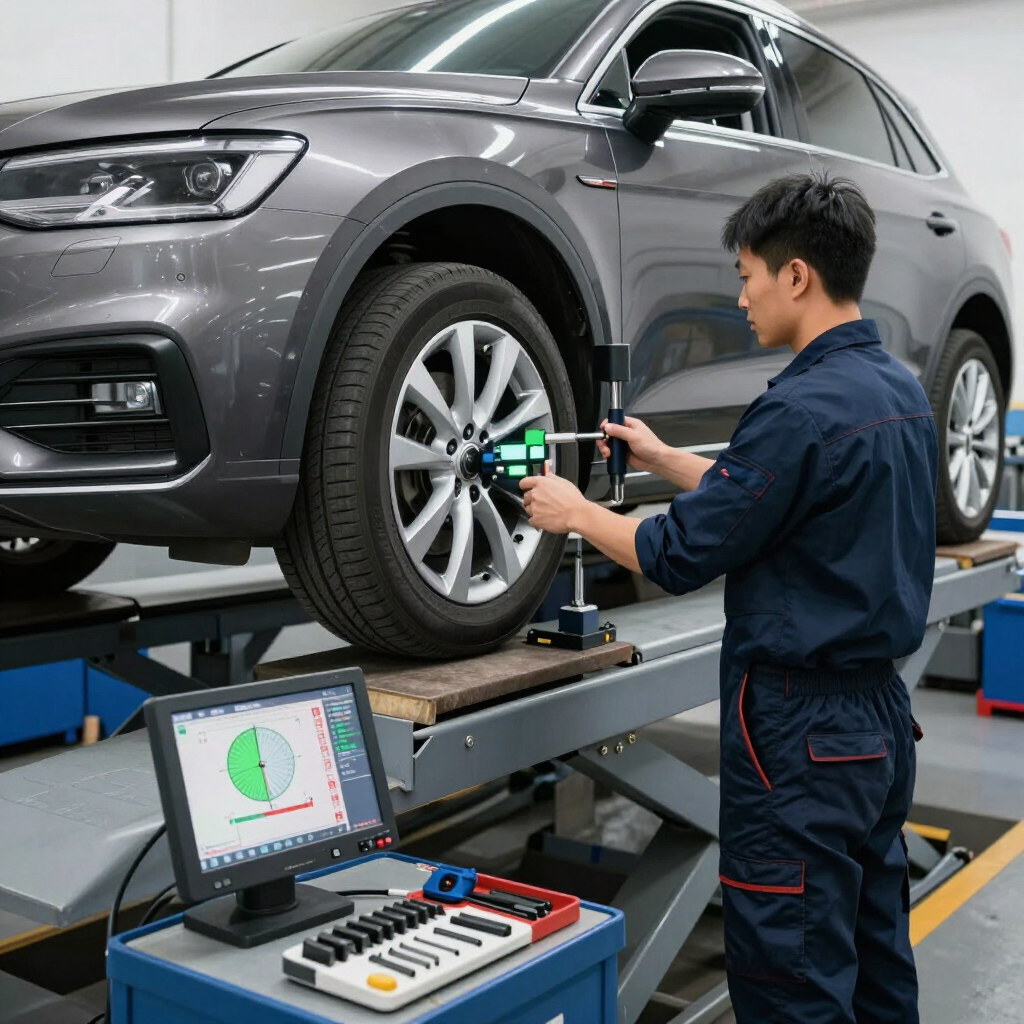
What Happens During a Brake Inspection?
A professional brake inspection may involve checking:
- Brake pad condition
- Rotor condition
- Calipers
- Brake hardware
- Brake fluid
- Brake lines and related components
- Uneven wear
- Signs of overheating
- Other components affecting braking performance
The goal is to determine the source of the problem rather than simply replacing parts.
Apex Automotive Care emphasizes diagnostics and clear communication so customers understand what their vehicle needs before repairs are performed.
Don't Ignore Squeaking or Grinding Brakes
A squeaky brake doesn't always mean you need an expensive repair.
But persistent noise is worth investigating, and grinding brakes should never be ignored.
Whether you're dealing with worn brake pads, rotor problems, a sticking caliper, brake hardware, or another issue, finding the problem early can help prevent additional damage.
Apex Automotive Care serves drivers throughout Southwest Houston, Westchase, Bellaire, Meyerland, Stafford, Sugar Land, and Missouri City.
Schedule a Brake Inspection in Houston
If your brakes are squeaking, grinding, vibrating, or simply don't feel the way they used to, have them inspected.
Schedule an appointment with Apex Automotive Care.
Apex Automotive Care
7050 Southwest Freeway
Houston, TX 77074
Monday–Friday: 8:00 AM–6:00 PM
Saturday: 8:00 AM–3:00 PM
Frequently Asked Questions
Why are my brakes squeaking?
Brake squeaking can be caused by brake pad material, moisture, brake dust, glazing, hardware, or worn components. Persistent squeaking should be inspected.
Why are my brakes grinding?
Grinding can indicate severe brake wear or contact between components that shouldn't be touching. Have grinding brakes inspected promptly.
Is it normal for brakes to squeak in the morning?
A brief squeak caused by moisture or surface buildup can occur after the vehicle sits overnight. If the noise persists throughout your drive, becomes louder, or is accompanied by other symptoms, have the brakes checked.
Can bad brake pads cause squeaking?
Yes. Brake pads can squeak as they wear, and some pads have wear indicators specifically designed to produce noise as the pads approach the end of their service life.
Can bad rotors cause squeaking?
Rotor problems can contribute to brake noise, vibration, or inconsistent braking. A technician should inspect the entire brake system to determine the cause.
Why does my car shake when I brake?
Brake vibration can be caused by rotor or pad problems, calipers, suspension components, steering components, or other issues. The vehicle should be inspected to determine the actual source.
Why does my car pull when I brake?
A vehicle that pulls during braking can have a brake-related issue such as uneven braking force or a sticking caliper. Tire, steering, and suspension problems can also contribute. See our guide on why your car pulls to one side.
Where can I get my brakes checked in Southwest Houston?
Apex Automotive Care is located at 7050 Southwest Freeway in Houston and serves drivers throughout Southwest Houston and surrounding communities.