Common Brake Problems Houston Drivers Should Never Ignore
Your vehicle's braking system is one of its most important safety systems. Whether you're driving through Houston traffic, commuting on the Southwest Freeway, or navigating stop-and-go city streets, your brakes need to work properly every time you press the pedal.
Brake problems don't always begin with an obvious failure. In many cases, your vehicle will give you warning signs such as squealing, grinding, vibration, a soft brake pedal, pulling to one side, or a dashboard warning light.
Ignoring these symptoms can allow a relatively minor brake problem to become a more expensive repair—and in some situations, a serious safety concern.
At Apex Automotive Care in Houston, TX, our technicians provide professional brake repair and automotive service using quality parts, modern diagnostic equipment, and experienced technicians.
If you notice something unusual when braking, it's better to have the system inspected before the problem gets worse.
1. Squealing or Grinding When Braking
One of the most noticeable brake problems is an unusual noise when you press the brake pedal.
Squealing Brakes
A high-pitched squeal can occur for several reasons, including brake pad wear, brake dust, moisture, or normal characteristics of certain brake-pad materials.
However, persistent squealing should not automatically be dismissed as normal.
Grinding Brakes
Grinding is more concerning.
A grinding noise can occur when brake pads have worn down significantly and other components begin contacting the brake rotor.
Continuing to drive with grinding brakes can result in additional damage to the braking system and may turn a brake-pad replacement into a more extensive repair.
If your brakes are making unusual noises, have them inspected by a professional.
2. Vibration When Braking
Does your steering wheel shake or your brake pedal pulsate when you slow down?
Brake-related vibration can be associated with problems involving the brake rotors, pads, calipers, or other components.
You may notice the vibration more clearly when braking from higher speeds.
Because similar symptoms can also come from tires, wheels, suspension components, or other parts of the vehicle, a proper inspection is important before replacing parts.
Apex Automotive Care provides professional automotive diagnostics and repair in Houston to help identify the actual source of vehicle problems.
3. Soft or Spongy Brake Pedal
Your brake pedal should provide a predictable and consistent feel.
If the pedal suddenly feels soft, spongy, or unusually low, don't ignore it.
A change in brake-pedal feel can be associated with issues such as:
- Air or moisture in the hydraulic brake system
- Low brake fluid
- A brake-fluid leak
- Worn or damaged brake components
- Problems with other parts of the braking system
A significant change in pedal feel should be inspected promptly.
If you have to push the pedal substantially farther than normal to stop the vehicle, avoid taking unnecessary chances and have the vehicle evaluated.
4. Burning Smell After Braking
A strong burning smell after heavy braking can indicate that the brakes are generating excessive heat.
This may occur after repeated hard braking, driving down steep grades, or when a brake component isn't releasing properly.
Excessive heat can affect brake performance and contribute to brake fade.
If you notice a persistent burning smell, smoke, or unusual heat coming from a wheel, stop driving when it is safe to do so and have the vehicle inspected.
Houston's hot climate can make proper vehicle maintenance especially important. Regular inspections can help identify worn or damaged components before they become more serious.
For additional vehicle-care information, see Apex Automotive Care's General Vehicle Maintenance service.
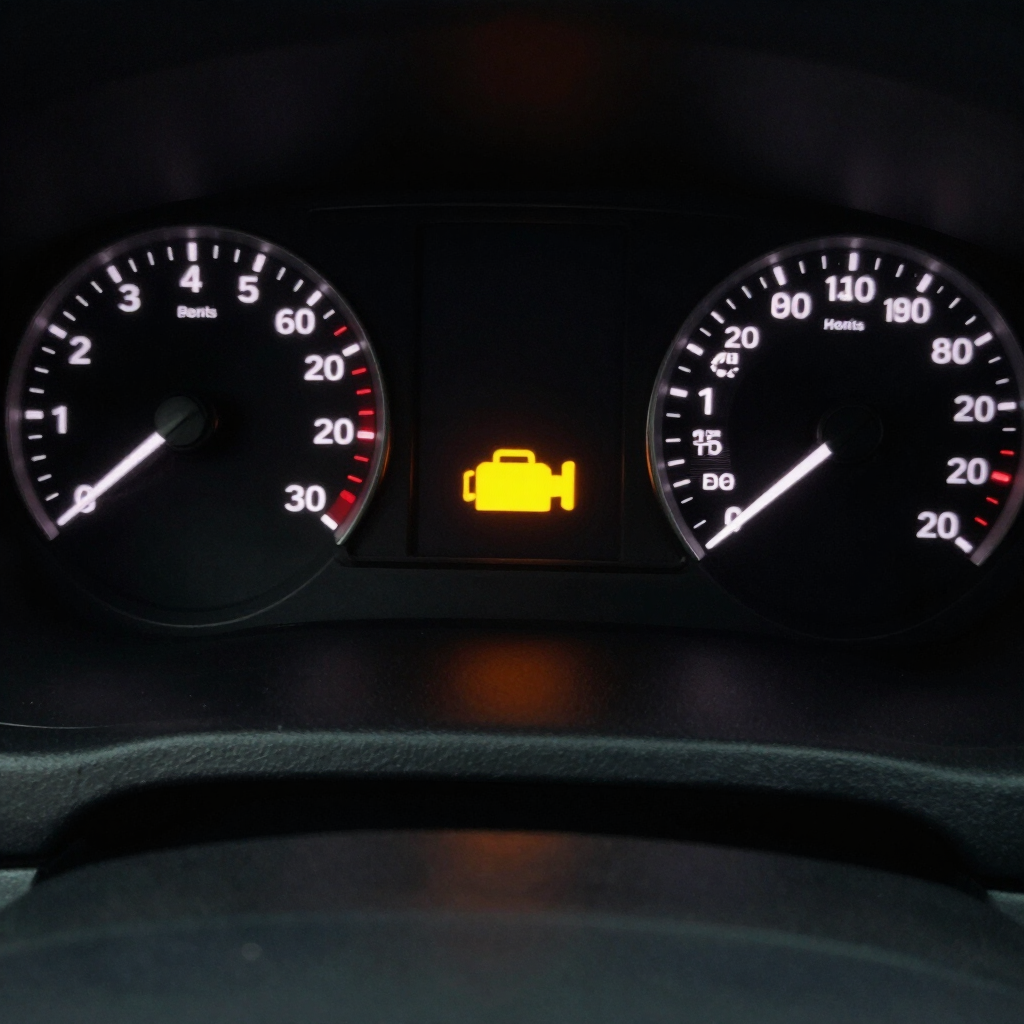
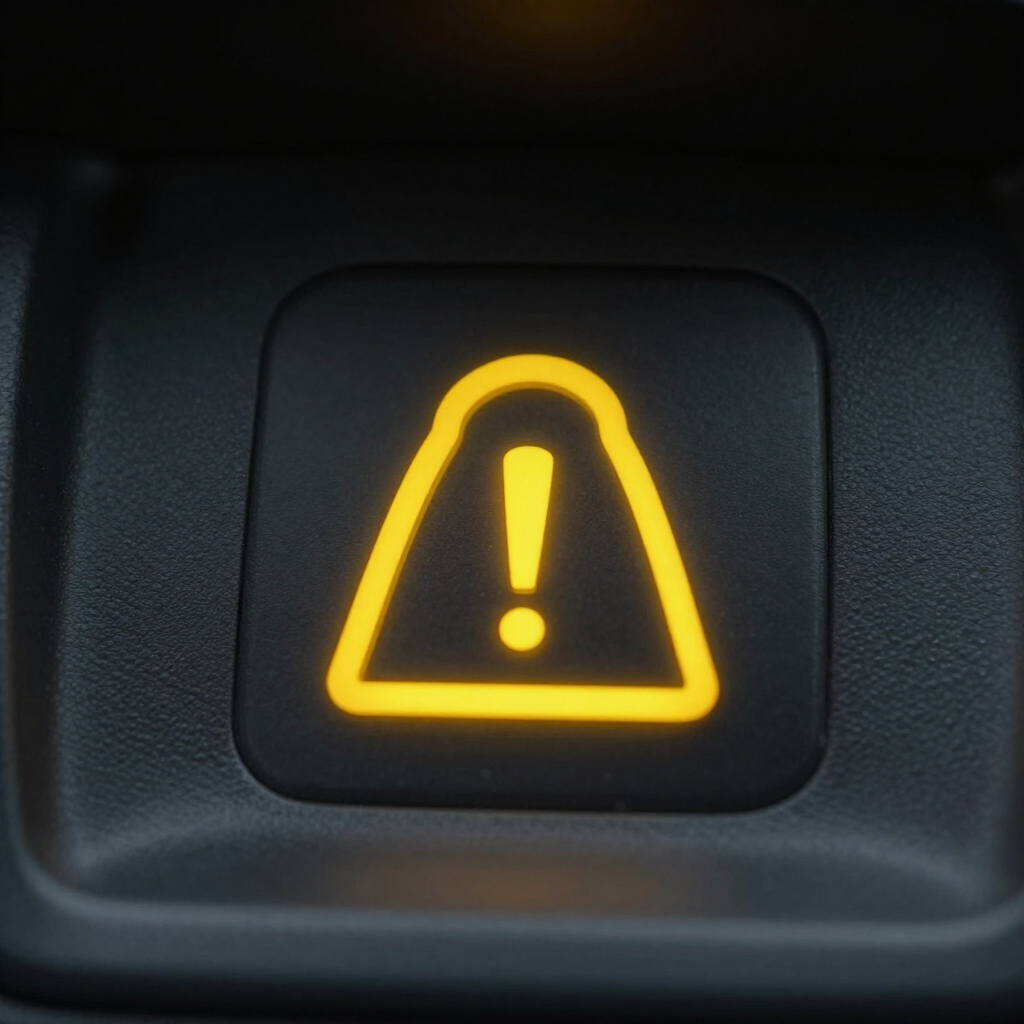
5. Brake Warning Light on the Dashboard
Never ignore a brake warning light.
Depending on the vehicle, a brake-related warning light can indicate a variety of issues, including low brake fluid or a problem detected within the braking system.
Some vehicles also display electronic brake-system or ABS warnings.
Because warning-light meanings vary between makes and models, check your owner's manual and have the vehicle professionally diagnosed if a brake-related warning light remains illuminated.
Apex Automotive Care uses advanced diagnostic technology to help identify automotive warning-light and drivability concerns.
6. Vehicle Pulls to One Side When Braking
If your vehicle pulls left or right when you apply the brakes, something may not be operating evenly.
Possible causes can include:
- Uneven brake-pad wear
- A sticking brake caliper
- Brake hydraulic problems
- Tire-related issues
- Suspension problems
- Alignment-related concerns
Don't assume the problem is automatically caused by the brakes.
A professional inspection can determine whether the braking system, tires, suspension, alignment, or another component is responsible.
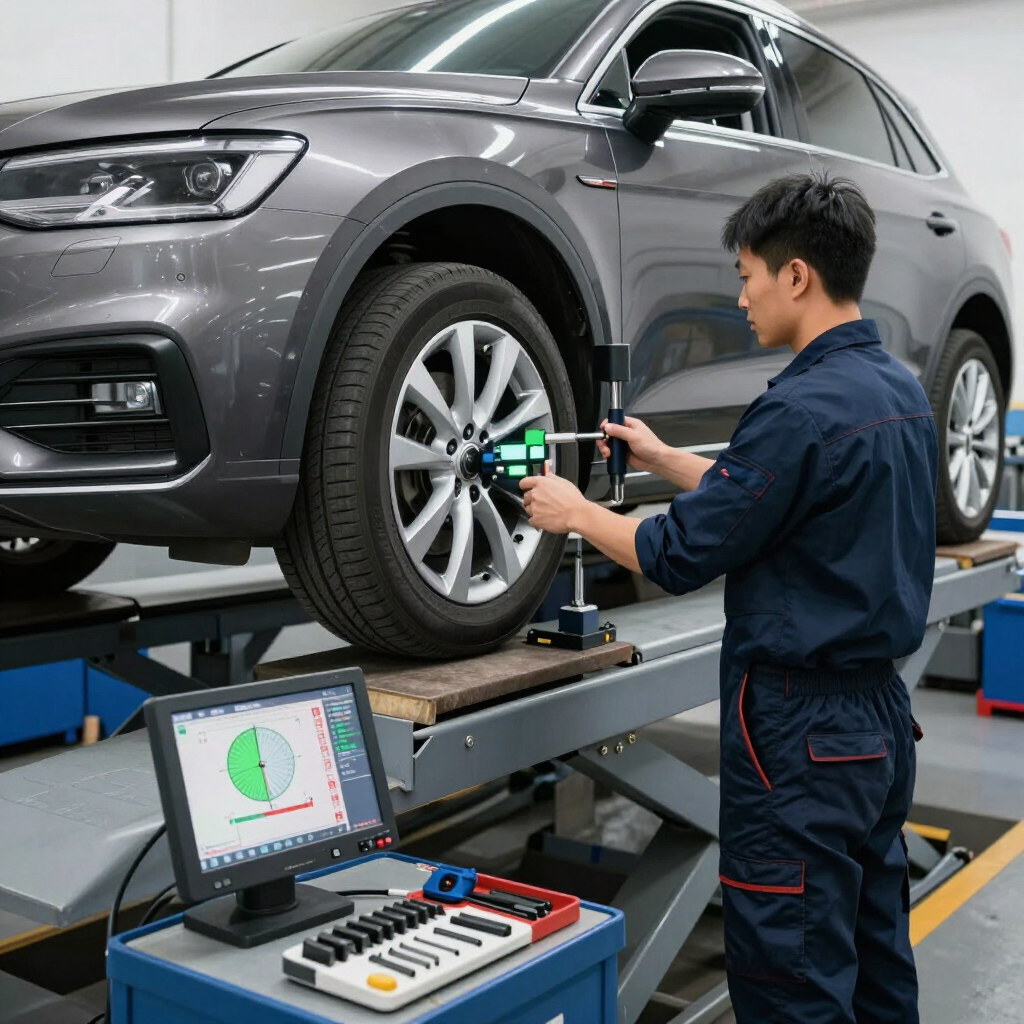
Apex Automotive Care also provides wheel alignment and other automotive services, making professional diagnosis especially useful when several systems may produce similar symptoms.
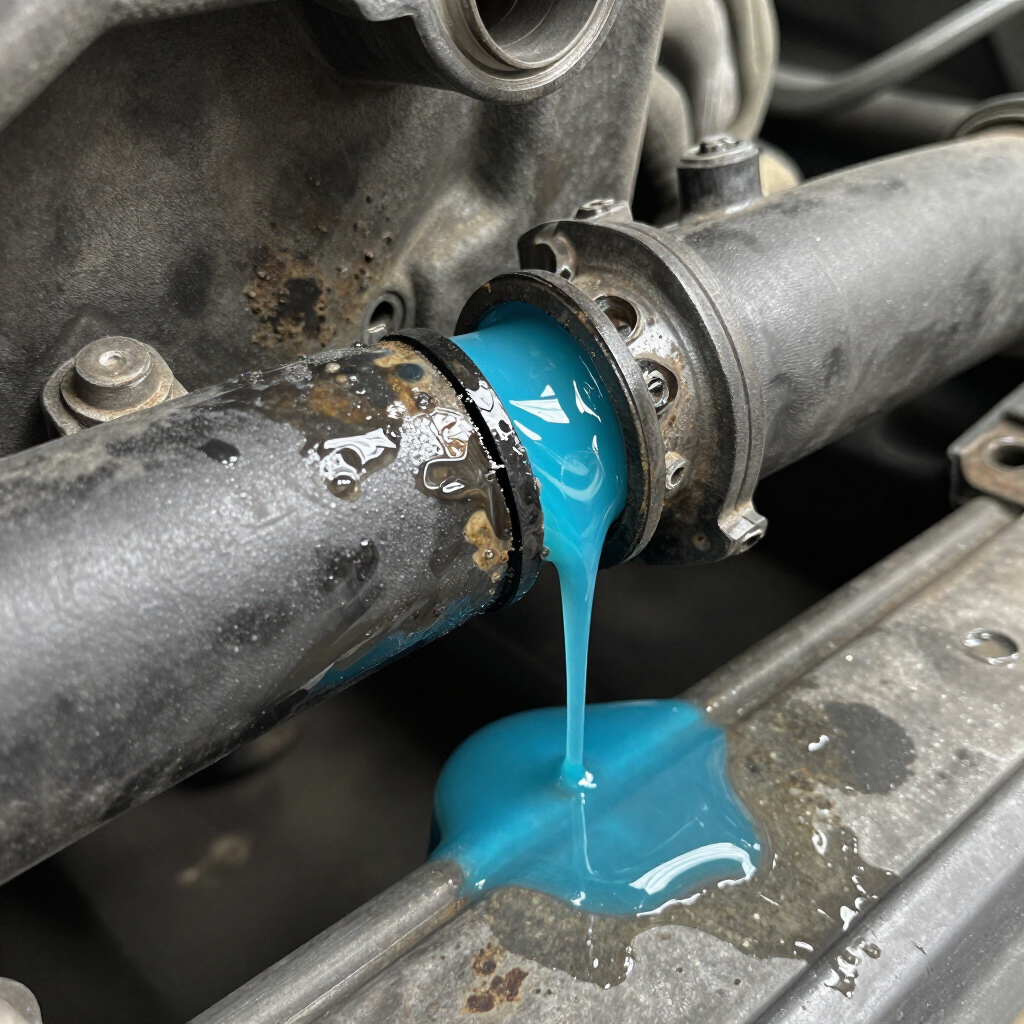
7. Brake Fluid Leaks
Brake fluid is critical to the operation of a hydraulic braking system.
If you notice fluid around a wheel, underneath the vehicle, or near components of the brake system, have the vehicle inspected.
A brake-fluid leak can reduce hydraulic pressure and negatively affect braking performance.
Brake fluid should not simply be topped off without determining why the level is low.
A technician should inspect the system for the source of the leak and determine whether repairs are necessary.
8. Longer Stopping Distance
Another warning sign is needing more distance than usual to stop.
If your vehicle doesn't feel like it is stopping as quickly or confidently as it normally does, something may have changed.
Possible causes include worn brake pads, brake-fluid problems, overheated components, tire issues, or other mechanical problems.
Any noticeable change in braking performance deserves attention.
9. Brake Pedal Pulsation
A pulsating brake pedal can be a sign of a problem within the braking system.
You may feel the pedal move or pulse beneath your foot while braking.
While rotor condition is one possible cause, there are other reasons a vehicle may experience brake pulsation. That's why an inspection is preferable to assuming that the brake rotors are automatically the problem.
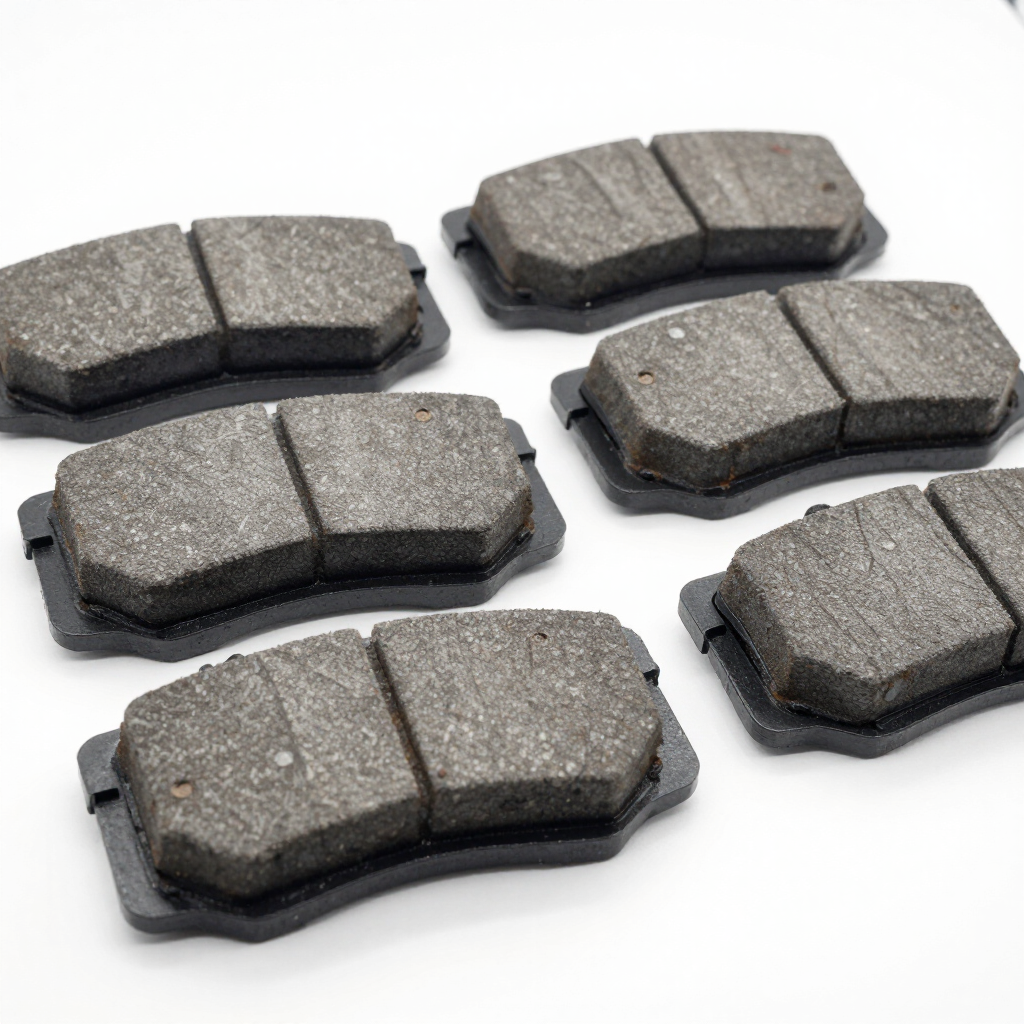
10. Brake Pads Wearing Unevenly
Brake pads should generally wear in a predictable manner.
If one brake pad is significantly more worn than another, it may indicate an underlying issue such as a sticking caliper, hardware problem, or other brake-system concern.
Simply replacing the pads without addressing the underlying cause may allow the problem to return.
Why Houston Driving Can Be Hard on Brakes
Houston driving can put significant demands on a vehicle's braking system.
Heavy traffic, frequent stops, highway driving, heat, and repeated acceleration and braking can all contribute to brake wear.
Drivers who regularly travel through congested areas may use their brakes much more frequently than someone who primarily drives on open highways.
That makes routine brake inspections and preventive maintenance an important part of vehicle ownership.
How Often Should You Have Your Brakes Inspected?
There isn't one universal mileage interval that applies to every vehicle.
Brake wear depends on factors such as:
- Driving habits
- Traffic conditions
- Vehicle weight
- Brake-pad material
- Driving environment
- Highway versus city driving
- Towing or heavy loads
- Vehicle make and model
Instead of waiting for a serious warning sign, have the brakes inspected as part of your regular vehicle maintenance.
Apex Automotive Care's general vehicle maintenance service can help keep your vehicle's maintenance needs on track.
How Are Brake Problems Diagnosed?
Professional brake diagnosis typically starts with a visual and functional inspection.
Depending on the symptoms, a technician may inspect:
- Brake pads
- Brake rotors
- Brake calipers
- Brake lines
- Brake hoses
- Brake fluid
- Wheel and tire condition
- Related suspension components
- Electronic brake-system components
A technician may also perform a road test when appropriate to reproduce the customer's concern.
The goal is to determine the actual cause of the problem rather than simply replacing parts based on a symptom.
Can You Prevent Brake Problems?
You can't prevent every brake problem, but proper maintenance can help reduce unexpected failures and identify wear before it becomes severe.
1. Follow Your Vehicle's Maintenance Schedule
Follow the maintenance recommendations in your owner's manual.
Regular inspections can help identify worn brake components and other developing problems.
2. Pay Attention to New Sounds
Don't ignore a new squeal, grinding noise, scraping sound, or unusual vibration.
Small warning signs can sometimes provide an opportunity to address a problem before additional components are damaged.
3. Don't Ignore Dashboard Warning Lights
A brake or ABS warning light should be investigated rather than ignored.
4. Avoid Aggressive Driving
Repeated hard braking generates significant heat and can accelerate brake wear.
Whenever possible, maintain a safe following distance and anticipate traffic conditions so you don't have to make unnecessary hard stops.
5. Have Brake Fluid Checked
Brake fluid should be maintained according to your vehicle manufacturer's recommendations.
If the fluid level is low or contaminated, the cause should be investigated.
What Happens If You Ignore Brake Problems?
Ignoring brake problems can lead to additional wear and potentially compromise braking performance.
A worn brake pad, for example, may eventually damage the rotor if it is allowed to deteriorate far enough.
Likewise, ignoring a brake-fluid leak can allow the condition to become more serious.
The exact consequences depend on the problem, but early diagnosis is generally preferable to waiting until the braking system develops a major failure.
Choosing a Brake Repair Shop in Houston, TX
When your brakes need attention, choose an automotive repair shop that combines experience, quality parts, modern equipment, and clear communication.
Apex Automotive Care is a family-owned Houston automotive repair shop with more than 20 years of experience. The shop's technicians use advanced diagnostic tools and are trained to handle routine maintenance as well as more complex automotive repairs.
Apex Automotive Care also backs repairs with a 12-month/12,000-mile warranty, whichever comes first.
The shop provides brake repair and services along with diagnostics, tire services, wheel alignment, suspension, transmission, cooling-system service, general maintenance, and other automotive repairs.
Frequently Asked Questions About Brake Problems
What are the most common signs of bad brakes?
Common warning signs include squealing, grinding, vibration, a soft brake pedal, pulling to one side, longer stopping distances, burning smells, and brake warning lights.
How do I know if my brake pads need to be replaced?
Worn brake pads may produce squealing or grinding noises, reduced braking performance, or other symptoms. A professional inspection can determine the remaining pad material and whether replacement is necessary.
Why does my car shake when I brake?
Brake-related vibration can be caused by brake components, but tires, wheels, suspension parts, and other issues can produce similar symptoms. A professional inspection is the best way to identify the source.
Why does my car pull to one side when braking?
Possible causes include uneven brake wear, a sticking caliper, hydraulic problems, tire issues, suspension problems, or alignment concerns.
Is it safe to drive with a soft brake pedal?
A significant change in brake-pedal feel can indicate a problem with the braking system. Because braking is safety-critical, a soft or spongy pedal should be inspected promptly.
How often should brakes be serviced?
Brake service intervals vary by vehicle and driving conditions. Instead of relying on a universal mileage interval, follow the manufacturer's recommendations and have the brakes inspected regularly.
Can Houston heat affect my brakes?
High temperatures can contribute to brake heat, particularly when combined with heavy traffic, repeated braking, towing, or aggressive driving. Proper maintenance helps identify worn components before they become larger problems.
Need Brake Repair in Houston, TX?
If your brakes are squealing, grinding, vibrating, pulling, or behaving differently than they normally do, don't wait for the problem to get worse.
Apex Automotive Care provides professional brake repair and automotive service in Houston, TX. The shop's current website specifically lists Brake Repair & Services among its automotive services.
Located at 7050 Southwest Freeway, Houston, TX 77074, Apex Automotive Care serves local drivers with brake repair, diagnostics, maintenance, tire services, wheel alignment, suspension, transmission, cooling-system service, and other automotive repairs.
Schedule Your Brake Service
Book Now — Schedule Your Brake Service
Or call to schedule your appointment.
Apex Automotive Care
7050 Southwest Freeway
Houston, TX 77074
Don't ignore a brake warning. Get your vehicle inspected and find out what your braking system actually needs.