Engine Mount Replacement
Engine mounts are easy to overlook, but they play an important role in your vehicle's performance, comfort, and drivetrain protection. These components secure the engine and transmission while helping control vibration and movement produced by the engine.
If you've started noticing excessive vibration, clunking sounds, rough shifting, or unusual engine movement, worn or damaged engine mounts could be the cause.
At Apex Automotive Care, we help Houston drivers diagnose automotive problems and determine the appropriate repair. Our technicians use modern diagnostic equipment and ASE-certified expertise to identify the source of unusual noises, vibrations, and drivability concerns.
If you're experiencing symptoms of a bad engine mount, contact Apex Automotive Care to schedule an inspection.
Apex Automotive Care provides auto repair services in Southwest Houston.
What Does an Engine Mount Do?
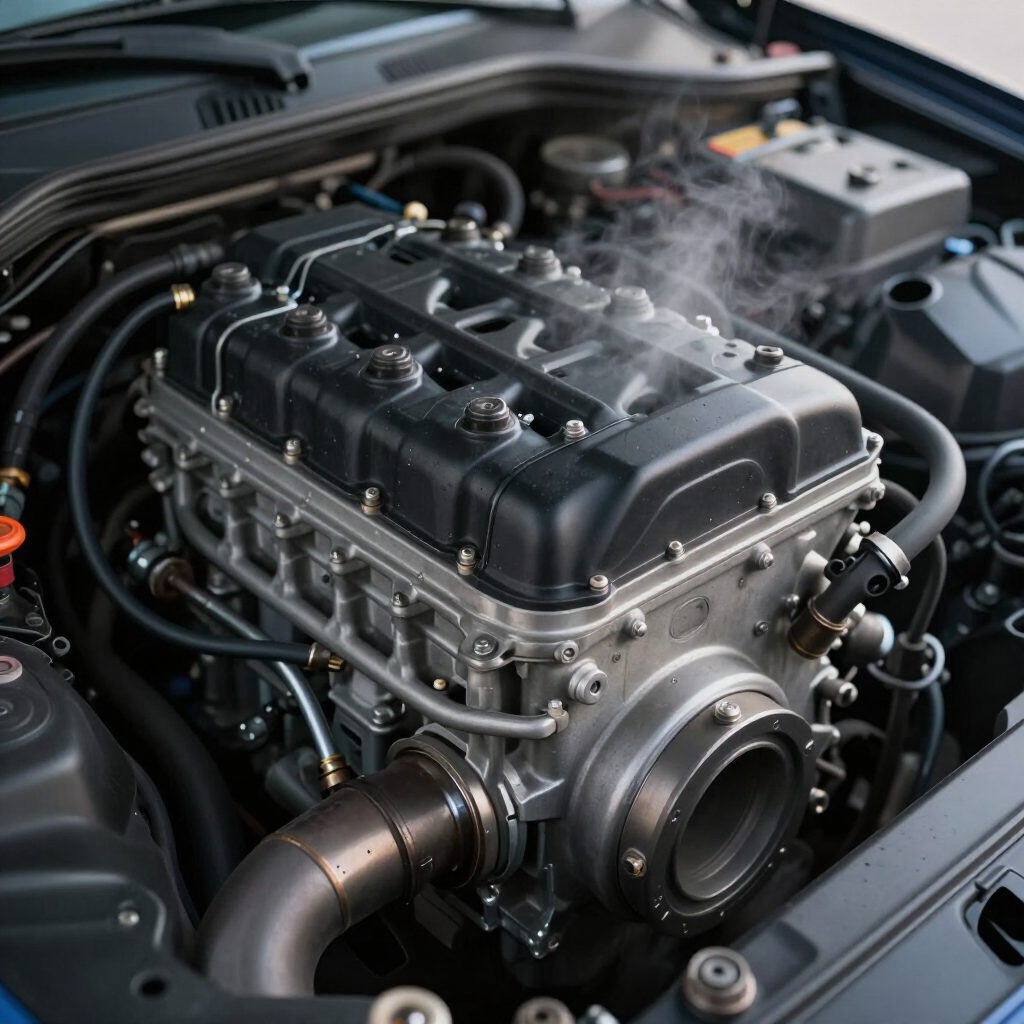
Engine mounts connect the engine and transmission to the vehicle's chassis. They are designed to keep the powertrain securely positioned while reducing the amount of vibration transferred into the passenger compartment.
Depending on the vehicle, engine mounts may use rubber, hydraulic fluid, or other materials to control engine movement.
A properly functioning engine mount helps:
- Reduce engine and drivetrain vibration
- Keep the engine properly positioned
- Improve passenger comfort
- Protect transmission and drivetrain components
- Reduce excessive engine movement
- Maintain proper drivetrain alignment
- Contribute to smoother shifting
When an engine mount wears out, it can no longer control engine movement effectively.
If you're experiencing a vibration but aren't sure what is causing it, Apex Automotive Care's auto repair team can help diagnose the problem.
Why Do Engine Mounts Fail in Houston, TX?
Houston's climate and driving conditions can be hard on vehicles. Heat, heavy traffic, frequent idling, high mileage, and repeated acceleration and braking can all contribute to component wear.
1. Houston Heat
Extreme temperatures can accelerate the deterioration of rubber and other materials used in many engine mounts.
Over time, heat exposure can cause rubber components to:
- Dry out
- Crack
- Harden
- Lose flexibility
- Separate from surrounding components
Once the rubber begins breaking down, the mount may no longer absorb engine vibration and movement properly.
Regular vehicle inspections and maintenance can help identify deteriorating components before they become larger problems.
For ongoing vehicle care, see general vehicle maintenance in Houston.
2. Stop-and-Go Houston Traffic
Houston drivers frequently deal with heavy traffic and repeated acceleration and braking.
Every time you accelerate, brake, shift gears, or place the engine under load, the engine and transmission move slightly. Engine mounts help control that movement.
Thousands of repeated cycles can eventually cause mounts to weaken or deteriorate.
3. Oil and Fluid Leaks
Fluid contamination can also shorten the life of an engine mount.
Engine oil can deteriorate certain rubber components over time. A leaking valve cover gasket, oil filter housing, timing cover, or another engine component may expose the mount to oil.
If you notice an oil leak along with increased vibration, have both problems inspected.
Ignoring fluid leaks can eventually lead to more expensive repairs, which is why regular vehicle maintenance is important.
4. High Mileage
Engine mounts are wear components and don't last forever.
Some mounts can last well over 100,000 miles, while others may require replacement sooner. The actual lifespan depends on the vehicle, mount design, driving conditions, maintenance history, and how the vehicle is used.
A vehicle driven primarily in heavy traffic may experience different wear than one driven mostly on the highway.
5. Heavy Loads and Aggressive Driving
Hard acceleration, towing, performance driving, and carrying heavy loads can place additional stress on engine and transmission mounts.
Repeated high-load conditions can accelerate mount deterioration, particularly if a mount is already beginning to weaken.
Signs You May Need Engine Mount Replacement
Knowing the warning signs can help you address the problem before additional components are affected.
Excessive Vibration
One of the most common symptoms associated with a bad engine mount is unusual vibration.
You may notice vibration:
- While idling
- At stoplights
- When accelerating
- When shifting into gear
- When the air conditioning is running
Not every vibration is caused by an engine mount. Tires, wheels, suspension components, drivetrain problems, and engine issues can also produce vibration, which is why proper diagnosis matters.
Clunking or Banging Sounds
A worn mount may allow the engine to move more than it should.
You might hear a clunk, thump, or banging sound when:
- Accelerating
- Braking
- Shifting from Park to Drive
- Shifting from Drive to Reverse
- Driving over certain bumps
These symptoms should not be ignored, particularly if they are getting worse.
Excessive Engine Movement
A severely worn mount can allow the engine to move noticeably under acceleration or deceleration.
Excessive movement can put additional stress on other drivetrain components.
Rough or Unusual Shifting
Because engine and transmission mounts help control powertrain movement, a failed mount can sometimes contribute to harsh or unusual shifting sensations.
However, transmission problems can have many causes. A technician should inspect the vehicle rather than assuming a mount is responsible.
For transmission-related concerns, see Apex Automotive Care's transmission replacement service.
Visible Mount Damage
During an inspection, a technician may find:
- Cracked rubber
- Torn rubber
- Separated mounting material
- Collapsed mounts
- Leaking hydraulic mounts
- Damaged mounting hardware
Visible damage doesn't always tell the whole story, so a professional inspection is recommended.
What Happens If You Ignore a Bad Engine Mount?
A failing engine mount may begin as a relatively minor vibration or noise. Continuing to drive with a severely damaged mount, however, can allow excessive powertrain movement and contribute to additional wear.
Potentially affected components can include:
- Transmission mounts
- Exhaust components
- Axles and CV joints
- Driveline components
- Hoses and wiring
- Other drivetrain components
A bad engine mount does not automatically mean these components will fail. However, addressing the problem early can help reduce unnecessary stress and prevent a relatively straightforward repair from becoming a larger one.
If you're hearing an unusual noise or feeling a new vibration, Apex Automotive Care can help determine where the problem is coming from.
How Are Engine Mounts Diagnosed?
Engine mount problems can sometimes be confused with other vehicle issues. That's why accurate diagnosis is important.
A professional inspection may include:
- Visual inspection of the engine mounts
- Checking for cracked, torn, or separated rubber
- Looking for leaking hydraulic fluid
- Checking engine movement under load
- Inspecting transmission mounts
- Checking related drivetrain components
- Road testing the vehicle when appropriate
Apex Automotive Care emphasizes accurate diagnostics and clear explanations before recommending repairs. The shop's Houston location offers advanced diagnostic technology and ASE-certified expertise.
If you're experiencing unexplained vibration, noise, or drivability problems, visit Apex Automotive Care in Houston for professional automotive service.
Can Engine Mounts Be Repaired?
In most cases, a damaged engine mount is replaced rather than repaired.
The repair process typically involves:
- Identifying the failed mount
- Supporting the engine and/or transmission safely
- Removing the damaged mount
- Inspecting related components
- Installing the correct replacement mount
- Properly securing mounting hardware
- Verifying engine position and operation
- Testing the vehicle after the repair
Replacing a worn engine mount can help restore proper engine positioning, reduce excessive vibration, and protect related drivetrain components.
Engine Mount Replacement vs. Motor Mount Replacement
You may hear the terms engine mount and motor mount used interchangeably.
In many automotive repair conversations, both terms refer to components designed to secure and control the engine. Terminology can vary depending on the vehicle manufacturer, repair shop, or the way drivers search for the service online.
That means someone searching for:
"engine mount replacement Houston"
or
"motor mount replacement Houston"
may be looking for the same general type of repair.
If you're searching for "motor mount replacement near me," Apex Automotive Care can inspect your vehicle and help determine whether a worn mount is responsible for your symptoms.
Related: read our guide to why an engine ticks when you start the car.
How Much Does Engine Mount Replacement Cost?
The cost of engine mount replacement varies depending on the vehicle.
Factors that can affect the price include:
- Vehicle make and model
- Number of mounts requiring replacement
- Location of the damaged mount
- Parts availability
- Labor time
- Additional damage discovered during inspection
Because every vehicle is different, the best way to determine the cost is to have the vehicle properly inspected first.
Apex Automotive Care provides clear communication about recommended repairs so customers can understand what their vehicle needs before approving service.
Frequently Asked Questions About Engine Mounts
How long do engine mounts last?
Engine mount lifespan varies significantly by vehicle and driving conditions. Some mounts can last well over 100,000 miles, while others may require replacement sooner.
Houston heat, heavy traffic, fluid contamination, vehicle use, and driving habits can all affect longevity.
Can a bad engine mount cause vibration?
Yes. Excessive vibration is a common symptom associated with a worn or damaged engine mount.
However, vibration can also be caused by tires, wheels, suspension components, drivetrain problems, ignition issues, and other components. A proper diagnosis is important.
Can bad engine mounts damage a transmission?
A severely damaged engine or transmission mount can allow excessive powertrain movement and place additional stress on related drivetrain components.
Addressing the problem early can help reduce the risk of secondary damage.
Is an engine mount the same as a motor mount?
The terms are commonly used interchangeably. "Engine mount" and "motor mount" can refer to components that secure and control the engine within the vehicle.
Does Houston heat damage engine mounts?
Heat can accelerate deterioration of rubber and other materials used in engine mounts. Houston's hot climate can therefore contribute to mount wear over time.
Can I drive with a bad engine mount?
It depends on the severity of the failure. A severely damaged mount can allow excessive engine movement and potentially contribute to additional problems.
If you're experiencing significant vibration, clunking, or visible engine movement, have the vehicle inspected as soon as practical.
Related Automotive Services From Apex Automotive Care
Engine mount problems can sometimes occur alongside other mechanical issues. These Apex Automotive Care resources may also be helpful:
- General Vehicle Maintenance in Houston, TX
- Transmission Replacement in Houston, TX
- Cooling System Service in Houston, TX
- Axle Service in Houston, TX
- State Inspection in Houston, TX
- Pre-Purchase Inspection in Houston, TX
- About Apex Automotive Care
Need Engine Mount Replacement in Houston, TX?
If your vehicle has excessive vibration, clunking noises, rough shifting, or unusual engine movement, a worn engine mount could be the cause.
Apex Automotive Care is a Houston auto repair shop located at 7050 Southwest Freeway, Houston, TX 77074. The shop is open Monday through Friday from 8:00 AM to 6:00 PM and Saturday from 8:00 AM to 3:00 PM.
Apex Automotive Care offers professional automotive diagnostics, maintenance, transmission service, cooling-system service, axle service, inspections, and other repairs for a wide range of makes and models.
If you're searching for engine mount replacement in Houston, TX or motor mount replacement near me, don't ignore unusual vibration or clunking.
Contact Apex Automotive Care today to have your vehicle inspected and get a professional recommendation.
Apex Automotive Care
7050 Southwest Freeway
Houston, TX 77074