Why Is My Car Running Rough? Causes & Fixes
Your car should run smoothly whether you're sitting at a traffic light, accelerating onto the highway, or driving through Houston traffic.
But what happens when your vehicle suddenly starts shaking, vibrating, sputtering, or struggling to accelerate?
You may notice the engine doesn't sound normal, your car hesitates when you press the gas pedal, or the entire vehicle feels rough while driving.
So, why is your car running rough?
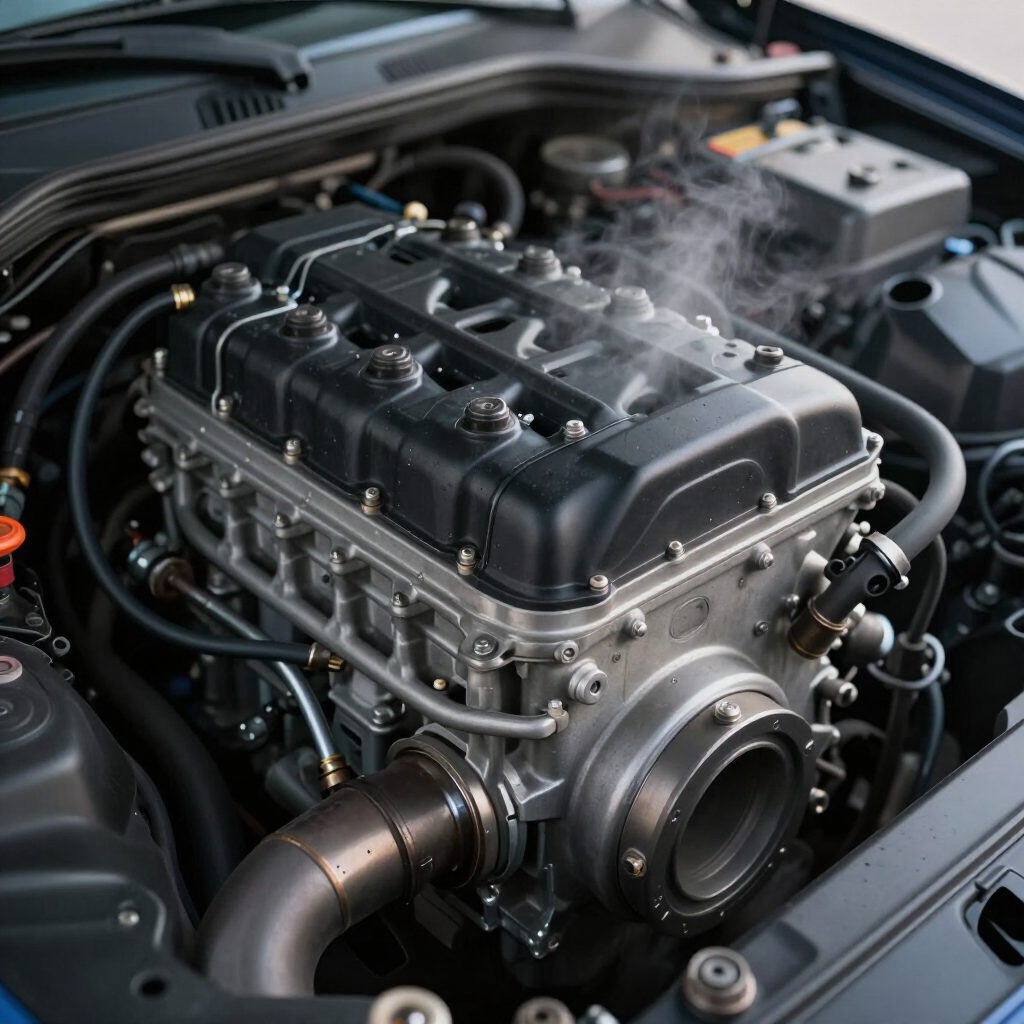
A rough-running engine can be caused by several problems, including worn spark plugs, failing ignition coils, engine misfires, fuel injector problems, vacuum leaks, air intake restrictions, faulty sensors, or fuel delivery issues.
In some cases, the problem is relatively straightforward to repair. In others, rough engine operation can indicate a more serious mechanical issue.
The important thing is identifying the actual cause before the problem gets worse.
At Apex Automotive Care, we help drivers throughout Houston, Southwest Houston, Westchase, Bellaire, Meyerland, Stafford, Sugar Land, and Missouri City diagnose engine performance problems.
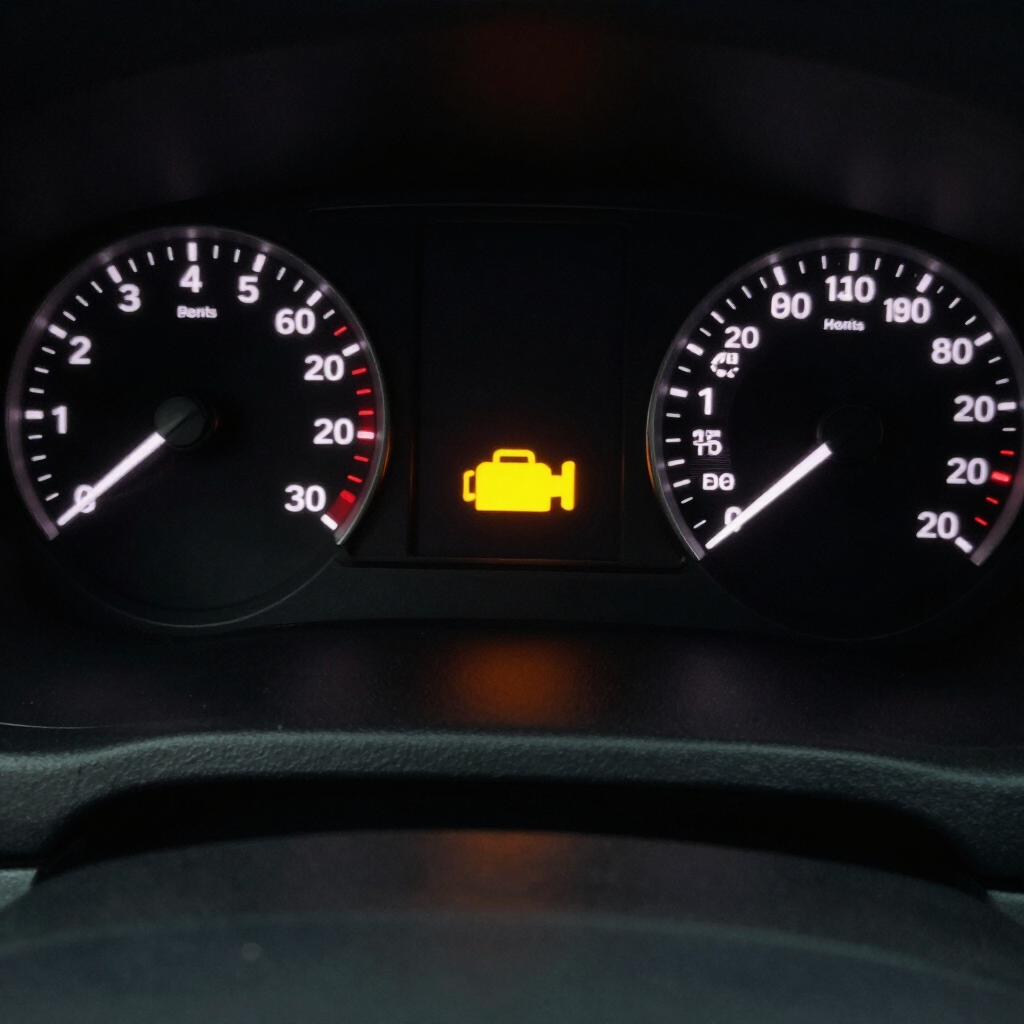
A warning light that stays on needs a proper scan, which is part of our check engine light service.
What Does It Mean When Your Car Is Running Rough?
A rough-running engine means the vehicle isn't operating as smoothly or consistently as expected.
Instead of producing steady power, the engine may stumble, shake, hesitate, or produce uneven vibrations.
You might experience:
- Engine shaking while stopped
- Rough acceleration
- Hesitation when pressing the gas pedal
- Sputtering while driving
- Uneven engine sounds
- Fluctuating RPMs
- Reduced engine power
- Poor fuel economy
- Check engine light illumination
- Difficulty maintaining a steady speed
These symptoms may happen individually or together.
The timing of the problem can help narrow down the cause.
For example, an engine that runs rough only at idle may have a different problem from one that runs smoothly at idle but hesitates under acceleration.
10 Common Reasons Your Car Is Running Rough
Several different systems work together to keep your engine operating smoothly.
When one of these systems isn't functioning correctly, rough running can develop.
1. Worn or Damaged Spark Plugs
Spark plugs are an important part of the ignition system in gasoline engines.
They create the spark needed to ignite the air-fuel mixture inside the cylinders.
Over time, spark plugs can become worn, fouled, or damaged.
When this happens, combustion may become inconsistent.
Common symptoms include:
- Rough engine operation
- Hesitation during acceleration
- Engine misfires
- Reduced fuel economy
- Difficulty starting
- Check engine light
Spark plug replacement intervals vary by vehicle and plug type.
Replacing spark plugs according to manufacturer recommendations can help prevent some ignition-related problems.
However, rough running doesn't automatically mean the spark plugs need replacement.
2. Failing Ignition Coils
Ignition coils supply the electrical energy needed to create a spark at the spark plugs.
If an ignition coil begins failing, one or more engine cylinders may not fire properly.
This can cause the engine to shake, hesitate, or lose power.
You may notice the problem most when accelerating or driving uphill.
Possible symptoms include:
- Engine shaking
- Rough acceleration
- Check engine light
- Reduced power
- Engine misfire codes
A failing ignition coil can sometimes create symptoms similar to fuel injector or compression problems.
Proper testing helps determine which component is responsible.
3. Engine Misfires
An engine misfire occurs when one or more cylinders fail to produce power as expected.
Misfires are a common cause of rough engine operation.
Possible causes include:
- Worn spark plugs
- Ignition coil failure
- Fuel injector problems
- Vacuum leaks
- Incorrect air-fuel mixture
- Low engine compression
- Mechanical timing problems
A misfire can cause the vehicle to shake noticeably, especially during acceleration or while stopped.
Some misfires occur only under certain conditions.
For example, an engine may run smoothly at idle but begin misfiring when more power is required.
Important: A flashing check engine light can indicate a misfire severe enough to threaten the catalytic converter. Avoid continued driving and arrange prompt diagnosis. AAA
For more information, read our guide:
Engine Misfire Codes Explained: P0300–P0308
4. Dirty or Malfunctioning Fuel Injectors
Fuel injectors deliver fuel into the engine in carefully controlled amounts.
If an injector becomes restricted, leaks, or develops an electrical problem, fuel delivery may become inconsistent.
This can affect combustion and cause rough engine performance.
Possible symptoms include:
- Engine sputtering
- Rough idle
- Hesitation
- Poor acceleration
- Engine misfires
- Reduced fuel economy
Not every rough-running engine needs fuel injector cleaning.
A technician should evaluate fuel delivery before recommending cleaning or replacement.
5. Vacuum Leaks
Many gasoline engines depend on a properly sealed air intake system.
A vacuum leak can allow unwanted air into the engine.
This can disrupt the air-fuel mixture and cause unstable engine operation.
Possible symptoms include:
- Rough idle
- High or fluctuating RPMs
- Hesitation
- Engine stalling
- Check engine light
- Lean-condition trouble codes
Vacuum leaks may develop in hoses, intake gaskets, or other components.
Some leaks are difficult to identify without specialized testing.
6. Dirty or Faulty Mass Airflow Sensor
The mass airflow sensor measures the amount of air entering the engine on vehicles equipped with this type of sensor.
The engine computer uses this information to help calculate fuel delivery.
If the sensor provides inaccurate information, engine performance may suffer.
Possible symptoms include:
- Rough running
- Hesitation
- Poor acceleration
- Reduced fuel economy
- Check engine light
- Stalling
A mass airflow sensor shouldn't automatically be replaced because a vehicle runs rough.
Air leaks, wiring problems, and other conditions can create similar symptoms.
7. Fuel Pump or Fuel Pressure Problems
Your engine needs the correct fuel pressure and delivery volume to operate properly.
If the fuel pump isn't supplying enough fuel, the engine may struggle when more power is required.
You may notice:
- Hesitation during acceleration
- Engine sputtering
- Reduced power
- Difficulty climbing hills
- Engine stalling
- Hard starting
A vehicle may run reasonably well at idle but struggle during acceleration because the engine requires more fuel under load.
Fuel pressure and delivery testing can help identify these problems.
8. Restricted Air Intake
Your engine needs an adequate supply of clean air.
A severely restricted engine air filter or another intake obstruction can interfere with engine performance.
Possible symptoms include:
- Poor acceleration
- Reduced engine power
- Engine struggling under load
A dirty air filter doesn't explain every rough-running complaint, but inspecting the air intake system can be part of a proper diagnosis.
9. Exhaust System Restrictions
A restricted catalytic converter or another exhaust restriction can prevent exhaust gases from flowing normally.
This can affect engine performance.
Possible symptoms include:
- Poor acceleration
- Reduced power
- Engine struggling at higher RPMs
- Excessive heat
- Check engine light
Exhaust restrictions require proper testing.
A catalytic converter shouldn't be replaced simply because the vehicle lacks power.
10. Internal Engine Problems
Sometimes rough running is caused by a mechanical issue inside the engine.
Possible causes include:
- Low cylinder compression
- Valve problems
- Timing chain or timing belt issues
- Head gasket problems
- Other internal mechanical damage
These problems may cause persistent misfires, rough operation, unusual noises, or reduced performance.
However, rough running doesn't automatically mean your engine is failing.
Many rough-running complaints are caused by ignition, fuel, air intake, or electrical problems that can be repaired without replacing the engine.
Why Is My Car Running Rough While Driving?
If your car runs rough while driving but seems normal when stopped, the problem may become noticeable only when the engine is under load.
Possible causes include:
- Ignition coil problems
- Worn spark plugs
- Fuel pressure problems
- Fuel injector issues
- Airflow sensor faults
- Engine misfires
- Exhaust restrictions
Pay attention to when the problem occurs.
Does the vehicle run rough at a particular speed?
Does it hesitate when accelerating?
Does the problem get worse when driving uphill?
These observations can help technicians narrow down the cause.
Why Is My Car Running Rough at Idle?
If your car shakes or runs unevenly while stopped, the problem may involve idle-related engine operation.
Possible causes include:
- Vacuum leaks
- Ignition misfires
- Fuel injector problems
- Throttle body issues
- Air-fuel mixture problems
- Engine mounts
A damaged engine mount can also allow more vibration to reach the cabin, even when the engine itself is running properly.
This is why identifying whether the engine is actually misfiring is important.
For a more detailed explanation, visit:
Why Is My Car Idling Rough? Causes & Solutions
Why Does My Car Run Rough When I Accelerate?
Rough acceleration often becomes noticeable when the engine is working harder.
You may feel:
- Jerking
- Hesitation
- Sputtering
- Shaking
- Delayed acceleration
- Sudden loss of power
Possible causes include ignition misfires, inadequate fuel delivery, sensor problems, or other engine performance issues.
If the engine runs smoothly at idle but struggles when accelerating, the problem may be related to components that cannot meet the engine's demands under load.
However, drivetrain and transmission problems can sometimes feel similar.
Professional diagnosis helps distinguish between engine performance problems and other causes of vehicle vibration or hesitation.
Why Is My Car Running Rough When Cold?
Some drivers notice rough engine operation immediately after starting their vehicle.
The problem may improve once the engine warms up.
Possible causes include:
- Cold-start fuel mixture problems
- Ignition issues
- Air intake leaks
- Sensor problems
- Fuel injector issues
- Mechanical problems
A brief increase in idle speed during a cold start can be normal.
However, severe shaking, repeated misfires, or stalling shouldn't be dismissed as normal cold-start behavior.
Why Does My Car Run Rough After It Warms Up?
Some problems appear only after the engine reaches operating temperature.
Possible causes include:
- Heat-sensitive ignition components
- Sensor faults
- Fuel delivery problems
- Electrical connection issues
- Mechanical problems
The fact that the engine runs smoothly when cold doesn't necessarily mean the problem is minor.
A technician may need to test the vehicle under the conditions that reproduce the symptom.
Why Is My Car Running Rough Without a Check Engine Light?
A vehicle can run rough without immediately illuminating the check engine light.
Some problems may be intermittent or may not meet the conditions required to trigger a warning.
Possible causes include:
- Developing ignition problems
- Minor vacuum leaks
- Fuel delivery issues
- Engine mount problems
- Certain mechanical faults
A missing check engine light doesn't guarantee that the engine is healthy.
If the vehicle consistently runs differently than normal, an inspection is worthwhile.
Can a Bad Battery or Alternator Make My Car Run Rough?
Electrical and charging-system problems can sometimes affect engine operation.
Modern vehicles rely on stable electrical power to operate ignition systems, fuel injectors, sensors, and control modules.
If the charging system isn't functioning correctly, unusual electrical behavior and engine performance problems may develop.
However, a rough-running engine doesn't automatically indicate a bad alternator.
Battery condition, charging voltage, electrical connections, and other systems should be tested before replacing components.
Is It Safe to Drive a Car That's Running Rough?
It depends on how severe the symptoms are.
A mild rough idle may have a different level of urgency than a vehicle that is shaking violently, stalling, or losing power.
Stop driving as soon as it's safe and arrange assistance if you notice:
- Flashing check engine light
- Severe engine shaking
- Major loss of power
- Repeated stalling
- Engine overheating
- Low oil pressure warning
- Loud metallic knocking
- Smoke or strong burning smells
Continuing to drive with severe misfires can damage the catalytic converter.
Overheating or inadequate lubrication can cause much more serious engine damage.
If your vehicle is unsafe to operate, towing is preferable to continuing the trip.
Can Driving With a Rough Engine Cause More Damage?
Yes, depending on the cause.
For example, an ongoing ignition misfire can allow unburned fuel to enter the exhaust system.
This may create excessive heat and damage the catalytic converter.
A rough-running condition caused by low oil pressure or overheating can be even more serious.
However, not every rough-running engine will experience immediate damage.
The best approach is to identify the cause promptly rather than guessing how long the vehicle can continue operating.
How Do Mechanics Diagnose a Rough-Running Engine?
At Apex Automotive Care, identifying the underlying cause is an important part of the diagnostic process.
Different problems can produce similar symptoms, so replacing parts without testing isn't always effective.
Step 1: Identify When the Problem Occurs
A technician may ask whether the vehicle runs rough:
- At idle
- During acceleration
- At highway speeds
- When cold
- When warm
- Under heavy engine load
This information helps determine which systems should be evaluated.
Step 2: Check Diagnostic Trouble Codes
Modern vehicles can store diagnostic trouble codes when certain faults are detected.
For example:
P0300: Random or multiple-cylinder misfire detected.
P0301: Cylinder 1 misfire detected.
P0302: Cylinder 2 misfire detected.
P0303: Cylinder 3 misfire detected.
These codes provide useful information, but they don't automatically identify the failed component.
Step 3: Inspect Ignition Components
Depending on the symptoms, technicians may inspect:
- Spark plugs
- Ignition coils
- Ignition wiring
- Electrical connections
Step 4: Evaluate Fuel Delivery
Fuel pressure, injector operation, and related systems may need testing.
Step 5: Check Air Intake and Sensor Operation
The inspection may include checking for vacuum leaks, intake restrictions, and sensor-related problems.
Step 6: Evaluate Engine Mechanical Condition
If the symptoms and test results indicate a possible internal engine problem, additional testing may include compression or cylinder leak-down testing.
The exact diagnostic procedure depends on the vehicle and its symptoms.
How Much Does It Cost to Fix a Car That's Running Rough?
The cost depends on the actual cause.
For example, replacing worn spark plugs is a different repair from addressing fuel pump failure or internal engine damage.
Factors affecting repair cost include:
- Vehicle make and model
- Failed component
- Diagnostic requirements
- Parts required
- Labor involved
- Accessibility of components
- Extent of damage
The most useful first step is a diagnosis that identifies what needs repair.
Replacing spark plugs, ignition coils, or sensors without testing may waste money if those components aren't responsible.
Can Regular Maintenance Prevent Rough Engine Problems?
Routine maintenance can help reduce the risk of certain engine performance problems.
Important maintenance items include:
- Spark plug replacement according to manufacturer recommendations
- Engine air filter inspections
- Oil and filter changes
- Fuel-system maintenance when appropriate
- Cooling-system inspections
- Addressing warning lights promptly
- Following factory maintenance schedules
Maintenance cannot prevent every unexpected failure.
However, it can help identify developing problems and keep serviceable components operating properly.
Learn more about our maintenance services:
General Vehicle Maintenance in Houston, TX
Why Rough Engine Problems Matter for Houston Drivers
Houston driving conditions can make engine performance problems especially noticeable.
Drivers frequently encounter:
- Heavy stop-and-go traffic
- Long highway commutes
- Extended idling
- High summer temperatures
- Frequent acceleration and braking
A vehicle with an ignition or fuel-delivery problem may struggle during acceleration onto the Southwest Freeway.
A car with a rough idle may shake noticeably while sitting in traffic.
High outside temperatures can also make existing cooling-system weaknesses more apparent.
If your engine begins running differently, don't assume the problem is simply caused by Houston weather.
Have the vehicle inspected.
Engine Diagnostics Near Westchase
Drivers in Westchase experiencing rough acceleration, engine shaking, or hesitation can have their vehicles evaluated at Apex Automotive Care.
Our team can help determine whether the problem involves ignition, fuel delivery, air intake, or another engine-related system.
Engine Diagnostics Near Bellaire
If you're driving around Bellaire and notice your car sputtering, shaking, or losing power, schedule an engine performance inspection.
Identifying the underlying cause can help prevent unnecessary parts replacement.
Engine Diagnostics Near Meyerland
Drivers in Meyerland experiencing rough idling, engine misfires, or unusual vibrations can have their vehicles inspected to determine whether the problem involves engine operation or another component.
Engine Diagnostics Near Stafford
If your car runs rough during your commute from Stafford, pay attention to whether the symptoms occur during acceleration, at idle, or while maintaining highway speed.
These details can help guide the diagnostic process.
Engine Diagnostics Near Sugar Land
Drivers in Sugar Land experiencing rough engine performance, hesitation, or reduced acceleration should have the vehicle inspected before the problem becomes more severe.
Engine Diagnostics Near Missouri City
If you're in Missouri City and your car is running rough, Apex Automotive Care can help identify potential ignition, fuel-system, electrical, or mechanical causes.
Engine Diagnostics in Southwest Houston
Apex Automotive Care provides engine diagnostics and general automotive repair for drivers throughout Southwest Houston.
Our shop is located at:
Apex Automotive Care
7050 Southwest Freeway
Houston, TX 77074
We serve drivers throughout Southwest Houston, Westchase, Bellaire, Meyerland, Stafford, Sugar Land, Missouri City, and surrounding Houston communities.
Frequently Asked Questions About Rough-Running Engines
Why is my car suddenly running rough?
Sudden rough running can result from ignition problems, engine misfires, fuel delivery issues, vacuum leaks, sensor faults, or other mechanical problems. Diagnosis is needed to identify the cause.
Why is my car running rough but there's no check engine light?
Some problems may not immediately trigger a warning light. Intermittent misfires, air intake issues, fuel delivery problems, or engine mount problems may cause symptoms without an illuminated check engine light.
Can bad spark plugs make my car run rough?
Yes. Worn or damaged spark plugs can cause incomplete combustion, misfires, hesitation, and rough engine operation.
Can a bad ignition coil cause rough acceleration?
Yes. A failing ignition coil can cause an engine cylinder to misfire, particularly under acceleration or heavy load.
Why does my car shake when stopped?
Possible causes include engine misfires, vacuum leaks, fuel injector problems, idle-control issues, or worn engine mounts.
Why does my car sputter when accelerating?
Possible causes include ignition problems, inadequate fuel delivery, sensor faults, or other engine performance issues.
Can dirty fuel injectors make an engine run rough?
Yes. Restricted or malfunctioning injectors can interfere with fuel delivery and cause misfires or hesitation. However, testing is necessary before recommending cleaning or replacement.
Can a vacuum leak cause rough engine performance?
Yes. A vacuum leak can disrupt the air-fuel mixture, particularly at idle, and may cause hesitation, stalling, or misfires.
Is it expensive to fix a rough-running engine?
Repair costs vary. Some problems involve routine ignition components, while others require more extensive repairs. A diagnosis is necessary before an accurate estimate can be provided.
Can I keep driving if my engine is running rough?
Mild symptoms should be evaluated promptly. If the vehicle is severely shaking, losing power, overheating, stalling, or displaying a flashing check engine light, stop driving safely and arrange assistance.
Does a rough-running engine mean I need a new engine?
No. Many rough-running problems are caused by repairable ignition, fuel, air intake, or electrical faults. Internal engine damage is only one possibility.
Where can I get my rough-running engine diagnosed in Houston?
Apex Automotive Care provides engine diagnostics and automotive repair at 7050 Southwest Freeway, Houston, TX 77074.
Don't Ignore a Car That's Running Rough
If you're asking “Why is my car running rough?”, the most important thing is identifying what's causing the engine to operate unevenly.
Possible causes include:
- Worn spark plugs
- Failing ignition coils
- Engine misfires
- Fuel injector problems
- Vacuum leaks
- Mass airflow sensor problems
- Fuel pump issues
- Air intake restrictions
- Exhaust restrictions
- Internal engine problems
A rough-running engine doesn't automatically mean you're facing a major repair.
However, ignoring the symptoms can sometimes allow a manageable problem to become more serious.
At Apex Automotive Care, our team can inspect your vehicle, diagnose engine performance problems, and recommend the appropriate repairs.
Apex Automotive Care
7050 Southwest Freeway
Houston, TX 77074
Schedule Your Engine Diagnostic Inspection