Christmas travel often combines a packed car, crowded highways, and a schedule that leaves little room for breakdowns. December may feel mild where your trip starts, yet your route could include rain, cold temperatures, or much colder weather farther north. A few maintenance checks before departure help reduce avoidable surprises.
See our general vehicle maintenance for routine care.
1. Inspect the Tires Before Loading the Car
Check tread depth, tire pressure, visible damage, and uneven wear. Use the pressure listed on the vehicle's door placard, measured when the tires are cold, not the maximum number printed on the sidewall. Tires need enough tread to move water on wet pavement, and a damaged sidewall or exposed cord makes a tire unsafe. Check the spare tire too, where fitted.
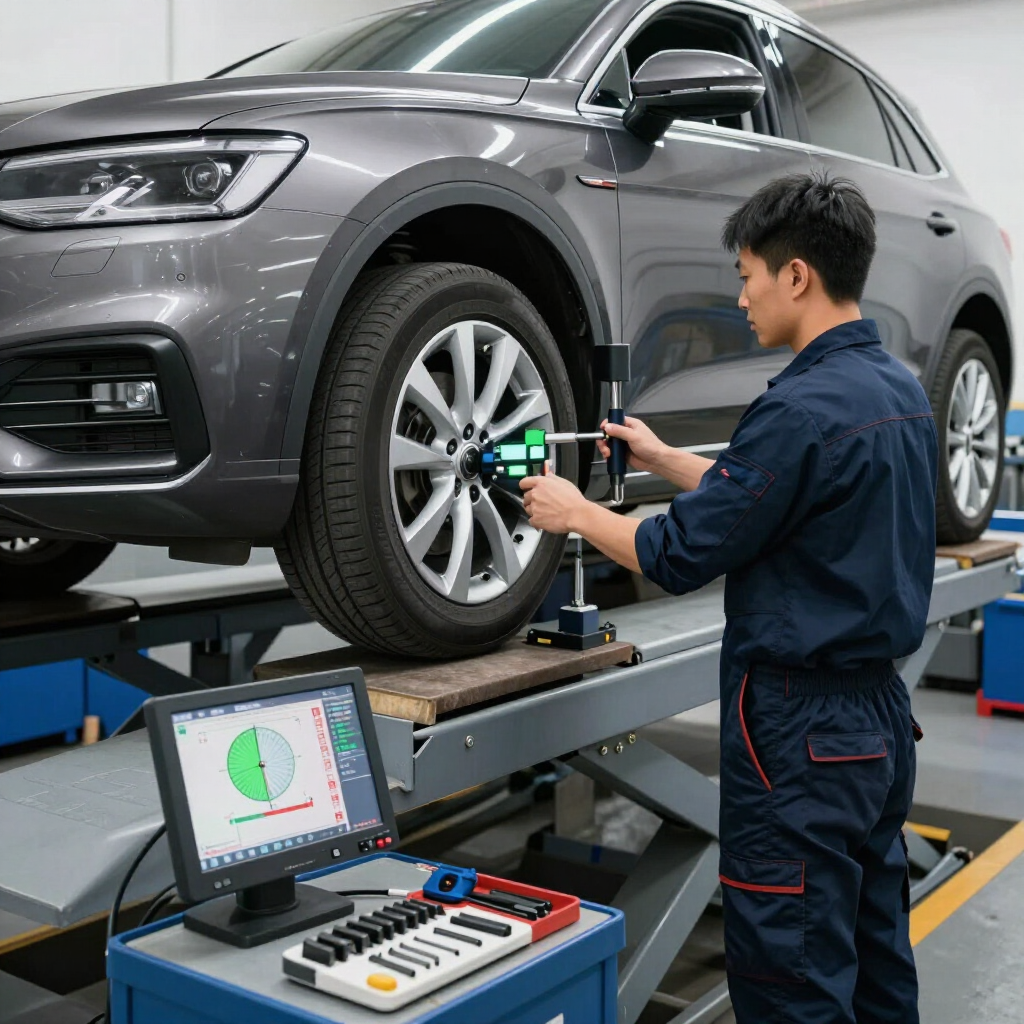
If your route crosses colder regions, confirm that the tires meet the conditions you expect. A tire designed for warm-weather use may perform poorly in freezing temperatures. Tire size and load rating also need to match the vehicle, especially when the luggage area is full. We look at unusual wear patterns that point toward alignment or suspension concerns. Replacing a badly worn tire before the trip is more dependable than hoping it will last until January.
2. Check Brake Condition and Pedal Response
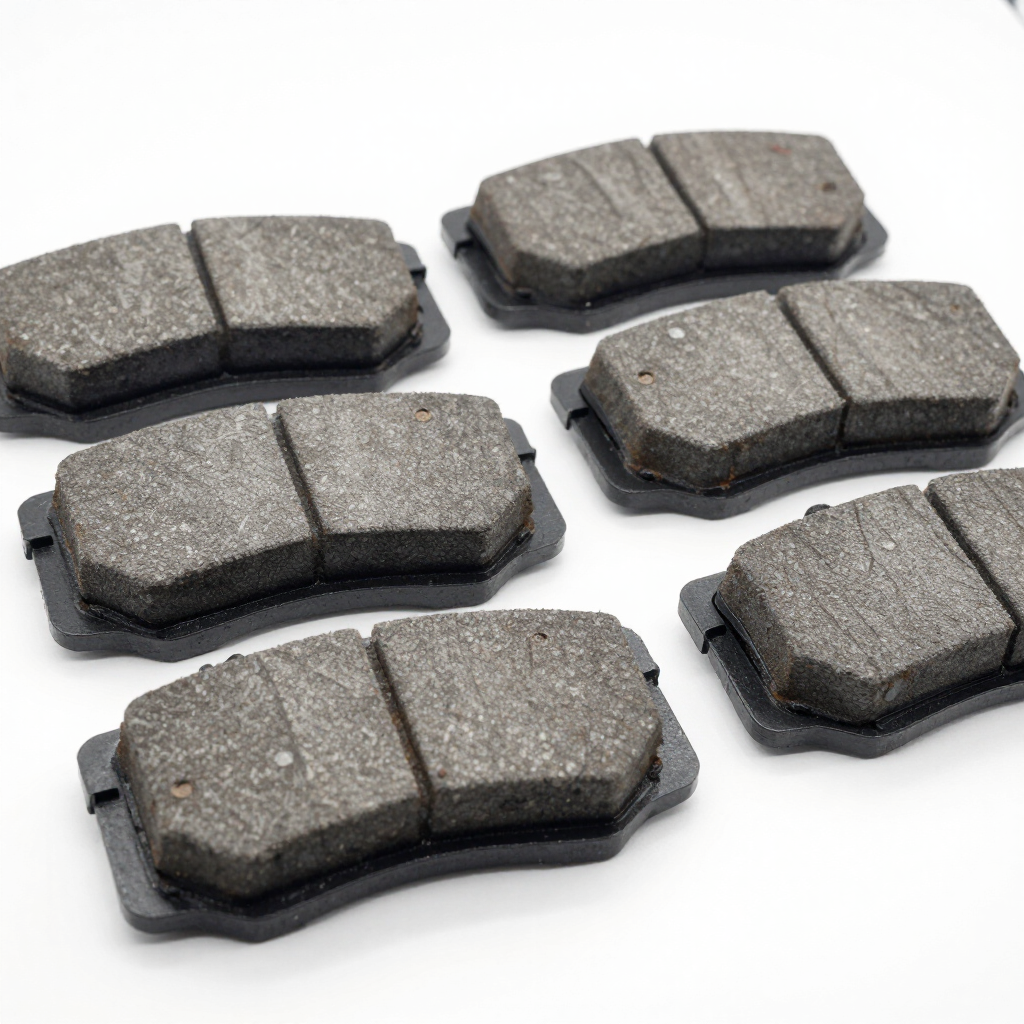
A normal brake pedal should feel consistent, without sinking unusually far or requiring repeated pumping to stop. Grinding, strong pulling, or a red brake warning requires immediate action before highway travel. Brake pads and rotors wear gradually, while fluid leaks and damaged hoses create different risks.
During an inspection, we evaluate the relevant brake components and explain any measured wear or hydraulic concerns. A long drive with a loaded vehicle and repeated stops makes reliable braking especially important. Don't assume squeaking always means the pads need replacement, since hardware or debris also creates noise. The correct repair follows the cause. Brake fluid service intervals depend on the manufacturer, and a holiday trip doesn't automatically create a new universal schedule.
3. Review Engine Oil, Coolant, and Fluid Leaks
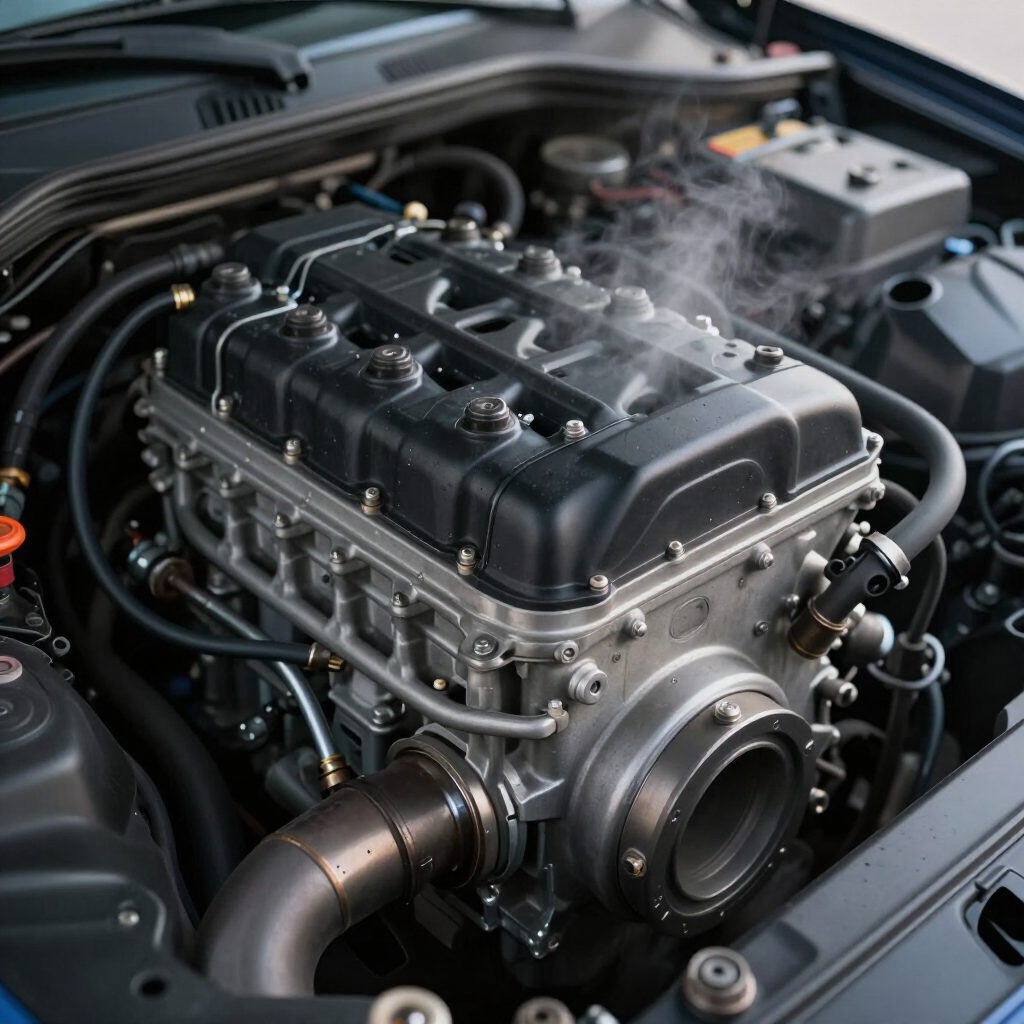
Check engine oil using the method in the owner's manual, including the correct level range and temperature conditions where specified. If the engine consumes oil, carry the approved product for safe top-offs when needed. Inspect visible coolant level only when the system is cool. Never open a hot radiator or reservoir cap. Coolant protects against overheating and freezing, and its specification depends on the engine.
Fresh fluid spots, a burning smell, or repeated low-level warnings need evaluation before departure. Transmission and other driveline fluids may have separate service requirements, but not every unit uses a dipstick or permits casual topping off. We review scheduled maintenance and investigate active leaks. A fluid change won't repair a damaged seal, and pouring in an unknown product may create new trouble. Correct levels, compatible fluids, and an identified leak source are more valuable than an indiscriminate flush.
4. Test the Battery and Charging System
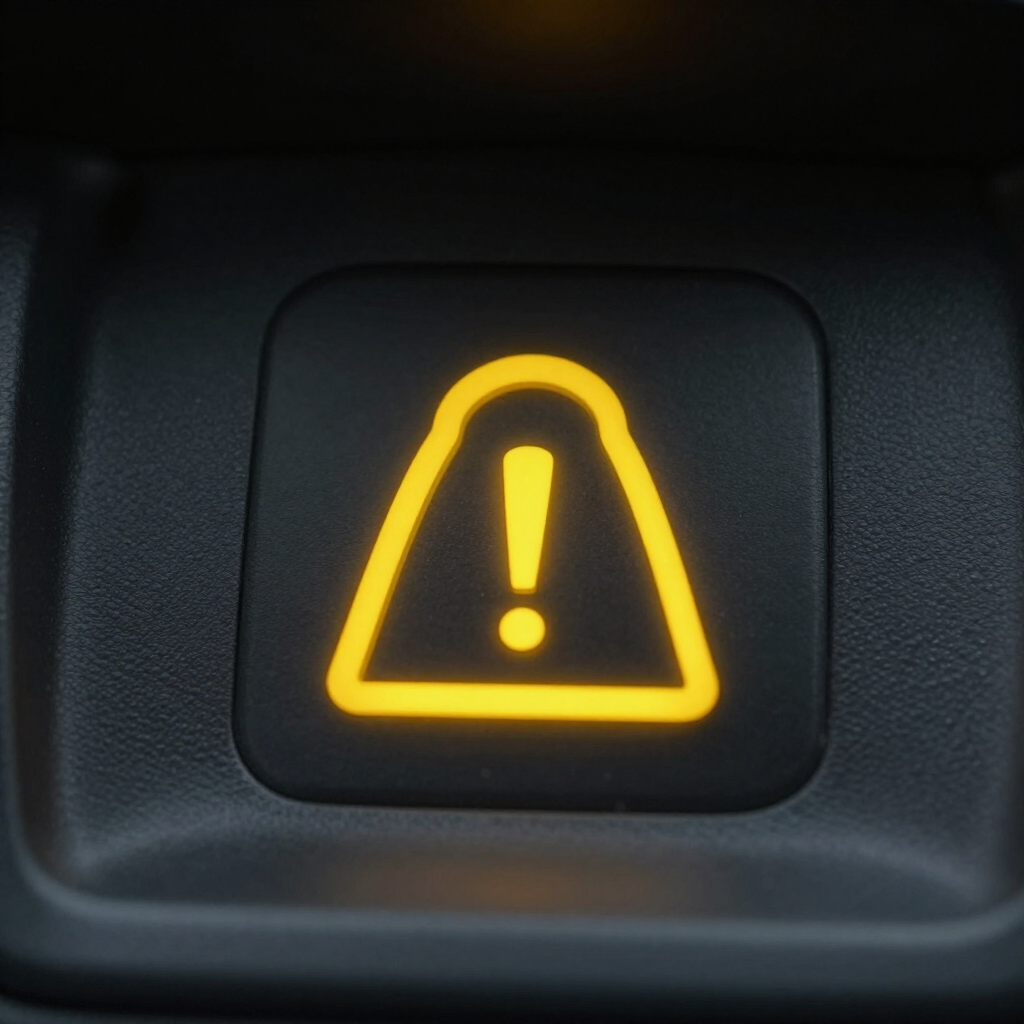
A battery that barely starts the car at home may struggle after an overnight stop in colder weather. Battery age, state of charge, terminal condition, and starting demand influence reliability. The alternator and charging controls also need to replenish energy during the trip. A new battery won't solve a failing alternator or a corroded cable. Slow cranking and a battery-shaped warning while driving point to different diagnostic questions.
Before a long drive, have questionable starting performance evaluated. We check battery condition and relevant electrical connections, then investigate charging concerns when the symptoms support it. Carrying jumper cables doesn't eliminate the need to repair an unreliable starting system. If the charging warning appears while driving, don't assume the vehicle will make it to the next hotel on stored battery energy alone.
5. Make Sure Lights, Wipers, and Glass Are Ready
Shorter daylight hours and unpredictable holiday weather increase the value of clear visibility. Test headlights, turn signals, brake lights, and other required exterior lighting. Inspect wiper blades for streaking, splitting, or skipping, and refill the washer reservoir with a product rated for the temperatures on your route. Clean the windshield inside and out because a dirty interior surface increases glare during night driving.
A cloudy headlamp lens or misdirected beam reduces visibility even when the bulb works. We inspect visible lighting concerns and the causes of wiper or washer faults. Don't drive with a windshield that won't clear in rain or fog. If the route includes freezing weather, plan for ice removal before departure and keep washer equipment compatible with those conditions. Good lighting helps you see hazards and makes your vehicle easier for others to notice.
6. Confirm Heating, Defogging, and Cabin Comfort
The cabin heater is not just for comfort on a winter drive. The windshield defogging system helps maintain visibility when occupants, wet clothing, and outside temperatures create condensation. Many vehicles use air conditioning to remove moisture during defogging, so an A/C fault can affect visibility even in December. A clogged cabin filter or weak blower also reduces airflow across the glass.
Test the system before the first cold morning on the road. Make sure air reaches the windshield vents, temperature controls respond, and the windows clear normally. If the windshield keeps fogging despite correct operation, an inspection can address ventilation, moisture intrusion, or other concerns. Keep the cabin reasonably dry, and never sacrifice a clear view to maintain a warmer temperature.
7. Pack Roadside Supplies and Plan the Stops
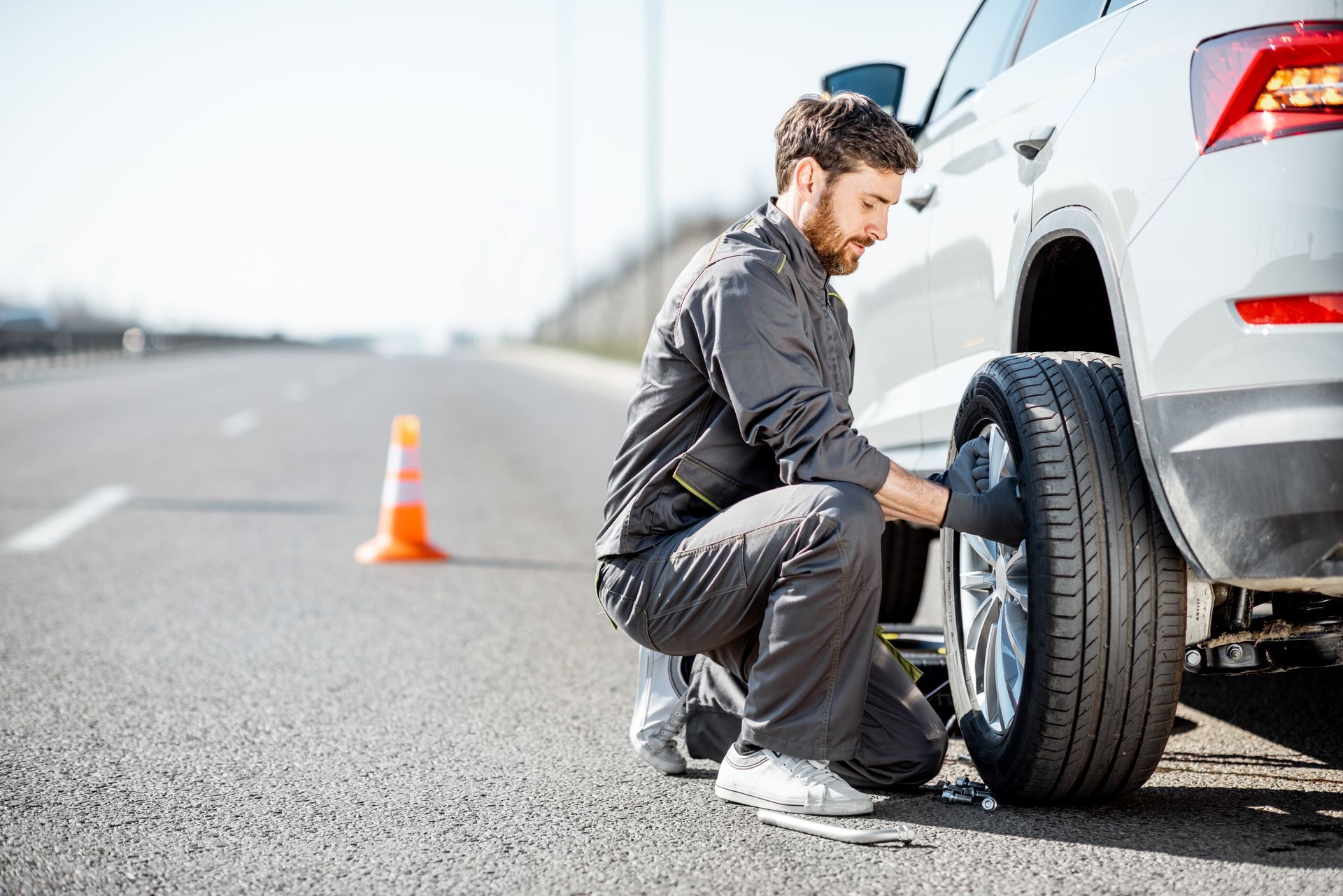
A roadside kit doesn't replace vehicle maintenance, but it helps when plans change. Choose supplies for the route, weather, passengers, and vehicle. Make sure the jack and tire tools, if provided, are complete and that you know the vehicle's approved lifting points. Electric vehicles, some newer cars, and vehicles without a spare may use different tire repair arrangements. Know the limitations before leaving.
Consider carrying:
- Phone charger and reliable emergency contact information
- Flashlight and reflective warning equipment
- Drinking water, warm clothing, and blankets
- Tire repair equipment supplied for your vehicle
- Required medications and basic first-aid supplies
Allow realistic rest stops and don't continue driving when you're drowsy. Before leaving Houston, review the forecast along the full route, not just at home. Check for active recalls or overdue service and arrange an inspection when concerns appear. The strongest Christmas travel plan combines a mechanically dependable car with enough time to stop, rest, and respond safely if conditions change.
Related: read our guide to how much brake repair costs in Houston.
Get Christmas Travel Vehicle Inspection in Houston, TX, With Apex Automotive Care
Apex Automotive Care in Houston, TX helps drivers review tires, brakes, fluids, battery condition, lights, and pre-trip maintenance. We explain the inspection findings and the recommendations supported by the vehicle's condition.
Call
Apex Automotive Care
or schedule an appointment online.