Why Does My Car Stall at Stoplights? Common Causes & Repairs
You're driving through Houston traffic when you approach a red light. You press the brake pedal, come to a complete stop, and suddenly your engine shuts off.
Maybe the dashboard warning lights come on. Perhaps the engine begins shaking before it stalls. Sometimes the car starts again immediately, while other times you have to turn the key or press the start button several times.
This can be frustrating and potentially dangerous, especially when you're sitting at a busy intersection.
So, why does your car stall at stoplights?
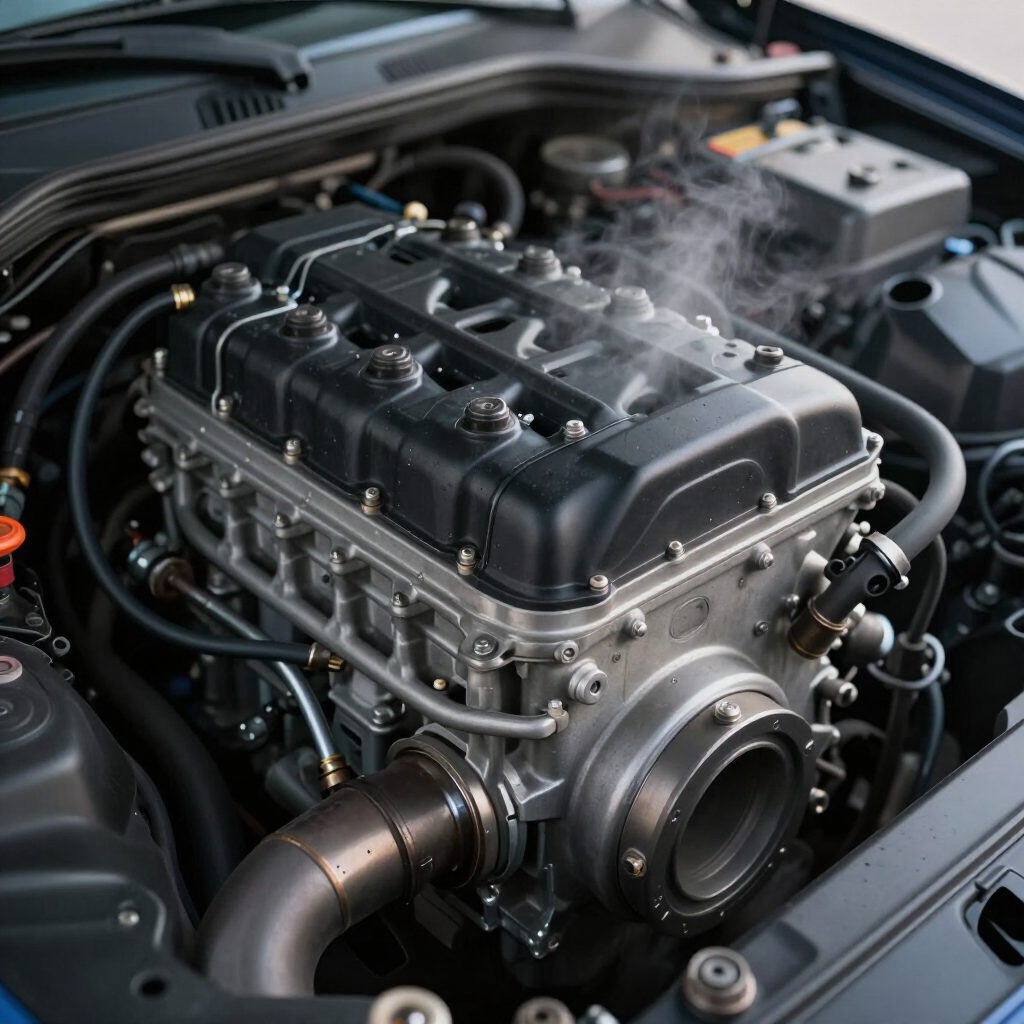
Common causes include a dirty or malfunctioning throttle body, vacuum leaks, fuel delivery problems, ignition system faults, failing engine sensors, idle-control problems, and certain transmission issues.
Sometimes the engine stalls because it cannot maintain the correct idle speed. Other times, the problem involves fuel pressure, electrical power, or the transmission placing too much load on the engine.
Not every stalling problem requires major engine repairs. However, an engine that unexpectedly shuts off should be inspected because it can create a serious safety concern.
At Apex Automotive Care, we help drivers throughout Houston, Southwest Houston, Westchase, Bellaire, Meyerland, Stafford, Sugar Land, and Missouri City diagnose engine stalling and performance problems.
If the symptom keeps coming back, our engine diagnostics can help find the cause instead of guessing at parts.
What Does It Mean When Your Car Stalls at a Stoplight?
Engine stalling happens when the engine unexpectedly stops running.
When you're driving, the engine produces power while operating at different speeds.
As you approach a stoplight, the engine returns to idle.
At idle, the engine must continue running at a relatively low speed while maintaining the correct air-fuel mixture and compensating for electrical and accessory loads.
If something interferes with this process, the engine may shut off.
Common symptoms include:
- Engine RPM dropping unusually low
- Engine shaking before stopping
- Vehicle stalling at red lights
- Engine shutting off when braking
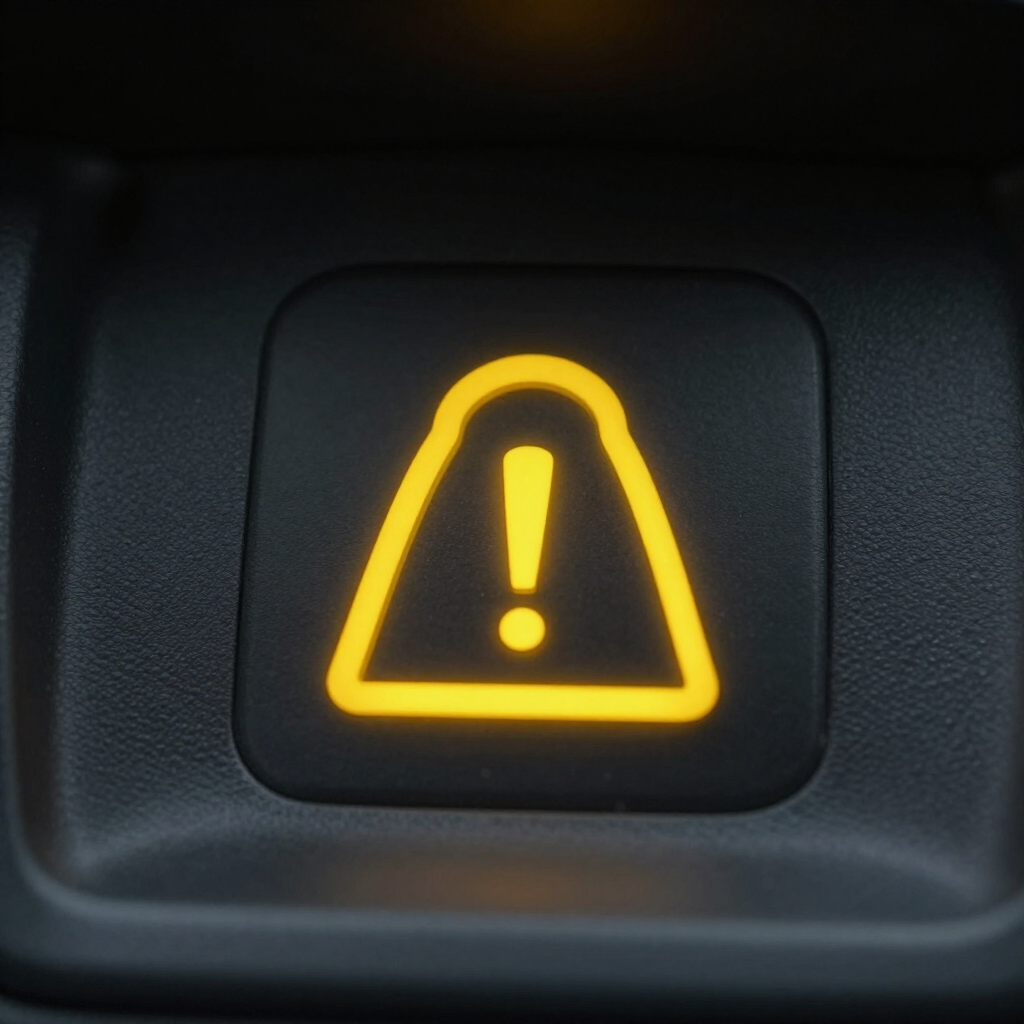
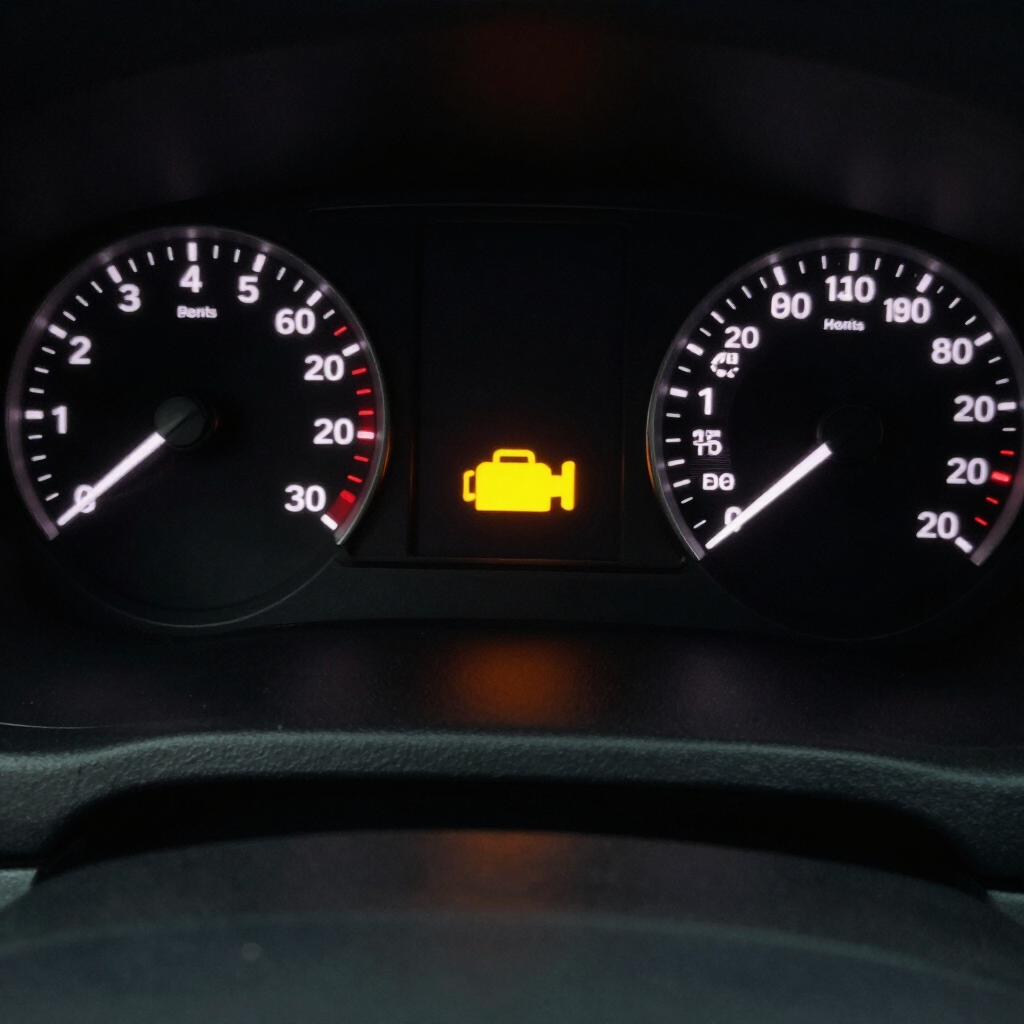
- Dashboard warning lights illuminating
- Engine restarting after several attempts
- Rough idle before stalling
- Vehicle stalling when the A/C is running
- Engine shutting off when shifting into Drive
- Intermittent stalling in traffic
The exact symptoms can help identify which vehicle system may be responsible.
Is It Normal for a Car to Shut Off at Stoplights?
Some modern vehicles have automatic engine stop-start systems.
These systems intentionally shut off the engine under certain conditions, such as when the vehicle is stopped with the brake pedal pressed.
The engine then restarts automatically when the driver releases the brake or requests acceleration.
Normal automatic stop-start operation is different from an engine stall.
If your vehicle has this feature, an engine shutdown at a stoplight may be normal.
However, if the engine fails to restart, shuts off unexpectedly, displays warning messages, or operates differently from its normal stop-start behavior, the system should be inspected.
If your vehicle doesn't have automatic stop-start technology and the engine shuts off unexpectedly at traffic lights, that isn't normal operation.
10 Common Reasons Your Car Stalls at Stoplights
Several different problems can cause an engine to shut off when the vehicle slows down or stops.
1. Dirty or Malfunctioning Throttle Body
The throttle body controls airflow into many gasoline engines.
When you release the accelerator and come to a stop, the engine management system must maintain enough airflow to keep the engine running.
Carbon deposits, throttle-control faults, or other airflow problems can sometimes interfere with this process.
You may notice the engine RPM dropping, rough idling, or stalling when approaching a stop.
Some vehicles may also hesitate when accelerating from a stop.
A throttle body inspection can help determine whether cleaning, electrical testing, or another repair is appropriate.
However, a stalling engine doesn't automatically mean the throttle body needs cleaning.
2. Vacuum Leaks
A vacuum leak can allow unwanted air into the engine.
This can interfere with the air-fuel mixture, particularly at idle.
Because the engine operates at a relatively low speed when stopped, certain vacuum leaks can have a noticeable effect on idle quality.
Possible symptoms include rough idle, fluctuating RPMs, hesitation, and stalling.
Vacuum leaks may develop in intake hoses, gaskets, PCV system components, or other connections.
Some leaks require specialized testing to locate.
3. Fuel Pump or Fuel Pressure Problems
Your engine requires adequate fuel pressure and delivery to continue running.
If the fuel system cannot maintain the correct fuel supply, the engine may stall.
Possible causes include a failing fuel pump, fuel pressure regulation problems, restrictions, or electrical faults affecting fuel delivery.
Fuel-related stalling may occur at idle, during acceleration, or while driving.
A technician may need to evaluate fuel pressure and delivery under the conditions that reproduce the problem.
4. Faulty Idle Air Control System
Some vehicles use a separate idle air control valve to regulate airflow when the engine is idling.
If this component becomes restricted or malfunctions, the engine may struggle to maintain the correct idle speed.
Many newer vehicles instead manage idle airflow through electronic throttle control.
Because vehicle designs differ, not every car has a separate idle air control valve.
The correct diagnostic approach depends on the system installed in your vehicle.
5. Crankshaft Position Sensor Problems
The crankshaft position sensor provides information about crankshaft position and speed.
The engine computer uses this information for important engine-control functions.
If the sensor or its electrical circuit develops a problem, the engine may stall or fail to restart.
Some sensor-related problems occur intermittently, making them difficult to identify.
You may notice the engine shutting off unexpectedly and restarting after sitting for several minutes.
However, these symptoms don't automatically prove the crankshaft position sensor is defective.
Proper testing is necessary.
6. Ignition System Problems
Gasoline engines depend on reliable ignition to continue running.
If spark plugs, ignition coils, wiring, or related components malfunction, the engine may misfire.
Severe misfires can cause rough running and potentially lead to stalling.
You may notice the vehicle shaking before the engine shuts off.
Ignition problems may also cause hesitation, poor acceleration, and check engine light illumination.
For additional information about engine misfires, read our related guide:
Engine Misfire Codes Explained: P0300–P0308
7. Mass Airflow or Other Engine Sensor Problems
Modern vehicles use several sensors to help regulate engine operation.
Depending on the vehicle, these may include mass airflow sensors, manifold pressure sensors, oxygen sensors, and engine temperature sensors.
If a sensor provides inaccurate information, the engine computer may calculate an incorrect fuel mixture or respond improperly to changing operating conditions.
This can contribute to rough idle, hesitation, or stalling.
However, replacing a sensor simply because a trouble code mentions it isn't always the correct repair.
A technician should evaluate the sensor, wiring, and related systems.
8. Exhaust Gas Recirculation Problems
Some vehicles use an exhaust gas recirculation system to help reduce emissions.
If an EGR valve becomes stuck open when it should be closed, it can interfere with combustion stability.
This may cause rough idling, hesitation, or stalling.
EGR-related symptoms depend on the vehicle and system design.
Professional testing is needed to determine whether the EGR system is contributing to the problem.
9. Transmission Torque Converter Problems
Not every stalling problem originates inside the engine.
On certain automatic-transmission vehicles, a torque converter clutch that remains engaged when the vehicle slows down can cause the engine to stall.
This can feel similar to stopping a manual-transmission vehicle without disengaging the clutch.
You may notice the engine shutting off as you approach a complete stop.
Some vehicles may also experience unusual transmission behavior or shuddering before the stall.
However, stalling at stoplights doesn't automatically mean the transmission needs replacement.
The engine and transmission systems should be evaluated before recommending major repairs.
10. Electrical or Charging-System Problems
Modern engines depend on stable electrical power.
Ignition systems, fuel injectors, sensors, and control modules require electrical power to operate correctly.
If the vehicle experiences a serious electrical or charging-system problem, engine operation may be affected.
Possible causes include poor electrical connections, charging-system faults, damaged wiring, or control-circuit problems.
If your vehicle stalls and also experiences dimming lights or unusual electrical behavior, tell the technician.
Electrical testing may help identify the cause.
Why Does My Car Stall When I Press the Brake?
Some drivers notice that their engine shuts off specifically when they press the brake pedal.
This can happen because the engine is transitioning from driving speed to idle.
However, certain problems may be associated with braking itself.
One possibility is a vacuum leak involving the brake booster or related components on vehicles equipped with vacuum-assisted brakes.
A significant vacuum leak can affect engine operation.
Another possibility is a transmission torque converter clutch that fails to release properly as the vehicle slows.
Engine idle-control problems may also become noticeable during deceleration.
If the brake pedal becomes unusually hard, braking performance changes, or you hear a persistent hissing noise near the brake pedal, have the vehicle inspected promptly.
Do not continue driving if braking performance is compromised.
Why Does My Car Stall When I Stop but Start Right Back Up?
A vehicle that stalls and immediately restarts may have an intermittent problem.
Possible causes include idle-control issues, throttle body problems, electrical faults, sensor problems, or fuel delivery issues.
The ability to restart doesn't necessarily mean the vehicle is safe to continue driving.
If the underlying problem remains, the engine may stall again at another intersection.
Pay attention to whether the engine restarts immediately or requires several attempts.
That information can help guide diagnosis.
Why Does My Car Stall at Stoplights When the A/C Is On?
Your vehicle's air-conditioning system places an additional load on the engine when the compressor is operating.
Modern engine management systems are designed to compensate for this load.
However, an existing idle-control problem may become more noticeable when the A/C is running.
Possible causes include throttle-control problems, air intake issues, ignition faults, or problems involving the A/C compressor or its operation.
If your car idles normally with the A/C off but struggles or stalls when the A/C is turned on, tell the technician.
The engine and A/C systems may need to be evaluated together.
Why Does My Car Stall When I Put It in Drive?
If your engine runs normally in Park but stalls when you shift into Drive, the additional load from the transmission may be contributing to the problem.
Possible causes include engine idle-control issues, combustion problems, or transmission-related faults.
Some vehicles may also stall when shifting into Reverse.
The diagnostic process should determine whether the engine cannot maintain idle under load or whether a transmission component is creating an abnormal load.
Why Does My Car Stall Only When the Engine Is Warm?
Some stalling problems occur only after the engine reaches operating temperature.
Heat-sensitive electrical components, sensors, ignition components, and fuel-system problems can sometimes malfunction when warm.
You may notice that the vehicle starts normally in the morning but begins stalling after driving for 20 or 30 minutes.
If this happens, tell the repair shop exactly when the symptoms occur.
The technician may need to reproduce the problem with the engine fully warmed up.
Why Does My Car Stall Without a Check Engine Light?
A vehicle can stall without immediately triggering a check engine light.
Some faults are intermittent or may not meet the conditions required to illuminate a warning.
Possible causes include electrical connection problems, certain fuel delivery issues, idle-control faults, or mechanical problems.
A missing warning light doesn't mean the vehicle is operating correctly.
Also, if the battery and oil pressure warning lights illuminate after the engine has stalled, that can be a normal result of the engine no longer running.
Those lights don't necessarily mean the battery or oil pump caused the stall.
The circumstances and timing of the warning lights matter.
Why Does My Car Stall and Then Refuse to Start?
If your vehicle stalls and won't restart, the problem may involve fuel delivery, ignition, engine sensors, electrical power, or another system.
The first step is determining whether the engine cranks.
If the starter turns the engine normally but the engine won't run, diagnosis may focus on fuel, ignition, sensor signals, or mechanical conditions.
If the engine doesn't crank at all, the battery, starter, electrical connections, or starting-control system may need evaluation.
For more information, read:
Why Won't My Car Start but the Lights Work?
Is It Safe to Drive a Car That Stalls at Stoplights?
Repeated unexpected engine stalling should be treated as a safety concern.
A vehicle that stalls at an intersection may leave you unable to accelerate when traffic begins moving.
Depending on the vehicle, engine shutdown can also reduce power assistance for steering and braking.
This may make the steering wheel harder to turn or require greater brake pedal effort.
If your vehicle stalls unexpectedly, avoid continuing to drive it until the cause has been identified.
If the vehicle cannot operate safely, arrange towing.
What Should I Do If My Car Stalls in Traffic?
If your engine shuts off while you're driving, focus on maintaining control of the vehicle.
Turn on your hazard lights and steer toward a safe location away from traffic when possible.
Be prepared for changes in steering or braking assistance.
Once safely stopped, secure the vehicle and arrange roadside assistance.
If you're stranded in an active traffic lane or another dangerous location, contact emergency services.
Don't repeatedly attempt to restart the engine while ignoring surrounding traffic.
For additional roadside safety guidance, see Consumer Reports: What to Do When Your Car Stalls.
Can Stalling Damage My Engine?
Stalling itself doesn't automatically cause engine damage.
However, the underlying problem may have consequences.
For example, repeated severe misfires can damage the catalytic converter.
A mechanical problem that causes the engine to stall may worsen with continued operation.
Electrical or fuel-system problems may also leave you stranded.
The biggest immediate concern with unexpected stalling is often vehicle safety and reliability.
That's why the cause should be diagnosed promptly.
How Do Mechanics Diagnose a Car That Stalls at Stoplights?
Proper diagnosis begins with understanding exactly when the engine shuts off.
A technician may ask whether the vehicle stalls when braking, when the A/C is running, after warming up, or when shifting into gear.
The technician may also ask whether the engine shakes before stalling or shuts off suddenly without warning.
Depending on the symptoms, testing may include several areas.
Diagnostic Trouble Code Scan
A scan tool can retrieve stored and pending trouble codes.
Relevant engine data may also help identify unusual operating conditions.
However, a trouble code doesn't automatically identify the failed component.
Throttle and Idle-Control Testing
The technician may evaluate throttle operation, idle-control behavior, and the engine's response to changing loads.
Air Intake and Vacuum Leak Testing
The intake system may be inspected for unwanted air entering the engine.
Fuel Pressure Testing
Fuel pressure and delivery may be evaluated when symptoms suggest a fuel-system problem.
Ignition System Testing
Spark plugs, ignition coils, and related components may need inspection if the engine is misfiring before stalling.
Electrical and Sensor Testing
The technician may evaluate relevant sensor signals, wiring, charging voltage, and electrical connections.
Transmission Evaluation
If the engine stalls primarily when slowing to a stop or shifting into gear, transmission operation may need investigation.
The goal is to identify why the engine stalls before recommending repairs.
How Much Does It Cost to Fix a Car That Stalls at Stoplights?
The repair cost depends on the actual cause.
For example, repairing an intake leak is different from replacing a fuel pump, diagnosing an electrical fault, or repairing a transmission-related problem.
Factors affecting cost include the vehicle's make and model, diagnostic requirements, parts, labor, and the extent of the failure.
An accurate estimate requires identifying the underlying problem.
Replacing several components without proper testing can result in unnecessary expenses.
Can Regular Maintenance Help Prevent Engine Stalling?
Routine maintenance can help reduce the risk of certain engine performance problems.
Following manufacturer recommendations for spark plugs, filters, fluids, and other maintenance items helps keep vehicle systems operating as intended.
Addressing warning lights, rough idle, and hesitation promptly may also help identify problems before they result in unexpected stalling.
However, maintenance cannot prevent every sensor, electrical, or mechanical failure.
For more information, visit our General Vehicle Maintenance and Factory Scheduled Maintenance service pages.
Why Engine Stalling Matters for Houston Drivers
Houston traffic can make an unexpected engine stall particularly stressful.
Drivers regularly encounter congested intersections, extended idling, stop-and-go traffic, and long commutes.
A vehicle that stalls while waiting at a red light can create a dangerous situation when traffic begins moving.
The problem may be especially concerning when turning across traffic or entering busy roads.
If your vehicle has begun shutting off unexpectedly, don't assume it's simply reacting to Houston's hot weather or heavy traffic.
Have the underlying cause identified.
Car Stalling Repair Near Westchase
Drivers in Westchase experiencing engine stalling at red lights, rough idle, or unexpected shutdowns can schedule engine diagnostics at Apex Automotive Care.
Our team can evaluate engine performance, fuel delivery, electrical systems, and related components.
Car Stalling Repair Near Bellaire
If you're in Bellaire and your vehicle shuts off when approaching a stoplight, the problem may involve idle control, fuel delivery, sensors, or another system.
Proper diagnosis helps determine the necessary repair.
Car Stalling Repair Near Meyerland
Drivers in Meyerland experiencing intermittent engine stalling should have their vehicles inspected before the problem leaves them stranded.
Pay attention to whether the engine stalls when braking, idling, or shifting into gear.
Car Stalling Repair Near Stafford
If your car stalls during your commute from Stafford, avoid assuming the problem is harmless because the engine restarts.
Intermittent stalling can create safety concerns in heavy traffic.
Car Stalling Repair Near Sugar Land
Drivers in Sugar Land experiencing engine shutdowns, rough idle, or stalling at intersections can schedule a diagnostic inspection.
Testing can help determine whether the cause involves the engine, electrical system, fuel delivery, or transmission.
Car Stalling Repair Near Missouri City
If you're in Missouri City and your vehicle repeatedly stalls at stoplights, Apex Automotive Care can help identify the underlying cause.
An accurate diagnosis is important before replacing components.
Related: read our guide to why a car runs rough.
Engine Stalling Diagnostics in Southwest Houston
Apex Automotive Care provides engine diagnostics and automotive repair for drivers throughout Southwest Houston.
Our shop is located at:
Apex Automotive Care
7050 Southwest Freeway
Houston, TX 77074
We serve Southwest Houston, Westchase, Bellaire, Meyerland, Stafford, Sugar Land, Missouri City, and surrounding communities.
Frequently Asked Questions About Cars Stalling at Stoplights
Why does my car stall every time I stop?
Possible causes include throttle-control problems, vacuum leaks, fuel delivery issues, ignition faults, engine sensor problems, or transmission-related issues. Diagnosis is necessary to determine the cause.
Why does my car stall when I press the brake?
The engine may struggle to maintain idle as the vehicle slows. Vacuum-assisted brake booster problems, idle-control faults, or transmission torque converter issues may also contribute.
Can a dirty throttle body cause stalling?
Yes. Carbon buildup or throttle-control problems can sometimes interfere with airflow and idle stability.
Can bad spark plugs cause my car to stall?
Yes. Worn or damaged spark plugs can cause engine misfires. Severe misfires may contribute to stalling.
Can a bad fuel pump cause stalling at stoplights?
Yes. A fuel pump or fuel pressure problem can prevent the engine from receiving the fuel it needs to continue running.
Why does my car stall but start right back up?
Intermittent sensor, electrical, fuel delivery, or idle-control problems may cause this behavior. Restarting doesn't necessarily mean the problem has been resolved.
Why does my car stall when the A/C is on?
The A/C adds load to the engine. Idle-control problems, ignition faults, airflow issues, or A/C-related mechanical problems may cause the engine to struggle.
Can a bad alternator cause my car to stall?
Yes. Serious charging-system problems can affect electrical power and engine operation. However, stalling alone doesn't prove alternator failure.
Why does my car stall without a check engine light?
Some intermittent electrical, fuel, or mechanical problems may not immediately trigger a warning light.
Can a transmission problem cause engine stalling?
Yes. On certain automatic-transmission vehicles, a torque converter clutch that fails to release properly can cause the engine to stall when slowing down.
Is it normal for my engine to shut off at a red light?
It may be normal if your vehicle has an automatic stop-start system. Unexpected shutdowns or failures to restart aren't normal and should be investigated.
Is it dangerous to drive a car that stalls?
Yes. Unexpected stalling can leave a vehicle stopped in traffic and may reduce steering or braking assistance, depending on the vehicle.
Does engine stalling mean I need a new engine?
Not necessarily. Many stalling problems involve repairable fuel, ignition, air intake, electrical, or control-system components.
How much does it cost to repair a stalling car?
The cost depends on the underlying cause, vehicle design, parts, labor, and diagnostic requirements.
Where can I get engine stalling diagnosed in Houston?
Apex Automotive Care provides engine diagnostics and automotive repair at 7050 Southwest Freeway, Houston, TX 77074.
Don't Ignore a Car That Stalls at Stoplights
If you're asking “Why does my car stall at stoplights?”, the most important step is determining why the engine cannot continue running when the vehicle slows down or stops.
Possible causes include throttle-control problems, vacuum leaks, fuel pump issues, ignition faults, sensor problems, electrical failures, or transmission-related problems.
An engine that stalls doesn't automatically need replacement.
However, unexpected stalling can create a serious safety concern, especially in Houston traffic.
At Apex Automotive Care, our team can inspect your vehicle, diagnose engine stalling problems, and recommend the appropriate repairs.
Apex Automotive Care
7050 Southwest Freeway
Houston, TX 77074
Schedule Your Engine Diagnostic Inspection