After a flat, you lift the cargo floor and find a small compressor where the spare wheel used to be. Nothing is missing by accident. Many vehicles leave the factory with a different plan for handling a puncture, and the driver may not discover it until the tire is already flat.
Weight, cargo space, packaging, and manufacturing cost all influence that choice. The problem for an owner is knowing what the substitute can handle before a damaged tire leaves the car stopped somewhere inconvenient.
See our
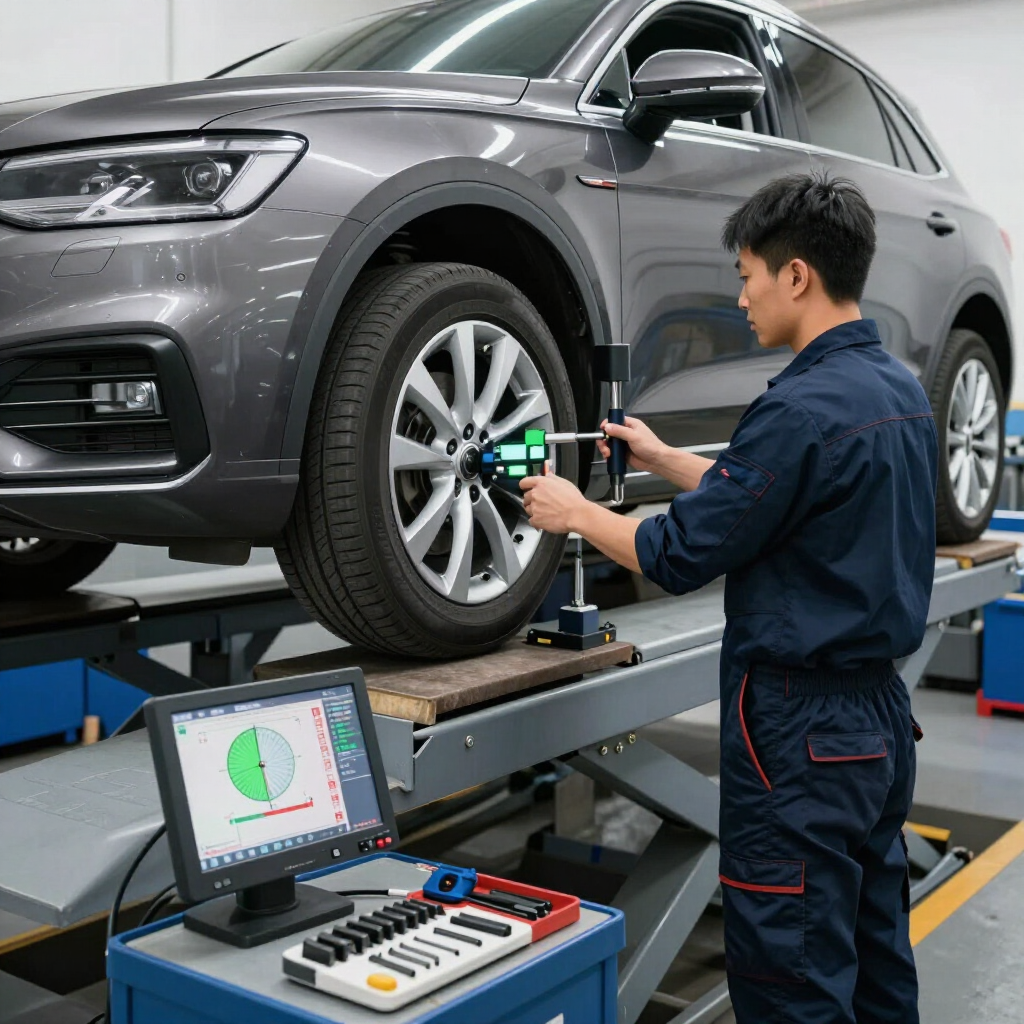
tire services for tire repair, balancing, rotation and inspection.
A Spare Wheel Takes Up Space and Adds Weight
A full-size spare needs a wheel, tire, mounting space, and equipment for changing it. Even a compact temporary spare uses room under the cargo floor or elsewhere in the vehicle. Removing it gives designers more freedom for luggage space, seating, exhaust routing, or other equipment.
Reducing weight also helps the vehicle meet overall efficiency targets, though the actual benefit varies. There isn't a single mileage improvement that applies to every car without a spare. The owner's practical tradeoff is clearer: more usable space or less carried weight comes with a different roadside-repair plan.
Sealant and Compressor Kits Handle Limited Tire Damage
A mobility kit typically combines sealant with a compressor. It is intended for certain punctures in the repairable tread area, within the kit's size and operating limits. The instructions explain how to apply it, check pressure, and limit driving afterward.
A torn sidewall, structural bulge, large cut, damaged wheel, or tire that won't retain pressure falls outside what such a kit can fix. A tire damaged by being driven flat may also be unfit for continued use. Carrying sealant doesn't mean every flat becomes a roadside repair you can safely drive away from.
Run-Flat Tires Offer Another Temporary Mobility Plan
Some vehicles use tires designed to support limited driving after pressure loss. Their construction, allowed speed, distance, and load limits vary. The vehicle's instructions and the tire maker's guidance decide what is permitted for the fitted tire.
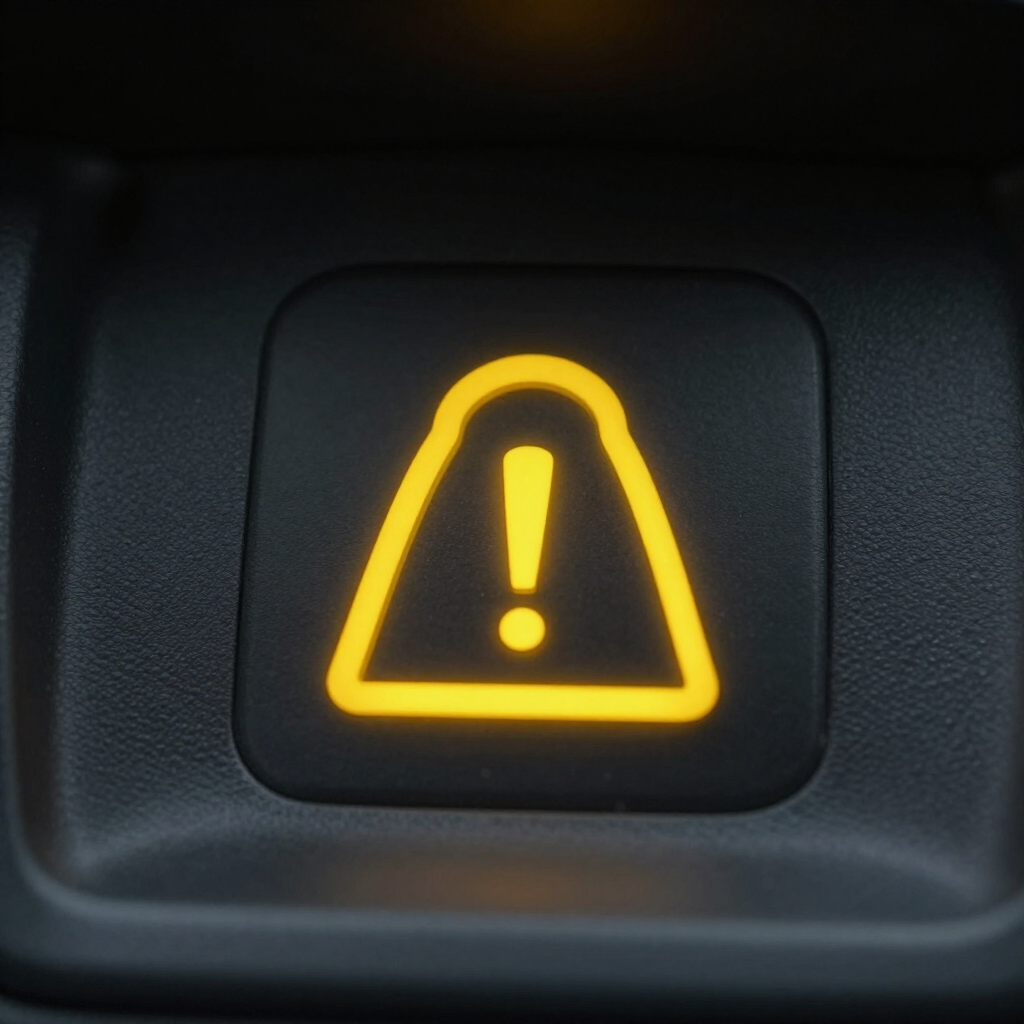
A run-flat isn't permission to keep driving after any kind of damage. Severe vibration, visible structural damage, or a wheel that has struck an obstacle changes the situation. You also need to notice the tire-pressure warning promptly; the stronger sidewall may make a pressure loss less obvious at first.
A Factory Mobility Kit Needs Maintenance Too
The sealant bottle has a service life, and the compressor must work when you need it. A kit that has already been used may be missing supplies for another puncture. Power requirements, hose connections, and storage instructions should be checked before a long trip.
Review these details while the car is safely parked:
- Whether the vehicle has a spare, sealant kit, or run-flat tires
- The sealant expiration date
- The compressor and hose condition
- The kit's puncture and tire-damage limits
- The required speed and distance restrictions
- Roadside-assistance contact details
- The wheel-lock key if locking fasteners are fitted
Read the instructions before an emergency. A dark shoulder beside fast traffic isn't the place to learn which valve connector fits or where the vehicle's approved power outlet is located.
Adding a Spare Tire Requires More Than Matching Diameter
An aftermarket spare has to fit the hub, fasteners, brake clearance, and load requirements. It also needs safe storage and the correct tools. A wheel that bolts on may still hit a brake caliper or be the wrong overall size.
AWD vehicles may have additional matching restrictions because different rolling circumferences affect the driveline. Compact spares also carry their own operating limits. Discuss the exact vehicle before buying a universal-looking spare, and follow the manufacturer's instructions for where and how it can be used.
Tire Damage Still Needs Inspection After a Temporary Repair
Sealant or run-flat operation helps with mobility in permitted circumstances; it doesn't finish the tire repair. The tire needs inspection to determine whether a permanent repair is allowed. Tell the technician which sealant was used and how far the car traveled after pressure was lost.
A proper puncture repair normally requires removing the tire to inspect the inside and address both the puncture channel and inner liner using an approved method. The condition found inside decides whether repair is possible. A puncture that looked small outside may have been followed by damaging low-pressure driving.
Choose Safety Before Attempting a Tire Change
If a flat occurs, make a controlled move to the safest reachable stopping place. An exposed shoulder, soft ground, or unstable jacking point is a reason to request assistance. Having a spare doesn't make every location safe for a change.
Related: read our guide to
what the tire pressure light means.
Get Tire Inspection and Service in Houston, TX, With Apex Automotive Care
Apex Automotive Care in Houston, TX, can check tire condition and help you review the flat-tire equipment your vehicle carries. Bring questions about a replacement kit or spare before your next long drive.
Contact us to schedule tire service or a pre-trip tire inspection.