Is your car leaking oil from the top of the engine?
Have you noticed a burning oil smell after driving, oil around the top of your engine, smoke under the hood, or oil spots where you park?
These symptoms may indicate a valve cover gasket leak.
Your valve cover gasket is designed to keep engine oil sealed inside the engine. Over time, heat, age, engine conditions, and normal wear can cause the gasket to become hard, brittle, compressed, or damaged. Once the seal begins to fail, engine oil can escape around the valve cover.
A small oil leak may not seem like a major problem at first. However, continued oil loss can lead to low engine oil levels, oil contamination around ignition components, engine performance problems, and more expensive repairs.
If you suspect an oil leak, Apex Automotive Care in Houston can inspect your vehicle and help determine where the leak is actually coming from.
What Causes a Valve Cover Gasket to Leak?
Valve cover gaskets spend their lives exposed to engine heat, oil, pressure, and repeated temperature changes. Eventually, these conditions can cause the sealing material to deteriorate.
Here are seven common reasons a valve cover gasket may begin leaking.
1. Age and Repeated Heat Cycles
One of the most common causes of valve cover gasket failure is simply age.
Every time you drive, the engine heats up. After you shut the vehicle off, it cools down again. This repeated expansion and contraction places stress on gaskets and seals.
Over thousands of heat cycles, a gasket can lose its flexibility and become:
- Hard
- Brittle
- Cracked
- Flattened
- Less effective at sealing
Once the gasket can no longer maintain a proper seal, engine oil may begin escaping.
Houston's hot climate can add additional heat exposure to under-hood components, which is another reason regular maintenance and inspections are important.
For routine maintenance, visit Apex Automotive Care's General Vehicle Maintenance service page.
2. High Mileage and Normal Wear
As a vehicle accumulates miles, its rubber seals and gaskets naturally experience more wear.
There isn't one mileage interval that guarantees a valve cover gasket will fail. Some vehicles may go much longer without a problem, while others may develop leaks sooner depending on engine design, driving conditions, maintenance history, and heat exposure.
Instead of replacing a gasket based only on mileage, pay attention to warning signs.
If you see oil around the valve cover, smell burning oil, or notice other signs of an engine oil leak, an inspection can help determine the source.
3. Poor or Inconsistent Oil Maintenance
Engine oil needs to be changed according to the manufacturer's recommended maintenance schedule.
Old or contaminated oil can contribute to deposits and sludge, while neglected maintenance can put additional stress on engine components.
Regular oil changes also give technicians an opportunity to identify leaks and other developing problems before they become more expensive.
Apex Automotive Care provides Oil Change Service in Houston and can help you keep your vehicle's maintenance on schedule.
4. Excessive Engine Heat
Excessive engine temperature can place additional stress on gaskets and seals.
Cooling-system problems can have several causes, including issues involving the radiator, hoses, thermostat, water pump, coolant level, or other components.
If your vehicle is overheating, don't ignore it.
A cooling-system inspection can help identify the cause before excessive heat contributes to additional engine damage.
Apex Automotive Care provides Cooling System Service in Houston for vehicles experiencing overheating or cooling-system concerns.
5. Problems With Crankcase Ventilation
The engine's crankcase ventilation system helps manage pressure and vapors produced inside the engine.
When crankcase pressure becomes excessive, it can contribute to oil being pushed past weakened seals and gaskets.
That means a valve cover leak isn't necessarily just a gasket problem.
A proper inspection should consider whether another engine issue may be contributing to the leak.
This is one reason it is better to diagnose the source of an oil leak rather than simply replacing parts and hoping the leak stops.
6. Improper Installation
A valve cover gasket that was installed incorrectly can develop a leak even if the gasket itself is relatively new.
Potential installation problems include:
- Incorrect tightening sequence
- Incorrect torque
- Damaged sealing surfaces
- Misaligned gasket
- Incorrect sealant application
- Damaged valve cover
- Reusing components that should have been replaced
Valve cover fasteners should be installed according to the manufacturer's specifications.
Simply tightening the bolts more than recommended isn't necessarily a solution and can sometimes cause additional damage.
7. A Cracked or Warped Valve Cover
Not every valve cover leak is caused by the gasket itself.
The valve cover can also become cracked, damaged, or distorted.
If the cover or its sealing surface is damaged, installing a new gasket alone may not permanently solve the leak.
That's why a proper inspection should examine both the gasket and the valve cover.
Common Valve Cover Gasket Leak Symptoms
How can you tell if your vehicle may have a valve cover gasket leak?
Some common warning signs include:
Burning Oil Smell
A burning oil odor after driving can occur when leaking engine oil reaches hot engine or exhaust components.
If you smell burning oil coming from the engine compartment, it's worth having the vehicle inspected.
Oil Around the Valve Cover
Fresh oil around the valve cover may indicate that the gasket is no longer sealing correctly.
However, oil can travel from another location and collect around the valve cover area.
That's why simply seeing oil doesn't always tell you exactly where the leak started.
Oil Spots Under the Vehicle
A small seep can eventually become a larger leak.
If you regularly notice engine oil spots underneath your vehicle after parking, have the leak inspected before the oil loss becomes more serious.
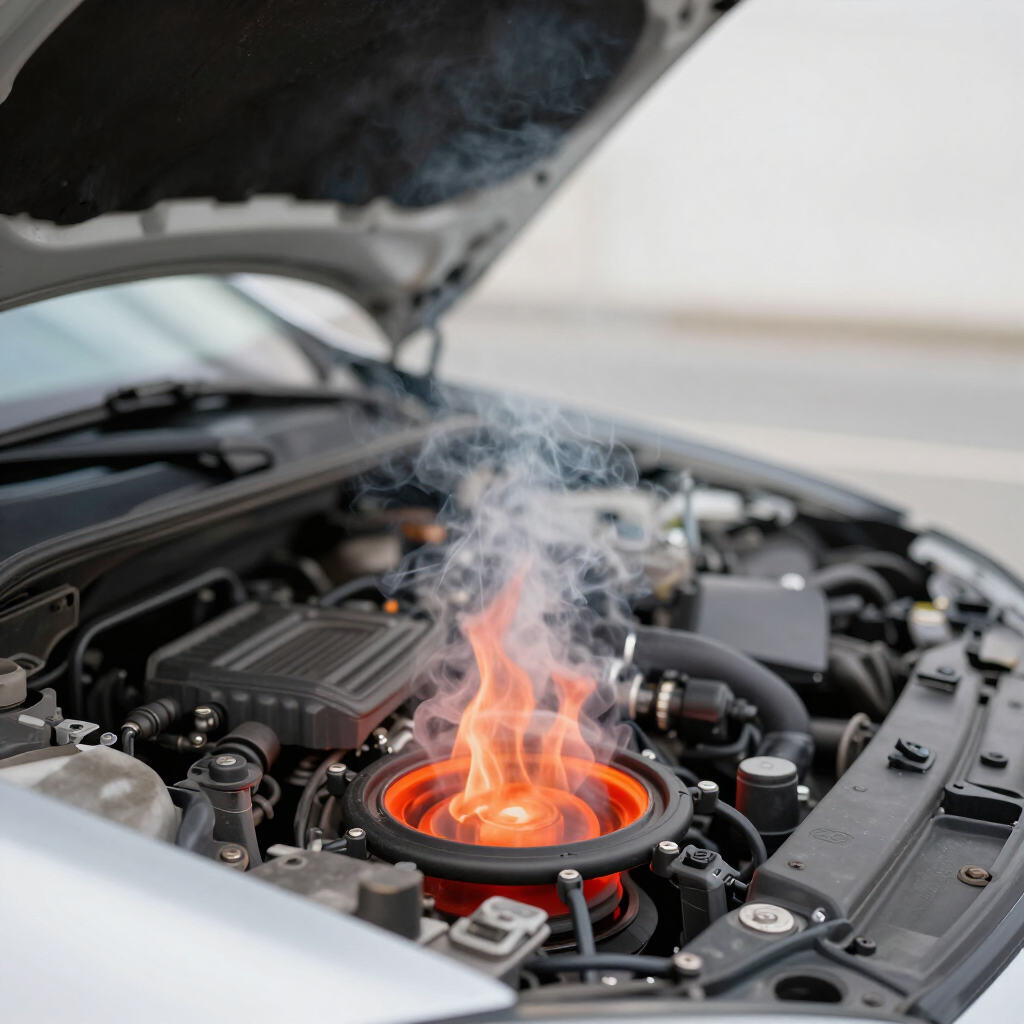
Smoke Under the Hood
Leaking oil that reaches hot engine or exhaust components can create smoke.
If you see smoke coming from the engine compartment, safely stop the vehicle and have the problem evaluated.
Oil Around Spark Plugs or Ignition Components
On some engines, the valve cover design includes sealing areas around the spark plugs.
A failing gasket or related seal can allow oil to enter areas where it shouldn't be, potentially affecting ignition components.
Engine Misfires
Oil contamination around ignition components can contribute to engine performance problems, including misfires on some vehicles.
If your engine is running rough or misfiring, don't automatically assume the valve cover gasket is the cause.
Professional engine diagnostics can help identify the actual problem.
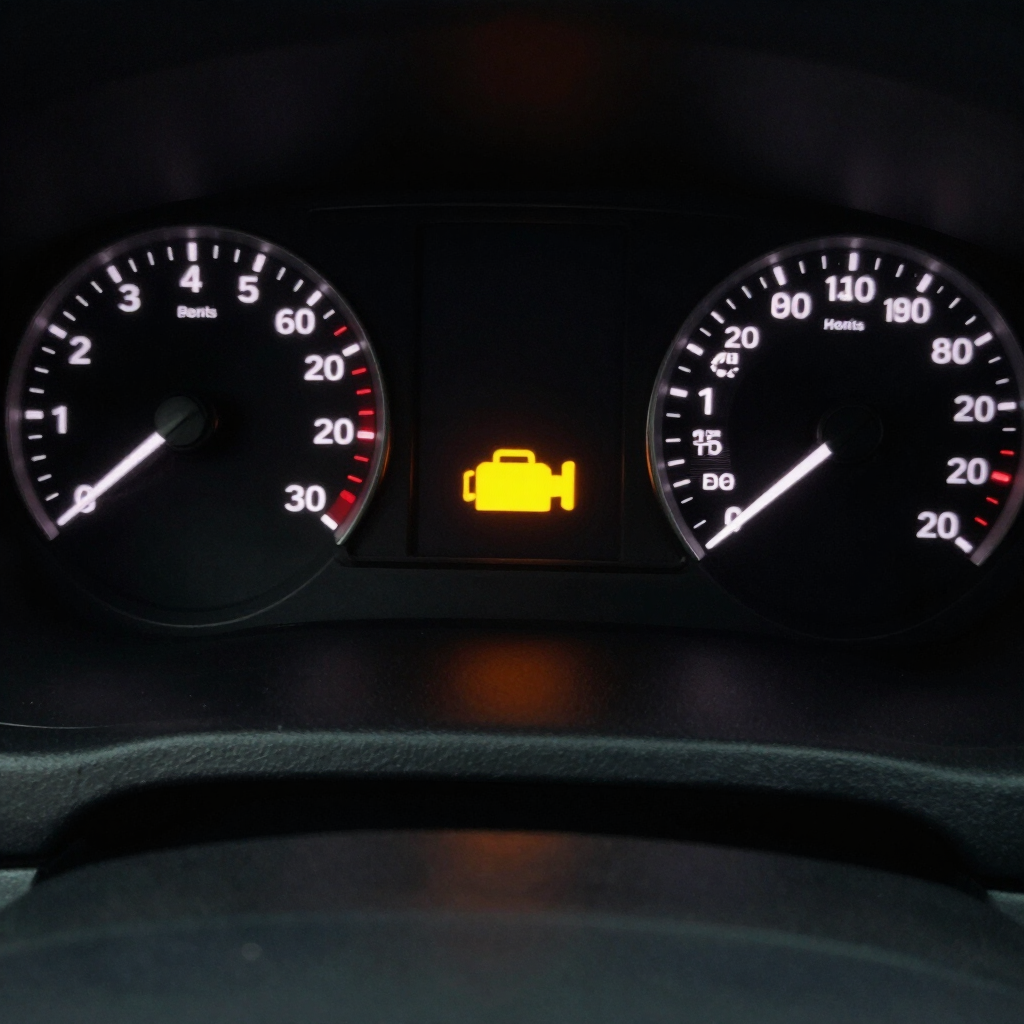
Check Engine Light
An engine misfire or other engine problem may trigger the Check Engine Light.
A diagnostic trouble code can provide useful information, but reading a code alone doesn't always identify the root cause.
Apex Automotive Care provides Engine Diagnostics in Houston using diagnostic equipment to help identify the source of engine-related problems.
Can You Fix a Valve Cover Gasket Without Replacing It?
This is one of the most common questions drivers ask.
If the valve cover gasket has become cracked, brittle, damaged, or permanently compressed, replacing the gasket is generally the appropriate long-term repair.
A gasket is a physical sealing component. Once that material has deteriorated, applying a temporary product over the problem doesn't restore the gasket to its original condition.
In some cases, the leak may not even be coming from the valve cover gasket.
That's why proper diagnosis should come before the repair.
Does Valve Cover Gasket Stop Leak Work?
Drivers searching for a valve cover gasket leak quick fix may come across products that claim to reduce engine oil leaks.
These products should not be considered a substitute for repairing a damaged gasket.
If the gasket is cracked, torn, hardened, or no longer sealing correctly, the underlying problem needs to be addressed.
A proper inspection can also determine whether the gasket is actually the source of the leak.
Rather than guessing or relying on a temporary additive, identify the leak and repair the failed component.
What Happens If You Ignore a Valve Cover Gasket Leak?
Ignoring an engine oil leak can allow a small problem to become more expensive.
Depending on the severity and location of the leak, continued oil loss may contribute to:
- Low engine oil levels
- Oil contamination
- Ignition problems
- Spark plug contamination
- Engine misfires
- Check Engine Light
- Burning oil odors
- Smoke from the engine compartment
- Additional engine damage
The potential consequences depend on the vehicle and the severity of the leak.
If your vehicle is losing engine oil, check the oil level regularly and have the source of the leak diagnosed.
Adding oil can help maintain the proper level, but it does not repair the leak itself.
How Apex Automotive Care Diagnoses an Engine Oil Leak
Not every engine oil leak comes from a valve cover gasket.
Oil can escape from numerous locations throughout an engine, including other gaskets, seals, covers, and components.
That's why replacing a part without confirming the source of the leak can waste time and money.
At Apex Automotive Care in Houston, technicians can inspect the engine and surrounding components to help identify the source of the problem.
Depending on the vehicle and symptoms, the diagnostic process may include:
- Visual inspection of the engine
- Checking for fresh or accumulated oil
- Inspecting the valve cover area
- Inspecting areas around ignition components when applicable
- Checking related engine components
- Checking engine oil level
- Looking for additional oil leaks
- Performing diagnostic testing when necessary
The goal is straightforward:
Find the actual cause before recommending the repair.
What Is Included With Valve Cover Gasket Replacement?
The exact repair procedure depends on the vehicle and engine design.
A typical valve cover gasket replacement may involve:
- Removing components necessary to access the valve cover
- Removing the valve cover
- Inspecting the valve cover for damage
- Removing the old gasket
- Cleaning the sealing surfaces
- Installing the replacement gasket
- Replacing related seals when required
- Applying manufacturer-approved sealant where specified
- Reinstalling the valve cover
- Tightening fasteners according to manufacturer specifications
- Checking the repair for leaks
If the inspection reveals a damaged valve cover or another source of oil leakage, additional repairs may be necessary.
How Much Does Valve Cover Gasket Replacement Cost?
The cost of valve cover gasket replacement varies from vehicle to vehicle.
Several factors can affect the final repair cost, including:
- Vehicle make and model
- Engine design
- Labor time
- Accessibility of the valve cover
- Gasket type
- Additional seals that may be required
- Condition of the valve cover
- Other problems discovered during inspection
Because of these differences, an accurate estimate should be based on the specific vehicle and the repair required.
At Apex Automotive Care, the goal is to clearly explain the recommended repair before work begins.
Why Choose Apex Automotive Care for Auto Repair in Houston?
A valve cover gasket replacement is only one example of why accurate automotive diagnosis matters.
Apex Automotive Care is a Houston auto repair shop providing maintenance, diagnostics, and repair services for a wide range of vehicles.
The shop's website states that Apex has ASE-certified expertise, advanced diagnostic technology, and a commitment to clear communication and fair pricing. Apex also advertises a 12-month/12,000-mile warranty on repairs, whichever comes first.
Apex Automotive Care has served the Houston community since 2005 and is a family-owned business led by Emad Aboudawoud.
The shop provides services including:
- Engine diagnostics
- Oil changes
- Preventative maintenance
- Cooling-system service
- Brake repair
- Electrical repair
- Tire services
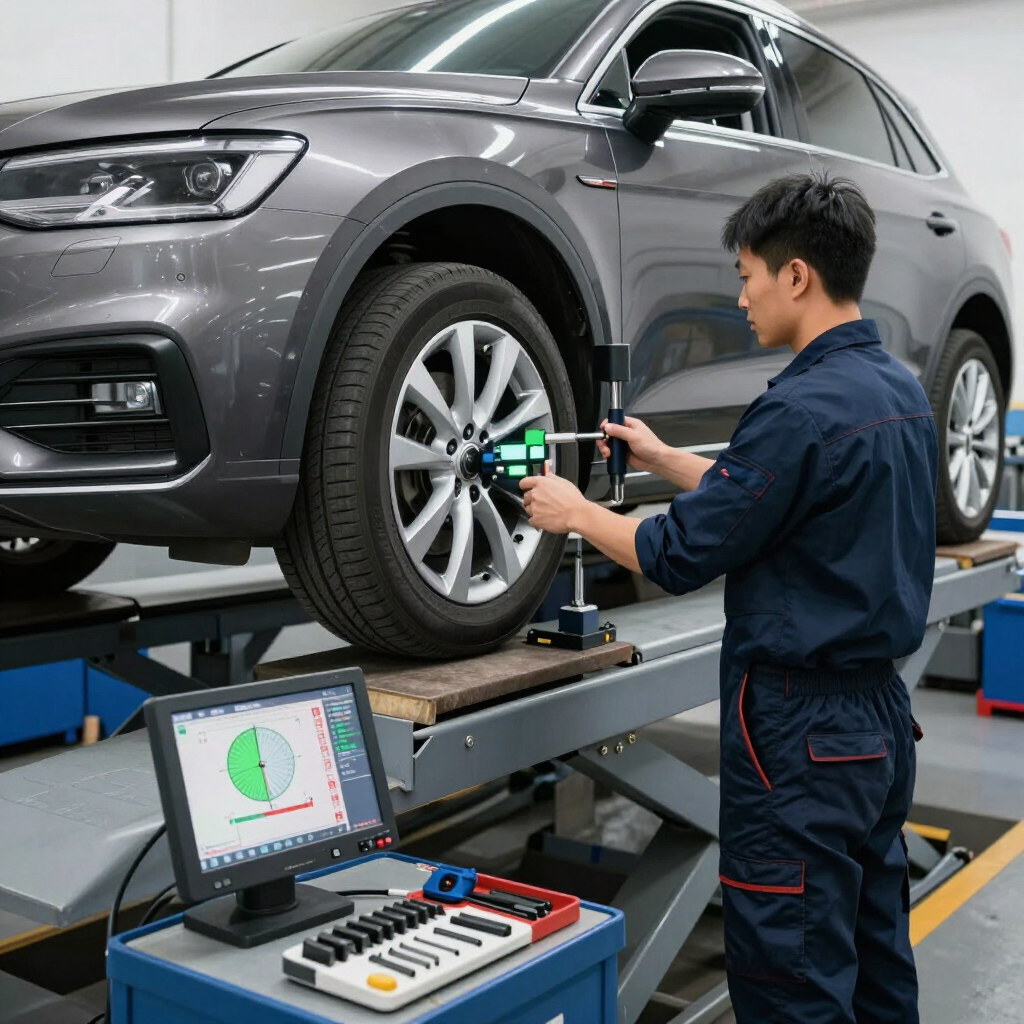
- Wheel alignment
- Transmission service
- General auto repair
- Vehicle inspections
Whether your vehicle needs routine maintenance or you are trying to find the source of an oil leak, the team at Apex Automotive Care can help determine what your vehicle actually needs.
Frequently Asked Questions About Valve Cover Gasket Leaks
How long does a valve cover gasket last?
There is no single replacement interval that applies to every vehicle.
Gasket life depends on the engine, gasket material, heat exposure, maintenance history, driving conditions, and age.
If you notice signs of an oil leak, have the vehicle inspected rather than waiting for a specific mileage.
Can I drive with a leaking valve cover gasket?
It depends on the severity of the leak.
A minor seep may not immediately cause a major problem, but continued oil loss can eventually result in a low engine oil level or other issues.
If the vehicle is losing oil quickly, producing smoke, or running poorly, have it inspected promptly.
Can a valve cover gasket leak cause a Check Engine Light?
It can on some vehicles.
If leaking oil reaches spark plugs or ignition components, it may contribute to engine misfires, which can trigger the Check Engine Light.
However, many different problems can cause the Check Engine Light, so proper diagnostics are important.
Can a valve cover gasket leak cause a burning oil smell?
Yes.
If engine oil escapes from the valve cover area and reaches hot engine or exhaust components, it can produce a noticeable burning oil odor.
Can a valve cover gasket leak cause an engine misfire?
It can, depending on the vehicle and engine design.
If leaking oil reaches spark plugs or ignition components, it may contribute to misfires.
A misfire should always be diagnosed because there are many possible causes.
Is there a valve cover gasket leak quick fix?
There is no reliable permanent shortcut for a damaged valve cover gasket.
If the gasket has failed, replacement is generally the appropriate repair.
Should I replace the valve cover too?
Not necessarily.
If the valve cover is in good condition and its sealing surface is intact, replacing the gasket may be enough.
If the valve cover is cracked, warped, or otherwise damaged, the cover may also need to be replaced.
How can I help prevent valve cover gasket problems?
You cannot prevent every gasket failure, but regular maintenance can help catch problems early.
Follow your vehicle manufacturer's maintenance recommendations, keep up with oil changes, address overheating problems promptly, and have unusual oil leaks inspected before they become more serious.
Apex Automotive Care's General Vehicle Maintenance service can help you stay on top of routine vehicle care.
Need Valve Cover Gasket Replacement in Houston, TX?
If you've noticed oil around the top of your engine, a burning oil smell, smoke under the hood, or oil spots underneath your vehicle, don't ignore the warning signs.
Apex Automotive Care can inspect your vehicle and help determine whether you're dealing with a valve cover gasket leak or another source of engine oil loss.
Apex Automotive Care
7050 Southwest Freeway
Houston, TX 77074
Hours:
Monday–Friday: 8:00 AM–6:00 PM
Saturday: 8:00 AM–3:00 PM
Whether you need engine diagnostics, oil service, maintenance, or general auto repair, Apex Automotive Care is here to help Houston drivers keep their vehicles running reliably.
Schedule your service with Apex Automotive Care today and get your engine oil leak properly diagnosed before a small problem becomes a larger repair.