Need Engine Misfire Repair in Houston? Here’s What Every Driver Should Know
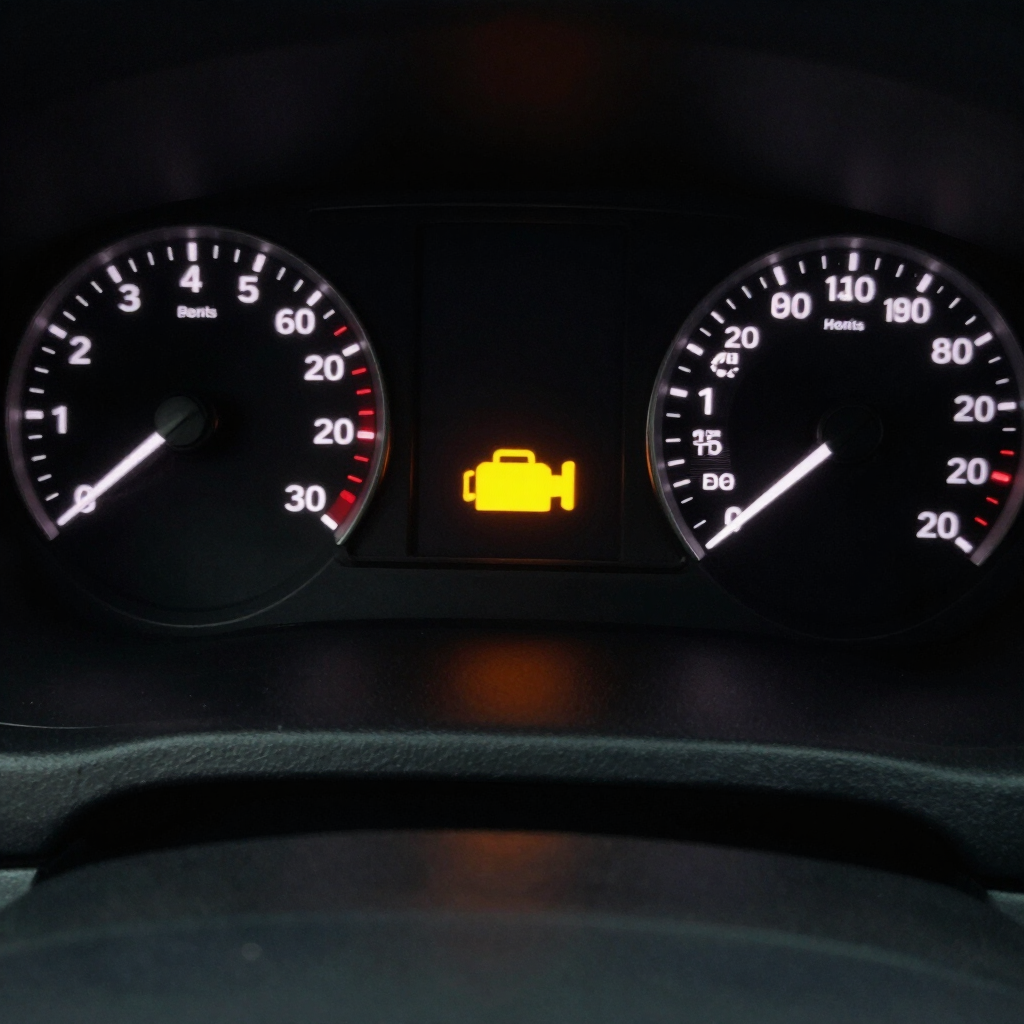
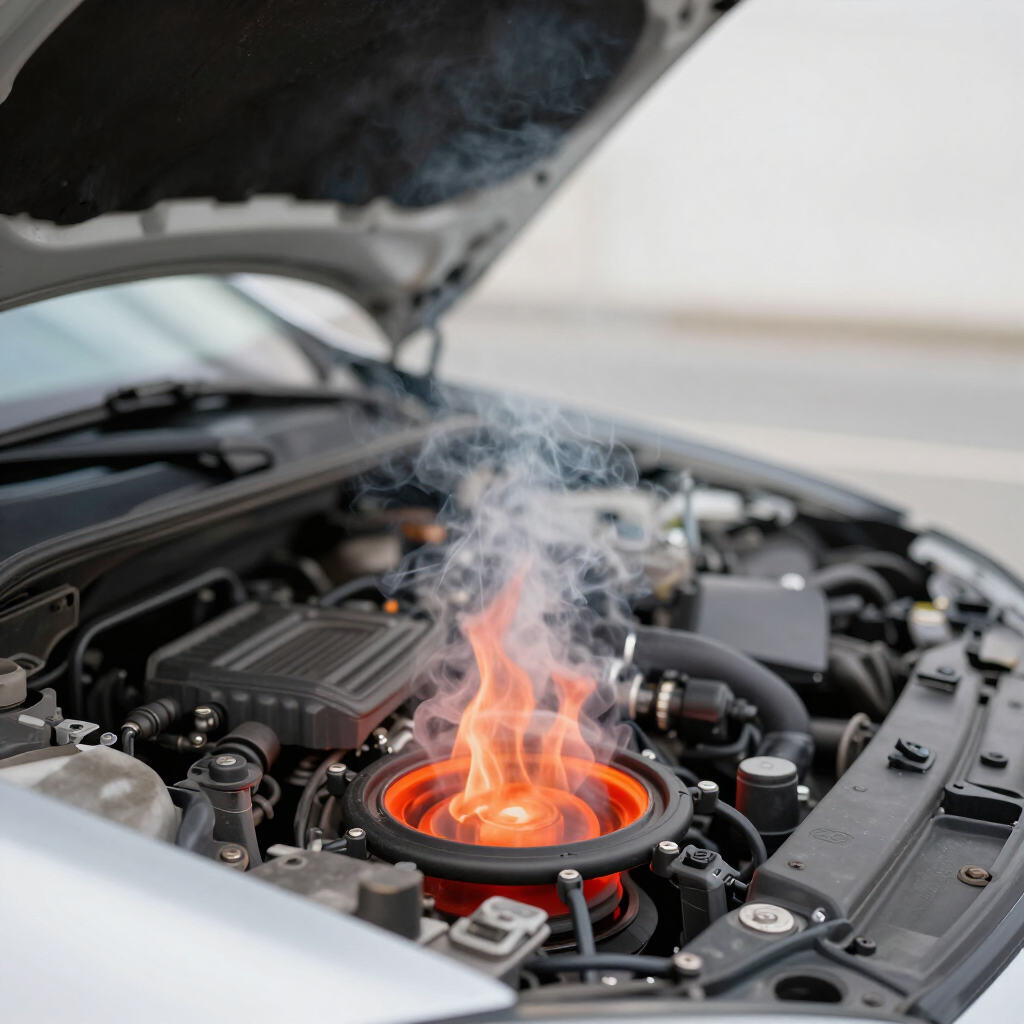
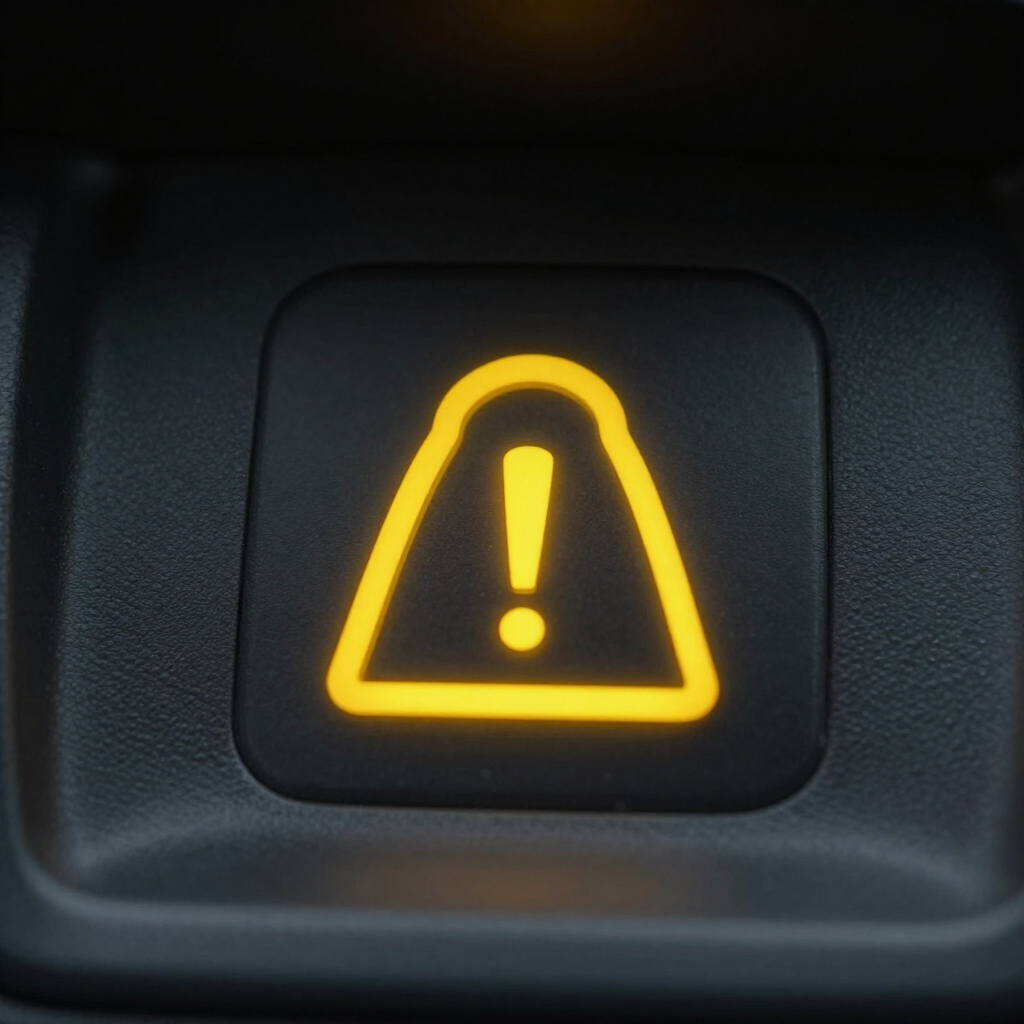
Have you noticed your vehicle shaking, hesitating during acceleration, or the Check Engine Light suddenly coming on? These are some of the most common signs of an engine misfire, a problem that should never be ignored.
While some misfires may be caused by relatively simple problems such as worn spark plugs or ignition components, others can point to more serious engine, fuel, electrical, or mechanical issues.
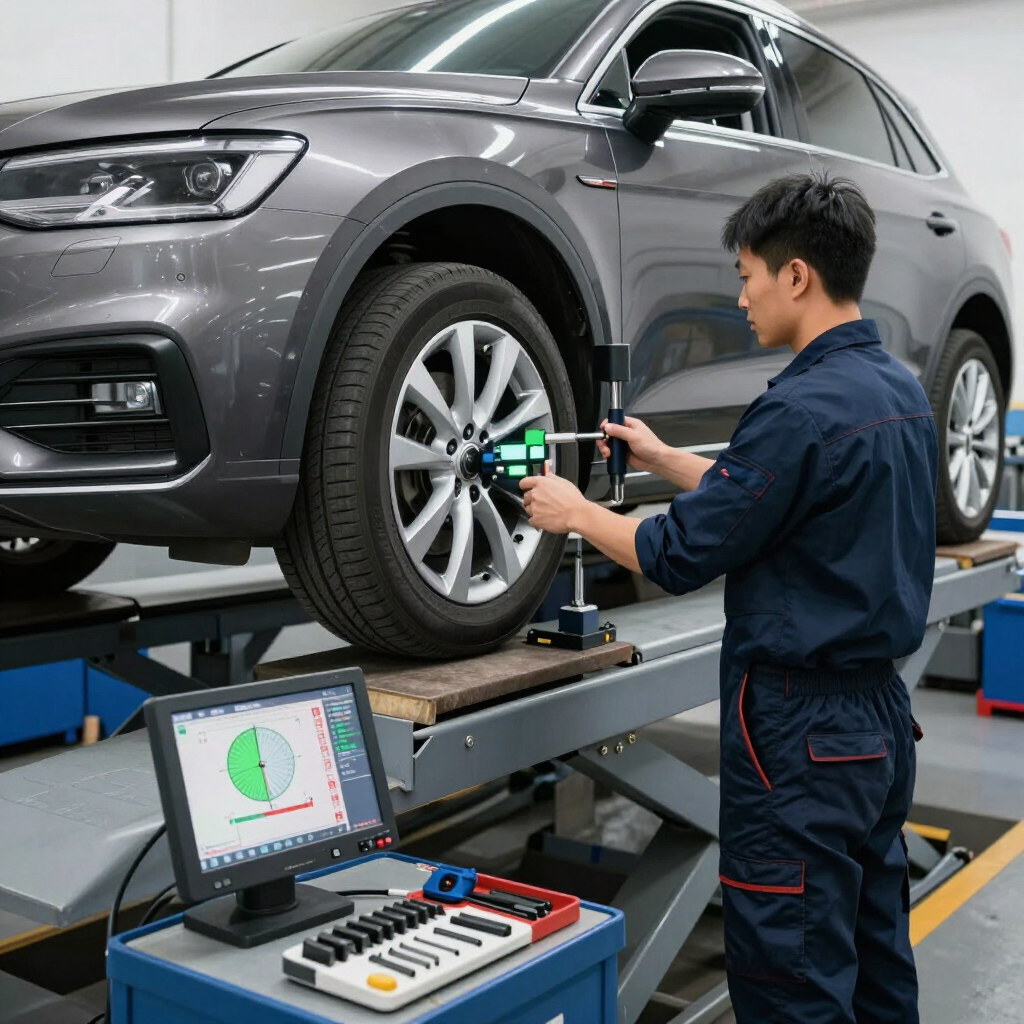
At Apex Automotive Care in Houston, our team provides professional engine diagnostics and automotive repair using advanced diagnostic technology and ASE-certified expertise. We service a wide range of makes and models and focus on identifying the actual cause of a vehicle problem rather than simply replacing parts.
In this guide, we'll explain what an engine misfire is, what causes it, how to recognize the symptoms, whether it's safe to continue driving, and what you should know about getting an engine misfire diagnosed and repaired.
What Is an Engine Misfire?
An engine misfire occurs when one or more cylinders fail to properly ignite the air-fuel mixture.
Modern gasoline engines depend on several systems working together correctly, including:
- Air
- Fuel
- Spark
- Compression
- Proper ignition timing
If one of these systems isn't functioning correctly, combustion can become incomplete or fail to occur.
Instead of the engine running smoothly, you may experience:
- Shaking
- Hesitation
- Reduced power
- Poor fuel economy
- Rough idling
- Increased emissions
- A Check Engine Light
An intermittent misfire may be difficult to notice at first, but that doesn't mean the underlying problem should be ignored.
What Does an Engine Misfire Feel Like?
Many drivers describe a misfire as feeling like the engine is "skipping," "stumbling," or shaking.
Common symptoms include:
- Rough idle
- Vehicle shaking while stopped
- Engine hesitation during acceleration
- Jerking while driving
- Loss of power
- Poor throttle response
- Increased fuel consumption
- Flashing or steady Check Engine Light
In more severe cases, the vehicle may struggle to maintain speed or accelerate normally.
If your vehicle suddenly feels significantly different from normal, professional auto diagnostics can help determine what is happening.
What Does an Engine Misfire Sound Like?
Depending on the cause, an engine misfire may produce:
- Popping noises
- Sputtering
- Uneven exhaust sounds
- Backfiring
- Rhythmic shaking
- Rough or inconsistent engine operation
The engine may simply sound different from its normal smooth operation.
Top Causes of an Engine Misfire in Houston, TX
Engine misfires can have many different causes. Replacing parts without properly diagnosing the vehicle can waste time and money, which is why identifying the underlying problem is important.
1. Worn Spark Plugs
Spark plugs ignite the air-fuel mixture inside the engine's cylinders.
As spark plugs wear, the ignition spark can become weaker, potentially causing incomplete combustion and misfires.
Common symptoms can include:
- Rough idle
- Poor acceleration
- Hard starting
- Reduced fuel economy
- Engine hesitation
Following the manufacturer's recommended maintenance schedule can help reduce the likelihood of ignition-related problems.
For routine service, visit Apex Automotive Care's vehicle maintenance service in Houston.
2. Faulty Ignition Coils
Ignition coils generate the voltage necessary to fire the spark plugs.
When an ignition coil begins to fail, one or more cylinders may not ignite the air-fuel mixture correctly.
A failing ignition coil may contribute to:
- Engine shaking
- Check Engine Light
- Reduced engine power
- Poor fuel economy
- Rough idle
- Difficulty starting
Proper diagnostics can help determine whether an ignition component is actually responsible for the misfire.
3. Fuel Injector Problems
Fuel injectors deliver fuel to the engine in precise amounts.
If an injector becomes clogged, restricted, or fails electronically, the affected cylinder may receive too much or too little fuel.
Possible symptoms include:
- Rough running
- Hesitation
- Engine vibration
- Poor acceleration
- Increased fuel consumption
Because several different problems can create similar symptoms, professional diagnosis is important before replacing injectors or other fuel-system components.
4. Vacuum Leaks
A vacuum leak can allow unmetered air into the engine, changing the air-fuel mixture.
Depending on where the leak occurs, you may notice:
- High idle
- Rough idle
- Hesitation
- Engine misfire
- Check Engine Light
Aging hoses, intake components, and gaskets can all contribute to vacuum leaks.
5. Low Engine Compression
Not every misfire is caused by an electrical or fuel problem.
Internal engine problems can also result in misfires.
Examples may include:
- Burned valves
- Worn piston rings
- Blown head gasket
- Damaged pistons
- Valve-train problems
When an internal mechanical problem is suspected, compression or other appropriate testing may be necessary to determine what is happening inside the engine.
6. Fuel Delivery Issues
A vehicle needs consistent fuel delivery for proper combustion.
Problems involving the fuel system can affect engine performance and potentially contribute to misfires.
Possible causes include:
- Weak fuel pump
- Restricted fuel filter
- Fuel pressure problems
- Contaminated fuel
- Fuel injector issues
The correct repair depends on what testing reveals.
7. Timing Problems
Engine timing has to remain synchronized for the engine to operate correctly.
A stretched timing chain, worn timing components, or another timing-related problem can cause serious drivability issues and potentially affect multiple cylinders.
Timing problems should not be ignored because continued operation can result in additional engine damage.
8. Sensor or Computer Problems
Modern engines rely on numerous sensors and electronic systems to control fuel delivery, ignition timing, and engine operation.
Potentially relevant sensors include:
- Mass Airflow Sensor (MAF)
- Crankshaft Position Sensor
- Camshaft Position Sensor
- Oxygen Sensors
- Engine Coolant Temperature Sensor
A diagnostic scan may reveal trouble codes, but a code alone doesn't necessarily identify the failed component.
That's why proper testing is important.
Quick Tip: Don't Ignore a Flashing Check Engine Light
A flashing Check Engine Light can indicate an active engine misfire.
Continuing to drive when the engine is actively misfiring may result in additional damage, including damage to the catalytic converter.
If your Check Engine Light begins flashing and the engine is running poorly, it's best to have the vehicle inspected as soon as possible.
For professional engine diagnostics in Houston, contact Apex Automotive Care.
Can You Drive With an Engine Misfire?
The safest answer is to avoid driving with a significant or persistent engine misfire whenever possible.
A vehicle may continue running even when one or more cylinders aren't operating correctly, but continued driving can potentially turn a relatively small repair into a more expensive problem.
If the Check Engine Light is flashing, the vehicle is shaking severely, or the engine has experienced a major loss of power, stop driving and have the vehicle inspected.
Can an Engine Misfire Damage Your Engine?
Yes, depending on the underlying cause and how long the problem continues.
An unresolved misfire can contribute to:
- Catalytic converter damage
- Poor fuel economy
- Increased emissions
- Reduced engine performance
- Additional component wear
- More extensive engine problems
The earlier the cause is identified, the better the chance of preventing additional damage.
Can an Engine Misfire Damage the Catalytic Converter?
Yes.
When a cylinder fails to properly burn the air-fuel mixture, unburned fuel can enter the exhaust system.
That can increase temperatures inside the catalytic converter and potentially cause damage.
This is one reason a flashing Check Engine Light should be taken seriously.
Addressing the original problem early may help prevent a much more expensive exhaust-system repair.
Common Engine Misfire Trouble Codes
Modern vehicles can store diagnostic trouble codes when a misfire occurs.
Common misfire codes include:
- P0300 – Random/Multiple Cylinder Misfire
- P0301 – Cylinder 1 Misfire
- P0302 – Cylinder 2 Misfire
- P0303 – Cylinder 3 Misfire
- P0304 – Cylinder 4 Misfire
- P0305 – Cylinder 5 Misfire
- P0306 – Cylinder 6 Misfire
- P0307 – Cylinder 7 Misfire
- P0308 – Cylinder 8 Misfire
These codes can help identify the affected cylinder, but they don't necessarily tell you which component has failed.
For example, a cylinder-specific misfire code doesn't automatically mean the spark plug is the problem.
Additional testing may be required.
How Apex Automotive Care Diagnoses Engine Problems in Houston
At Apex Automotive Care, our approach is centered around accurate diagnosis and clear communication.
The shop uses advanced diagnostic technology and ASE-certified expertise to diagnose automotive problems.
Depending on the vehicle and symptoms, diagnosis may involve checking areas such as:
- Computer diagnostic information
- Ignition system
- Fuel system
- Engine performance
- Electrical systems
- Sensors
- Mechanical engine condition
- Related components
The goal is to determine what's actually causing the problem before recommending repairs.
How Much Does Engine Misfire Repair Cost?
The cost of repairing an engine misfire can vary significantly depending on the cause, vehicle, and parts involved.
A relatively straightforward repair may involve:
- Spark plugs
- Ignition components
- Electrical repairs
- Minor vacuum leaks
More complicated repairs may involve:
- Fuel injectors
- Timing components
- Internal engine repairs
- Electrical diagnosis
- Other major engine components
Because every vehicle and misfire is different, an accurate diagnosis is the best first step toward determining the appropriate repair.
Can an Engine Misfire Fix Itself?
In most cases, no.
An intermittent misfire may temporarily disappear, but that doesn't necessarily mean the underlying problem has been fixed.
The problem could return or become more severe.
If you've noticed recurring hesitation, shaking, rough running, or a Check Engine Light, it's better to have the vehicle inspected instead of waiting for the symptoms to disappear permanently.
How to Help Prevent Engine Misfires
Routine maintenance can help reduce the risk of many vehicle problems.
Consider:
- Following your manufacturer's maintenance schedule
- Replacing spark plugs at the recommended intervals
- Addressing warning lights promptly
- Maintaining proper fluid levels
- Keeping the fuel and ignition systems properly maintained
- Having unusual engine symptoms inspected early
Regular vehicle maintenance in Houston can help identify potential problems before they become major repairs.
Frequently Asked Questions
Are engine misfires dangerous?
They can be. A severe or persistent misfire can reduce power, increase emissions, and potentially damage components if ignored.
Can an engine misfire happen without a Check Engine Light?
Yes. Some intermittent problems may occur before a warning light is illuminated or a fault code is stored.
Can an engine misfire cause shaking?
Yes. When one or more cylinders aren't producing power evenly, the engine may vibrate or shake.
Can an engine misfire cause poor fuel economy?
Yes. Incomplete combustion can cause the engine to operate inefficiently and consume more fuel.
Can an engine misfire damage my catalytic converter?
Yes. An active misfire can allow unburned fuel into the exhaust system, potentially causing excessive heat and catalytic converter damage.
Is an engine misfire expensive to fix?
Not necessarily. Some causes can be relatively straightforward to repair, while problems involving timing or internal engine components can be considerably more involved.
The best way to know what your repair will require is to have the vehicle properly diagnosed.
Trust Apex Automotive Care for Engine Diagnostics in Houston
An engine misfire isn't something you should simply ignore.
Whether your vehicle is shaking at idle, hesitating during acceleration, losing power, or showing a Check Engine Light, finding the underlying problem early can help prevent additional damage and unnecessary repair costs.
Apex Automotive Care is a Houston auto repair shop offering professional automotive diagnostics, maintenance, and repair services. The shop is located at 7050 Southwest Freeway, Houston, TX 77074, and offers Monday-Friday service from 8:00 AM to 6:00 PM and Saturday service from 8:00 AM to 3:00 PM.
For additional service options, visit the Apex Automotive Care service department.
If your vehicle is shaking, hesitating, or showing a Check Engine Light, don't wait for the problem to get worse.
Contact Apex Automotive Care today and schedule your vehicle inspection.