Finding a wet spot beneath your vehicle does not automatically mean something has failed. Clear water from the air conditioning system is usually normal, and rainwater can remain trapped in body panels before dripping onto the ground. The challenge is knowing when the spot is harmless and when it points toward fluid loss that could damage the car.
Color, location, odor, and puddle size can provide useful clues, but they do not always identify the source. Automotive fluids change appearance as they age and collect dirt. They can also travel across splash shields and crossmembers before reaching the pavement, so the visible drip may be far from the actual leak.
Clear Water Is Often Normal A/C Condensation
When the A/C operates, moisture from the cabin air collects on the evaporator inside the climate control case. That water exits through a drain tube and commonly forms a clear puddle beneath the passenger side of the vehicle. The amount may be larger on a humid Houston day.
Normal condensation should look and feel like clean water and should not have an oily texture or strong odor. Water from the exhaust can also appear briefly during a cold start. If clear liquid collects inside the passenger compartment instead of beneath the car, however, the evaporator drain may be blocked, or another leak may be present.
Color And Texture Can Help Identify The Fluid
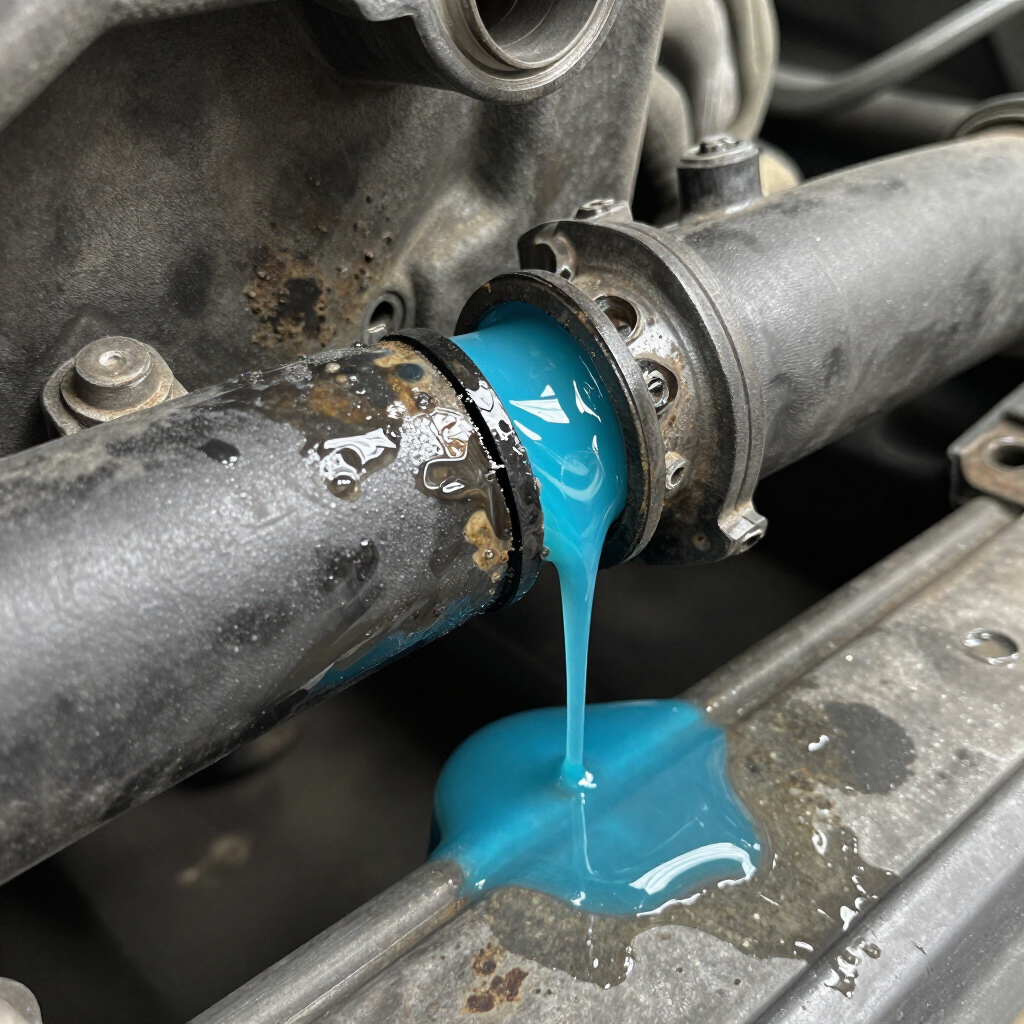
Engine oil is usually amber, brown, or black and leaves a slick stain. Coolant may be green, orange, yellow, blue, pink, or purple and can leave a chalky deposit after drying. Automatic transmission fluid is often red when fresh, although it may turn brown as it ages.
Brake fluid is commonly clear to light amber, while differential oil is thicker and usually has a strong odor. Windshield washer fluid may be blue or another bright color. Do not rely on color alone because several fluids can look similar after mixing with road grime.
Some Small Leaks Can Be Scheduled
A few drops from a slow engine oil seep may not require an immediate tow if the oil level remains within the safe range and no warning lights appear. The same may be true for a minor power steering or differential seep that has not lowered the fluid level significantly.
That does not mean the leak should be ignored. Small leaks often become larger as seals, hoses, and plastic housings continue aging. Scheduling an inspection gives the shop a chance to identify the source, estimate the repair, and check whether nearby belts, mounts, or wiring have been contaminated.
Certain Fluid Leaks Need Prompt Attention
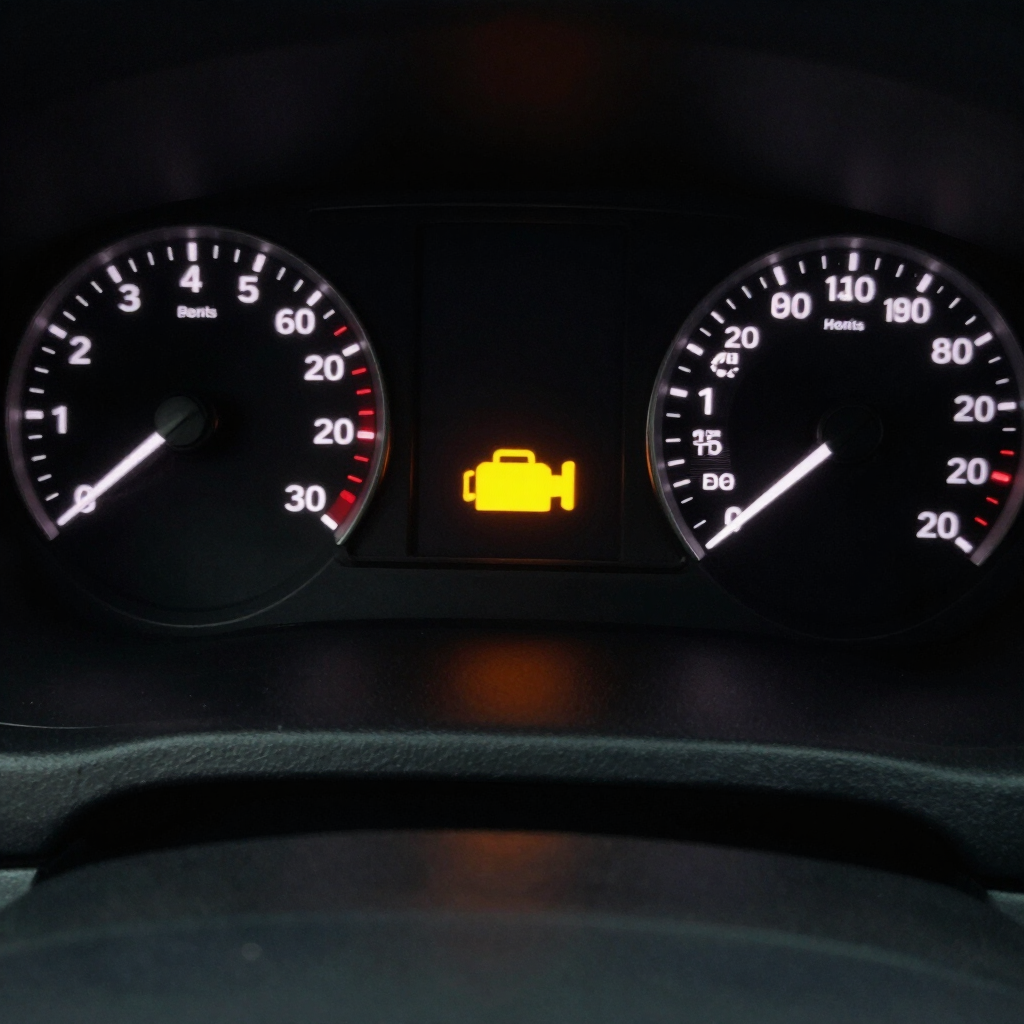
Brake fluid and fuel leaks require quick action because they can affect stopping ability or create a fire risk. A coolant leak can lead to overheating, while rapid engine oil loss can reduce lubrication and oil pressure. Transmission fluid loss may cause slipping, delayed engagement, and internal overheating.
The urgency increases when the puddle grows quickly, or the vehicle begins behaving differently. A leak that leaves only a damp area one day may become a steady stream after a hose splits, a fitting breaks, or system pressure rises during driving.
Warning Signs That Mean You Should Stop Driving
Several symptoms indicate that fluid loss has already affected vehicle operation. Stop somewhere safe and shut the engine off when you notice any of the following:
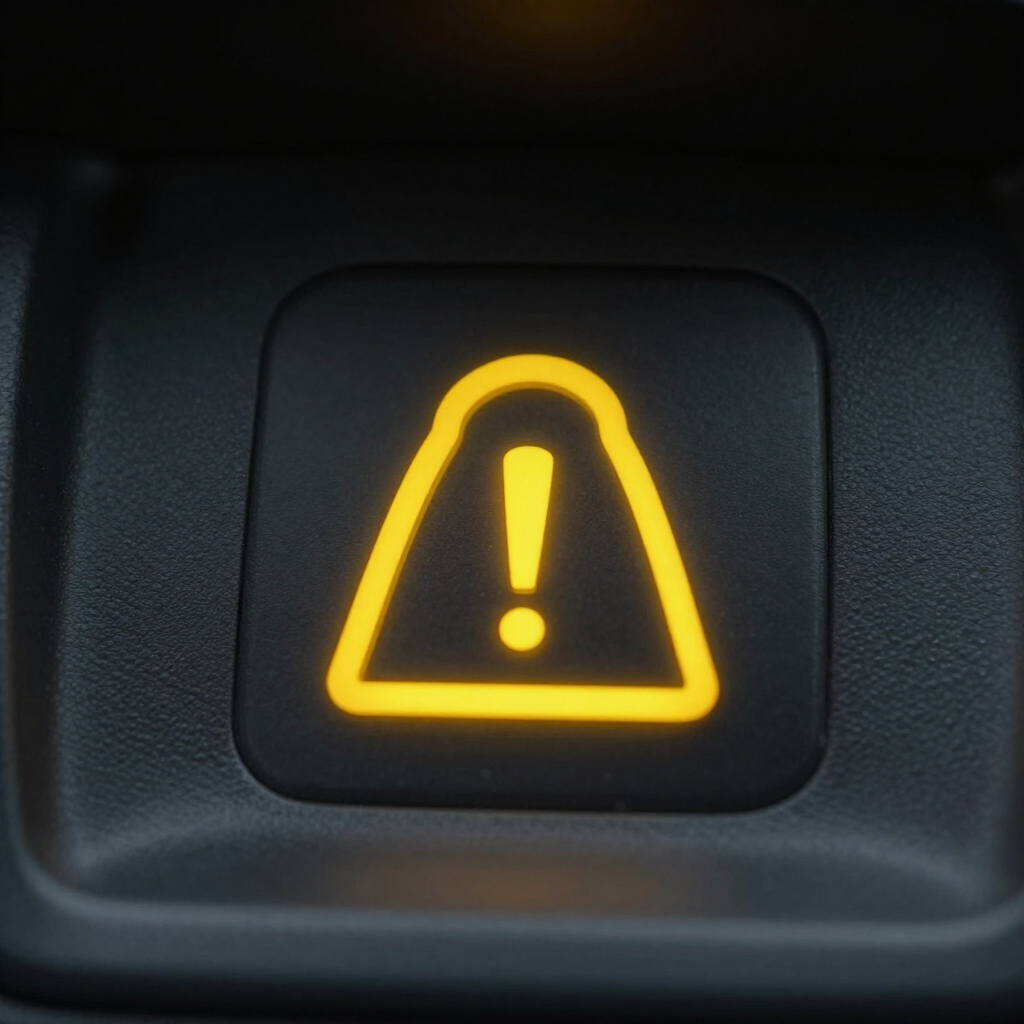
- The oil pressure warning stays on.
- The temperature gauge rises above normal.
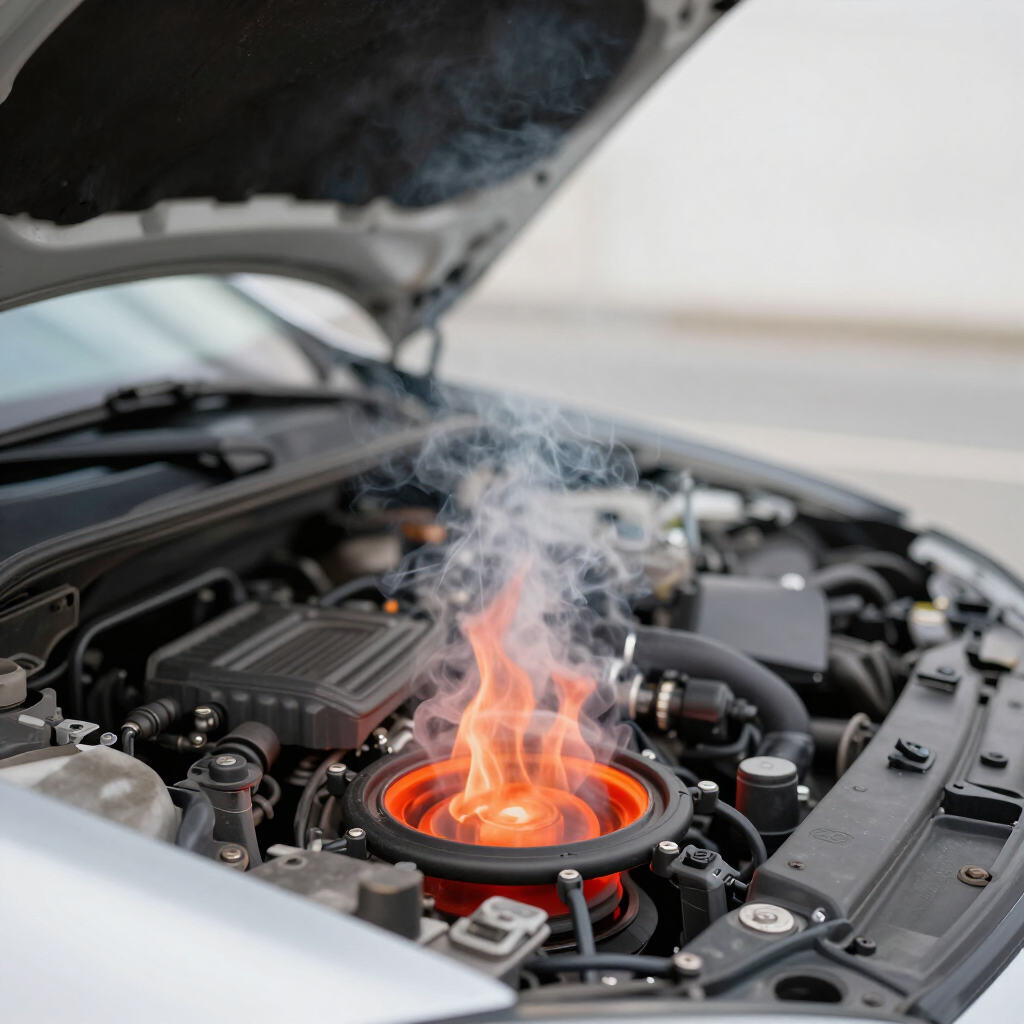
- Steam or smoke comes from beneath the hood.
- The brake pedal feels soft or sinks.
- The transmission slips or will not engage.
- The steering suddenly becomes difficult.
- A strong gasoline or diesel odor appears.
- Fluid is pouring onto the ground.
Do not open a hot cooling system or touch an overheated wheel, engine component, or unknown liquid. When braking, steering, engine temperature, or fuel safety is involved, arranging a tow is safer than attempting to reach the shop.
Checking Fluid Levels Can Provide More Information
If the vehicle is cool and parked on level ground, you may be able to check the engine oil dipstick and visible reservoirs. Follow the owner’s manual because fluid-checking procedures vary, and many modern transmissions have no dipstick.
Never remove the coolant cap while the engine is hot. Adding fluid may help prevent immediate damage in certain situations, but it does not repair a failed gasket, hose, seal, line, or housing. Incorrect fluid can also cause new problems, especially in transmissions and cooling systems.
Why The Drip Location Can Be Misleading
Fluid often follows the easiest path downward rather than dripping directly beneath the failed part. Engine oil may run along a cover, coolant may collect on a lower shield, and transmission fluid can spread backward while the vehicle is moving.
Wind and road speed make tracing leaks even harder. A spot near the center of the car could have started closer to the engine compartment. Technicians usually look for the highest fresh wet point rather than assuming the puddle location identifies the failed component.
How A Repair Shop Finds The Source
A technician may clean the affected area, raise the vehicle, and check fluid levels before tracing fresh residue. Cooling systems can be pressure-tested, while slow leaks may require fluorescent dye or another targeted test. Transmission leaks may need to be evaluated while the fluid is warm and circulating.
Regular maintenance can reveal damp seals, worn hoses, and dropping fluid levels before a puddle appears. The shop should also examine nearby components because leaking oil, coolant, or brake fluid can damage rubber, electrical connections, painted surfaces, and protective coatings.
Get Fluid Leak Diagnostics In Houston, TX, With Apex Automotive Care
Not every wet spot beneath your vehicle requires an emergency repair, but an unknown or recurring leak deserves professional attention. Apex Automotive Care in Houston, TX, can identify the fluid, locate the source, and determine whether the vehicle is safe to drive.