Why Is My Car Losing Coolant? Causes, Warning Signs & What to Do
If your car keeps losing coolant, you may be wondering, “Where is the coolant going?”
Under normal conditions, your vehicle's cooling system is a closed system, so you shouldn't regularly need to add coolant. If the coolant level keeps dropping, there is likely an underlying problem that needs to be diagnosed.
A coolant leak can be caused by something relatively simple, such as a damaged hose, or something more serious, such as a water pump, radiator, thermostat housing, or head gasket problem.
For drivers in Houston, Southwest Houston, Westchase, Bellaire, Meyerland, Stafford, Sugar Land, and Missouri City, Apex Automotive Care can inspect your vehicle's cooling system and help determine why you're losing coolant.
Apex Automotive Care
7050 Southwest Freeway
Houston, TX 77074
Why Is My Car Losing Coolant?
There are several reasons a vehicle can lose coolant.
Common causes include:
- A leaking radiator
- Cracked or damaged coolant hoses
- A failing water pump
- A leaking thermostat housing
- A damaged coolant reservoir
- A leaking radiator cap
- A heater-core leak
- A head gasket problem
- Loose or damaged connections
- Other cooling-system component failures
Sometimes a coolant leak is obvious.
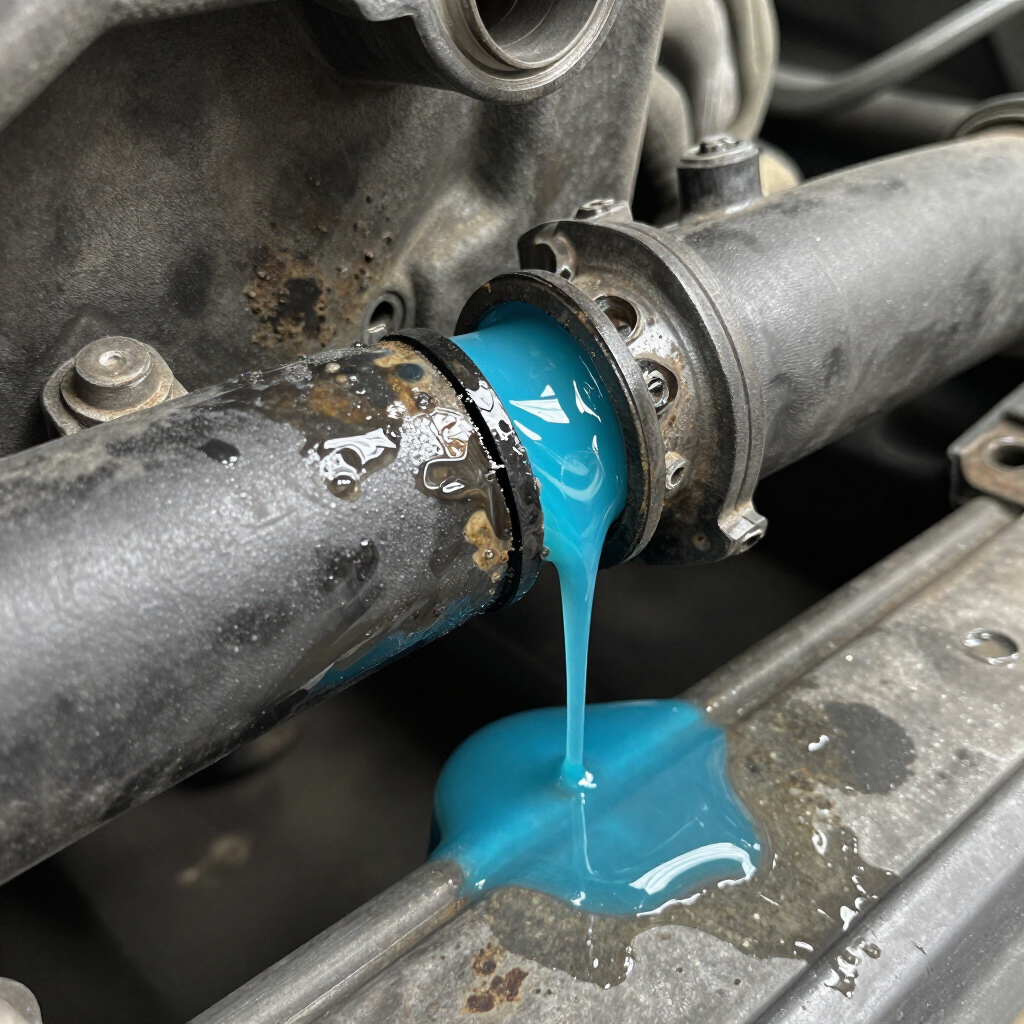
You may see a puddle underneath your vehicle or coolant around the engine.
Other leaks can be much harder to find. A leak may only occur when the engine reaches operating temperature and the cooling system becomes pressurized.
That's why simply looking under the car isn't always enough to identify the source.
Should a Car Lose Coolant Over Time?
No—not normally.
Coolant levels can change slightly under certain circumstances, but if you're repeatedly adding coolant because the level continues to drop, the vehicle should be inspected.
Constantly topping off the coolant may temporarily keep the level where it needs to be, but it doesn't fix the underlying problem.
If coolant is escaping, eventually the level can become low enough that the engine overheats.
And an overheating engine can turn a cooling-system repair into a much more expensive engine repair.
How Do I Know If My Car Has a Coolant Leak?
Some coolant leaks are easy to recognize.
Common signs include:
- Low coolant level
- Coolant puddle underneath the vehicle
- Sweet smell
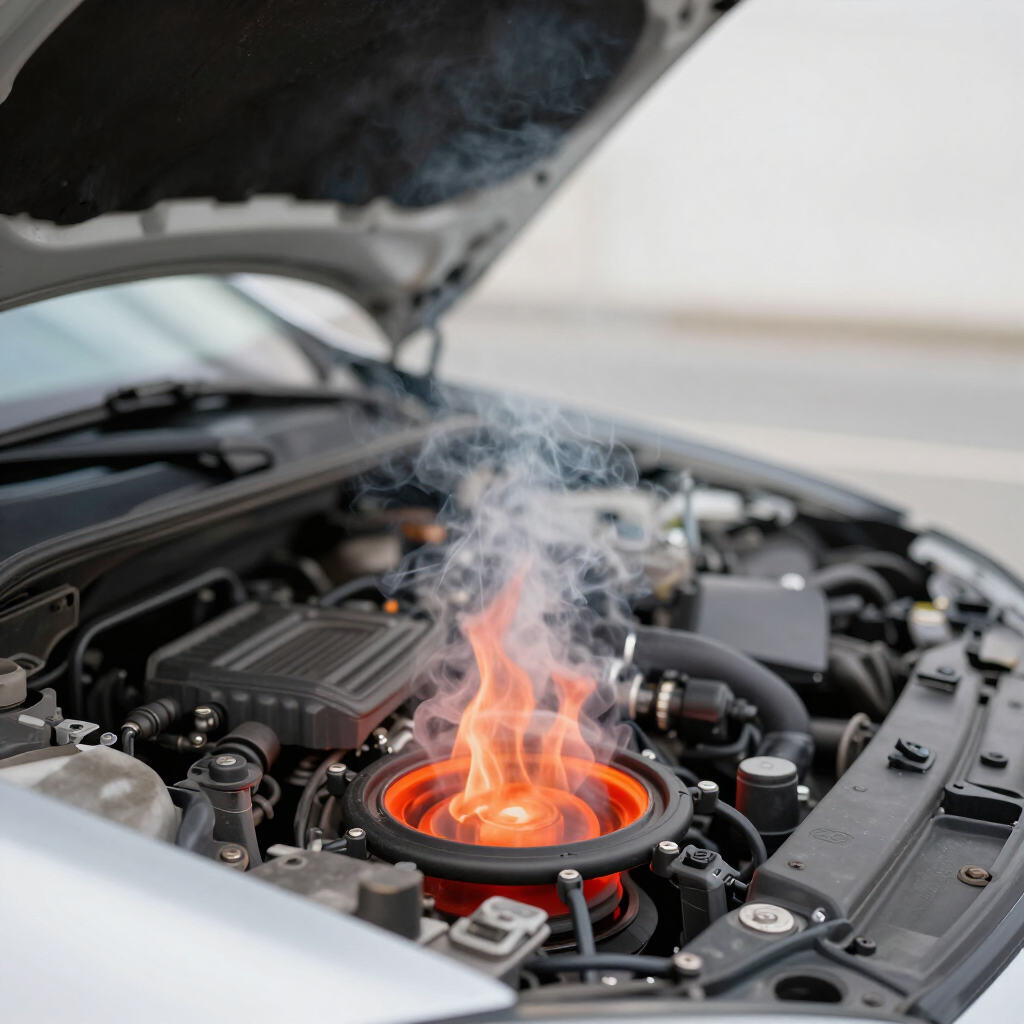
- Steam from under the hood
- Wet spots around hoses
- Coolant around the radiator
- Coolant around the water pump
- Engine temperature running higher than normal
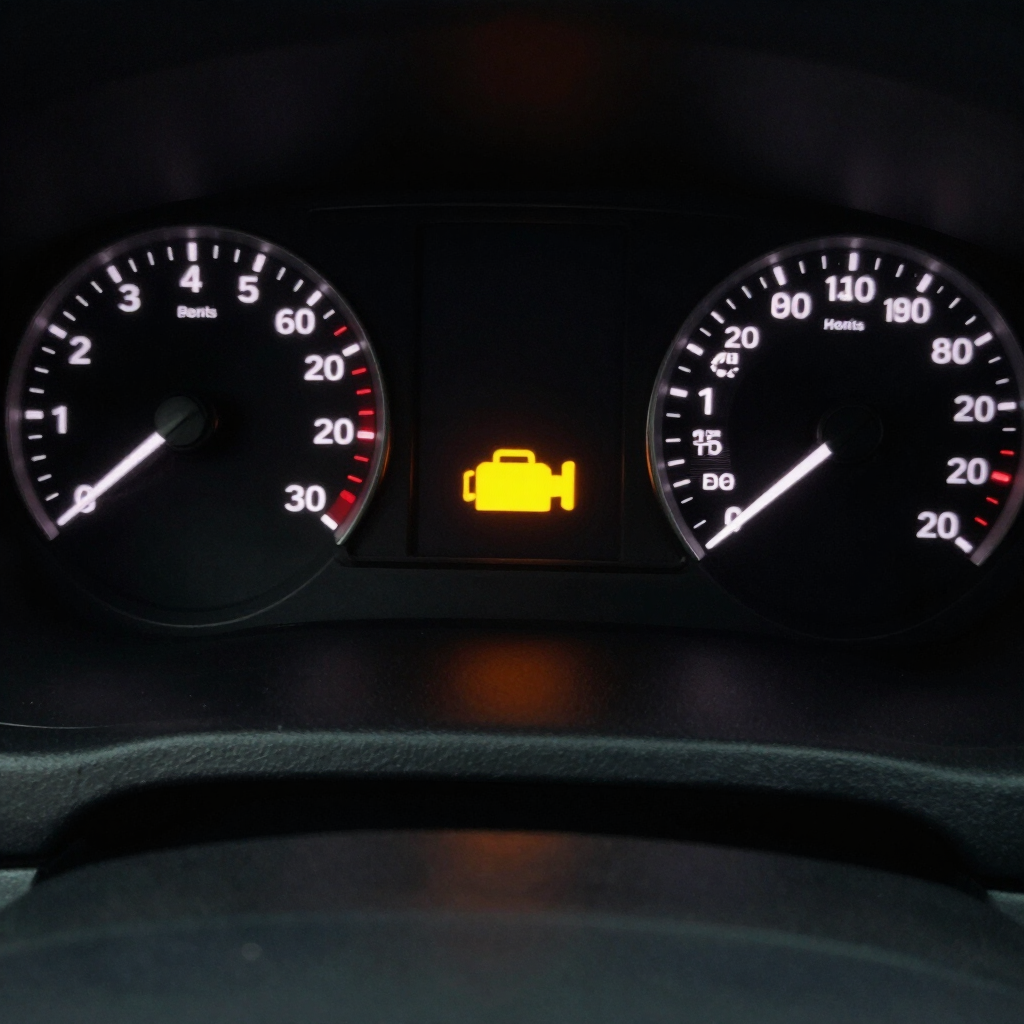
- Temperature warning light
- Repeatedly needing to add coolant
However, not seeing a puddle doesn't mean you don't have a leak.
Some leaks happen only when the vehicle is hot or the cooling system is under pressure.
A professional cooling-system inspection can help locate leaks that aren't immediately visible.
What Color Is Coolant When It Leaks?
Coolant can come in different colors depending on the type used by the vehicle manufacturer.
You may see coolant that appears:
- Green
- Orange
- Pink
- Blue
- Yellow
- Purple
Color alone isn't a reliable way to identify the exact type of coolant or diagnose a leak.
If you see an unfamiliar fluid underneath your vehicle, have it identified before assuming what it is.
Why Is My Coolant Low But I Don't See a Leak?
This is a common situation.
If your coolant level keeps dropping but there isn't an obvious puddle, the leak may be occurring in a location that's difficult to see.
Possible causes include:
A Small External Leak
A small leak may only occur when the cooling system is hot and pressurized.
A Water Pump Leak
Coolant may escape from the water pump or its seals.
A Thermostat Housing Leak
Some thermostat housings can develop cracks or leaks.
A Heater-Core Problem
A leak inside the vehicle may not leave a puddle underneath the car.
An Internal Engine Leak
A head-gasket problem or another internal engine issue can allow coolant to enter areas where it shouldn't.
That's why a proper cooling-system diagnostic is important when coolant keeps disappearing.
Can a Bad Radiator Cause Coolant Loss?
Yes.
The radiator is responsible for helping remove heat from the coolant as it circulates through the cooling system.
Over time, radiators can develop:
- Cracks
- Corrosion
- Leaks
- Damaged connections
- Restricted coolant flow
- Damaged components
A radiator leak may leave coolant underneath the front portion of the vehicle, but smaller leaks aren't always obvious.
A cooling-system inspection can help determine whether the radiator is responsible.
Can a Bad Water Pump Cause Coolant Loss?
Yes.
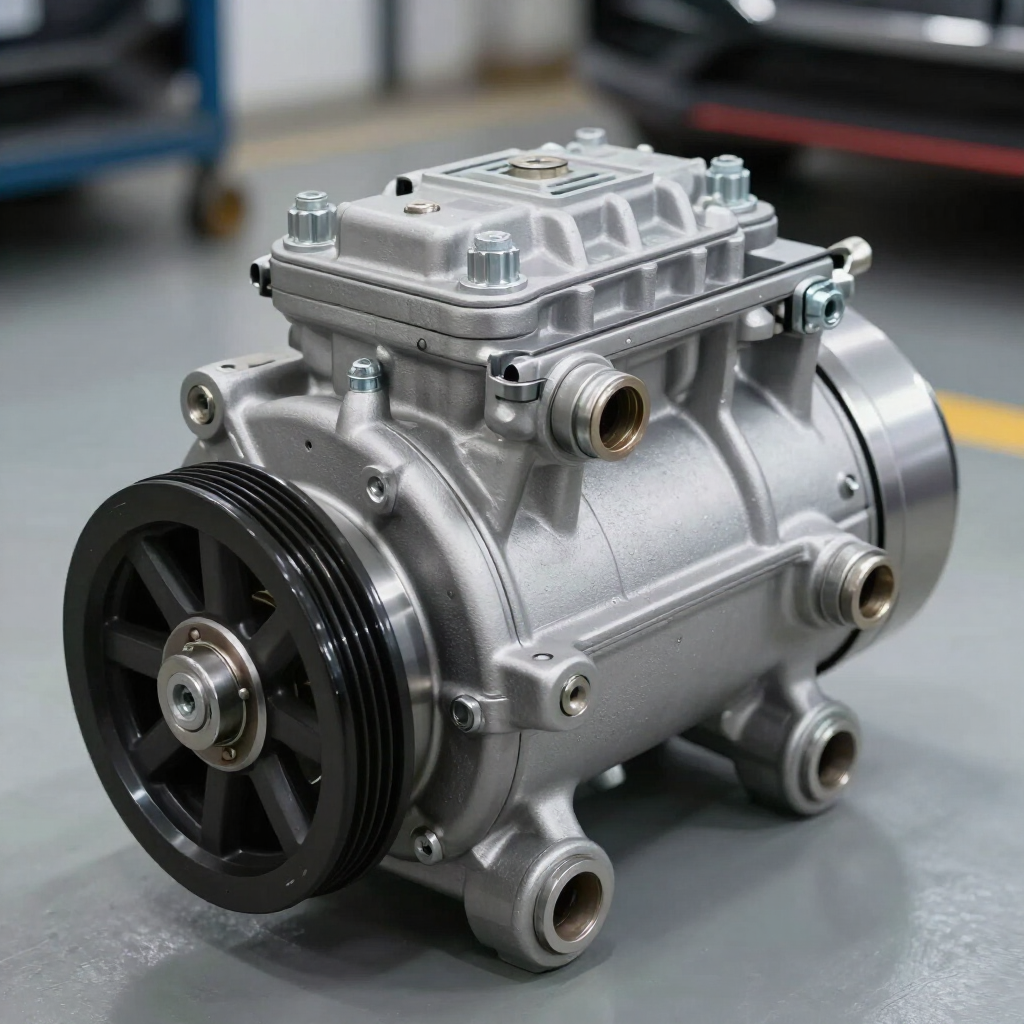
The water pump circulates coolant throughout the engine and cooling system.
A failing water pump can potentially cause:
- Coolant leaks
- Overheating
- Temperature fluctuations
- Unusual noises
- Poor coolant circulation
If you're losing coolant and the engine is also running hot, the water pump should be one of the components considered during diagnosis.
Can a Bad Thermostat Cause Coolant Loss?
A thermostat itself primarily controls coolant flow rather than acting as a coolant reservoir.
However, problems around the thermostat or thermostat housing can result in coolant leaks.
A thermostat that isn't operating correctly can also contribute to overheating.
Because overheating and coolant loss can have several causes, replacing the thermostat without diagnosing the entire cooling system isn't always the right solution.
Can a Cracked Hose Cause Coolant to Leak?
Yes.
Cooling-system hoses are constantly exposed to heat, pressure, and coolant.
Over time, hoses can become:
- Brittle
- Cracked
- Swollen
- Soft
- Damaged
- Leaky
A hose can sometimes fail suddenly, causing a significant loss of coolant.
In other cases, a small leak may gradually become worse.
If you notice coolant around a hose connection or see a damaged hose, have the cooling system inspected.
Can a Coolant Reservoir Leak?
Yes.
The coolant reservoir or expansion tank can develop cracks or leaks.
The cap or connecting hose can also cause problems.
Because the reservoir is part of the cooling system, a leak there can gradually reduce the amount of coolant available to the engine.
Can a Radiator Cap Cause Coolant Loss?
A faulty radiator cap can contribute to coolant problems.
The cap helps maintain the proper pressure within the cooling system.
If it isn't sealing or regulating pressure correctly, coolant may escape or the system may not operate as designed.
A radiator cap is a relatively small component, but a problem with it can contribute to larger cooling-system issues.
Can a Head Gasket Cause Coolant Loss?
Yes.
A head-gasket problem is one of the more serious potential causes of unexplained coolant loss.
The head gasket helps seal the connection between the engine block and cylinder head.
If it fails, coolant can potentially enter areas where it doesn't belong.
Possible warning signs include:
- Unexplained coolant loss
- Persistent overheating
- White exhaust smoke
- Engine misfires
- Poor engine performance
- Bubbles in the cooling system
- Milky-looking engine oil
These symptoms can have multiple causes, so a head-gasket failure should be confirmed through proper testing rather than assumed.
Why Is My Car Losing Coolant But Not Overheating?
You don't necessarily have to be overheating for a coolant leak to be present.
A small leak may cause the coolant level to gradually decrease before the engine temperature becomes abnormal.
That doesn't mean the problem should be ignored.
A small leak can become a larger leak, and eventually the coolant level may become low enough to cause overheating.
If you're regularly adding coolant even though your temperature gauge appears normal, it's a good idea to find out why.
Why Is My Car Losing Coolant and Overheating?
If you're losing coolant and your vehicle is overheating, the issue should be addressed promptly.
Possible causes include:
- A significant coolant leak
- Radiator problems
- Water pump failure
- Thermostat problems
- Cooling fan problems
- A blocked cooling system
- Head-gasket problems
- Other cooling-system failures
Apex Automotive Care recently published a guide on why cars overheat and the common causes, including low coolant, leaks, thermostat problems, radiator issues, cooling fans, water pumps, hoses, and head-gasket problems.
Why Is My Car Losing Coolant After Driving?
If you only notice coolant loss after driving, there are several possibilities.
The cooling system reaches operating temperature while you're driving, and the system becomes pressurized.
A small leak may therefore become easier to detect after the vehicle has been driven.
You may notice:
- A sweet smell after parking
- Steam from under the hood
- A small puddle after driving
- Coolant residue around the engine
- A low reservoir level
If the leak is small, it may evaporate before leaving a large puddle.
Why Does My Car Smell Like Coolant?
Coolant can have a distinctive sweet smell.
If you smell coolant after driving, there may be a leak somewhere in the cooling system.
Potential sources include:
- Radiator
- Hoses
- Water pump
- Thermostat housing
- Reservoir
- Heater core
- Other cooling-system components
A coolant smell should not be ignored, especially if it's accompanied by a low coolant level or rising engine temperature.
Can a Coolant Leak Cause My Car to Overheat?
Absolutely.
Coolant carries heat away from the engine.
If too much coolant is lost, the cooling system may not be able to maintain the engine's proper operating temperature.
That can result in overheating.
Continuing to drive an overheating vehicle can potentially cause serious engine damage.
What Happens If I Keep Driving With Low Coolant?
Driving with low coolant can be risky.
The longer the vehicle operates without the proper coolant level, the greater the potential for overheating.
Severe overheating can result in:
- Head-gasket damage
- Warped engine components
- Internal engine damage
- Expensive repairs
- A vehicle breakdown
If your temperature gauge is climbing into the hot range or a temperature warning appears, don't continue driving as though everything is normal.
What Should I Do If My Car Is Losing Coolant?
If you've noticed that your coolant level keeps dropping, start by checking for obvious signs of a leak—but only when the vehicle is cool.
Look for:
- Puddles underneath the vehicle
- Wet spots
- Coolant residue
- Damaged hoses
- Coolant around the radiator
- A sweet smell
Do not remove a radiator cap while the engine is hot.
The cooling system can be pressurized, and hot coolant can cause serious burns.
If you're losing coolant repeatedly, schedule a professional inspection.
How Is a Coolant Leak Diagnosed?
Finding the source of a coolant leak isn't always as simple as looking for a puddle.
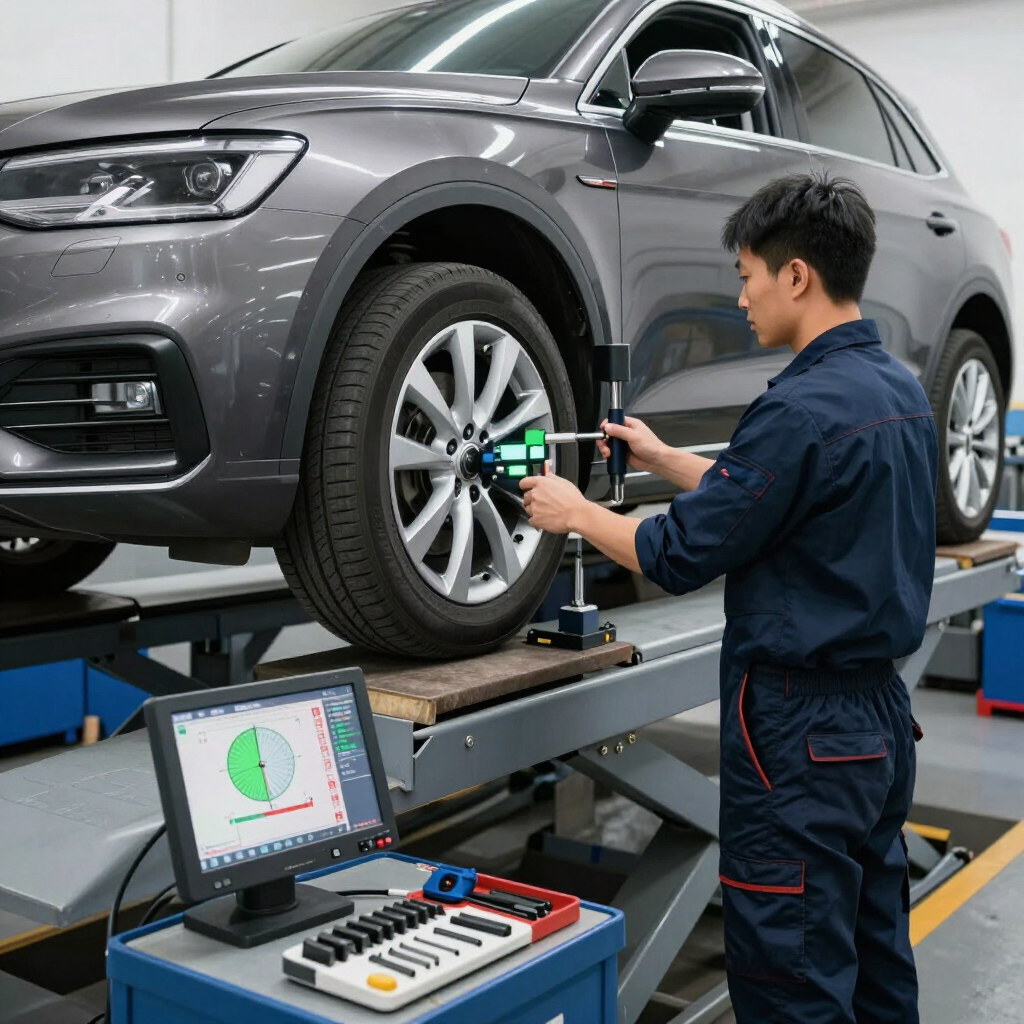
A technician may inspect:
- Radiator
- Coolant hoses
- Water pump
- Thermostat
- Thermostat housing
- Reservoir
- Radiator cap
- Cooling fans
- Connections
- Heater system
- Engine components
A cooling-system pressure test can also help identify leaks that aren't immediately visible.
Apex Automotive Care's Cooling System service includes inspection of the radiator, hoses, thermostat, water pump, coolant level and quality, as well as checking for leaks, rust, and other signs of wear. The shop also provides cooling-system repairs and coolant flushes when appropriate.
Does My Car Need a Coolant Flush?
Not necessarily just because you're losing coolant.
A coolant flush and a coolant-leak repair are two different things.
A flush replaces old coolant according to the vehicle's maintenance needs.
A leak repair addresses the component that is allowing coolant to escape.
If your vehicle is losing coolant, the priority should be determining where the coolant is going and why.
Apex Automotive Care provides coolant flushes as part of its cooling-system services when appropriate for the vehicle.
How Can I Prevent Coolant Problems?
You can't prevent every cooling-system failure, but regular maintenance can help catch problems before they become breakdowns.
Follow Your Manufacturer's Maintenance Schedule
Your vehicle manufacturer provides recommendations for coolant service and other maintenance.
Check Your Coolant Level
Monitor the reservoir according to your vehicle's instructions.
Watch for Leaks
Don't ignore puddles, wet spots, or coolant odors.
Pay Attention to the Temperature Gauge
Knowing where your gauge normally sits makes it easier to notice a change.
Don't Ignore Warning Lights
A temperature warning should be addressed promptly.
Have Small Problems Diagnosed Early
A small coolant leak can become a major problem if it isn't repaired.
Apex Automotive Care also provides General Vehicle Maintenance, including fluid services and routine inspections designed to help identify developing problems.
Why Houston Drivers Should Pay Attention to Coolant Problems
Houston's hot weather, traffic, stop-and-go driving, and long commutes can put significant demands on a vehicle's cooling system.
A properly functioning cooling system should be able to handle normal operating conditions.
But when a component starts leaking or failing, the additional heat and traffic can make the problem more noticeable.
If your vehicle is losing coolant in Houston, don't wait until you see steam coming from under the hood.
Finding the problem early can potentially prevent an overheating event and a much more expensive repair.
Coolant Leak Repair in Houston
Apex Automotive Care provides cooling-system inspection and repair in Houston, TX.
Our technicians can inspect your vehicle for potential coolant leaks and cooling-system problems involving:
- Radiators
- Hoses
- Thermostats
- Water pumps
- Coolant reservoirs
- Cooling fans
- Other cooling-system components
Apex Automotive Care is located at:
7050 Southwest Freeway
Houston, TX 77074
Call to discuss your vehicle or schedule service.
Coolant Leak Repair Near Westchase
If you're searching for coolant leak repair near Westchase, don't wait until a small leak causes your vehicle to overheat.
Apex Automotive Care can inspect the cooling system and help determine the source of the coolant loss.
Coolant Leak Repair Near Bellaire
Drivers in Bellaire who repeatedly need to add coolant should have their vehicles inspected.
A coolant leak can come from several different components, so proper diagnosis matters.
Coolant Leak Repair Near Meyerland
If you're in Meyerland and your coolant level keeps dropping, Apex Automotive Care can inspect the cooling system for leaks and other problems.
Don't assume that regularly adding coolant is a permanent solution.
Coolant Leak Repair Near Stafford
For drivers in Stafford, a coolant leak can become especially concerning during long commutes or hot weather.
If you're losing coolant, have the source identified before the vehicle overheats.
Coolant Leak Repair Near Sugar Land
If you're searching for coolant leak repair near Sugar Land, Apex Automotive Care provides cooling-system inspections and repairs in Houston.
We can help determine whether your coolant loss is coming from a hose, radiator, water pump, thermostat housing, or another component.
Coolant Leak Repair Near Missouri City
Drivers in Missouri City experiencing coolant loss, overheating, or a sweet coolant smell can schedule a cooling-system inspection at Apex Automotive Care.
Coolant Leak Repair in Southwest Houston
For coolant leak repair in Southwest Houston, Apex Automotive Care is conveniently located on the Southwest Freeway.
If your coolant level keeps dropping, don't simply keep topping it off.
Find the leak. Fix the cause. Protect the engine.
Don't Ignore a Car That's Losing Coolant
If your car is losing coolant, there is a reason.
It could be a hose, radiator, reservoir, water pump, thermostat housing, or another cooling-system component. In more serious cases, unexplained coolant loss can be related to an internal engine problem.
The sooner you identify the cause, the better your chances of preventing an overheating problem.
If you're regularly adding coolant to your vehicle, it's time to have the cooling system inspected.
Schedule Cooling-System Service in Houston
Ready to find out why your car is losing coolant?
Schedule an appointment with Apex Automotive Care or call.
Apex Automotive Care
7050 Southwest Freeway
Houston, TX 77074
Serving Southwest Houston, Westchase, Bellaire, Meyerland, Stafford, Sugar Land, and Missouri City.
Frequently Asked Questions
Why is my car losing coolant but not leaking?
A small leak may only occur when the cooling system is hot and pressurized, making it difficult to see. Internal coolant loss is another possibility. A cooling-system inspection can help identify the cause.
Is it normal to keep adding coolant?
No. If you're repeatedly adding coolant, your vehicle should be inspected to determine why the coolant level keeps dropping.
Can a coolant leak cause an overheating engine?
Yes. Losing too much coolant can prevent the cooling system from properly controlling engine temperature.
Why does my car smell like coolant but I don't see a leak?
A small leak may evaporate when it reaches hot engine components, or the leak may occur in a difficult-to-see location. A pressure test can help locate some hidden leaks.
Can a bad water pump cause coolant loss?
Yes. A failing water pump can develop leaks and can also cause coolant circulation problems and overheating.
Can a bad radiator cause coolant loss?
Yes. Radiators can develop cracks, corrosion, or other leaks that allow coolant to escape.
Can a head gasket cause coolant loss?
Yes. A failed head gasket can allow coolant to enter areas where it shouldn't. Unexplained coolant loss combined with overheating, white exhaust smoke, or engine-performance problems should be professionally diagnosed.
Can I drive my car if it's losing coolant?
It depends on the severity of the leak and the vehicle's temperature. If the engine is overheating or the coolant level is dangerously low, continuing to drive can cause serious engine damage. Have the vehicle inspected as soon as possible.
Where can I get a coolant leak checked in Houston?
Apex Automotive Care provides cooling-system inspection and repair at 7050 Southwest Freeway in Houston. The shop checks components such as radiators, hoses, thermostats, water pumps, coolant levels, and the cooling system for leaks.