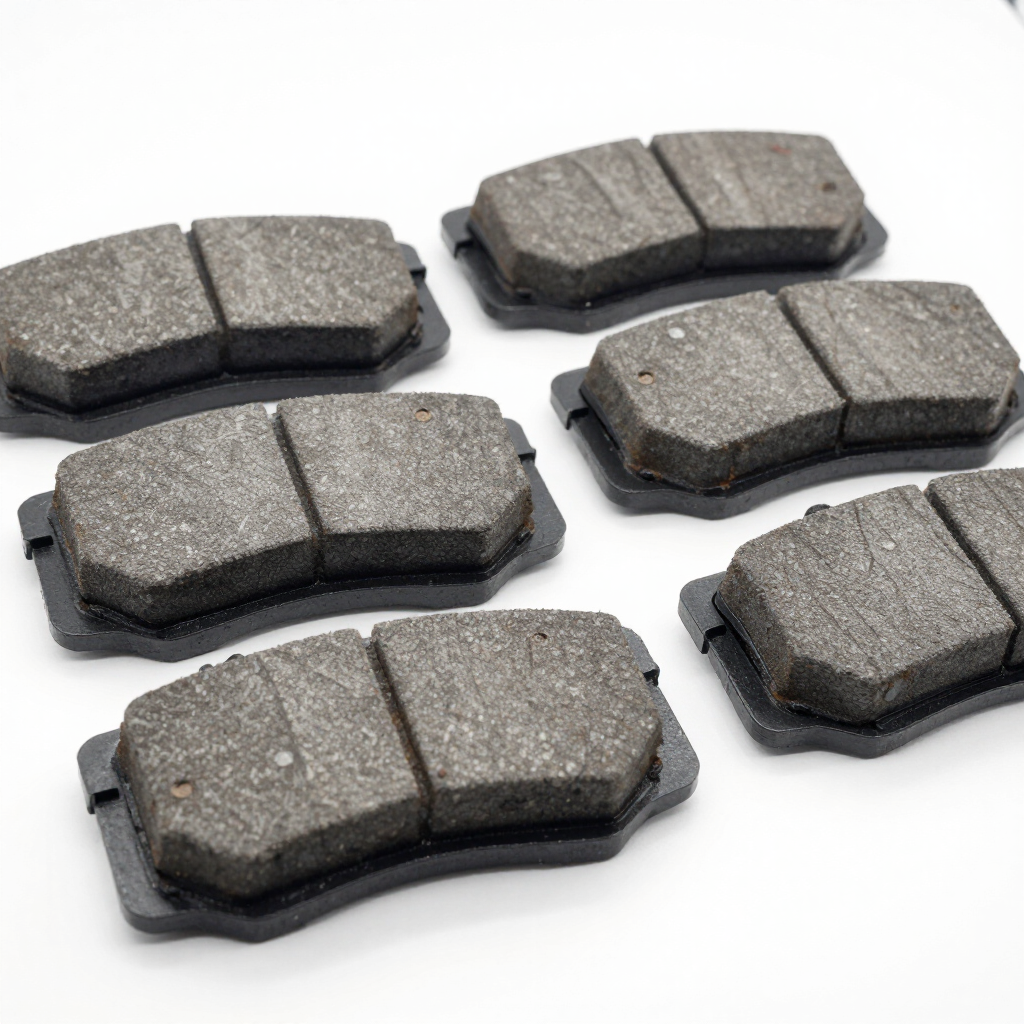
Why Is My Car Making a Grinding Noise?
If your car is making a grinding noise, don't ignore it.
Grinding sounds can come from several different parts of a vehicle, including the brakes, wheel bearings, axles, suspension, tires, transmission, or engine. The location of the noise and when you hear it can provide important clues about what's happening.
Sometimes a grinding noise is caused by a relatively straightforward repair. Other times, it can be an early warning of a problem that could become more expensive—or affect your safety—if you continue driving.
For drivers in Southwest Houston, Westchase, Bellaire, Meyerland, Stafford, Sugar Land, and Missouri City, Apex Automotive Care can diagnose unusual vehicle noises and determine what needs attention.
What Does a Grinding Noise From a Car Mean?
A grinding noise generally means two components are contacting each other in a way they shouldn't, or a mechanical component is wearing or failing.
Possible causes include:
- Worn brake pads
- Damaged brake rotors
- A failing wheel bearing
- A worn CV joint or axle
- Suspension problems
- Tire or wheel problems
- Low or contaminated fluids
- Transmission problems
- Engine-related problems
- A damaged or loose component
The most important question is:
When does the grinding noise happen?
Does it happen when you brake?
When you turn?
When you accelerate?
Only at certain speeds?
When the car is idling?
Answering those questions can help narrow down the possible source.
Why Are My Brakes Making a Grinding Noise?
One of the most common reasons a car makes a grinding noise is a brake problem.
If you hear grinding when you press the brake pedal, your brake pads may be severely worn.
Brake pads are designed to create friction against the brake rotors. As the pads wear down, they eventually need to be replaced. If they're allowed to wear excessively, other brake components can become damaged.
You may also notice:
- Squeaking or squealing
- Scraping
- Steering wheel vibration
- Brake pedal pulsation
- Pulling while braking
- Longer stopping distances
- A burning smell
If your brakes are grinding, don't wait for the noise to disappear.
Our guide on why brakes squeak or grind explains common brake noises and when they should be inspected.
Can Bad Brake Rotors Cause Grinding?
Yes.
A damaged or severely worn rotor can contribute to grinding, scraping, vibration, or other unusual brake noises.
However, not every grinding noise while braking automatically means the rotors need to be replaced.
A proper inspection should evaluate the entire brake system, including the:
- Brake pads
- Rotors
- Calipers
- Brake hardware
- Related components
Replacing parts based only on the sound can result in unnecessary repairs.
Why Is My Car Grinding When I Turn?
If your vehicle makes a grinding, clicking, or popping noise when turning, the axle and CV joints should be considered.
CV joints allow the axle to transfer power to the wheels while accommodating the movement of the suspension and steering.
A worn CV joint can produce clicking or grinding noises, particularly during turns.
Other signs can include:
- Clicking while turning
- Vibration during acceleration
- Grease around a CV boot
- A damaged CV boot
- Clunking
- Difficulty accelerating smoothly
Apex Automotive Care provides Axle Service in Houston, including inspection and repair of axle shafts, CV joints, boots, bearings, and seals.
If your grinding noise gets louder when you turn, don't ignore it.
Could a Bad Wheel Bearing Cause a Grinding Noise?
Yes.
A failing wheel bearing can produce a humming, growling, grinding, or rumbling sound.
Wheel bearing noise often changes depending on vehicle speed and sometimes changes when you turn.
You may also notice:
- Grinding or humming
- Vibration
- Wheel looseness
- Uneven tire wear
- Noise that gets louder with speed
- Changes in noise when turning
Because tire noise and wheel-bearing noise can sometimes sound similar, proper diagnosis is important.
A technician can inspect the wheel bearings along with the tires, wheels, suspension, and other rotating components.
Why Is My Car Grinding While Driving?
If the grinding happens while you're simply driving—not necessarily braking or turning—the source could be several different components.
Potential causes include:
- Wheel bearings
- Tires
- Brakes
- Axles
- Suspension components
- Underbody components
- Drivetrain components
Pay attention to whether the noise changes as your speed changes.
Grinding that gets louder as speed increases
This can point toward a wheel, tire, bearing, brake, or other rotating component.
Grinding while accelerating
An axle, CV joint, transmission, or drivetrain component could be involved.
Grinding while turning
CV joints, wheel bearings, tires, suspension, or steering components may need to be inspected.
Grinding while braking
The brake system should be one of the first areas checked.
Why Is My Car Grinding When I Accelerate?
A grinding noise that occurs primarily while accelerating may be related to the drivetrain.
Potential causes include:
- CV joints
- Axles
- Transmission components
- Differential components
- Engine accessories
- Other drivetrain components
If the grinding is accompanied by vibration, hesitation, clunking, or loss of power, have the vehicle inspected.
Apex Automotive Care's Axle Service covers axle shafts, CV joints, bearings, boots, and seals that can contribute to drivability problems.
Why Is My Car Grinding When I Brake?
If the grinding occurs specifically when you press the brake pedal, brake wear should be investigated first.
Severely worn brake pads can allow metal components to contact the rotor.
This can create a harsh grinding sound and potentially damage the rotor.
You may also notice:
- Vibrations
- Pulling
- Reduced braking performance
- Squealing
- Scraping
- A brake warning light
Don't wait until your vehicle becomes difficult to stop.
If you're experiencing grinding brakes, schedule a brake inspection.
Can Suspension Problems Cause Grinding?
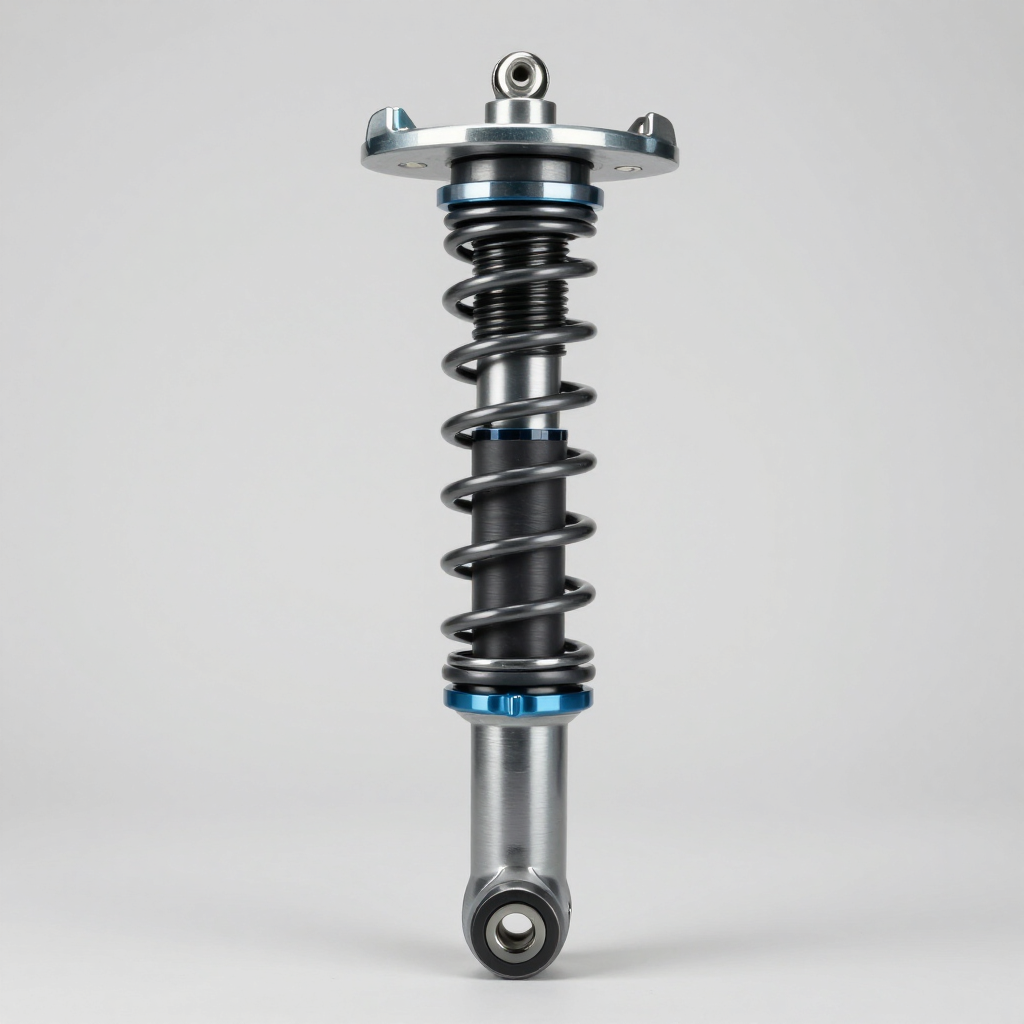
Suspension problems can cause several unusual noises, including grinding, rubbing, clunking, and knocking.
Potentially involved components include:
- Shocks
- Struts
- Control arms
- Ball joints
- Bushings
- Tie rods
- Wheel bearings
Suspension problems may also cause changes in handling.
You might notice:
- Excessive bouncing
- Uneven tire wear
- Pulling
- Clunking over bumps
- Loose steering
- Vehicle instability
If the grinding is accompanied by handling problems, the suspension and steering systems should be inspected rather than focusing only on the noise.
Could a Tire or Wheel Make a Grinding Noise?
Yes.
Although tire problems more commonly produce humming, roaring, or rubbing sounds, certain tire and wheel problems can create unusual noises.
Possible causes include:
- Uneven tire wear
- Tire damage
- A bent wheel
- A loose wheel
- A tire rubbing against another component
- Wheel bearing problems
If you've recently hit a pothole or curb, pay particular attention to new noises.
A road impact can damage tires, wheels, suspension, and steering components.
What If My Car Is Grinding and Shaking?
Grinding combined with vibration deserves attention.
The source could involve:
- Brakes
- Tires
- Wheels
- Wheel bearings
- Axles
- Suspension
- Steering
- Drivetrain components
If the shaking occurs primarily at highway speeds, the problem may be different from a vibration that only happens while braking.
Apex Automotive Care's guide on car shaking at highway speeds covers tires, wheels, alignment, suspension, brakes, axles, wheel bearings, and other possible causes.
Why Is My Car Making a Grinding Noise From the Front?
A grinding noise from the front of the vehicle can involve several components.
Possible sources include:
- Front brakes
- Front wheel bearings
- CV axles
- Tires
- Wheels
- Suspension
- Steering components
If the noise gets louder when turning, wheel bearings or CV joints may deserve closer attention.
If it occurs during braking, the front brake system should be inspected.
If it happens over bumps, suspension components may be involved.
The location and timing of the noise are important diagnostic clues.
Why Is My Car Making a Grinding Noise From the Rear?
Grinding from the rear of a vehicle can have different causes.
Possible sources include:
- Rear brakes
- Rear wheel bearings
- Tires
- Wheels
- Suspension
- Axles
- Differential or drivetrain components
A technician should inspect the vehicle rather than assuming the noise is coming from one specific component.
Why Is My Car Grinding When I Reverse?
Grinding while reversing can sometimes be related to the brakes.
Some brake noises can be more noticeable when changing direction.
However, grinding while reversing can also be caused by debris, brake hardware, suspension components, or other mechanical problems.
If the noise is new or persistent, have the vehicle inspected.
Why Is My Car Grinding but Not Making Noise All the Time?
Intermittent noises can be especially difficult to diagnose because the vehicle may sound normal when you bring it to the shop.
Try to identify the conditions that cause the noise.
Ask yourself:
- Does it happen when braking?
- Does it happen when accelerating?
- Does it happen when turning?
- Does it happen over bumps?
- Does it happen at a specific speed?
- Does it happen when the engine is cold?
- Does it happen after the vehicle has been driven for a while?
- Does rain or moisture seem to affect it?
If possible, note exactly when the noise occurs.
That information can make diagnosis easier.
Is It Safe to Drive a Car That Is Making a Grinding Noise?
It depends on the source and severity of the noise.
A mild noise doesn't necessarily mean the vehicle is about to fail.
But persistent or severe grinding should not be ignored.
Have the vehicle inspected promptly if the grinding is accompanied by:
- Brake problems
- Steering problems
- Severe vibration
- Pulling
- A burning smell
- Smoke
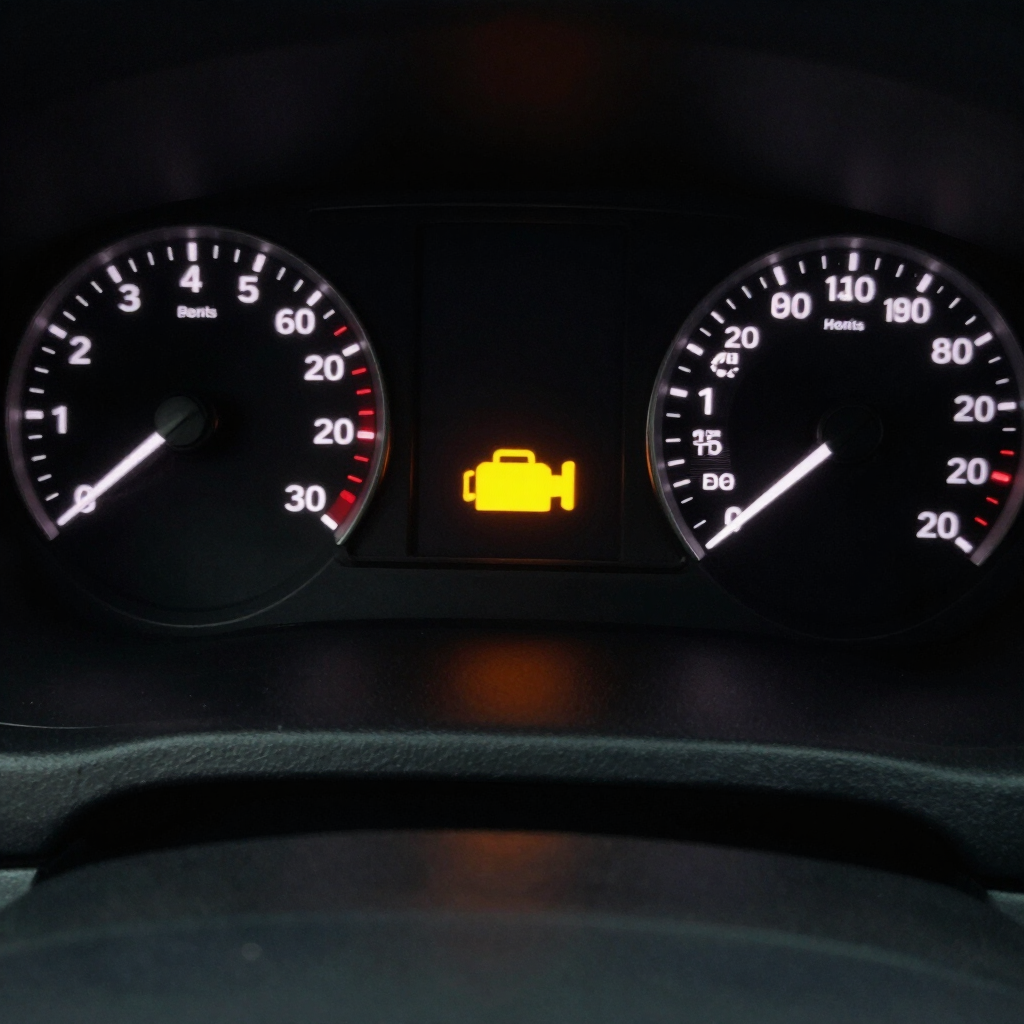
- A warning light
- Loss of power
- Difficulty controlling the vehicle
- Sudden changes in handling
If you believe the vehicle has a serious brake, steering, tire, or wheel problem, avoid continuing to drive it until it can be safely evaluated.
What Should I Do If My Car Starts Grinding?
Start by paying attention to the conditions surrounding the noise.
If it grinds when braking:
Have the brake system inspected.
If it grinds when turning:
Have the axles, CV joints, wheel bearings, tires, suspension, and steering checked.
If it grinds while accelerating:
Have the drivetrain and axle components evaluated.
If it grinds at highway speeds:
Have the tires, wheels, bearings, suspension, and other rotating components inspected.
If it grinds over bumps:
Have the suspension and steering components checked.
If it suddenly starts grinding loudly:
Don't ignore it. A sudden mechanical noise can indicate a component has become damaged or failed.
How Does a Mechanic Diagnose a Grinding Noise?
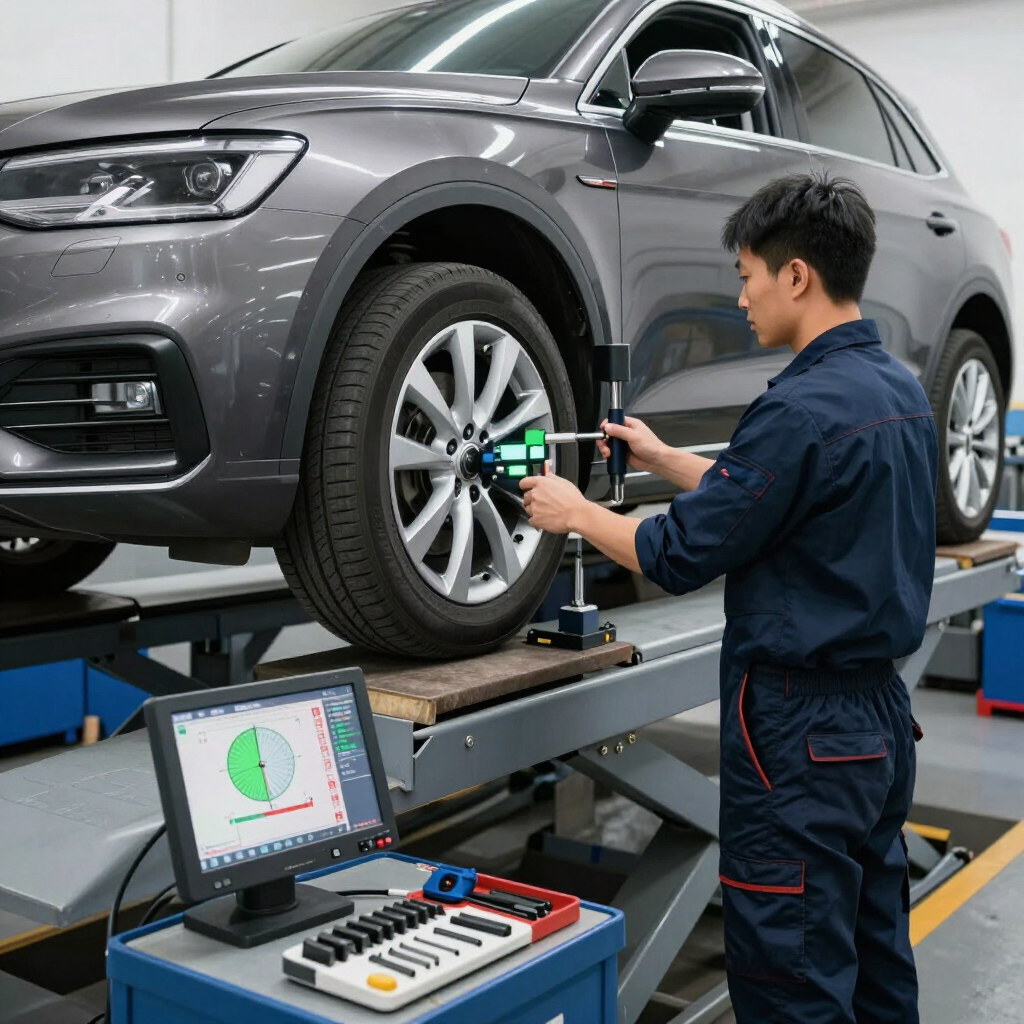
Diagnosing a grinding noise starts with determining where and when the sound occurs.
A technician may inspect:
- Brake pads
- Brake rotors
- Brake calipers
- Tires
- Wheels
- Wheel bearings
- Axles
- CV joints
- Suspension
- Steering
- Engine accessories
- Transmission
- Other drivetrain components
The vehicle may also be road-tested when appropriate to reproduce the noise.
The goal is to identify the source before recommending repairs.
At Apex Automotive Care, the shop emphasizes diagnostic technology, clear communication, and explaining repair recommendations to customers.
Why You Shouldn't Ignore a Grinding Noise
A grinding noise is your vehicle's way of telling you that something has changed.
Ignoring it can sometimes allow a relatively manageable problem to become a much larger repair.
For example:
Worn brake pads → rotor damage → more extensive brake repair
Or:
Worn CV joint → continued wear → axle-related failure
Or:
Wheel bearing noise → worsening bearing problem → potential wheel and handling concerns
Not every grinding noise will follow this pattern, but early diagnosis can help prevent unnecessary damage.
Grinding Noise Repair in Houston
Apex Automotive Care provides automotive diagnostics and repair for drivers throughout Houston.
Our team can inspect unusual noises involving:
- Brakes
- Tires
- Wheels
- Axles
- CV joints
- Wheel bearings
- Suspension
- Steering
- Drivetrain
- Other vehicle components
We're located at:
Apex Automotive Care
7050 Southwest Freeway
Houston, TX 77074
Call to discuss your vehicle's symptoms or schedule an inspection.
Auto Repair for Grinding Noises in Westchase
If you're searching for auto repair near Westchase because your vehicle is making a grinding noise, Apex Automotive Care can help diagnose the problem.
Whether the source is the brakes, tires, suspension, axle, or another component, proper diagnosis is the first step.
Auto Repair for Grinding Noises in Bellaire
For drivers searching for auto repair near Bellaire, don't ignore a new grinding noise.
Apex Automotive Care can inspect your vehicle and help determine whether the problem is related to brakes, wheels, tires, axles, suspension, or another system.
Auto Repair for Grinding Noises in Meyerland
If you're in Meyerland and your car has started making a grinding sound, schedule an inspection before the problem becomes more serious.
Pay particular attention to whether the noise occurs while braking, turning, accelerating, or driving at a certain speed.
Auto Repair for Grinding Noises in Stafford
Drivers in Stafford who commute on Houston-area roads may notice new grinding noises during braking, acceleration, or highway driving.
If your vehicle has developed a new mechanical noise, have it checked rather than assuming it's normal wear.
Auto Repair for Grinding Noises in Sugar Land
If you're searching for auto repair near Sugar Land because your car is grinding, Apex Automotive Care can inspect the vehicle and help identify the source.
The sooner the cause is identified, the sooner you can determine what actually needs to be repaired.
Auto Repair for Grinding Noises in Missouri City
If you're in Missouri City and your vehicle is making a grinding noise, don't guess which part is failing.
A professional inspection can help distinguish between brake, tire, wheel, axle, bearing, suspension, and drivetrain problems.
Auto Repair for Grinding Noises in Southwest Houston
For auto repair in Southwest Houston, Apex Automotive Care provides diagnostic and repair services for unusual vehicle noises.
Our location at 7050 Southwest Freeway makes us convenient for drivers throughout the Southwest Houston area.
Don't Ignore a Grinding Noise From Your Car
A grinding noise can come from something as simple as worn brake components or something more involved, such as a wheel bearing, axle, suspension component, or drivetrain problem.
The important thing is not to guess.
Pay attention to when the noise happens and have the vehicle inspected.
Finding the source early can help you avoid additional damage and get your vehicle back to normal.
Schedule a Vehicle Inspection in Houston
If your car is making a grinding noise, let Apex Automotive Care help identify the cause.
Schedule an appointment with Apex Automotive Care or call.
Apex Automotive Care
7050 Southwest Freeway
Houston, TX 77074
Serving Southwest Houston, Westchase, Bellaire, Meyerland, Stafford, Sugar Land, and Missouri City.
Frequently Asked Questions
Why is my car making a grinding noise?
A grinding noise can come from worn brakes, rotors, wheel bearings, axles, CV joints, suspension components, tires, wheels, transmission components, or other mechanical parts.
Why does my car grind when I brake?
Grinding while braking can indicate severely worn brake pads or other brake problems. The brake system should be inspected promptly.
Why does my car grind when I turn?
Grinding or clicking while turning can be related to CV joints, axles, wheel bearings, tires, suspension, or steering components.
Why does my car grind when I accelerate?
Grinding during acceleration can potentially involve the axles, CV joints, transmission, drivetrain, or engine-related components.
Why does my car grind at low speeds?
Grinding at low speeds can have several causes, including brakes, wheel bearings, axles, tires, suspension, or other rotating components. The exact timing and location of the noise are important.
Is a grinding noise from my car serious?
It can be. Persistent or severe grinding should be inspected, particularly if it is accompanied by vibration, pulling, braking problems, steering problems, smoke, burning smells, or changes in handling.
Can low brake pads cause grinding?
Yes. Severely worn brake pads can allow components to contact the rotor and create a grinding or metal-on-metal noise.
Can a bad wheel bearing make a grinding noise?
Yes. A failing wheel bearing can produce grinding, humming, growling, or rumbling that may change with vehicle speed or turning.
Where can I get a grinding noise diagnosed in Houston?
Apex Automotive Care provides diagnostic and repair services at 7050 Southwest Freeway, Houston, TX 77074, serving Southwest Houston and surrounding communities.